



When Is the Best Time of Year to Visit Florence? A Month-by-Month Guide
July 1, 2026
Florence is one of Europe’s most rewarding city-break destinations. Unlike many Italian cities, Florence isn’t known for beaches or coastal breezes. Instead, it is a city best explored on foot, wandering Renaissance streets, crossing medieval bridges, discovering hidden windows, and spending time inside some of the world’s greatest museums. Choosing the right time to visit can make all the difference. So, when is the best time of year to visit Florence?
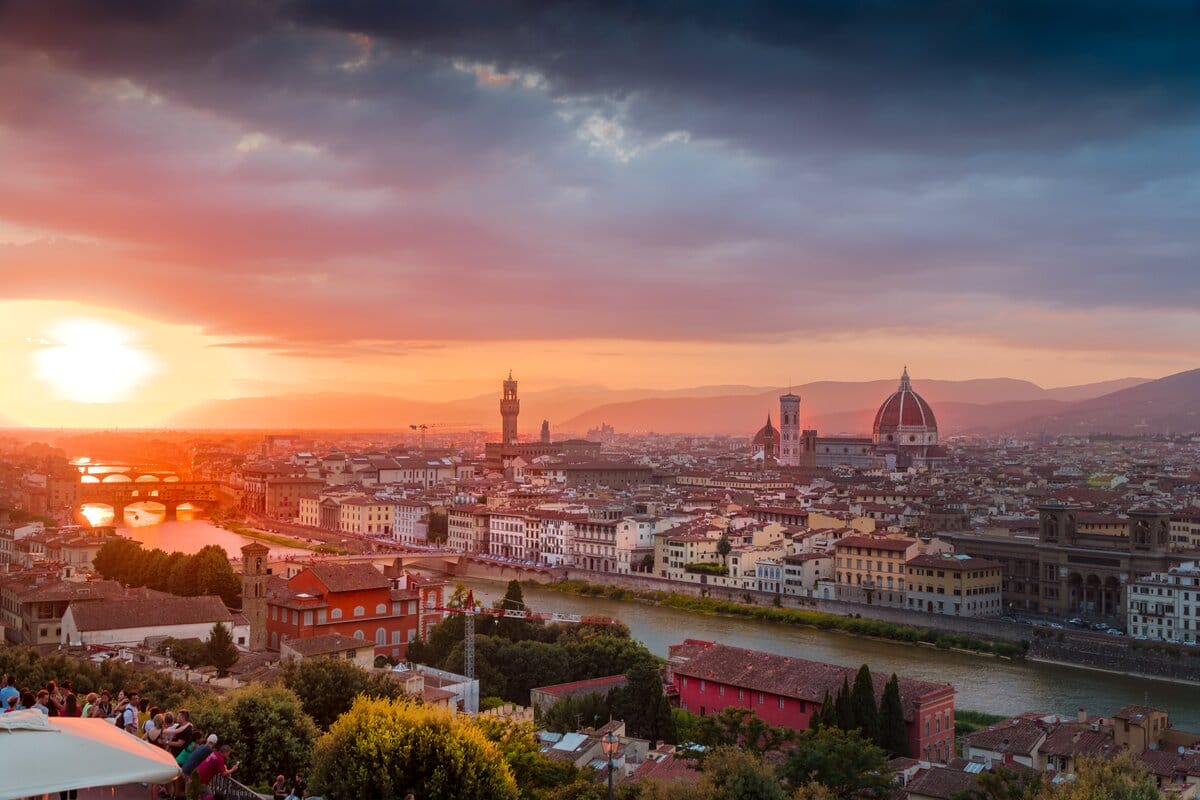
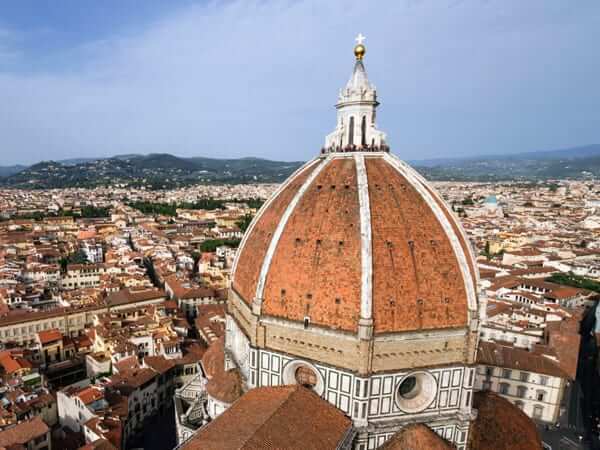
The sun setting over beautiful Florence with the duomo rising above the red rooftops.
When is the best time of year to visit Florence?
Your experience can vary depending on when you visit. Summer brings long, sunny days and lively piazzas, while winter offers shorter queues, lower hotel prices, and a much quieter atmosphere. Spring and autumn are often considered the best times to visit Florence thanks to the pleasant temperatures, and ideal sightseeing conditions.
However, the best month to visit Florence ultimately depends on what you’re looking for. Art lovers may appreciate the quieter museums of winter, food enthusiasts will love autumn’s truffle and wine season, while families often enjoy the warm but not overwhelming temperatures of late spring.
In this guide, we’ll break down Florence’s seasonal events, visitors levels, weather, and the best times to visit depending on your travel style.
But first, here’s a quick summary:
- Best overall: April-May and September-October
- Best weather: May and late September
- Cheapest: January and February
- Best for food lovers: October and November
- Best for families: April, May and June
- Best for avoiding crowds: January, February and November
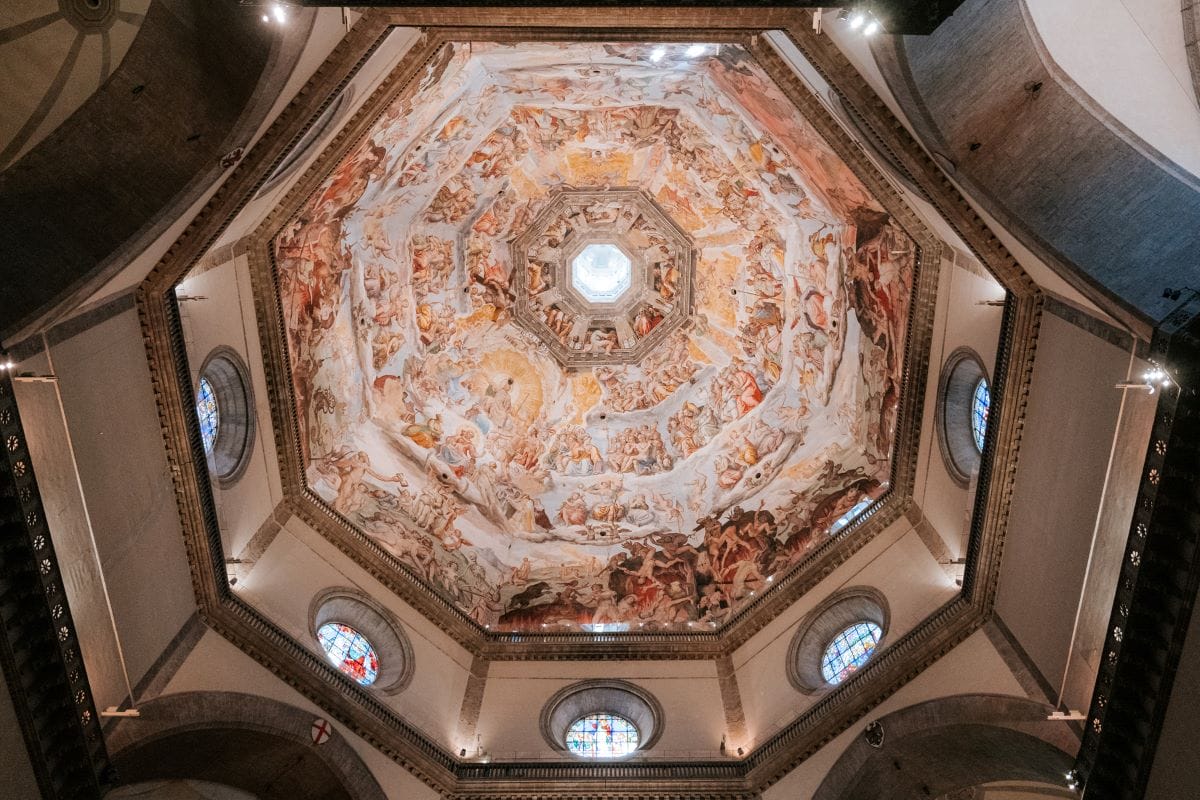
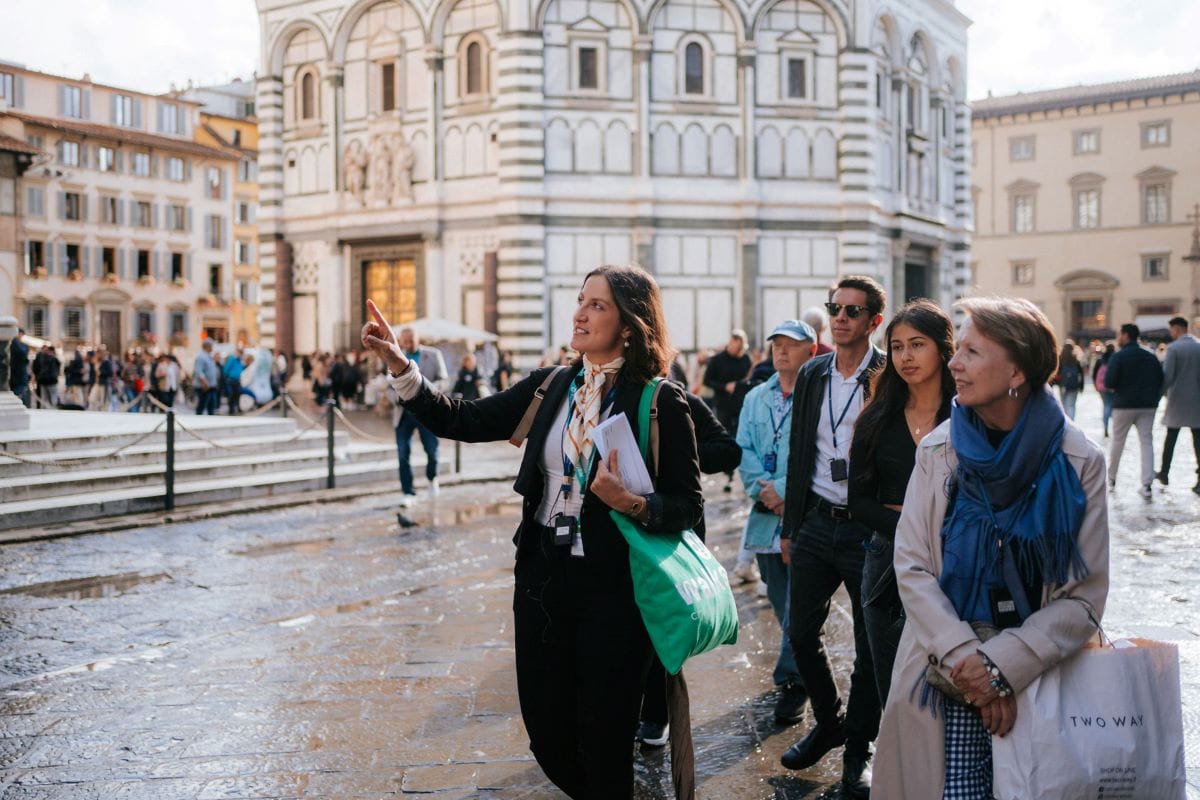
The interior of Florence’s Duomo can be seen while on a walking tour of the Duomo.
Florence in Spring: March, April and May
As the warm spring sunshine returns, visitor numbers also begin to rise, but remain far more manageable than during the summer. It’s the perfect time to admire Florence’s Renaissance masterpieces and panoramic viewpoints, or wander the streets without feeling overwhelmed by crowds.
Florence in March
March marks the beginning of spring, bringing warmer temperatures and longer daylight hours, ideal for walking round the city’s historic centre. Stroll from Piazza del Duomo to Piazza della Signoria, continue across the Ponte Vecchio, and explore the artisan workshops of the Oltrarno district, all without the exhausting summer heat.
One of the biggest advantages of visiting Florence in March is the ability to enjoy its world-famous museums before peak tourist season arrives. Attractions like the Uffizi Gallery and the Accademia Gallery are noticeably quieter than they will be just a few weeks later.
Insider tip: If it’s your first visit, March is an excellent time to join a guided walking tour. Florence is relatively compact, and having a local expert explain the fascinating stories behind the Medici family, Michelangelo, and the Renaissance brings the city to life.
Florence in April: Easter Traditions and Renaissance Beauty
If Easter falls during your trip, you’ll have the chance to witness one of Italy’s oldest traditions: the Scoppio del Carro, or “Explosion of the Cart.” Dating back over 350 years, this colourful Easter Sunday celebration sees an elaborately decorated cart pulled by white oxen through the historic centre, and a fireworks display in front of Florence Cathedral.
April also brings the perfect opportunity to explore Florence’s famous Iris Garden, which only opens for a few weeks each year, from mid April to mid May. With hundreds of varieties of iris, the flower that has symbolised Florence for centuries, it is one of the city’s seasonal highlights.
Florence in May
Many travellers consider May the best month to visit Florence. Warm days, abundant sunshine and long evenings create ideal conditions for exploring. You’ll still be comfortable temperature-wise climbing Brunelleschi’s Dome, walking to Piazzale Michelangelo, or exploring the neighborhood streets. May is also an excellent month for photography, as the softer sunlight illuminates Florence’s famous terracotta rooftops, and flowers and greenery add splashes of colour.
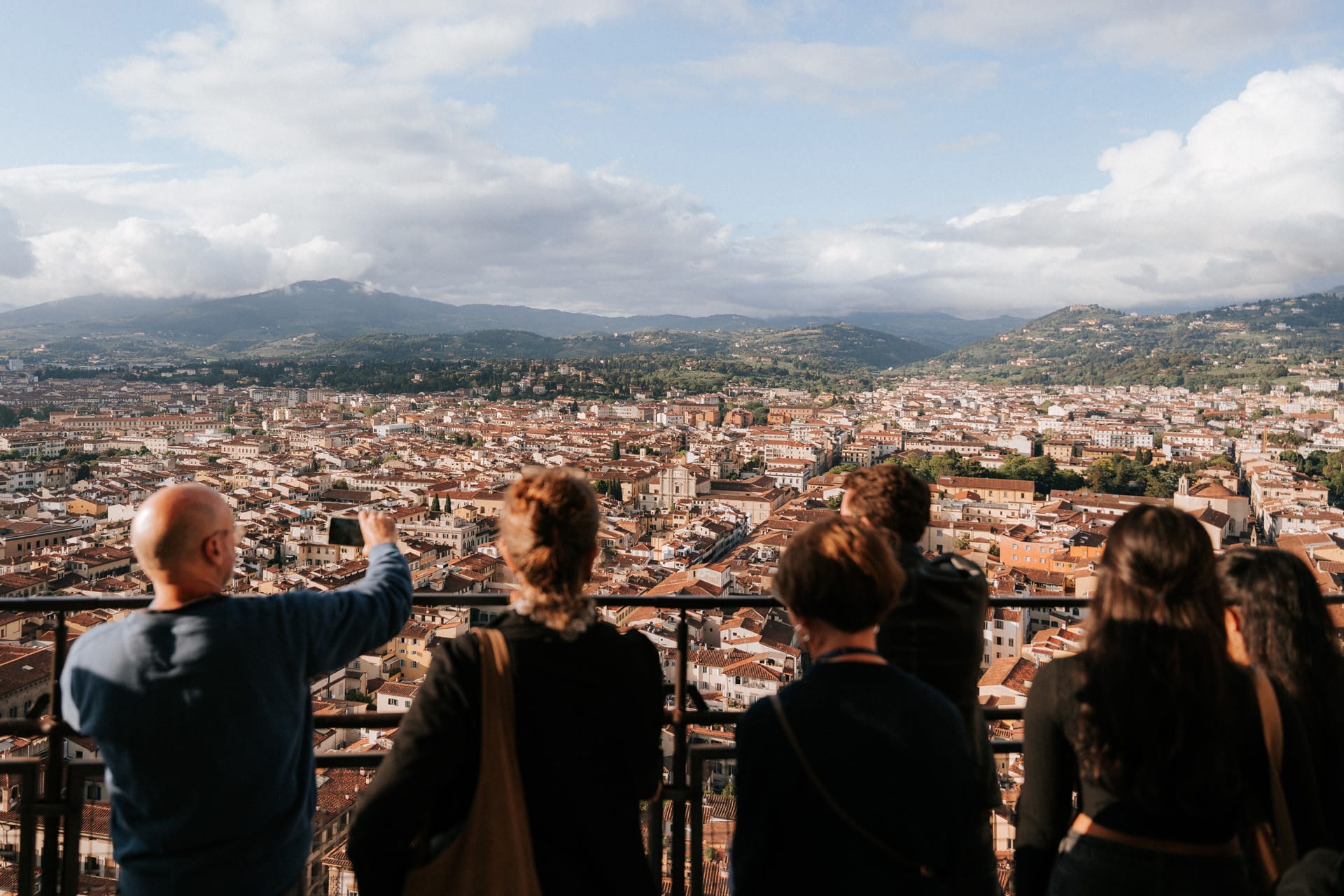
Discover the magic of Florence from the rooftops!
Spring Bloom
If you’re looking for green spaces, the Boboli Gardens provide a peaceful escape from the busy streets. Their elegant fountains, Renaissance sculptures and perfectly manicured avenues make them one of Florence’s most beautiful spring destinations.
For spectacular panoramic views, head to Piazzale Michelangelo just before sunset. As dusk falls across Florence’s famous skyline, you’ll see why artists have been inspired by this city for centuries.
Spring on the Plate
Spring also brings some of Tuscany’s finest seasonal produce. Restaurant menus begin to feature tender asparagus, fresh peas, broad beans, wild herbs and delicate pecorino cheeses. Local markets such as Mercato Centrale overflow with colourful vegetables, fresh pasta and artisan cheeses. This is also an excellent time to sample classic Tuscan dishes like Ribollita, Pappa al Pomodoro, Pici pasta, Crostini Toscani and fresh pecorino with local honey.
Insider tip: Spring is also the perfect season for joining a food tour, where you’ll discover Florence’s culinary traditions while tasting seasonal ingredients at their freshest.
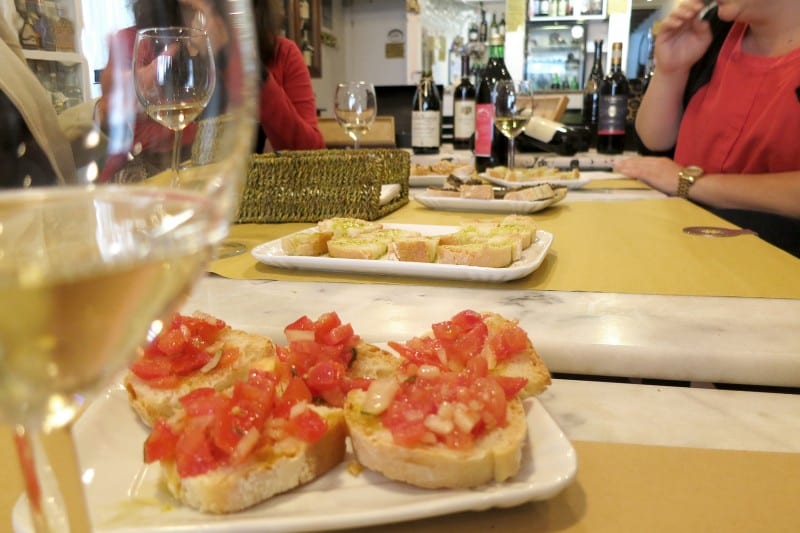
Crostini are a great way to try many seasonal flavors and specials, with different toppings to choose from.
Spring Weather Considerations in Florence
- From late March through May, daytime temperatures generally range from around 59°F (15°C) in early spring to approximately 77°F (25°C) by the end of May.
- Mornings can still feel cool, particularly in March, so packing layers is recommended. A light waterproof jacket is also worthwhile, as occasional spring showers are not uncommon.
- By May, outdoor dining becomes the norm with many rooftop bars, wine terraces and restaurant gardens, making spring one of the most enjoyable seasons to experience Florence after dark.
Florence in the Summer: June, July and August
Summer brings long sunny days and a vibrant atmosphere to Florence, with festivals and fun in the piazzas at all hours. However, Florence is also one of Italy’s hottest cities. With temperatures often climbing above 95°F (35°C ), outdoor sightseeing is best planned for the cooler mornings and evenings, leaving the hottest part of the day for museums or a leisurely lunch.
Florence in June: Fireworks and Festivals
June generally marks the beginning of summer and the city hosts a number of outdoor events.
One of the highlights is the Feast of Saint John on the 24th June. This event celebrates Florence’s patron saint with historical parades, the famous Calcio Storico Fiorentino match in Piazza Santa Croce, and a spectacular fireworks display over the Arno.
The Estate Fiorentina festival also begins, bringing concerts, theatre and cultural events to venues across the city.
Florence in July: Museum Season
July is one of Florence’s hottest and busiest months. Expect high temperatures, crowded attractions and lively streets throughout the day. The best way to explore is to start early, visit outdoor landmarks before lunch, then spend the afternoon inside Florence’s world-famous museums such as the Uffizi Gallery, Accademia Gallery or Palazzo Pitti.
Insider tip: Booking skip-the-line tickets or a guided tour is especially worthwhile during this busy period.
Florence in August: Ferragosto
August is dominated by Ferragosto, Italy’s traditional summer holiday. Around 15 August, many Florentines leave the city for the coast or countryside, meaning some family-run restaurants and independent shops may close temporarily. Despite this, Florence remains busy with visitors, and all major museums and attractions stay open. The quieter evenings make it a wonderful time to enjoy outdoor dining, an aperitivo by the Arno, or a sunset walk across the Ponte Vecchio.
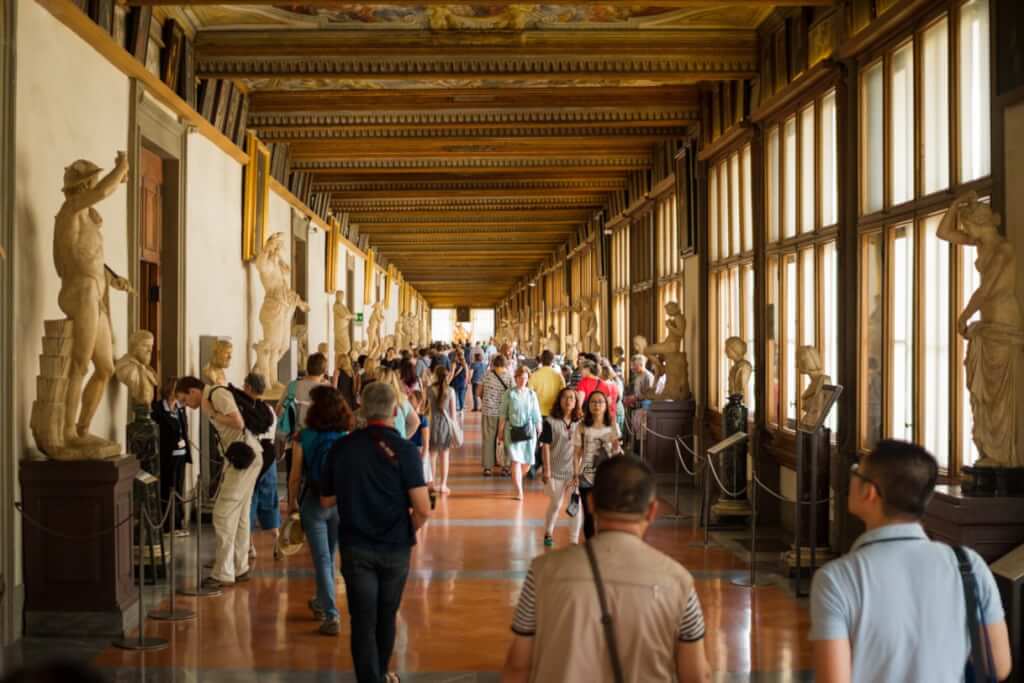
The halls of the Uffizi Gallery are filled with Renaissance art, paintings and sculptures
Summer Evenings
As the evening cools the temperatures, Florence truly comes alive. Locals gather in lively squares such as Piazza Santo Spirito and Piazza della Signoria, restaurants fill their outdoor terraces, and musicians perform throughout the historic centre. For one of the city’s most memorable views, climb to Piazzale Michelangelo at sunset to see the Duomo and terracotta rooftops literally glow!
Escape to Tuscany
If the city heat becomes too much, summer is the perfect time for a day trip to the Tuscan countryside. Nearby destinations such as Chianti, Fiesole, Siena and San Gimignano offer cooler temperatures, rolling vineyards and a slower pace of life.
Insider tip: A guided day trip is an easy way to experience Tuscany’s famous wine region without worrying about the logistics of driving, parking, or navigating! And you can also enjoy a glass or two!

Take a day trip to the Tuscan countryside, and sip wine in the vineyard the grapes were actually grown in
Summer Weather Considerations in Florence
- Summer temperatures generally range from 84°F (29°C) in June to 95°F (35°C) or higher in July and August, with occasional heatwaves exceeding 100°F 38°C).
- Plan your sightseeing around the cooler parts of the day – and carry a reusable water bottle! Florence’s public fountains provide fresh drinking water throughout the city.
- Lightweight clothing, comfortable shoes and pre-booked museum tickets will help you make the most of your visit.
Florence in the Autumn: September, October and November
Much like spring, autumn is one of the best times to visit Florence. The intense summer heat begins to fade, visitor numbers decrease, and the Tuscan countryside comes alive with harvest season. It’s a fantastic time for sightseeing, outdoor dining, and discovering Florence’s famous food and wine culture.
Insider tip: Keep in mind that early September is still very much like summer, but by late September into October, the city is noticeably more comfortable, crowd and heat-wise!
Florence in September: Harvest Season
September is an ideal month for exploring Florence’s historic centre before venturing into the surrounding Tuscan countryside. Harvest season begins across Tuscany, and restaurant menus start to feature fresh porcini mushrooms, figs, grapes and the first seasonal truffles. Wine lovers can also enjoy vineyard tours as the annual grape harvest gets underway.
Florence in October and November
October offers some of the best weather of the year in Florence. Mild temperatures, golden afternoons and fewer crowds create ideal conditions for climbing the Duomo or simply wandering the city’s Renaissance streets.
November is quieter still. Although the weather becomes cooler and rain is more frequent, lower accommodation prices and shorter queues make it a rewarding time to visit the incredible museums.
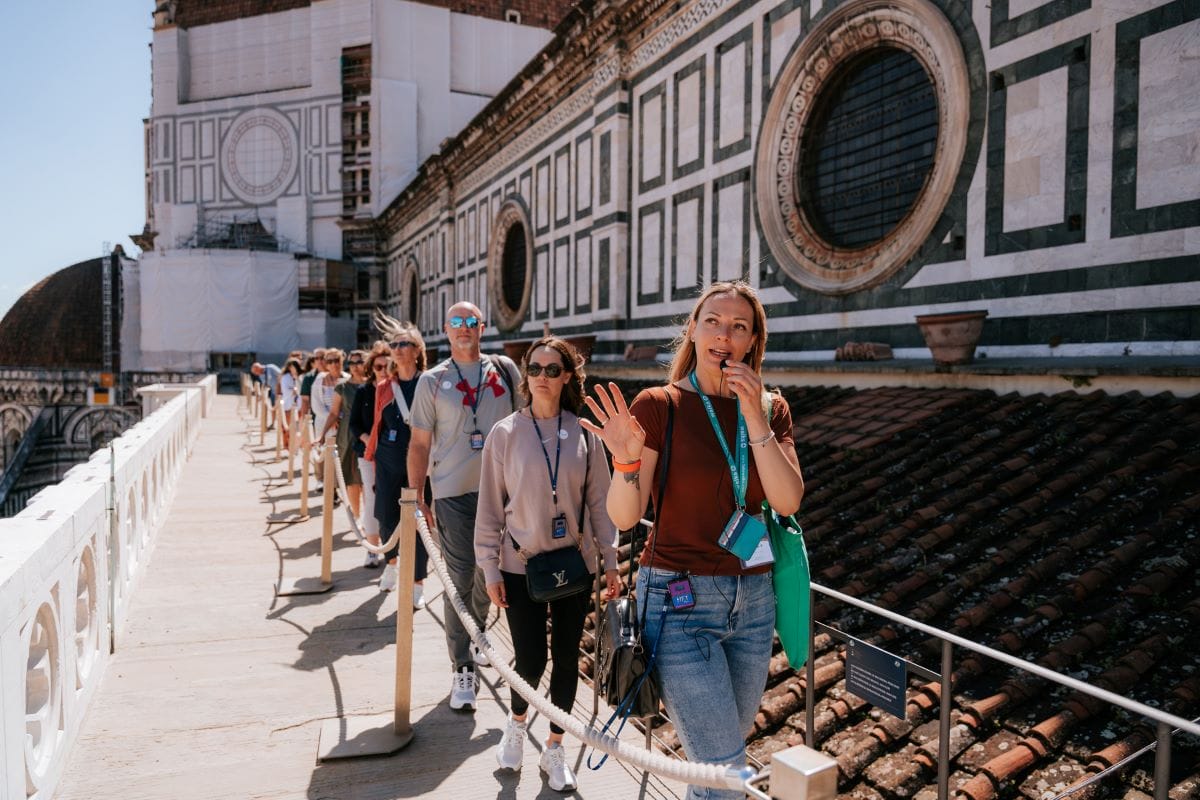
Walking on the rooftops of Florence’s famous landmark while on a tour of the Duomo
Autumn Colours in Florence
While Florence may be famous for its Renaissance architecture, autumn adds another layer of beauty. The Boboli Gardens, Cascine Park and tree-lined banks of the Arno provide colourful walks on an autumn afternoon.
Olive Oil, Truffles and Tuscan Flavours
Autumn is a wonderful season for food lovers too. As the olive harvest begins, restaurants proudly serve freshly pressed extra virgin olive oil alongside warm Tuscan bread. White truffles, porcini mushrooms, chestnuts and game dishes also appear on menus throughout the city.
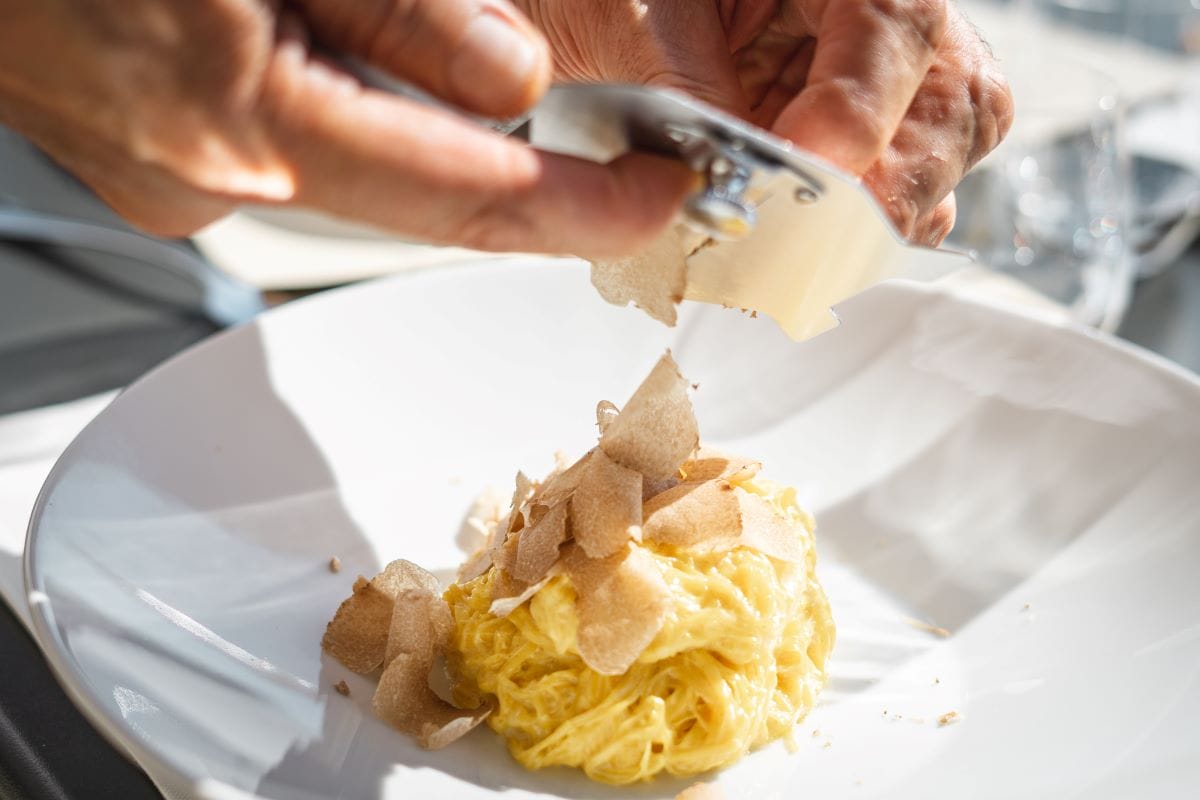
Taste the delicious flavour of autumn with white truffle shavings on your pasta
Insider tip: Experience the city’s food culture on a Private Florence Food Tour, visiting five authentic locales with an expert local guide who will take you beyond the tourist trail.
Autumn Weather Considerations in Florence
- Temperatures gradually fall from around 82°F (28°C) in early September to approximately 57°F (14°C) by late November.
- Rain becomes more frequent later in the season, so it’s worth packing a light waterproof jacket, and dressing in layers. Despite this, autumn remains one of the most comfortable times of year for sightseeing.
Florence in the Winter: December, January and February
Winter offers a completely different side of Florence. The crowds disappear, hotel prices drop, and many of the city’s most famous attractions become far easier to enjoy. Although temperatures are cooler, Florence rarely experiences severe winter weather, making it an excellent destination for travellers looking for a quieter cultural city break.
Florence in December: Christmas in the Renaissance City
The festive atmosphere makes December one of the most magical times to experience Florence. The city’s famous Christmas Market in Piazza Santa Croce fills with wooden chalets selling seasonal food, handmade gifts and mulled wine, and festive lights illuminate landmarks such as the Duomo and Piazza della Repubblica.
Florence in January and February
January is one of the cheapest times to visit Florence. After the Christmas holidays, visitor numbers fall dramatically, making it easier to explore attractions such as the Uffizi Gallery, Accademia Gallery and Palazzo Pitti without long queues.
February remains relatively quiet, although Carnival celebrations across Tuscany bring extra colour to the region. Cooler temperatures make sightseeing comfortable, and accommodation prices remain among the lowest of the year.

Find some unique Christmas gifts at the festive markets or in the Oltrarno area, famous for artisan crafts
Insider Tip: Don´t miss the artisan shops and workshops, independent cafés and traditional trattorias of the Oltrarno district that many visitors never find. Joining a small-group walking tour with a local guide is one of the best ways to uncover these hidden corners!
Explore Florence Without the Crowds
Winter is one of the best times to experience Florence’s artistic treasures. With fewer visitors, you’ll have more space to admire Michelangelo’s David, Botticelli’s Birth of Venus, and the magnificent interiors of Florence Cathedral. It’s also the perfect season to discover cosy cafés, traditional trattorias and artisan workshops that can be overlooked during the busy summer months.
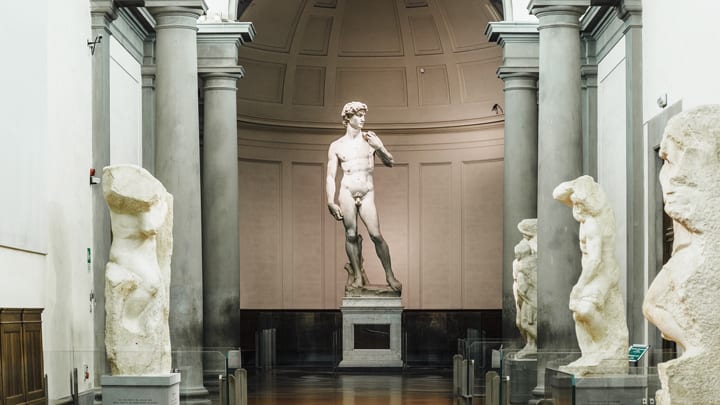
See the statue of David, in all his glory!
Winter Weather Considerations in Florence
- Winter daytime temperatures generally range between 46–55°F (8°C and 13°C), with colder evenings often dropping to around 36–41°F (2–5°C)
- Rain is fairly common, so a warm waterproof jacket and comfortable walking shoes are recommended. Fortunately, Florence’s compact historic centre makes it easy to move between museums, cafés and attractions while staying out of the weather.
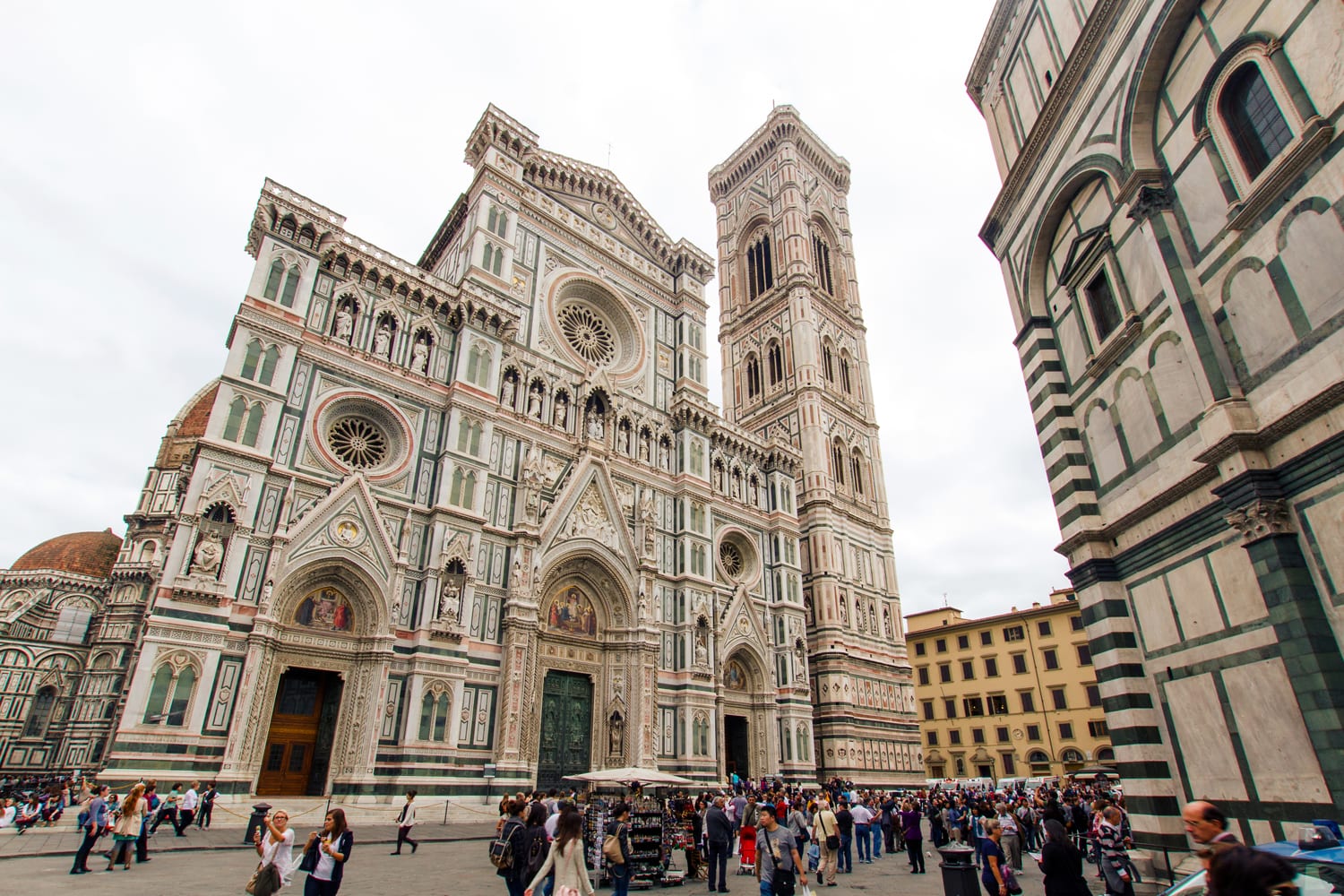
The Florence Cathedral and Baptistery are stunning, all year round!
A Final Note About the Best Time to Visit Florence
Each season offers something different in Florence, and there really isn’t a bad time to visit. Whether you’re admiring Renaissance masterpieces, sampling Tuscan cuisine or simply soaking up the atmosphere in a sunlit piazza, the city rewards visitors throughout the year.
- For first-time visitors: April, May, September and October offer the best balance of pleasant weather, manageable crowds and excellent sightseeing conditions.
- For food lovers: October and November, when truffles, porcini mushrooms and freshly pressed olive oil take centre stage.
- For families: Late spring and early autumn, when temperatures are warm but comfortable for walking.
- For budget travellers: January and February is the best time of year to visit Florence, when flights, hotels and attractions are at their quietest.
- For art lovers: Winter is hard to beat, with shorter queues at Florence’s world-famous museums and galleries.
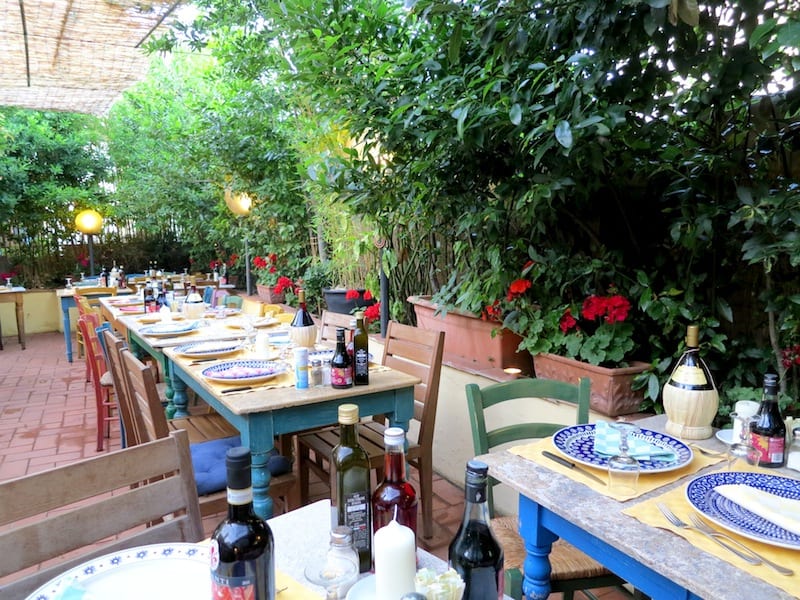
FAQs – The Best Time of Year to Visit Florence
What’s the best way to get around Florence?
One of Florence’s greatest advantages is its size. The historic centre is compact and almost entirely walkable, making exploring on foot by far the best option. In fact, many of the city’s most famous landmarks, including the Duomo, Piazza della Signoria, the Uffizi Gallery and Ponte Vecchio, are all within a 15 to 20-minute walk of each other.
If you’re staying outside the city centre, Florence has an efficient tram network that connects the main train station with the airport and several residential districts. Local buses also serve areas beyond the historic centre, but most visitors won’t need them during a short stay.
What should you know about dining in Florence?
Florence is one of Italy’s great food cities, and the most popular restaurants can fill up quickly, particularly between April and October. If there’s somewhere you’d really like to eat, it’s worth making a reservation a few weeks in advance.
Lunch is traditionally served between 12:30 pm and 2:30 pm, while dinner usually begins around 7:30 pm. If you’re hoping to try the famous bistecca alla Fiorentina, remember that it’s typically designed for two or more people to share.
For a more authentic experience, venture beyond the busiest streets around the Duomo and discover the traditional trattorias and wine bars of the Oltrarno district.
Should you book museum and attraction tickets in advance?
Absolutely. Florence’s most famous attractions regularly sell out, especially during spring, summer and early autumn. If you’re planning to visit the Uffizi Gallery, Accademia Gallery (home to Michelangelo’s David), or climb Brunelleschi’s Dome, booking tickets in advance is highly recommended.
Where should you stay in Florence?
Florence offers accommodation to suit every type of traveller. If it’s your first visit, staying within or just outside the historic centre allows you to walk to nearly every major attraction. Neighbourhoods such as Santa Croce, San Lorenzo and Oltrarno all offer excellent locations with plenty of restaurants and local character.
Travellers on a tighter budget may find better value slightly further from the centre, particularly near Santa Maria Novella or along the tram line, while still enjoying easy access to Florence’s main sights.

A food tour is a great way to discover new flavours and make new friends too!
Ready to Experience Florence?
Whatever you choose as your own best time of year to visit Florence, every season has something special to offer. The key is to embrace the season you’re visiting rather than wishing for another.
To make the most of your trip, consider joining one of our Florence tours. Whether you’d like skip-the-line access to the city’s most iconic museums, an expert-led walking tour through centuries of Renaissance history, or a food tour discovering authentic Tuscan flavours, our local guides will help you experience a side of Florence that many visitors miss.
No matter when you visit, Florence has a way of capturing the imagination, and with the right guide, you’ll leave with a much deeper appreciation of its art, history, food and culture.

Book a Tour

Pristine Sistine - The Chapel at its Best
€89

1794 reviews

Premium Colosseum Tour with Roman Forum Palatine Hill
€56
850 reviews
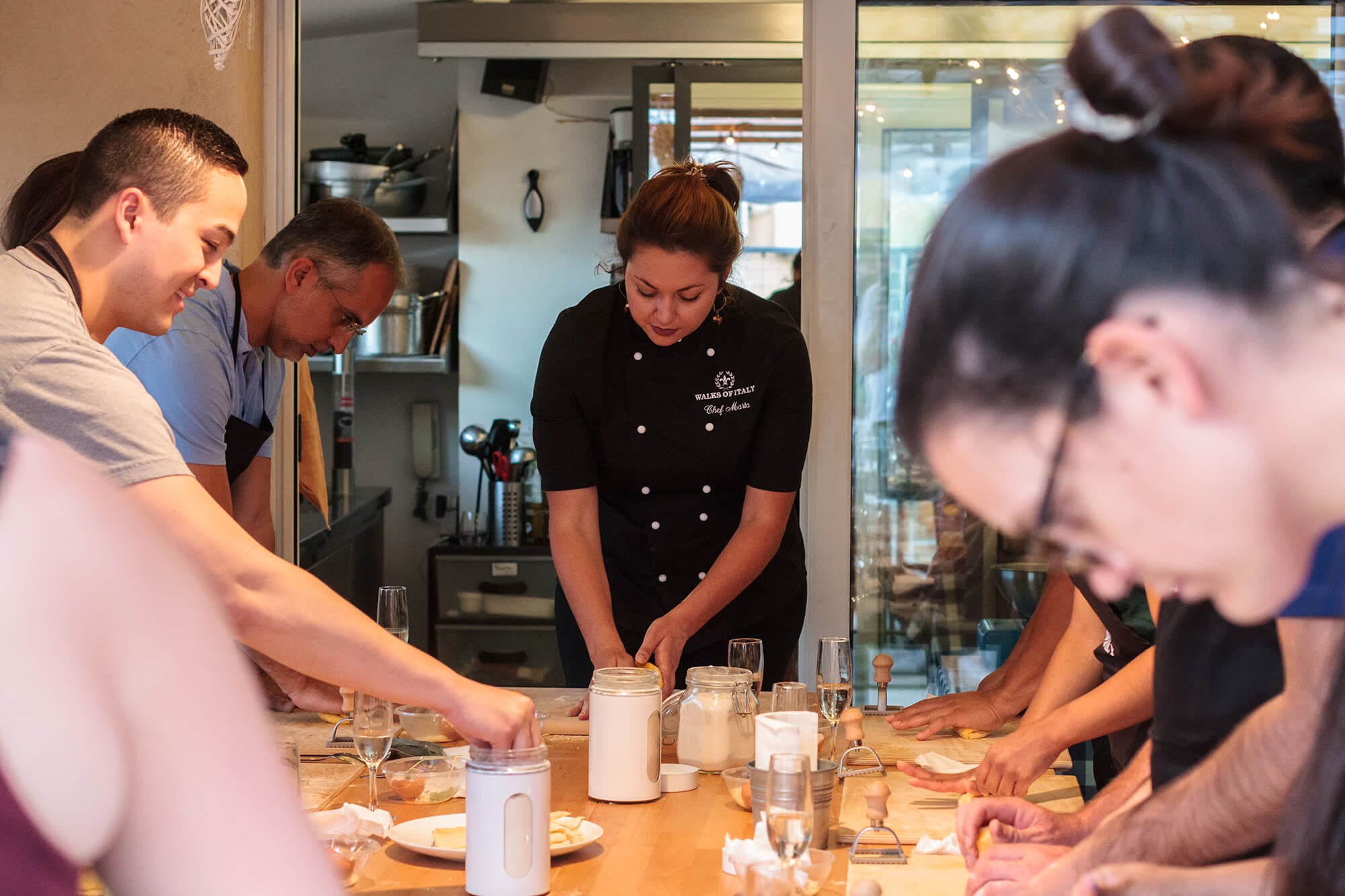
Pasta-Making Class: Cook, Dine Drink Wine with a Local Chef
€64
121 reviews

Crypts, Bones Catacombs: Underground Tour of Rome
€69
401 reviews

VIP Doge's Palace Secret Passages Tour
€79
18 reviews

Legendary Venice: St. Mark's Basilica, Terrace Doge's Palace
€69
286 reviews
Follow us
Stay up to date with travel tips, local insights and all things Italy on our social channels!


Subscribe to our Newsletter
Get curated Italy travel tips delivered to your inbox!

