
Off The Coast of Tuscany: A Guide to Islands of Elba, Giglio, Capraia, Montecristo, Pianosa, Giannutri, Gorgona
December 12, 2025
Surprise! There’s more to Tuscany than the rolling hillsides and beautiful towns. Head to the coast to get in touch with the Tuscan islands. You will be spoilt for choice between seven beautiful islands that make up the Tuscan Archipelago: Giglio, Capraia, Montecristo, Pianosa, Giannutri, Gorgona and the island of Elba.
The 7 Tuscan Islands
The islands off Tuscany have some of the most natural, well-preserved flora and fauna in the entire country, with water so crystal clear you can view schools of fish clear to the bottom. They’re so beautiful in fact, that it is said they are gifts from the gods. Legend has it that when the beautiful Venus emerged from the sea, her necklace broke and seven pearls fell, forming the seven Tuscan islands.
The islands off Tuscany and their surrounding waters are under the protection of the Parco Nazionale Arcipelago Toscano, the first great marine park in Italy and the largest protected marine area in Europe, for their environmental value.
While international tourists might overlook these islands, the Italians have known for some time and flock to the beaches in July and August. You can plan to visit just one, or connect ferry rides from one to another, island hoping with the coastline or with the island of Elba as your base. Each island has something unique to offer – just take your pick!
The Island of Elba
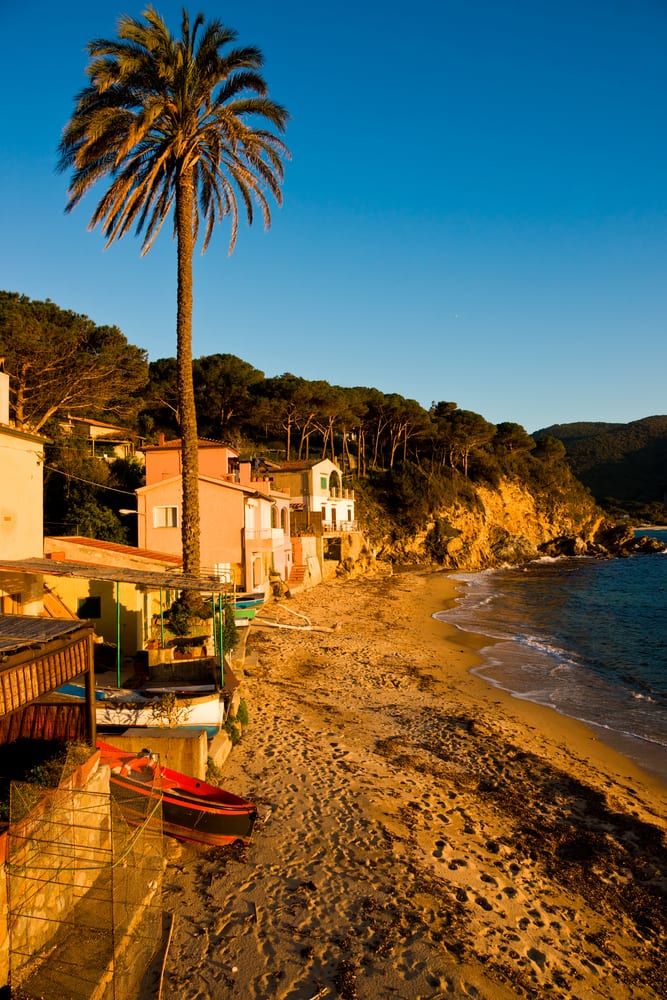
Forno Beach on the island of Elba
The biggest of the Tuscan islands, The Island of Elba is easy to get to and a good base if you want to explore some of the nearby islands. Perhaps most famous as the island of Napoleon’s exile after the Treaty of Fontainebleau, today it’s known among Italians for it’s great panorama, beaches and weather.
It’s therefore best to book ahead for July or August as the beaches fill with visitors. The fish-shaped island has more than 70 beaches, excellent hiking trails and numerous bays and coves to explore. It’s not such a stretch to call the island of Elba a paradise-on-earth, making it the most popular of the seven.
How to get there:
The Island of Elba is easy to reach thanks to frequent ferry connections from Piombino Marittima, the main port linking Tuscany to the island. The crossing covers about 10 – 12 nautical miles and takes 30 to 40 minutes on fast ferries or up to 60 to 90 minutes on standard services.
Several operators run year-round, including Moby, Toremar, and Blu Navy, with more frequent departures in summer. If you’re traveling with a car, plan to arrive at least 1-1.5 hours before departure, while foot passengers can usually arrive 30 minutes early. During peak season, advance booking is highly recommended.
Alternatively, you can skip the ferry altogether and fly directly to Elba via Marina di Campo Airport, which offers seasonal domestic flights from select Italian cities.
The Island of Giglio
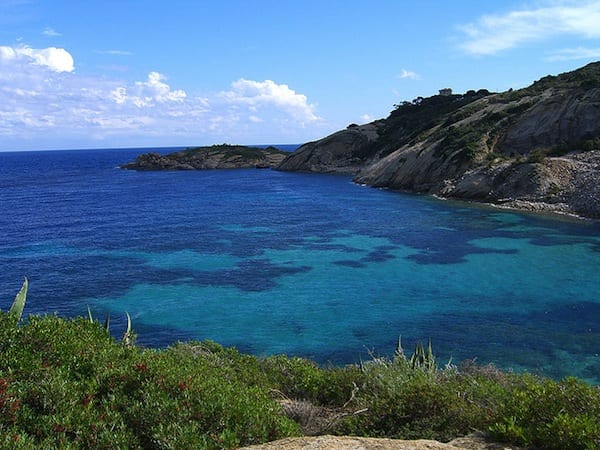
The Tuscan island of Giglio’s name is a testament to its long history. Though “Giglio” means lily in Italian, it’s name comes from Aegilium, a Latin translation from the Greek word for “little goat” Photo by Patrik Tschudin
The second largest of the islands, think of the Tuscan island of Giglio as Elba’s younger sister, often overlooked for Elba but with just as large an offering. Though now it’s perhaps most known as the place where the Costa Concordia cruise liner sank in 2012, Giglio still has a lot to offer. The ferry will take you to the Giglio Port on the east side of the island, a perfect starting point. From here you can hire boats, tours and rent snorkeling or scuba diving equipment, or simply explore the restaurants and bars that line the seaside!
The Island of Giglio is famed for its beautiful beaches, scenic hiking spots, and medieval hilltop town. One of the most popular beaches is Campese, where you can also see the historic Medici coastal tower. Inland trails and locations like Punta Capel Rosso offer spectacular views, and many visitors take boat excursions around the island’s coves.
How to get there:
To reach Giglio, regular ferries run from Porto Santo Stefano to Giglio Porto operated by companies such as Maregiglio and Toremar. The crossing from the mainland to Giglio is about 16 nautical miles and takes from roughly 30 to 60 minutes depending on the vessel and sea conditions.
There is no direct public ferry from Elba to Giglio, so if you’re coming from Elba you would first return to the Tuscan mainland and then proceed to Porto Santo Stefano.
The Island of Capraia
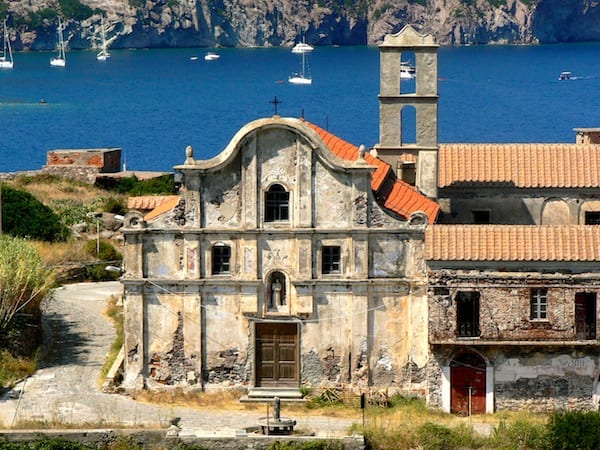
The island’s population of about 400 people have kept Capraia’s original characteristics nearly completely unaltered. Photo by Roberto Venturini
This tiny island of just 390 people has at one time or another been ruled by Greece, Genoa, Sardinia, Saracen pirates from North Africa and even Napoleon!
While all of the islands off Tuscany are still relatively wild compared to the cultivated and settled islands like Corsica and Sardinia, Capraia’s coastline and landscape is perhaps the most dramatic with high cliffs, isolated beaches and untouched inland terrain that is perfect for hiking or biking. In the south you can even find traces of an ancient, now-extinct volcano.
The crystal clear water that surrounds Capraia makes it very popular for snorkelers or scuba divers who want to view the abundant marine life or explore underwater archeological sites.
How to get there:
You can reach the island of Capraia by ferry from Livorno, with services operated by companies such as Moby and Toremar.
The crossing takes around 1.5 to 3 hours depending on the vessel and sea conditions. Ferry frequency varies by season, daily in the warmer months and more limited in winter. So, be sure to check the schedule carefully, especially if you’re planning a same-day return.
At present, there is no regular public ferry connecting Gorgona and Capraia.
The Island of Montecristo
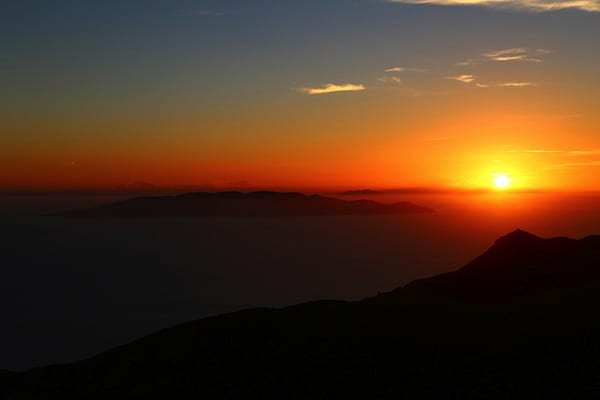
Though it’s nearly impossible to visit Montecristo Island, travelers can get a glimpse of the large rock from nearby Pianosa or Giglio. Photo by Pietro Addamo
Montecristo is perhaps most famous from Alexander Dumas’ book, The Count of Monte Cristo, written in 1844, supposedly after Dumas fell in love with the small island after a visit in 1842.
Montecristo is the most pristine and remote of the Tuscan islands. The island was home to a community of monks until the sixteenth century where they thrived on the beautiful land, living in nearly complete seclusion for decades. In 1971 Montecristo became a nature reserve and is now closed to boats and tourists without a special, very reserved permit to protect the island’s fragile ecosystem.
How to get there:
Visiting Montecristo is highly restricted, as the island is one of the most protected nature reserves in Italy. Access is granted only by special permit issued through the Tuscan Archipelago National Park, and places are extremely limited.
Only a small number of visitors are allowed to land on the island on designated days, and activities such as swimming, fishing, and camping are strictly prohibited. Because demand exceeds availability, permits often require advance application and may involve a long wait.
If you hope to visit, you must request authorization directly from the park authorities, who can provide up-to-date rules, quotas, and procedures.
The Island of Pianosa
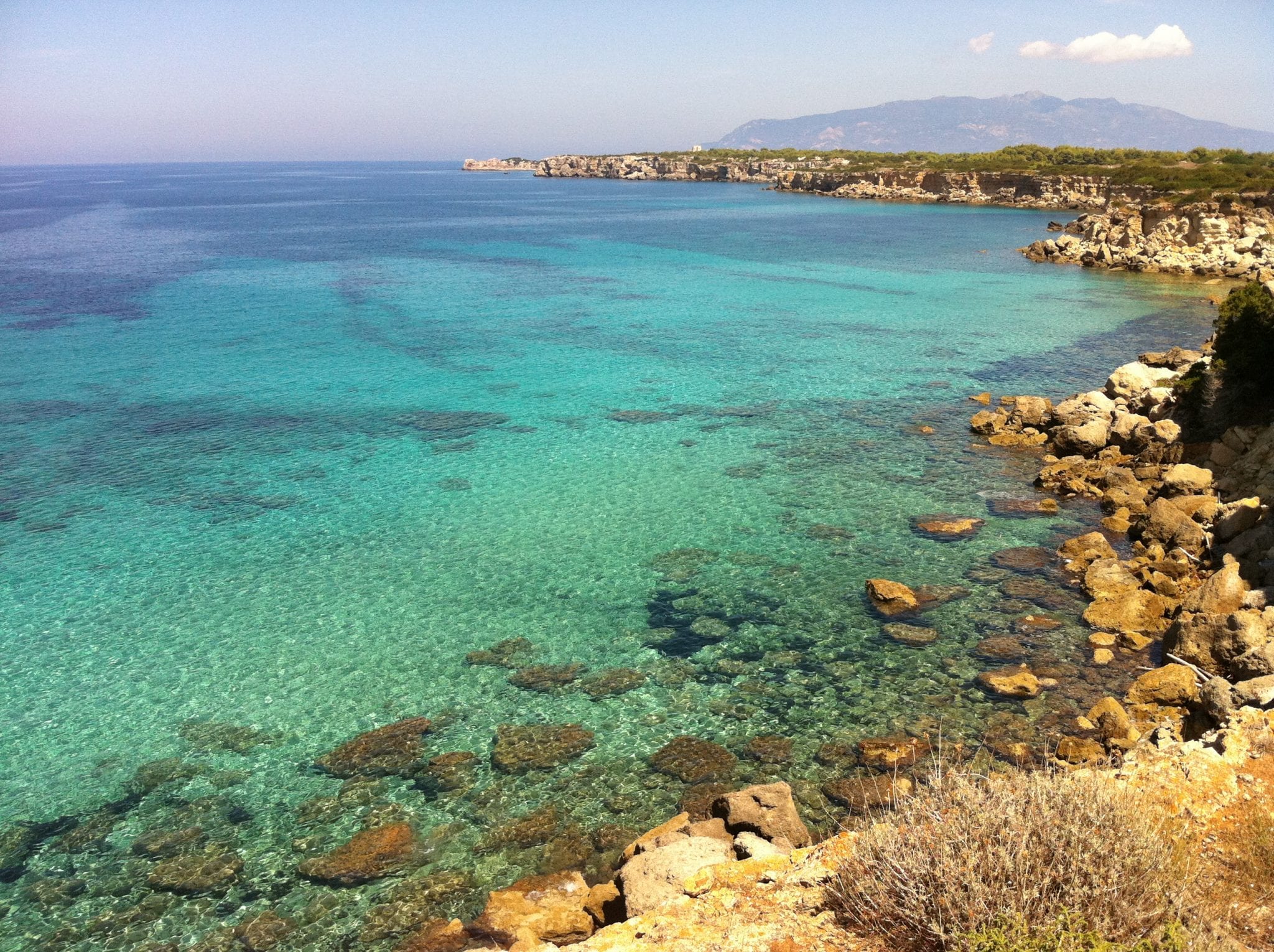
Pianosa. Photo by Gina Mussio
Just 14 km from Elba, Pianosa is the lowest island of the Tuscan archipelago, rising just 29 meters above sea level. In fact, it’s the extreme flatness of the island that gives it its name, piano meaning flat in Italian.
Apart from Montecristo, Pianosa is the most secluded island. It’s been closed to the public since 1858 when it was used as an agricultural penal colony. In 1970 the penal prison upgraded to a maximum-security prison until it closed in 1998.
Don’t let the rough history deter you, the isolation of the island protected its particular micro-ecosystem, allowing the flora and fauna to truly take control. Only 250 visitors are allowed daily to sunbath on the Cala Giovanna beach, snorkel in the crystal-blue water or take guided biking or walking tours throughout the island, but the permission is received rather easily and is well worth it!
How to Get There:
Access to Pianosa is strictly regulated as part of the Tuscan Archipelago National Park, so visits are only permitted through authorized tour operators. These agencies arrange both the landing permits and the boat transportation, usually offering seasonal day trips from Elba or nearby Tuscan ports.
Since independent travel isn’t allowed and places are limited, it’s essential to book well in advance and confirm departure points and schedules directly with the agency running your chosen tour.
The Island of Gorgona
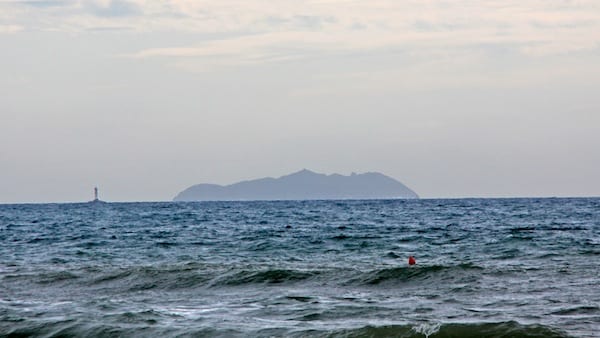
On clear days you can even see the island of Gorgona from the coast. Photo by Guillaume Baviere
Tiny Gorgona is the northernmost island and just a dot on the map in the Ligurian Sea. Largely uninhabited, the penal establishment on the island means it can only be visited with a guide and with a series of controls at least fifteen days before the trip. Though a jewel, this is a largely prohibited island.
So why visit a prison island? Because with a population of just 300 the island is a natural paradise. Go to see the rugged coastline and spectacular coves. Swim in the pure, uncontaminated water and enjoy the all-but private beaches. During your guided tour you’ll walk the island, have a picnic, swim in the crystal clear waters and cruise around the island on a small boat.
How to get there:
To visit the Island of Gorgona, access is highly restricted because the island lies within the Tuscan Archipelago National Park and is home to a penal colony. Public visits are only possible through organized, guided tours arranged by licensed operators, and independent travel is not permitted.
Limited tour boats typically depart from Livorno or nearby ports during the spring and summer season, weather permitting, with specific dates and times set by the park and tour companies.
The Island of Giannutri
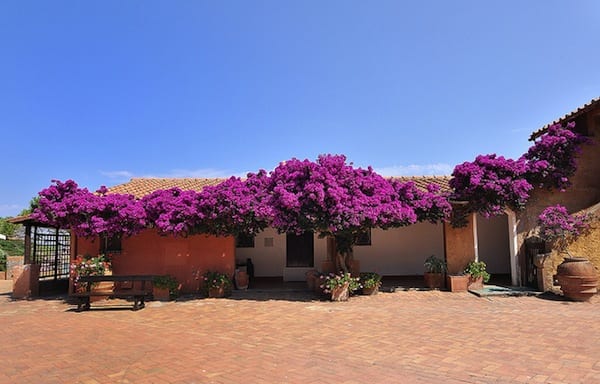
Giannutri island’s half-moon shape is said to have inspired the ancient civilizations that ruled there but inspiration can be found easily in the island’s incredible landscape. Photo by Simonetta Viterbi
Just slightly larger than Gorgona, Giannutri is the southernmost Tuscan island. Giannutri is a mainly rocky island with just short stretches of sandy beach in the north. Go instead to scuba dive or explore the wild coastline by sea kayak. After, head inland to explore the Roman ruins from the first century A.D. You can explore the ruins of the villa Agrippa where Emperor Nero’s family once lived, those of a Roman temple and the original Roman port.
Scuba divers can spend hours exploring the wrecks of Roman ships in the crystal clear water but be sure to visit the blue water grottos, it’s said Cala dei Grottone is the most beautiful.
How to Get There:
Giannutri, the southernmost island of the Tuscan Archipelago, is most commonly reached by boat from Porto Santo Stefano on the Tuscan mainland, with seasonal ferries and excursion boats running primarily in spring and summer.
During the high season, some operators also offer combined trips to Giannutri from nearby islands like Giglio, but these are usually part of summer schedules and should be confirmed in advance.
Giannutri does not have a year-round public ferry like Elba or Capraia, so it’s best to check current timetables and book ahead if you’re planning a visit.
FAQ´s – Visiting the Tuscan Islands
What can I do on the Island of Elba and the other Tuscan islands?
Elba is known for its beaches, hiking trails, Napoleon’s residences, and charming coastal towns. Other islands offer nature-focused activities: Capraia is great for trekking and wildlife, Giannutri has beautiful snorkeling spots, and Pianosa offers guided history and nature tours. Each island has its own character, so you can choose between beaches, hiking, history, or quiet escapes.
Can I stay overnight on the Tuscan Islands?
Yes, The Island of Elba, Giglio, and Capraia all offer a range of accommodation options, from seaside hotels to B&Bs and holiday apartments. However, some islands have restrictions: Pianosa and Gorgona only allow day visits, and Montecristo is completely off-limits for overnight stays. If you’re planning a summer visit, book well in advance, as rooms on the smaller islands fill quickly.
What food and drink can I expect on the islands?
Local cuisine on the Tuscan Islands is simple, fresh, and seafood-focused. On Elba and Giglio you’ll find dishes like grilled fish, seafood pasta, and traditional island specialties such as stoccafisso, cacciucco, and local wines. Smaller islands with limited access, like Capraia or Giannutri, may have only a handful of cafés or seasonal restaurants, so it’s wise to check opening hours or bring snacks if you’re on a day trip.
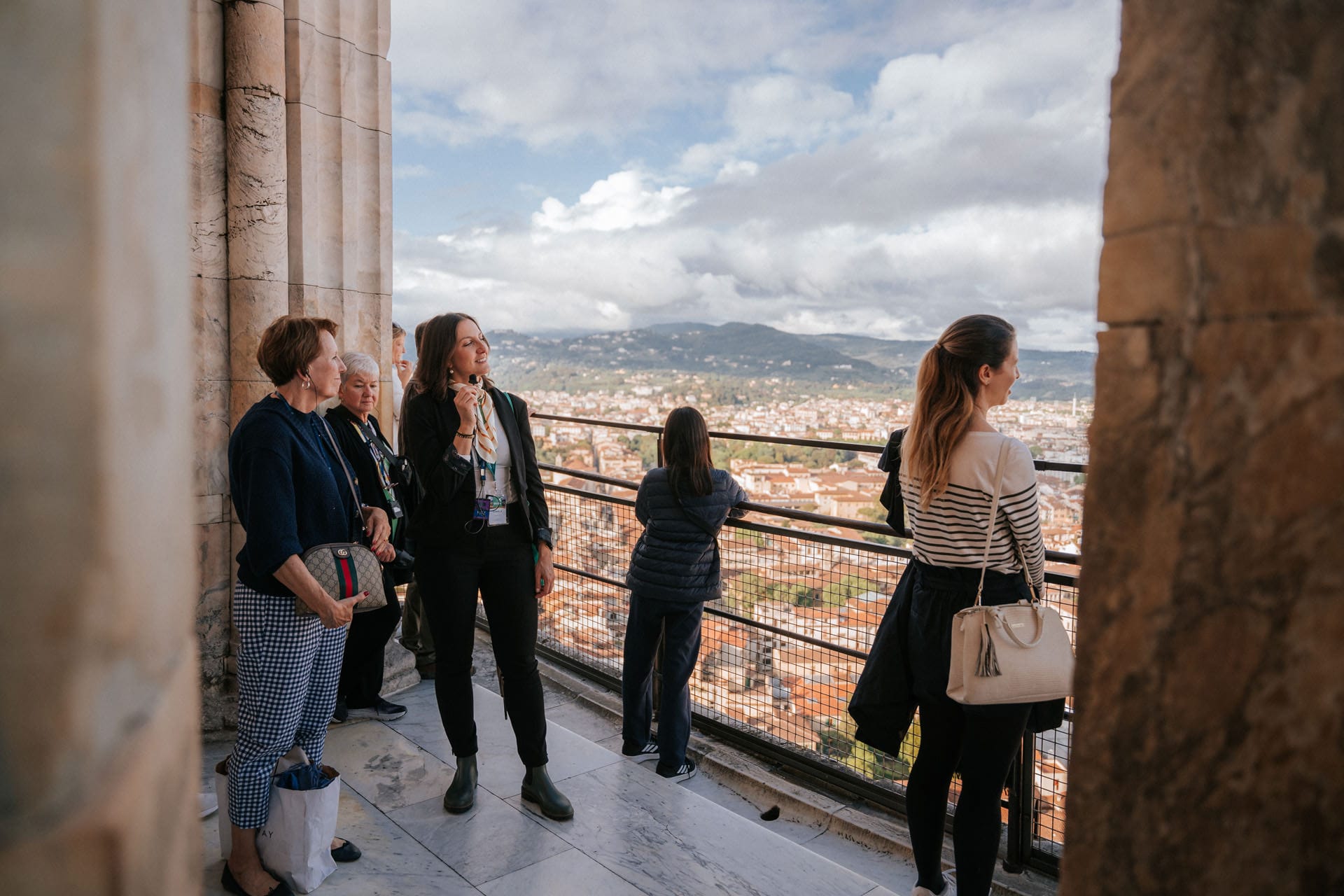
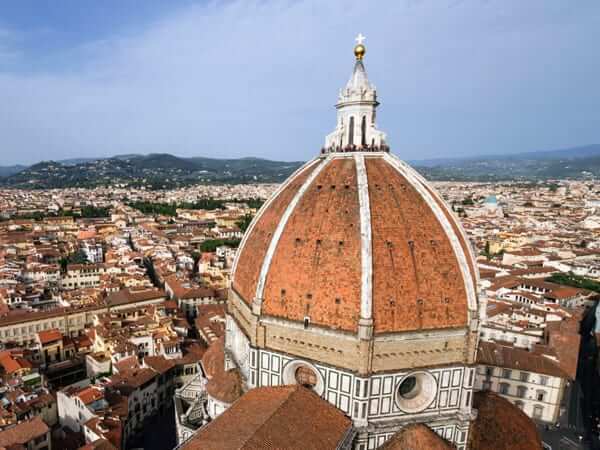
The breathtaking view of Florence’s terracotta rooftops and surrounding hills from the dome’s summit!
Plan the Perfect Escape: Florence + The Tuscan Islands
Why choose between art, culture, and crystal-clear seas when you can have it all?
Start your adventure in Florence, exploring its masterpieces with a guided tour, then continue the magic with a relaxing island getaway to Elba or the stunning Tuscan Archipelago. With easy connections from Florence to the ferry ports, it’s the perfect way to blend culture and coastline into one unforgettable trip.

Book a Tour

Pristine Sistine - The Chapel at its Best
€89

1794 reviews

Premium Colosseum Tour with Roman Forum Palatine Hill
€56
850 reviews
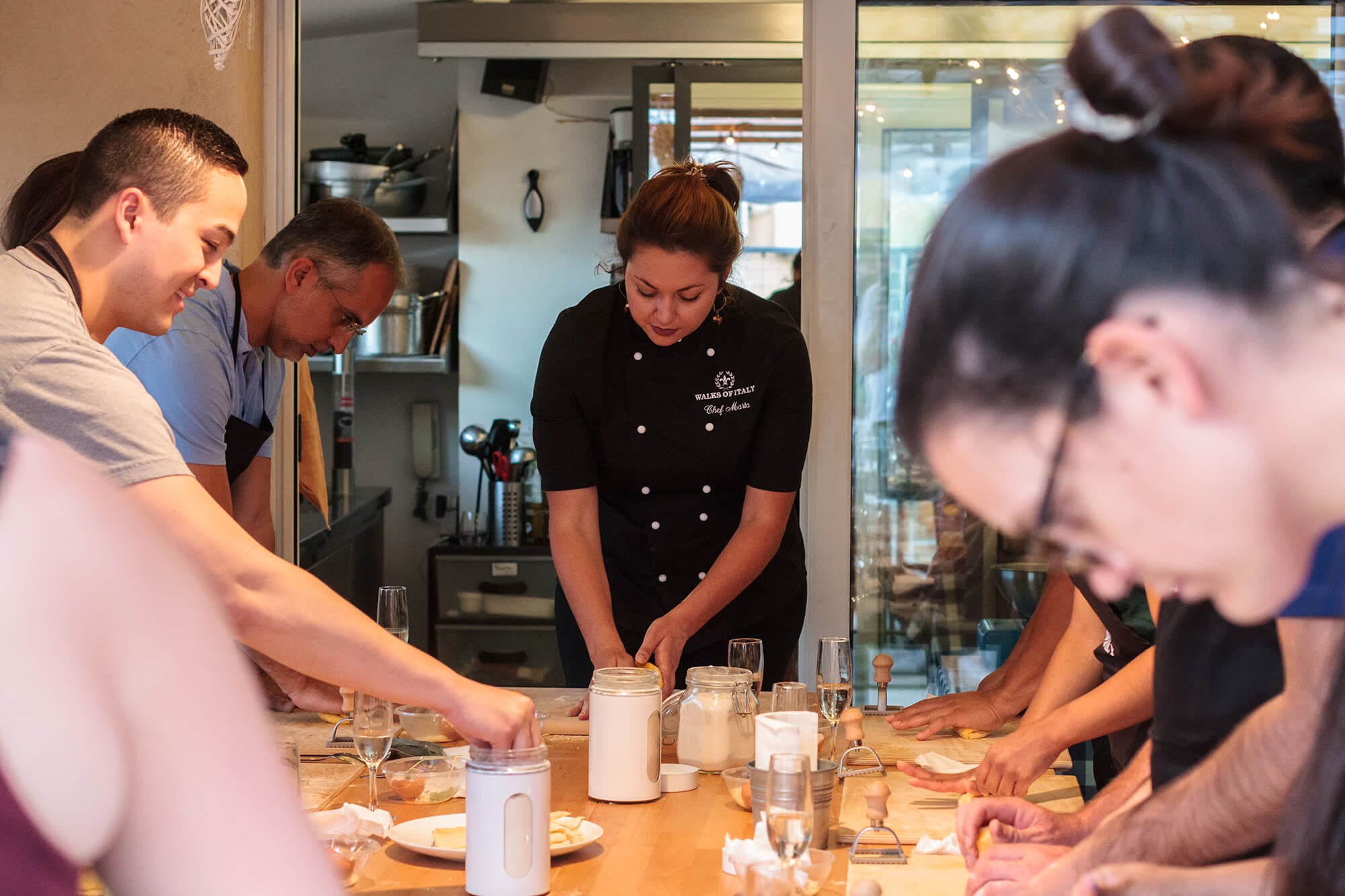
Pasta-Making Class: Cook, Dine Drink Wine with a Local Chef
€64
121 reviews

Crypts, Bones Catacombs: Underground Tour of Rome
€69
401 reviews

VIP Doge's Palace Secret Passages Tour
€79
18 reviews

Legendary Venice: St. Mark's Basilica, Terrace Doge's Palace
€69
286 reviews
You May Also Like
Follow us
Stay up to date with travel tips, local insights and all things Italy on our social channels!


Subscribe to our Newsletter
Get curated Italy travel tips delivered to your inbox!

