

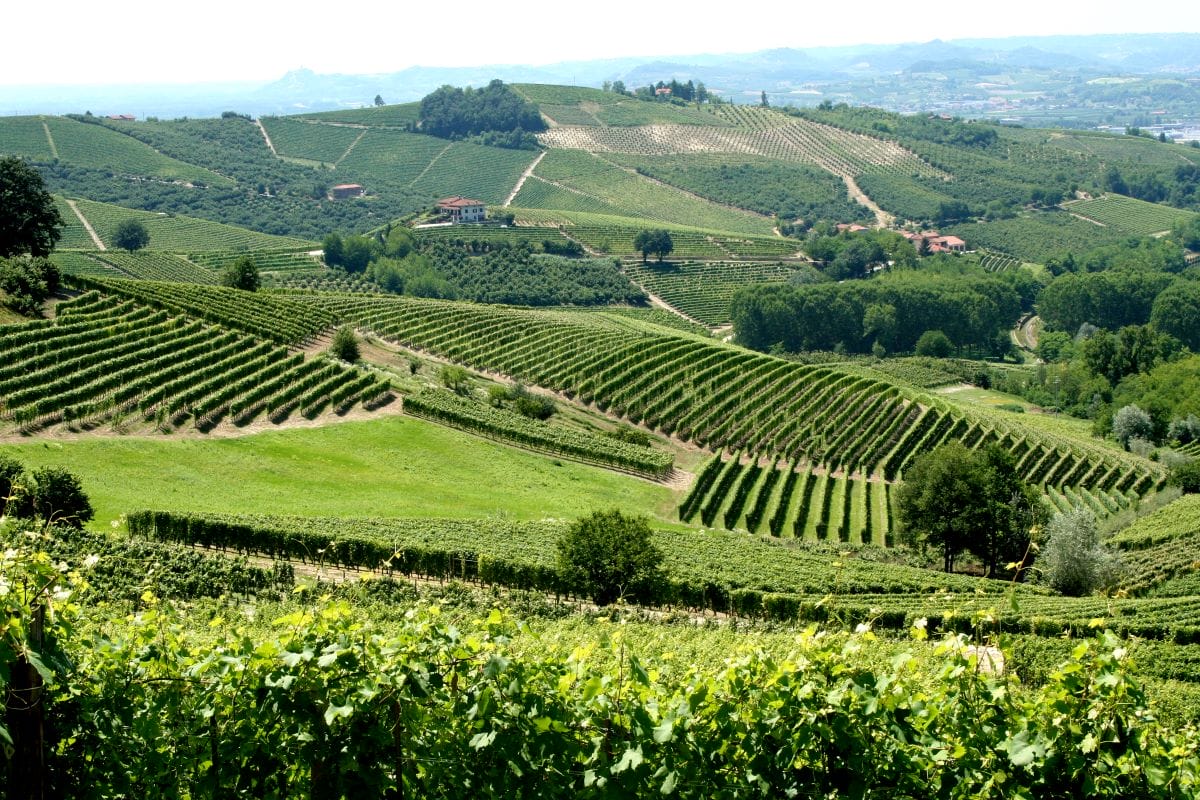
A trip to Lombardy doesn’t only mean a stop in the fashion capital of Milan, you’re also in the perfect place to sip on Italy’s best sparkling wines. And, where high-end fashion is born, there’s only space for high-end sparkling wines, like the Franciacorta and Oltrepò Pavese metodo classico wines – what some might describe as the “champagne” of Italy. However, if you are not into the bubbles, don’t worry! This region is hiding lots of red and white wines that are sure to impress even the pickiest of wine lovers. Keep reading to learn more about Lombardy wines!
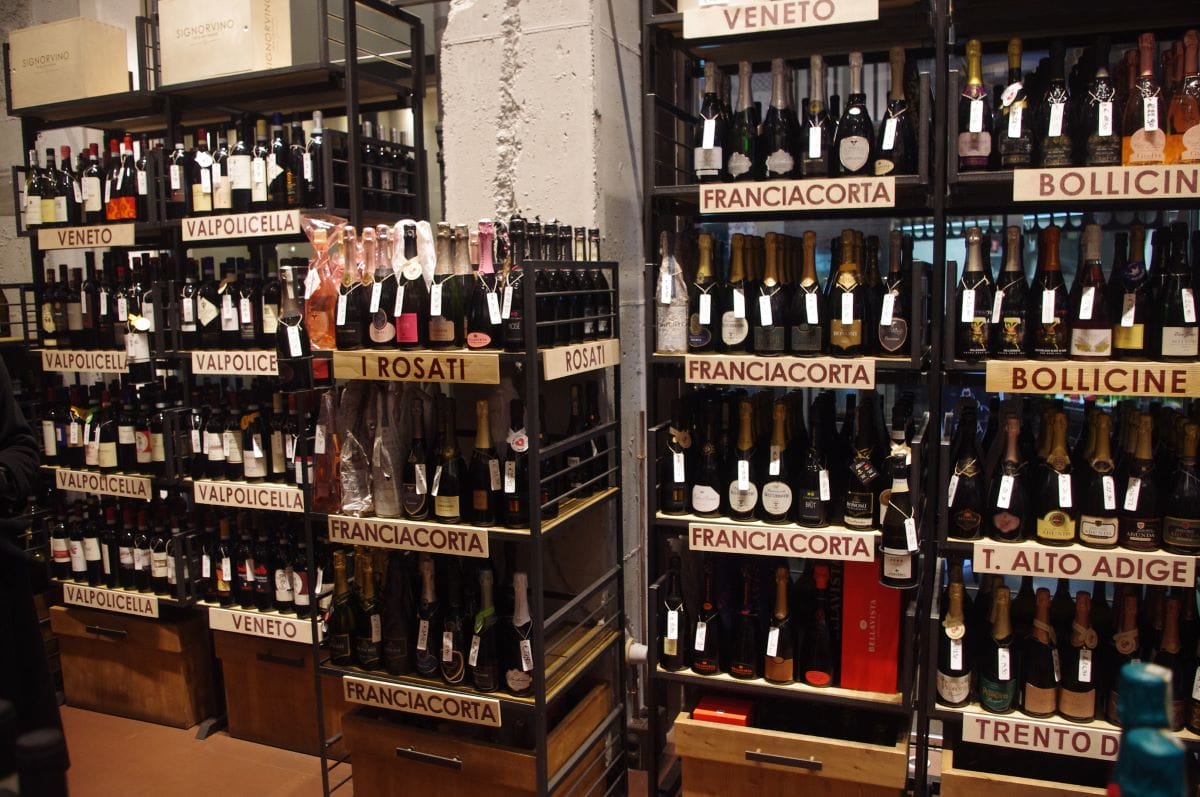
Red, white, or sparkling, the enotecas in Northern Italy are an amazing place to taste local wines before you buy a bottle. Photo credit: flickr
History of Lombardy Wines
While Lombardy might not be first on your radar for historic wines, grapes have been cultivated here since the Bronze Age. Etruscans and Romans helped care for and develop the region’s wines. Those of Valtellina and the area surrounding the beautiful lake town of Sirmione were the most sought-after.
For many centuries following the collapse of Rome, wine cultivation took a back seat, but under the monks and religious orders of the Middle Ages, the vineyards were revived.
Later the arrival of French grape varieties (thank you, Napoleon) created a new vision for the wines of Lombardy. This made way for some of the most excellent sparkling wines in Northern Italy.
Insider’s tip: One of our favorite places to enjoy a local sparkling wine in Milan is located in the romantic alleys of Brera— N’Ombra de Vin.
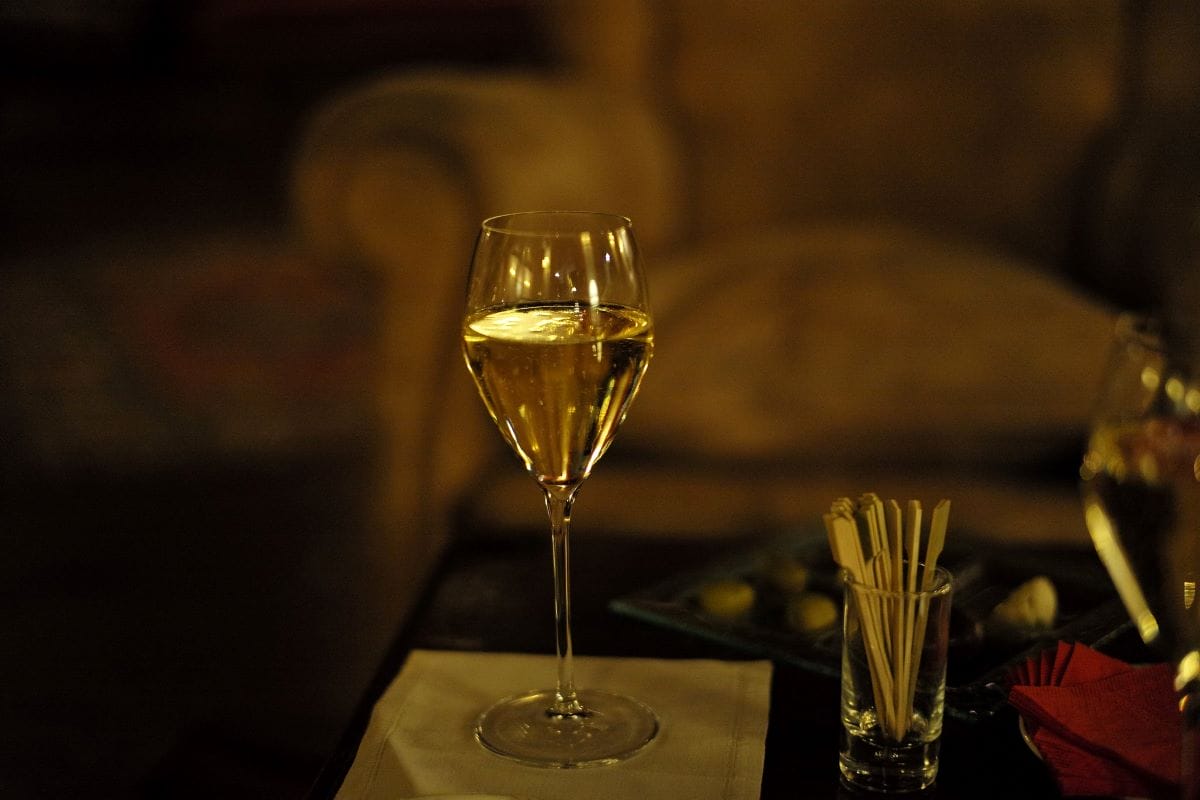
Nothing is better than sipping a nice cold glass of sparkling wine after a day of exploring. Photo credit: R Boed
The Grapes of Lombardy
Lombardy offers wine lovers a diverse selection of grapes made up of a mix of international varieties and local ones. International varieties such as Pinot Nero and Chardonnay has brought the region huge success with sparkling wine. Instead, local grapes create a truly unique wine scene within Italy.
Turbiana
The local white wine grape which makes Lugana wine so fantastic, Turbiana is considered close to Verdicchio, resulting in wines with a rich body and high acidity. This grape loves oak and lengthy aging. Take a bottle home with you for your cellar!
Chardonnay
One of the most planted grapes in Lombardy, it is used in sparkling wine production throughout the region.
Croatina
A favorite during the Middle Ages, Croatina is a native grape that happens to be one of the most ancient in the region. The grape produces wine with spicy notes and just a light tannic bite.
Pinot Nero
Another of the most planted grape varieties in Lombardy, Pinot Nero is used in the regional sparkling wines, and a delicious dry version within the Oltrepò area.
Nebbiolo
Known for it’s noble wines in Piedmont, Nebbiolo (also known as Chiavennasca) has been growing for centuries. The mountains of Valtellina are the only location out of Piedmont where Nebbiolo thrives.
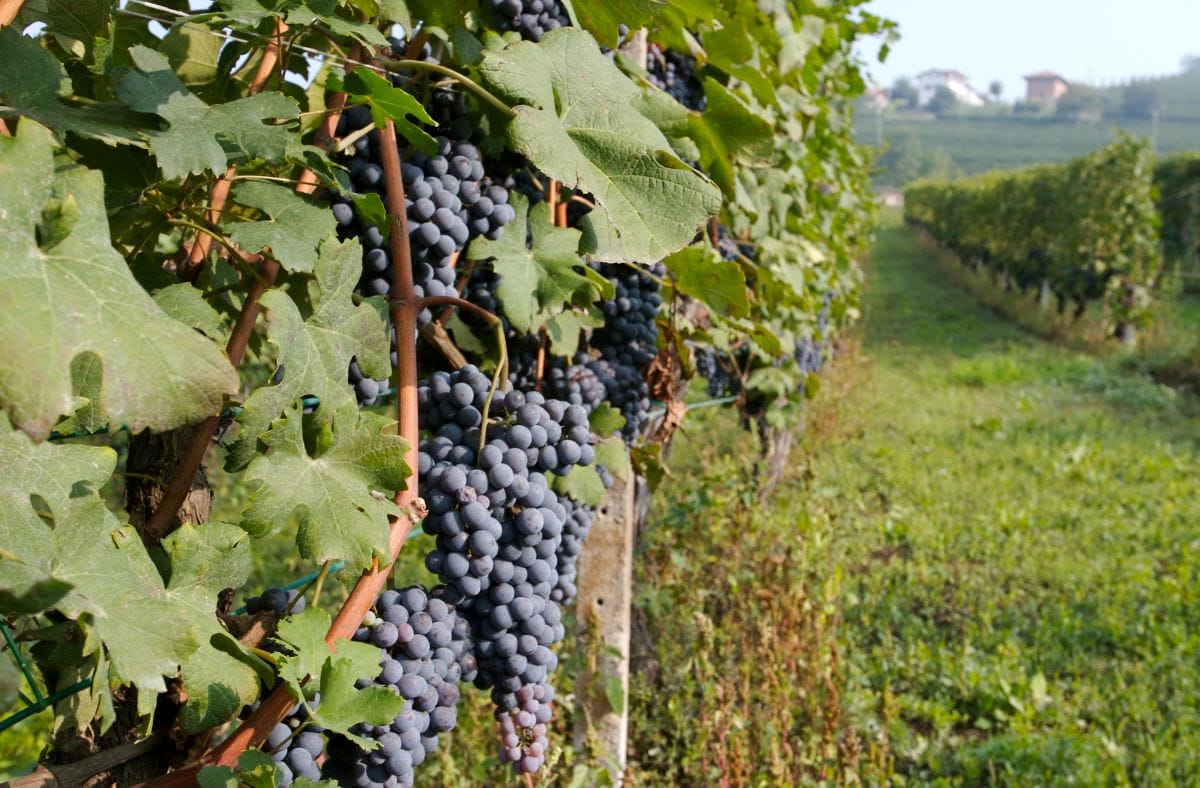
Nebbiolo is thought to derive its name from the Italian word for fog, referencing the deep fog that sets into the mountains during the fall harvest. Photo credit: Farbfoto
Franciacorta DOCG
Don’t miss a sip of bubbly Franciacorta on your next trip to Lombardy. While wine production has been present in the area since the 13th century, the elegant bubbles we love are all thanks to the Berlucchi family. Their wine family began experimenting with metodo classico sparkling wines from international grapes like Pinot Bianco, Pinot Nero, and Chardonnay. The results were beautiful. It turns out the mineral-rich soils of the area cultivated elegant wine grapes.
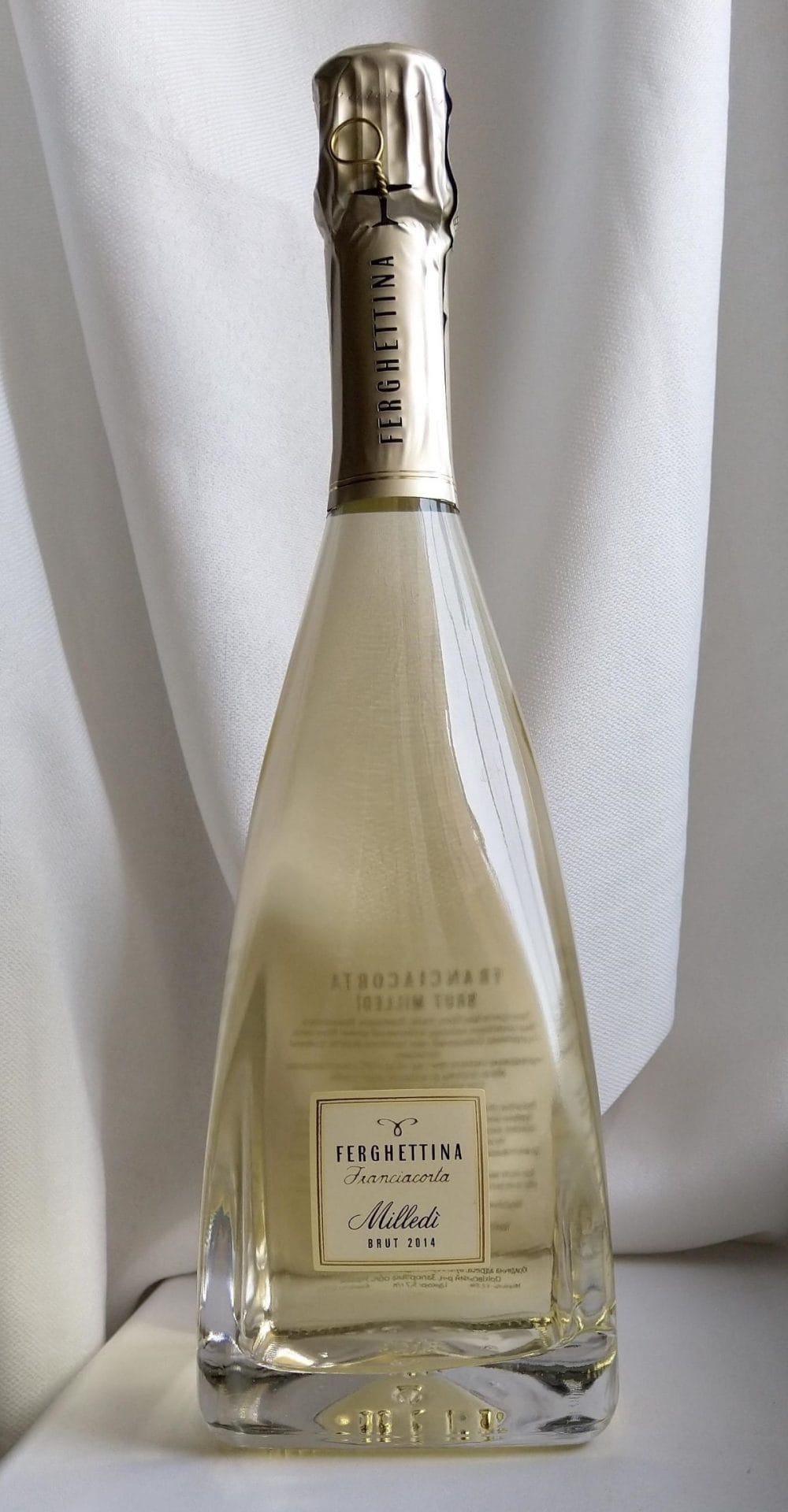
Franciacorta’s hilly landscape and proximity to Lake Iseo make the region ideal for wine production. Photo credit:Wikipedia
What is Metodo Classico?
Metodo classico is a production method for sparkling wines, also known in some areas as the champagne method. For our favorite dry wines to become sparkling, they go through a second fermentation to develop those fine bubbles. There are two primary ways to do this – the tank method, used for Prosecco, and the metodo classico.
In the metodo classico, the second fermentation occurs in the bottle over a long period of time. It is a tradition that takes patience and care. Bottles are filled with dry wine, and an extra bit of sugar and yeast, they are then left upside down at a 45° angle. Every day the bottles are turned a quarter turn, for months.
Non-vintage Franciacorta remains in this fermentation for a minimum of 18 months, while vintage bottles require a minimum of 30 months and riserva reaches a minimum of 60 months.
This slow fermentation and aging allows elegant bubbles to come to life, and add extra rich layers of aroma and flavor. Take a sip of your glass and be blown away by rich notes of crispy brioche and white flowers.
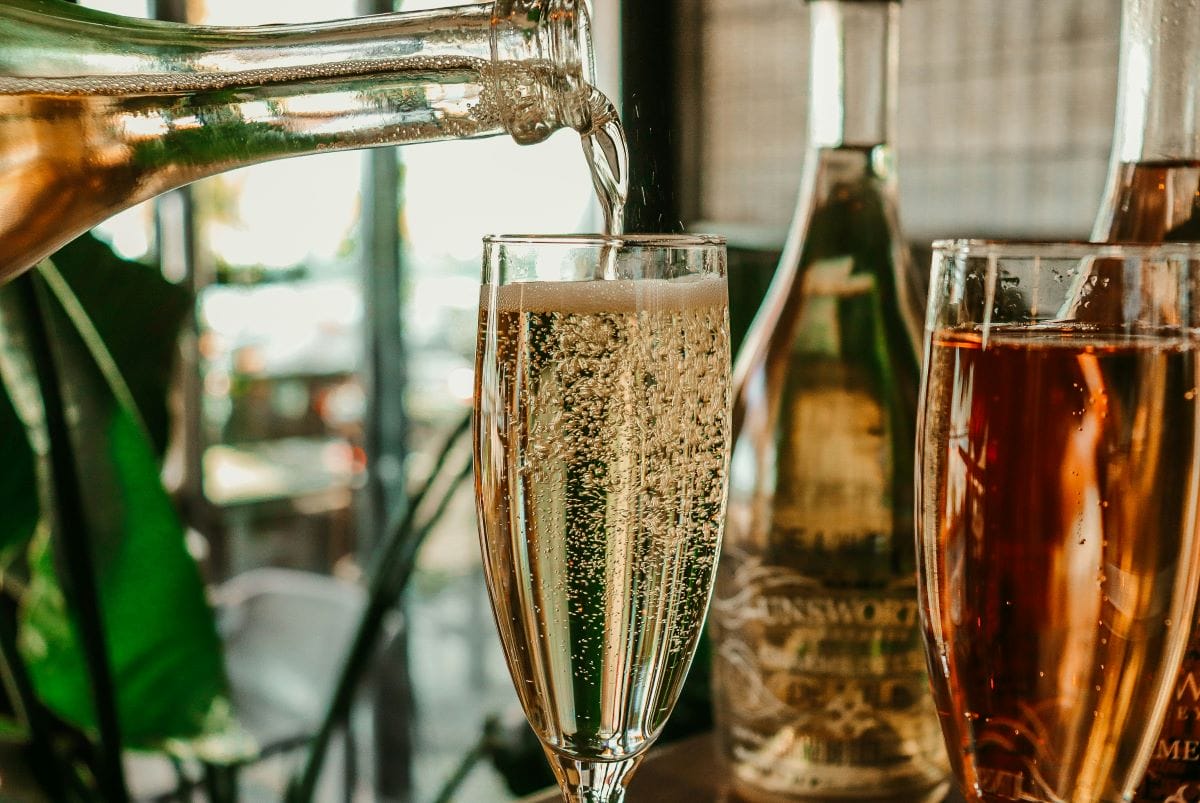
You really can’t go wrong with a sparkling wine from any Lombardy winery. Photo credit: Aleisha Kalina
Oltrepò Pavese
The largest wine production area in Lombardy, Oltrepò Pavese has taken on the name as the stronghold of Italian Pinot Nero. Here you’ll find a variety of still and sparkling wines.
Oltrepò Pavese Metodo Classico DOCG
Another elegant bottle of Lombardy wines, made with metodo classico. These wines are primarily made with Pinot Nero, with a small addition of Chardonnay, Pinot Bianco, or Pinot Grigio. These wines spend a minimum of 15 months in their second fermentation.
Pinot Nero dell’Oltrepò Pavese DOC
For your classic still Pinot Nero, look out for this appellation. This easy-drinking wine is marked by red fruit aromas with licorice and undergrowth notes. A great wine for an evening aperitivo and to be paired with dinner.
Buttafuoco DOC
To try a blended wine from local grapes, look out for this appellation. Buttafuoco is a dry red Lombardy wine. The wines are based primarily on a base of Croatina or Barbera, with the addition of native Uva Rara. The result is a full-bodied red wine with an excellent structure and tannic character.
Traveler’s tip: Looking to expand your Italian wine-tasting adventures? Check out our guide on How to Enjoy the Best Italian Wines in Rome, Venice & Florence.
Valtellina
High above Milan, in the Alpine valleys of Lombardy, you’ll find the Valtellina region. It is here in steep terraces that Nebbiolo is cultivated. These wines have long been treasured since the Romans.
Sforzato DOCG
A wine similar to the Ripasso of Valpolicella in Veneto. To make this wine, ripe clusters of Nebbiolo are hand-picked and then allowed to dry. This concentrates their sugars, and after months of drying, they are vinified to create a dry red wine.
Take a sip and you’ll enjoy flavors of dried fruit, spices, and tobacco notes.
Valtellina Superiore DOCG
Often a 100% Nebbiolo (it needs to be 90% at least), Valtellina Superiore spends two years refining (with aat least one year in oak). This is not your average heavy Baroloa – this is a refreshing, yet elegant, variation on Nebbiolo.
The wines are pale in color, with notes of dried roses, leather, and a tinge of spices. If you’ve been wary of Nebbiolo in the past, try a sip of a Valtellina, you’ll find it much more approachable than most. This is one of the best Lombardy wines to pair with your dinner of braised beef and polenta.
If you are looking for the lightest version, look for the Valgella subzone listed on the wine label. Instead, if you are hoping to bring a few bottles home to age, look for Inferno or Grumello subzones.
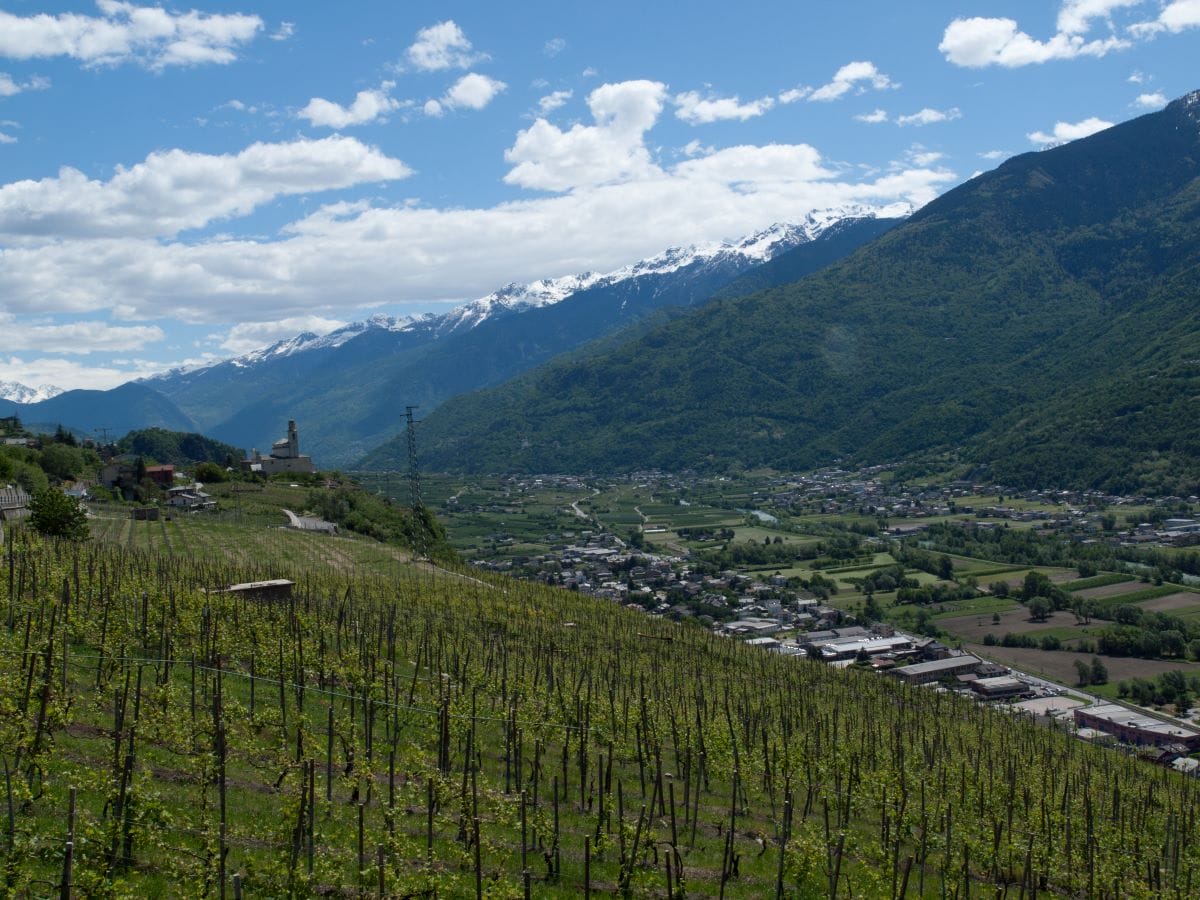
Located in the Alpine valleys of Lombardy, the Valtellina vineyards produce some of the best wines in the region. Photo credit: Franco Folini
Garda
The valley and breezes of Lago di Garda create a beautiful location for the cultivation of Lombardy wines. It is here you’ll finally find a white wine to switch up your aperitivo drink of choice.
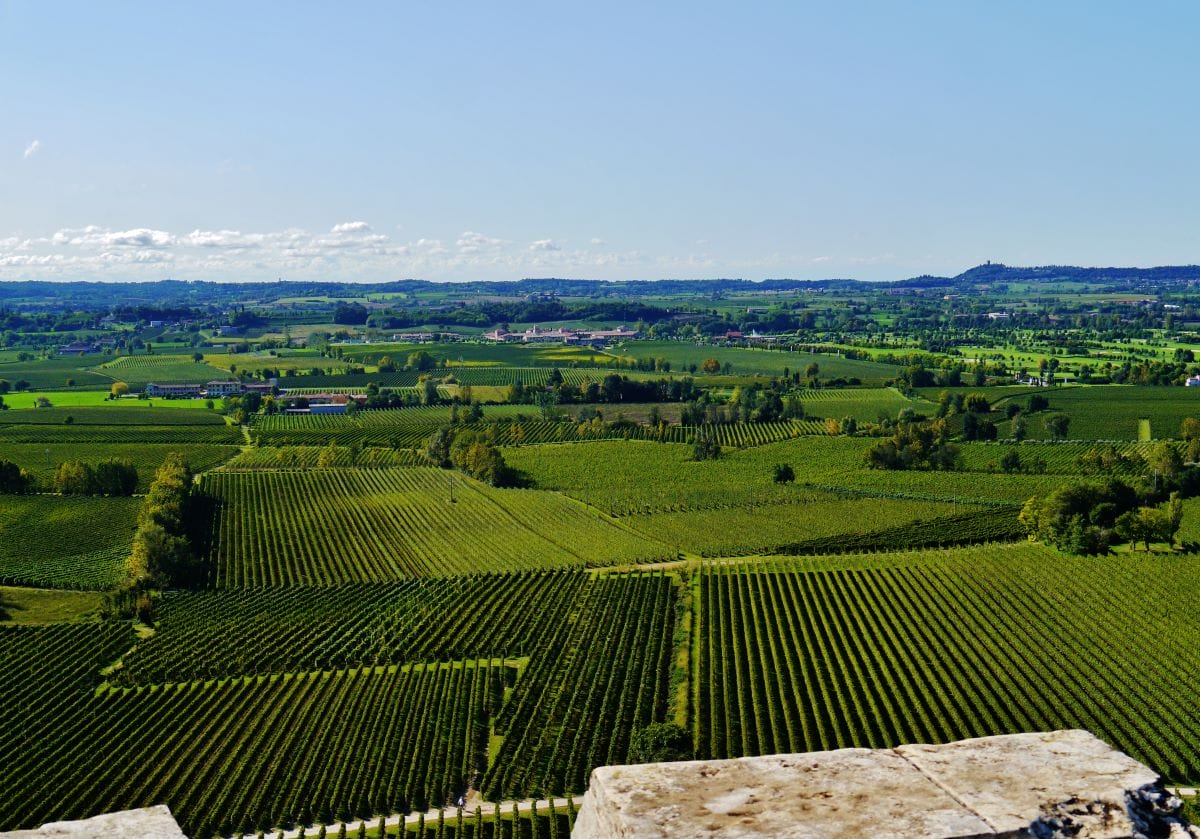
Although most visitors to the area are focused on the gorgeous lake itself, the vineyards on the southern part of Lake Garda are spectacular. Photo credit: Zairon
Lugana DOC
Lugana is the still white wine of Lombardy. Produced with the same carefree and effortlessly chic attitude of the Lakes region. Lugana is produced primarily with the native Turbiana grape.
Take a sip and enjoy refreshing acidity, crisp mineral elements, and complex aromas that continue to develop with aging. You’ll notice notes of white flowers, apples, and a back flavor of flint, nuts, and sweet spices.
Unlike many white wines, Lugana you can also find in barrel-aged or barrel-fermented variations to try something very unique.
No matter what your style, Lombardy wines have something to offer everyone. Often overlooked as far as wine regions in Italy, Lombardy definitely delivers when it comes to sparkling, red, and white wines. What’s your favorite?
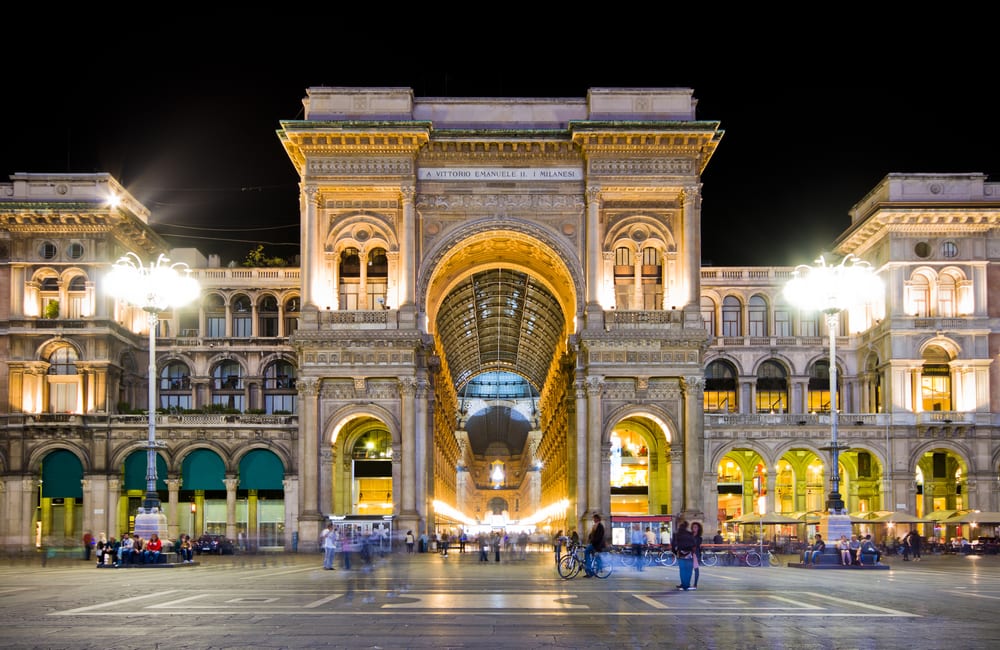
Milan, the capital of the region of Lombardy
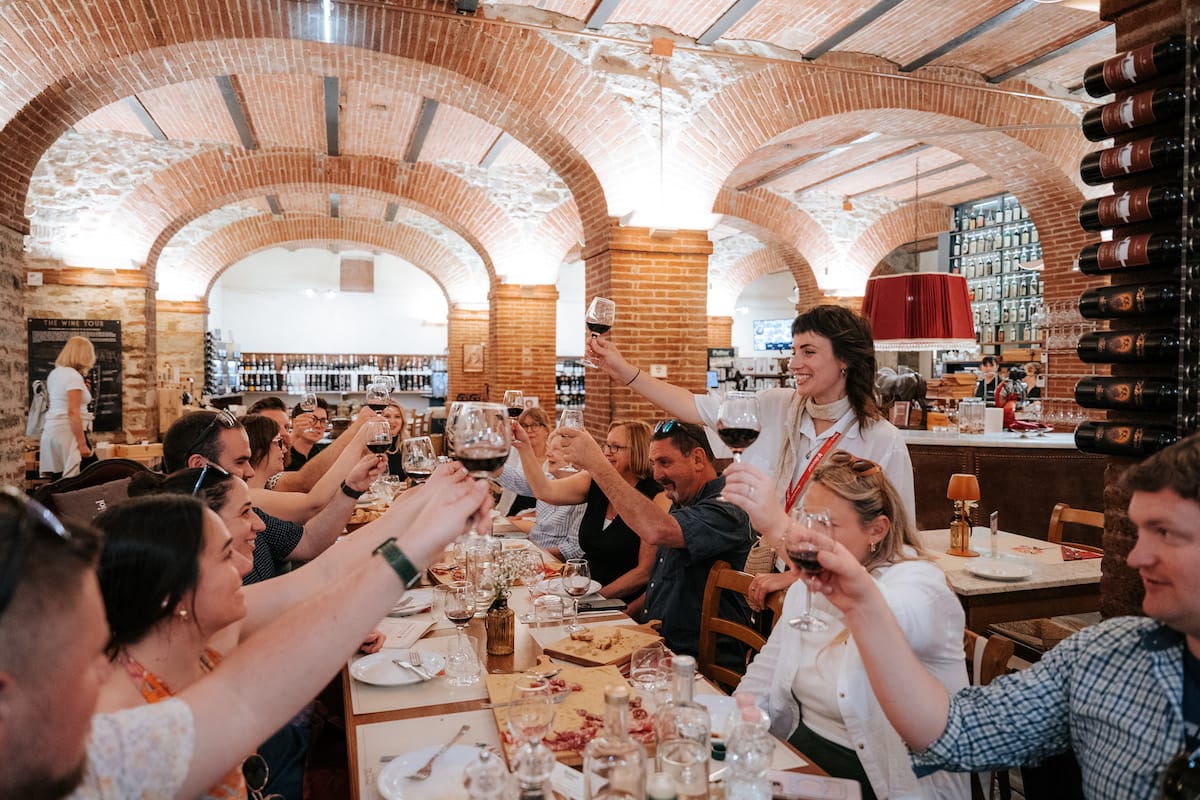
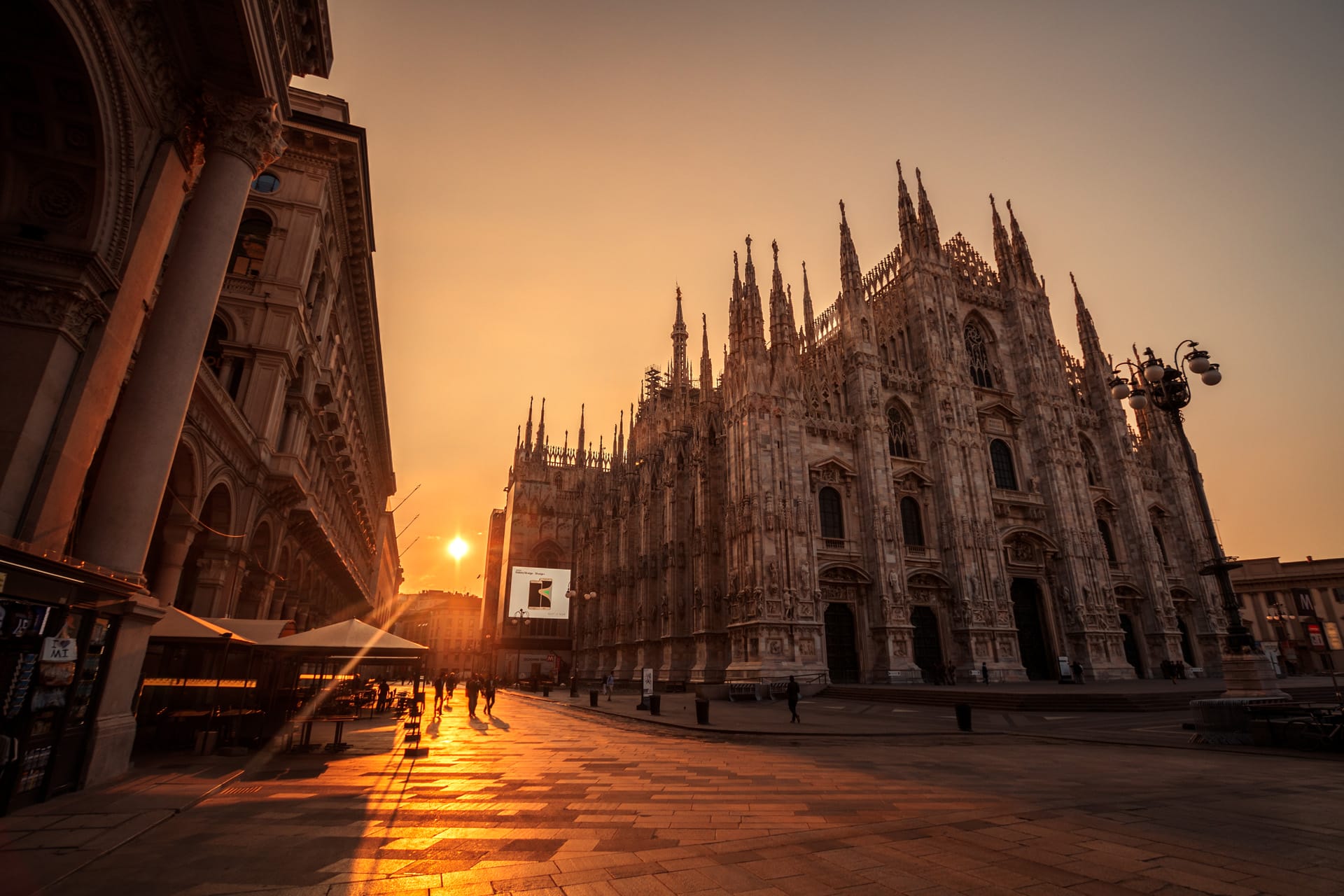
When you are finished traipsing around Lombardy’s wine region, why not explore more of Milan? Take a look at our best options, such as our Best of Milan: The Last Supper Tickets, Duomo and City Tour. Our expert guides will fill you in on all of the amazing history of this gorgeous region and its top sites.
Book a Tour

Pristine Sistine - The Chapel at its Best
€89

1794 reviews

Premium Colosseum Tour with Roman Forum Palatine Hill
€56
850 reviews
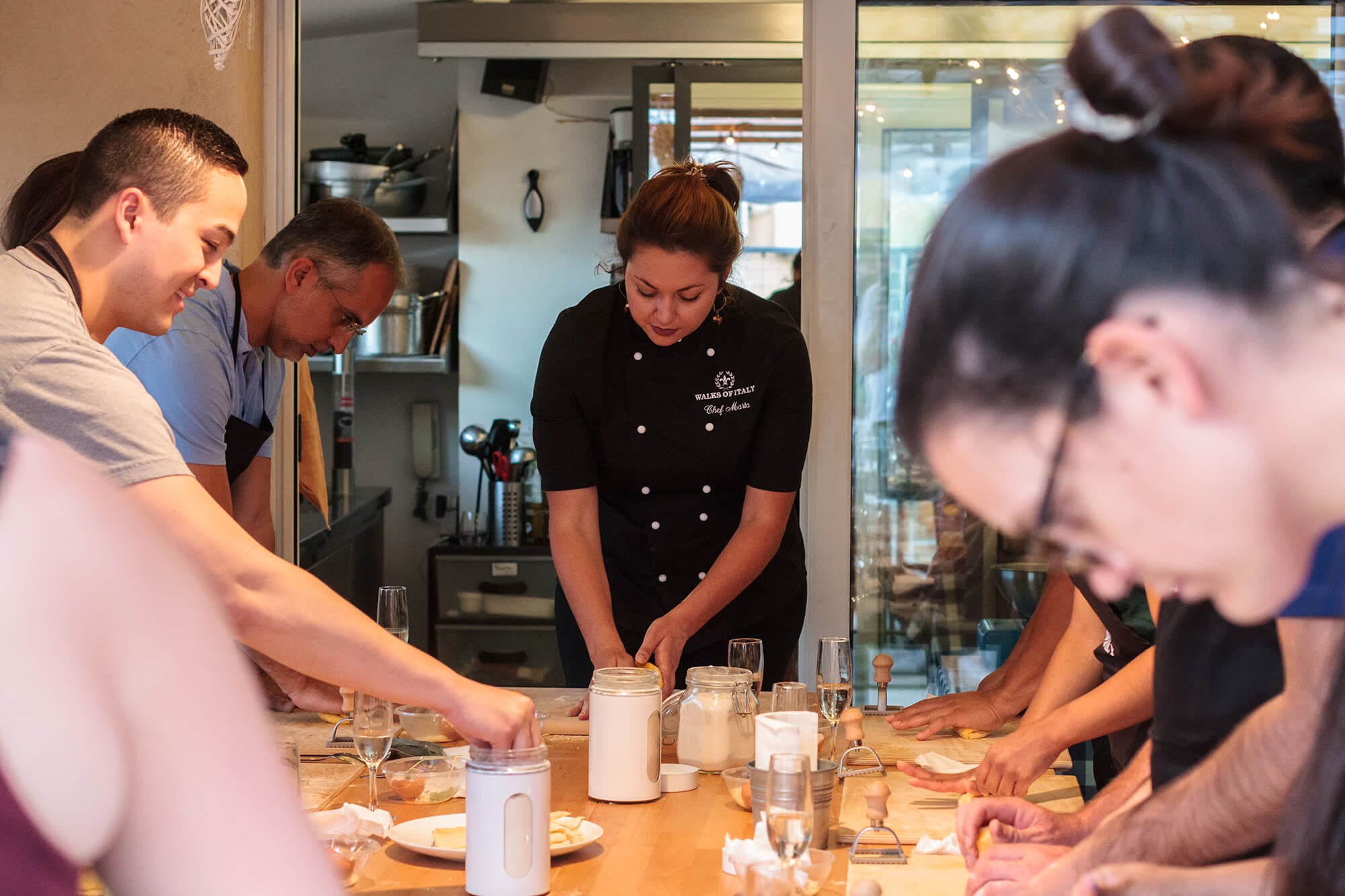
Pasta-Making Class: Cook, Dine Drink Wine with a Local Chef
€64
121 reviews

Crypts, Bones Catacombs: Underground Tour of Rome
€69
401 reviews

VIP Doge's Palace Secret Passages Tour
€79
18 reviews

Legendary Venice: St. Mark's Basilica, Terrace Doge's Palace
€69
286 reviews
Follow us
Stay up to date with travel tips, local insights and all things Italy on our social channels!


Subscribe to our Newsletter
Get curated Italy travel tips delivered to your inbox!

