

When Is the Best Time of Year to Visit Italy? A Month-by-Month Guide

July 6, 2026

Italy is one of those rare destinations that can be enjoyed at any time of year. From Renaissance masterpieces in Florence and ancient ruins in Rome to the canals of Venice and the vibrant streets of Naples, every season offers a different way to experience the country. The best time of year to visit Italy really depends on the kind of trip you’re planning…

  • Spring brings mild temperatures and blooming gardens, making it ideal for sightseeing.
  • Summer is perfect for long evenings, festivals and coastal escapes.
  • Autumn is a favourite among food lovers, thanks to harvest season.
  • Winter offers festive markets, quieter museums and some of the best travel deals.
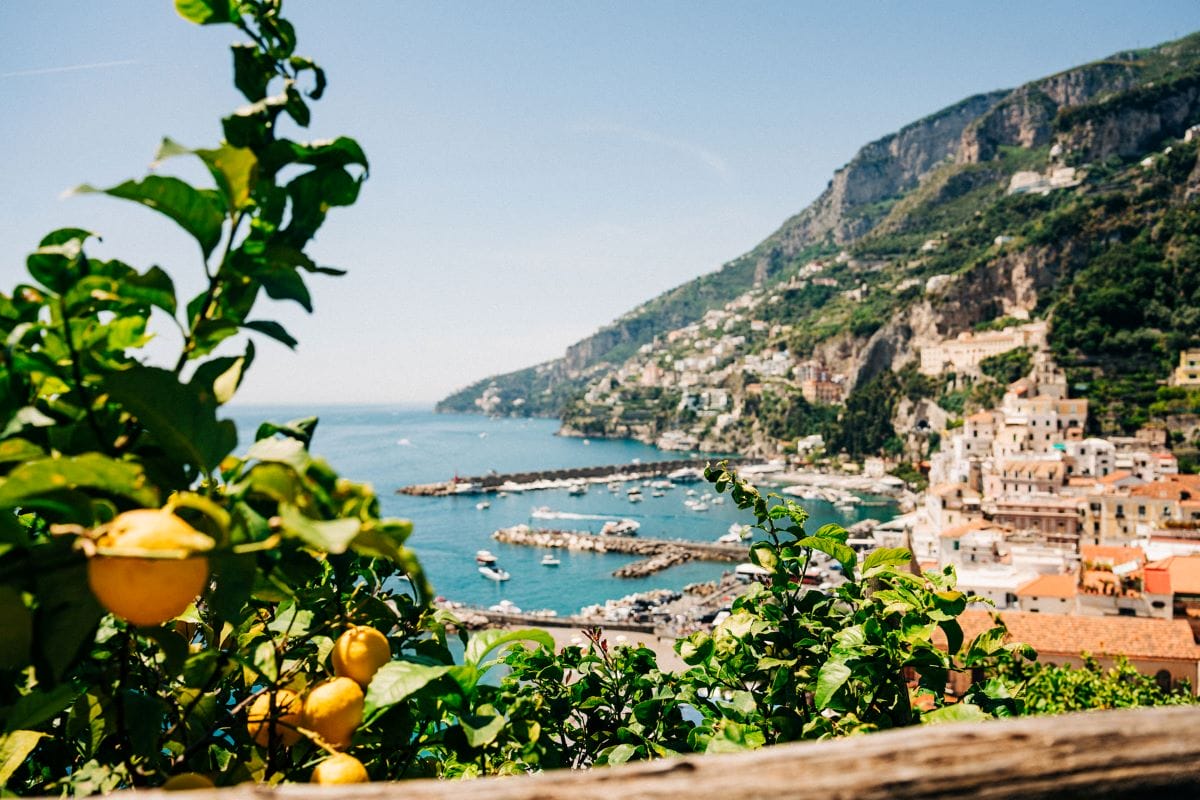
A beautiful view of colorful houses built on a cliffside overlooking the sea along the Amalfi Coast.

Visiting quaint Italian villages perched on the Amalfi coast is a memorable experience, all year round!

Unlike smaller countries, Italy’s climate varies considerably from north to south. You could be enjoying crisp winter weather in Milan while strolling through sunny piazzas in Naples, or experiencing spring wildflowers in Tuscany while Venice is celebrating Carnival.

Whether you’re planning to explore the ancient wonders of Rome and Pompeii, admire artistic treasures in Florence, discover the waterways of Venice, experience Milan’s fashion scene or indulge in Italy’s legendary food culture, choosing the right time to visit can make all the difference.

In this guide, we’ll take you through Italy season by season, covering the weather, major events, crowd levels and the best places to visit throughout the year, so you can decide when to plan your perfect Italian adventure.

But first, here’s a quick summary:

  • Best overall: April-May and September-October
  • Best weather: May, June and September
  • Cheapest: January and February
  • Best for food lovers: October and November
  • Best for beaches: June to early September
  • Best for sightseeing: April, May, September and October
  • Best for avoiding crowds: January, February and November
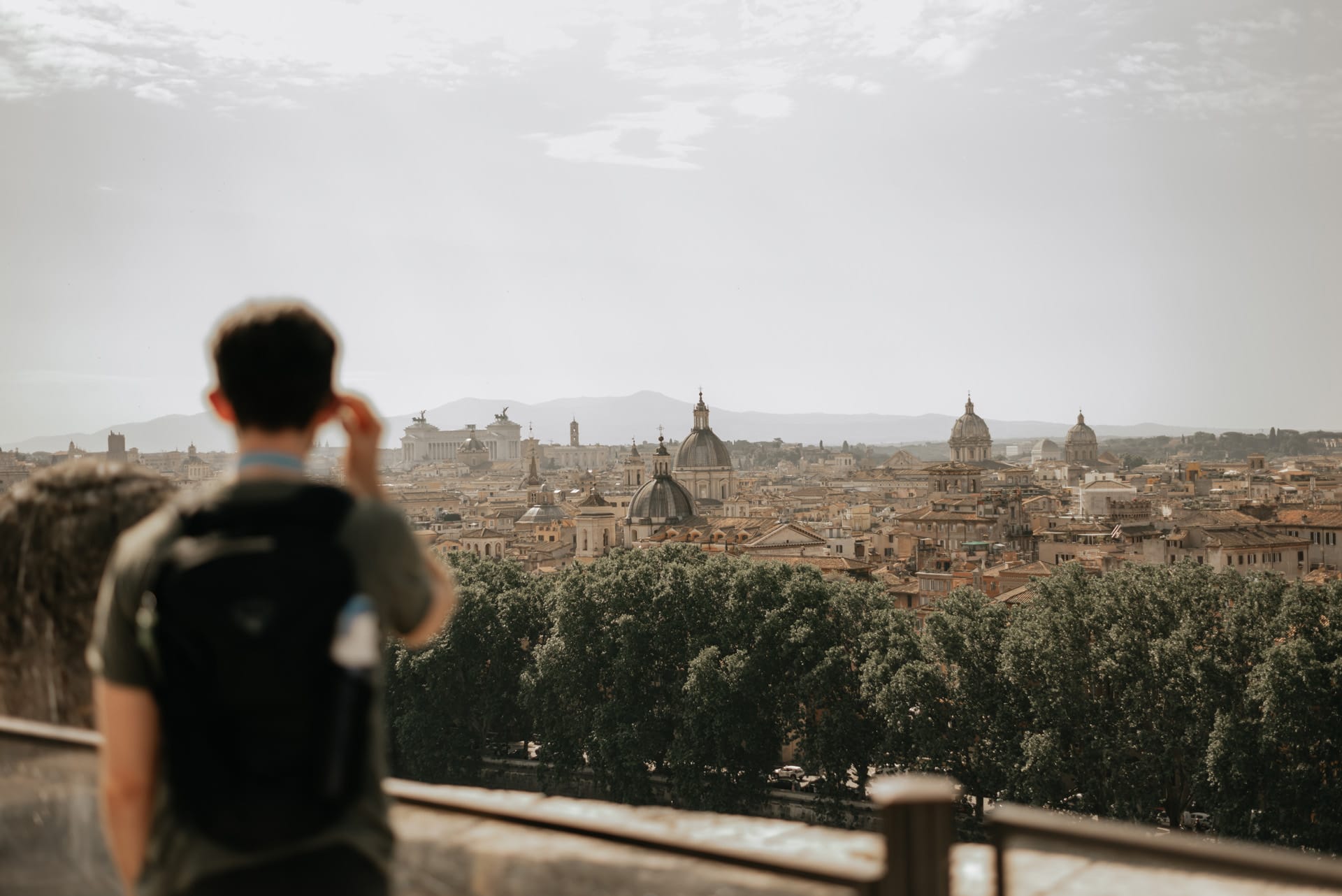
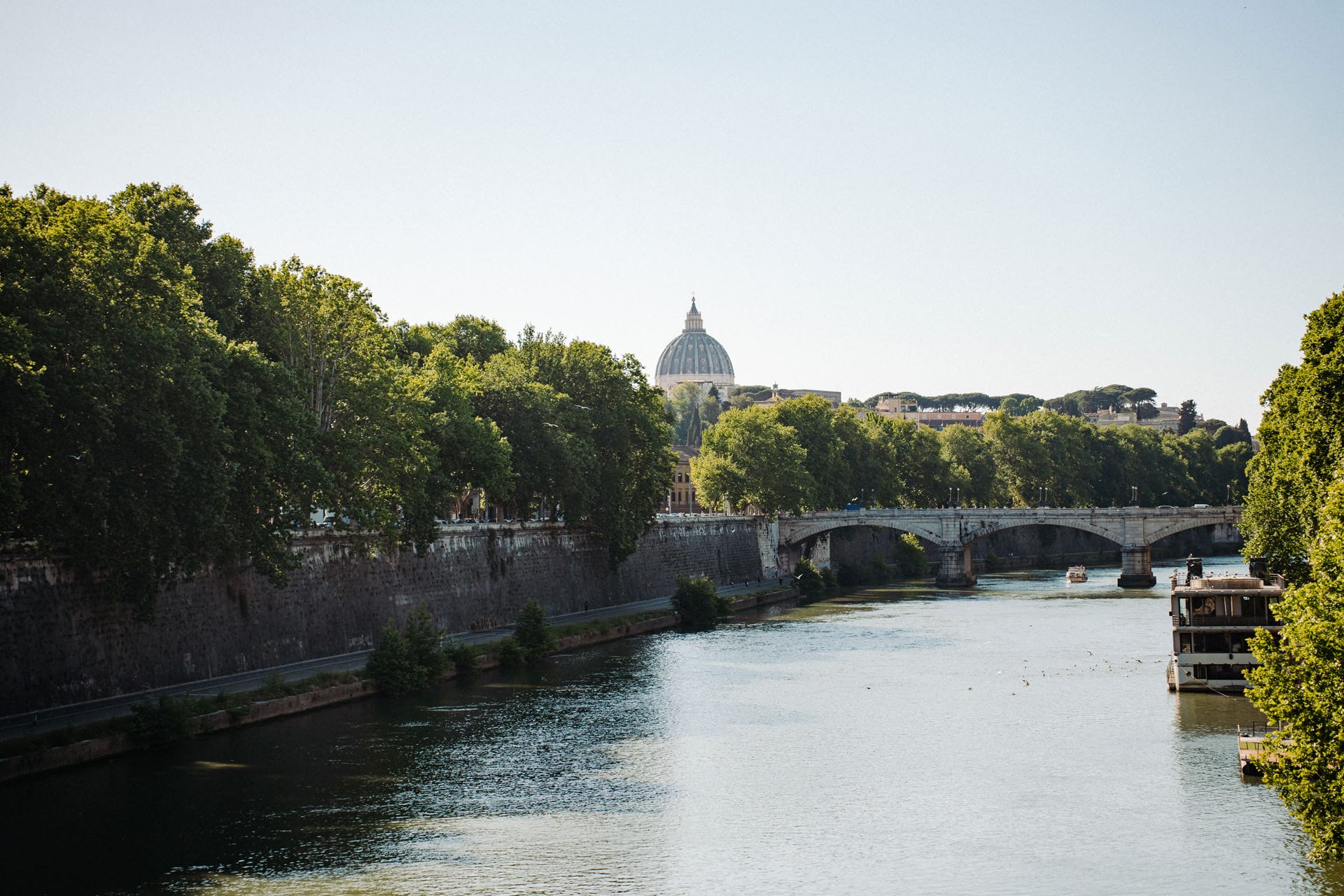
A view of the city of Rome, from a distance, standing behind the out of focus image of a man looking at the view, perhaps he is thinking about taking a Vespa ride around Rome

See Italy from a different perspective and get out of the city to take in the views of the  skyline

Italy in Spring: March, April and May

Spring is widely regarded as one of the best times to visit Italy. As temperatures begin to rise, cities burst into life with colourful gardens, outdoor cafés and longer daylight hours, while the summer crowds are still a few weeks away.

It’s the perfect season for exploring Italy’s historic cities on foot. Wander the ancient streets of Rome, cross Florence’s iconic Ponte Vecchio, glide on the canals of Venice, or discover Bologna’s elegant arcades without the intense summer heat.

Italy in March

March marks the beginning of spring across much of Italy. While temperatures can still be cool, especially in northern cities like Milan and Venice, central and southern Italy begin to enjoy longer, sunnier days.

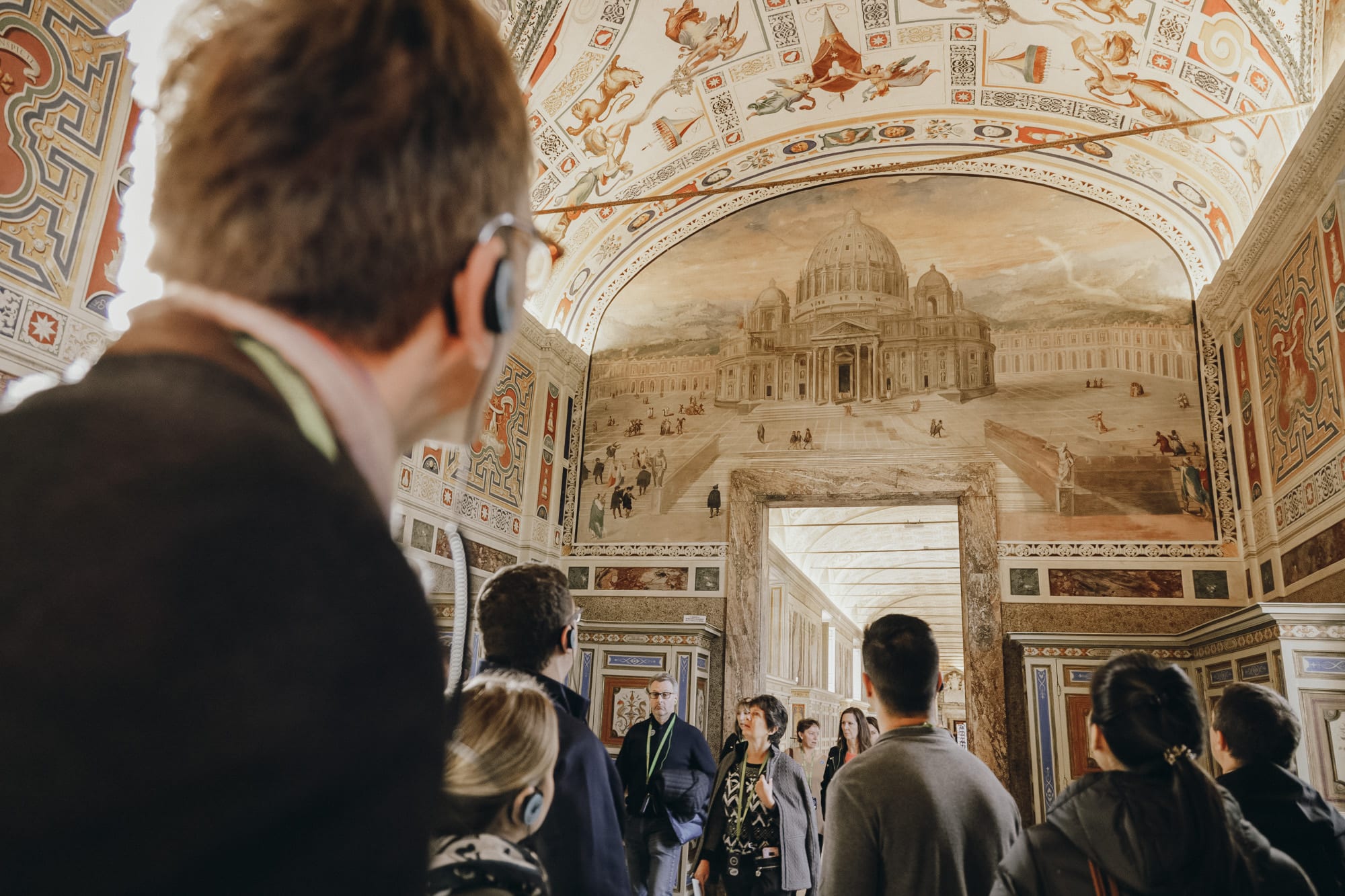
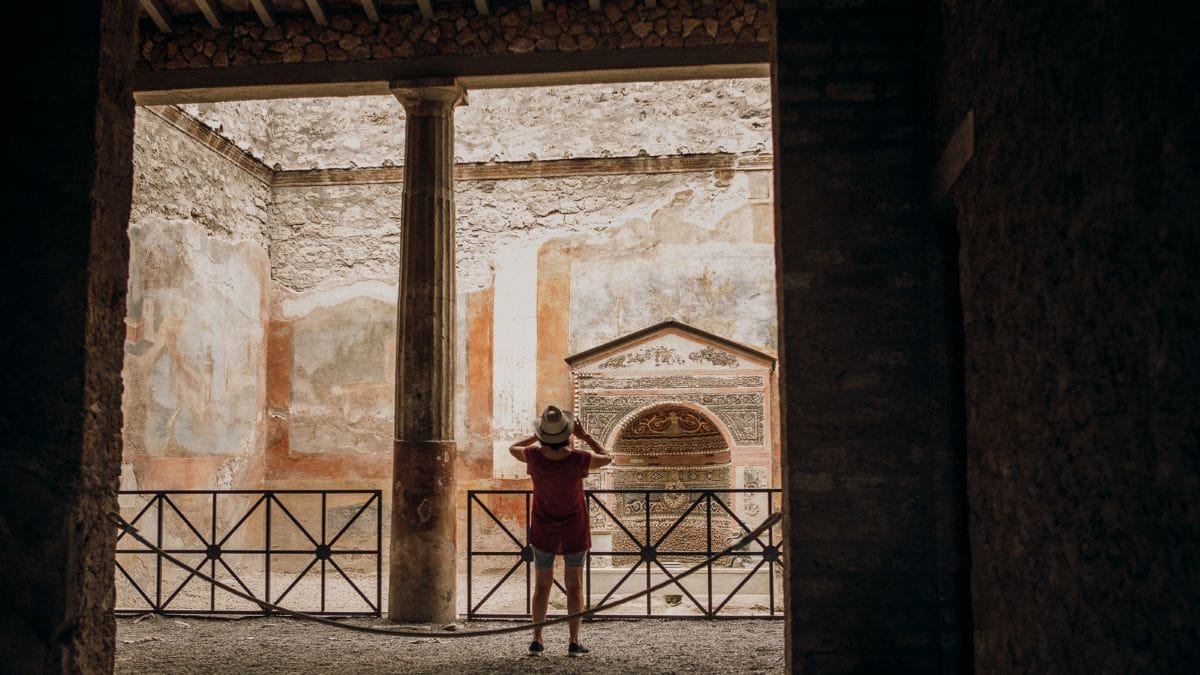
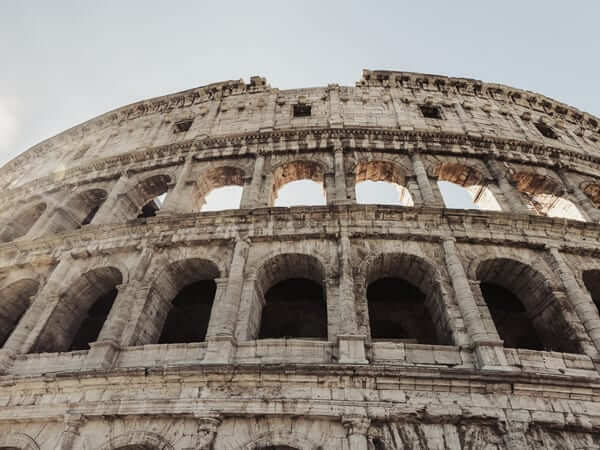
It’s an excellent month for sightseeing, with fewer queues at world-famous attractions such as the Colosseum, the Vatican Museums, Florence’s Uffizi Gallery and the archaeological ruins of Pompeii.

March is also a wonderful time to explore Italy’s historic centres on foot. Comfortable temperatures make walking tours particularly enjoyable, allowing you to uncover centuries of history alongside expert local guides.

Insider tip: If you’re planning to visit several of Italy’s most famous attractions, travelling in March means you’ll spend less time waiting in line and more time exploring.

Italy in April: Easter Celebrations Across the Country

April is one of Italy’s most beautiful months, combining mild weather with colourful festivals and blooming landscapes.

If Easter falls during your visit, you’ll experience one of the country’s most important celebrations. Rome hosts special events around St. Peter’s Basilica and the Vatican, while Florence stages its spectacular Scoppio del Carro (“Explosion of the Cart”), a tradition dating back more than 350 years. Throughout the country, towns and cities celebrate with religious processions, local festivals and seasonal food.

As temperatures become warmer, it’s also an ideal time to explore outdoor landmarks like the Roman Forum, the squares of Bologna, or Florence’s Boboli Gardens.

Italy in May

Many travellers consider May the best month to visit Italy. Warm days, longer evenings and generally dry weather create ideal conditions for sightseeing across the country.

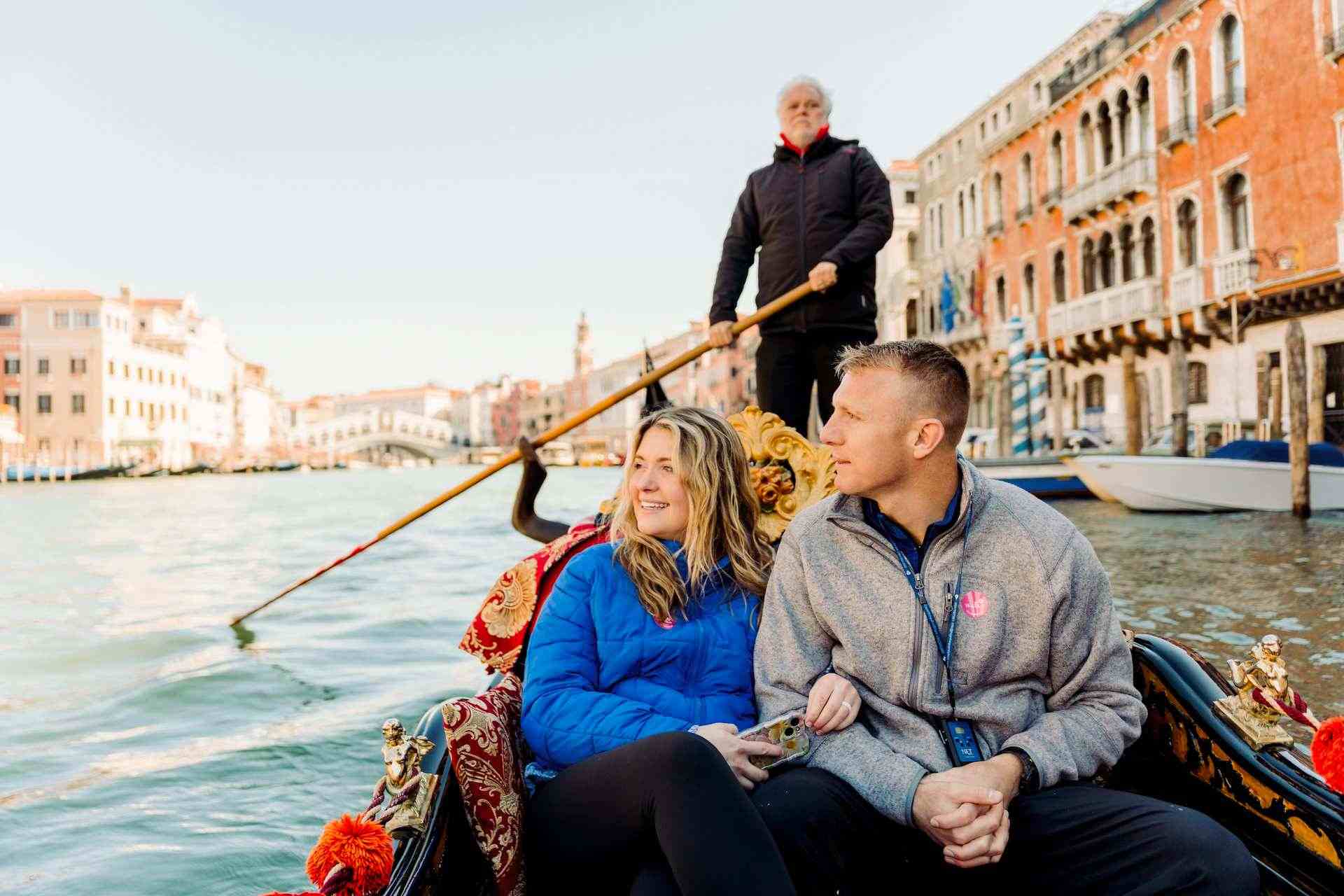
Whether you’re climbing to the top of Florence’s Duomo, exploring the ancient streets of Pompeii, taking a gondola through Venice, or enjoying an evening food tour, May offers an excellent balance between pleasant weather and manageable crowds.

It’s also a fantastic time to venture beyond the cities. Tuscany’s rolling countryside is lush and green, while the hills surrounding Rome and Florence are alive with wildflowers.

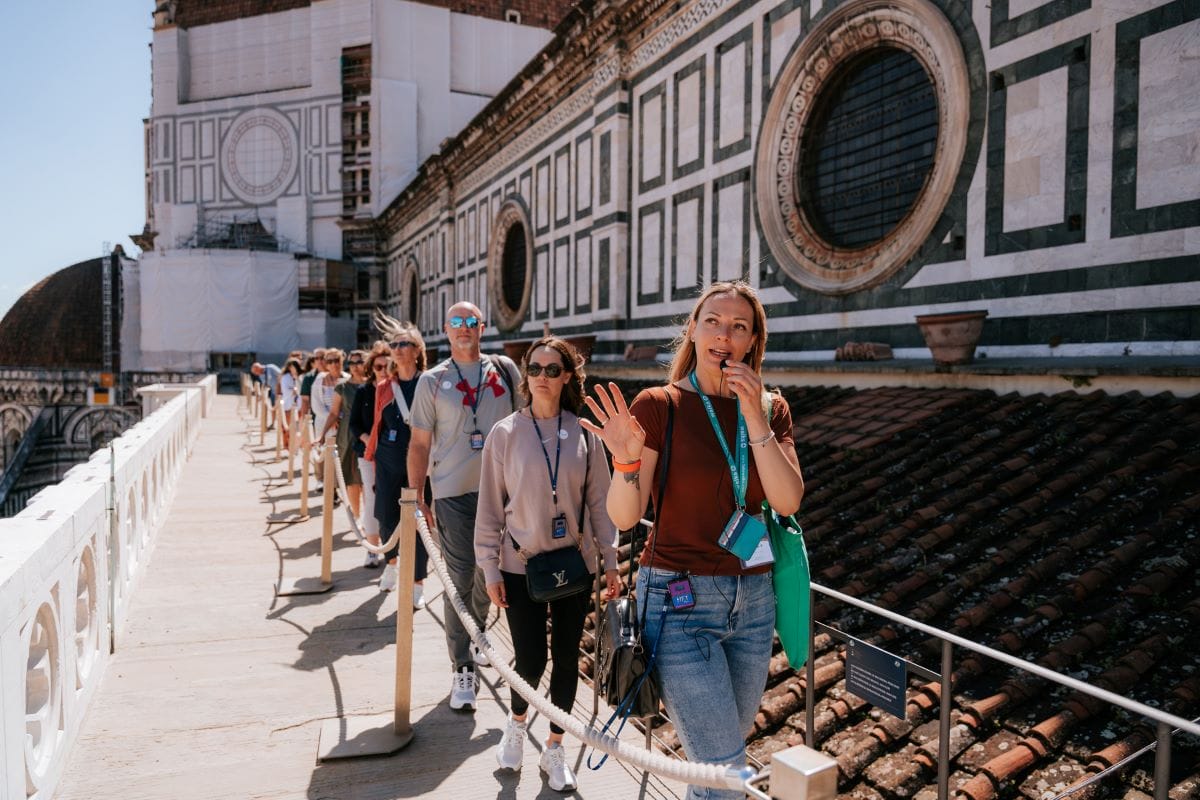
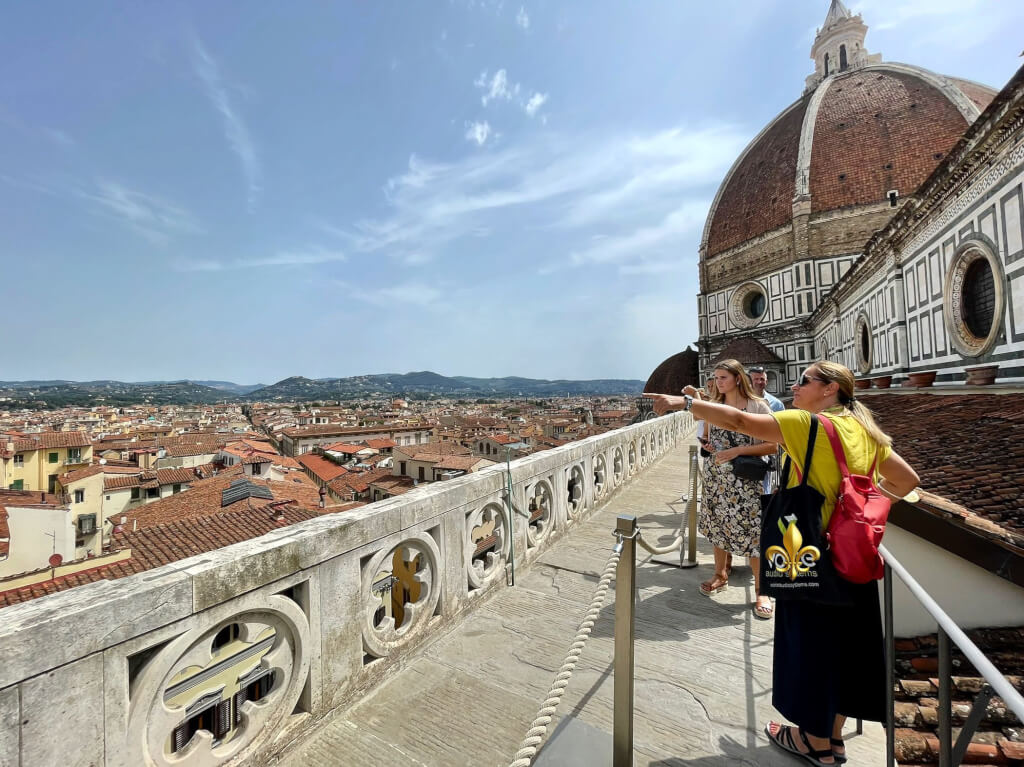
A group of people walking on the rooftops of Florence's famous landmark while on a tour of the Duomo.

Springtime is the perfect time to explore on foot to discover hidden gems and see cities from all angles!

Spring Across Italy

Spring is when Italy truly comes alive. Restaurant terraces fill with locals, parks and gardens burst into colour, and cities feel energetic without becoming overwhelming. It’s also one of the best seasons for walking tours, allowing you to discover each destination’s history and hidden corners at a comfortable pace.

Spring on the Plate

Spring is also one of Italy’s finest seasons for food. Markets overflow with fresh asparagus, artichokes, peas, broad beans and fragrant herbs, while restaurant menus begin to feature lighter seasonal dishes.

Each region celebrates spring differently. In Rome, look out for carciofi (artichokes), while Bologna showcases handmade pasta at its freshest. In Florence, you’ll find pecorino cheeses, pappa al pomodoro and spring vegetables, while Naples serves vibrant seafood dishes alongside its world-famous pizza.

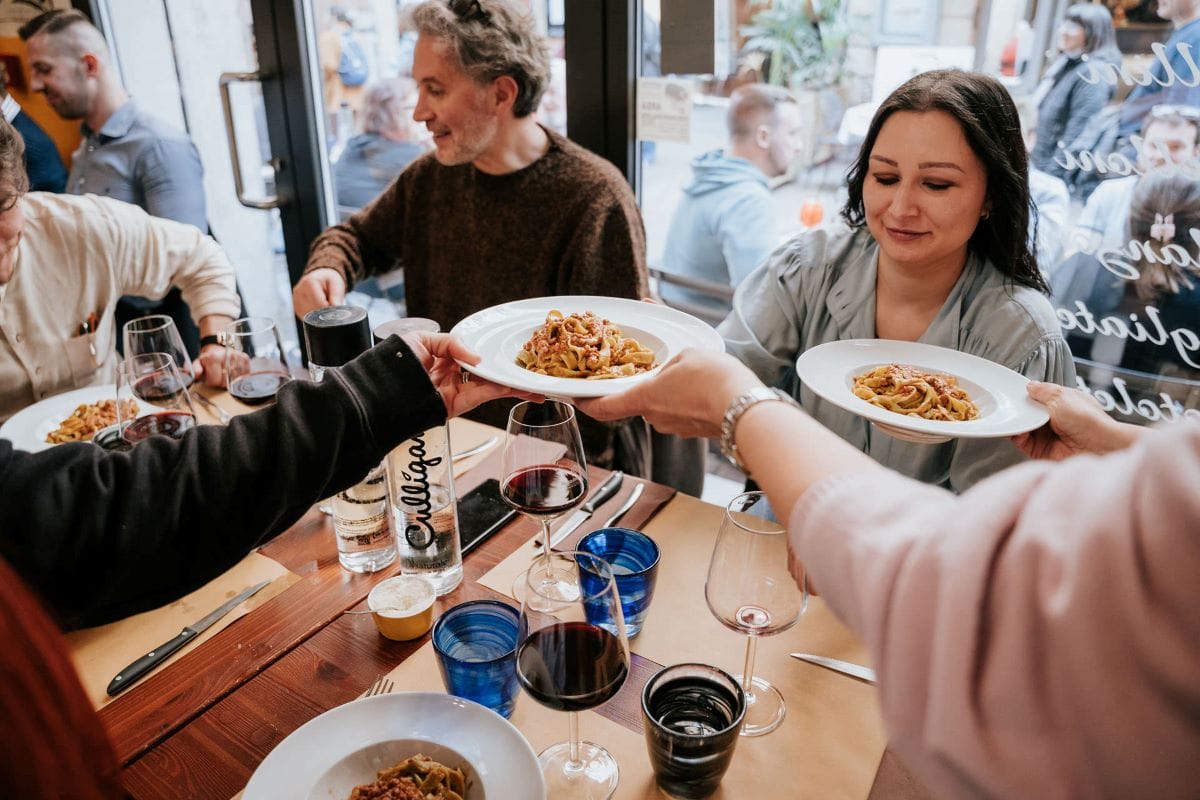
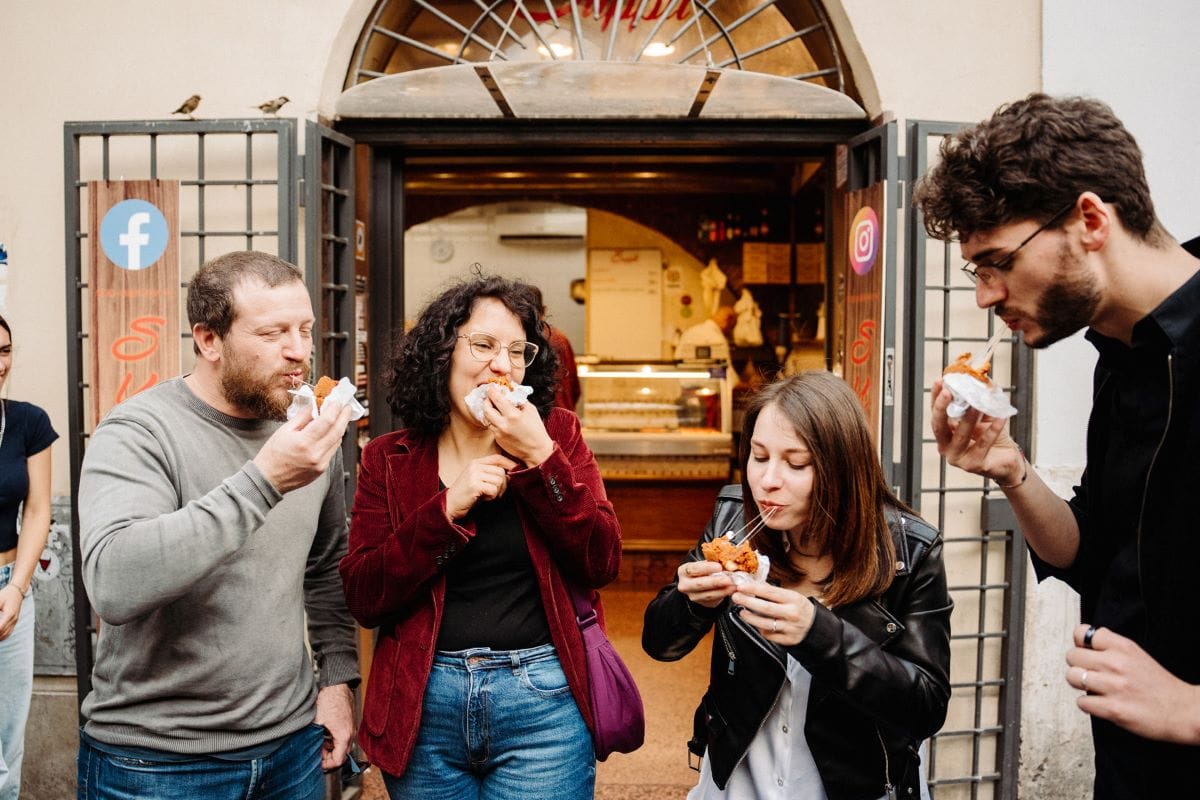
Insider tip: Spring is one of the best times to join a food tour to discover and try seasonal specialities, exploring neighbourhoods and experiencing local traditions that many visitors never witness.

Spring Weather Considerations in Italy

Spring temperatures between March and May vary across the country.

  • In the north, in cities such as Milan and Venice, daytime highs typically range from 54–72°F (12–22°C)
  • Central Italy, including Rome and Florence, enjoys temperatures of around 59–77°F (15–25°C),
  • Southern destinations like Naples are often a few degrees warmer, with daytime temperatures ranging from 63–81°F (17–27°C).

Packing layers is recommended, as mornings and evenings can still feel cool, and occasional spring showers are common. By May, however, outdoor dining, rooftop aperitivos and evening strolls have become part of everyday life across much of Italy.

for a guided walking tour, the best time of year to visit Italy is often said to be spring, you can stroll down the streets of the local neighbourhood, without the stress of the summer heat

Springtime weather allows you to take a leisurely stroll around city neighbourhoods at your own pace, no need to rush!

Italy in the Summer: June, July and August

Summer is Italy at its liveliest. Long sunny days, bustling piazzas and outdoor festivals create an unforgettable atmosphere, while cafés and restaurants stay busy well into the evening. It’s a wonderful time to experience the country, but it’s also the busiest season, with higher temperatures and larger crowds in many of Italy’s most popular destinations.

The key to making the most of summer is planning ahead. Start your sightseeing early, take advantage of museums and galleries during the hottest part of the day, and enjoy Italy’s vibrant nightlife once the sun begins to set.

Italy in June: Festivals and Long Days

June is one of the most culturally active months in Italy, as many cities celebrate their patron saint days and major local festivals that blend religion, history, and summer tradition.

  • In Florence, the highlight is the Festa di San Giovanni (June 24), honouring the city’s patron saint with fireworks over the Arno and the historic Calcio Storico match in Piazza Santa Croce.
  • In Rome, early June features celebrations for the Festa dei Santi Pietro e Paolo (June 29), dedicated to the city’s co-patrons, marked by religious ceremonies and local festivities around the Vatican and Ostiense districts.
  • In Naples, June is dominated by the spectacular Napoli Pizza Village, a huge waterfront festival celebrating the city’s most famous food, alongside smaller events leading into the feast of San Gennaro later in the year.

Italy in July: Peak Travel Season

July is one of Italy’s hottest and busiest months. Popular destinations such as Rome, Florence, Venice and Pompeii attract visitors from around the world, and queues at attractions can become lengthy.

To make the most of your visit, plan outdoor sightseeing for the morning before spending the afternoon exploring Italy’s incredible museums, churches and galleries. The Vatican Museums, Uffizi Gallery, The Last Supper in Milan and Naples Archaeological Museum all offer a welcome escape from the summer heat. Booking attraction tickets or guided tours in advance is highly recommended during this busy period.

Italy in August: Ferragosto

August is dominated by Ferragosto, Italy’s traditional summer holiday, celebrated on 15 August. Many Italians head to the coast or countryside, and some independent restaurants and family-run businesses close for part of the month.

Despite this, Italy’s major tourist destinations remain lively. Attractions in Rome, Florence, Venice, Milan and Naples stay open, although it’s always worth checking restaurant opening hours if you have somewhere specific in mind.

Evenings are one of the highlights of visiting Italy in August. As temperatures cool, locals gather in bustling piazzas for aperitivos at sunset, outdoor dining and late-night strolls through beautifully illuminated historic centres.

Aperitivo is just one of many reasons to explore Milan at night!

Summer Across Italy

Summer is the perfect season for enjoying Italy’s vibrant outdoor lifestyle. Watch the sunset over the canals of Venice, admire Rome’s ancient monuments after dark, stroll across Florence’s Ponte Vecchio, or explore the lively waterfront in Naples. If you’re looking to escape the cities for a day, the rolling vineyards surrounding Florence and Bologna offer a refreshing change of pace.

Summer on the Plate

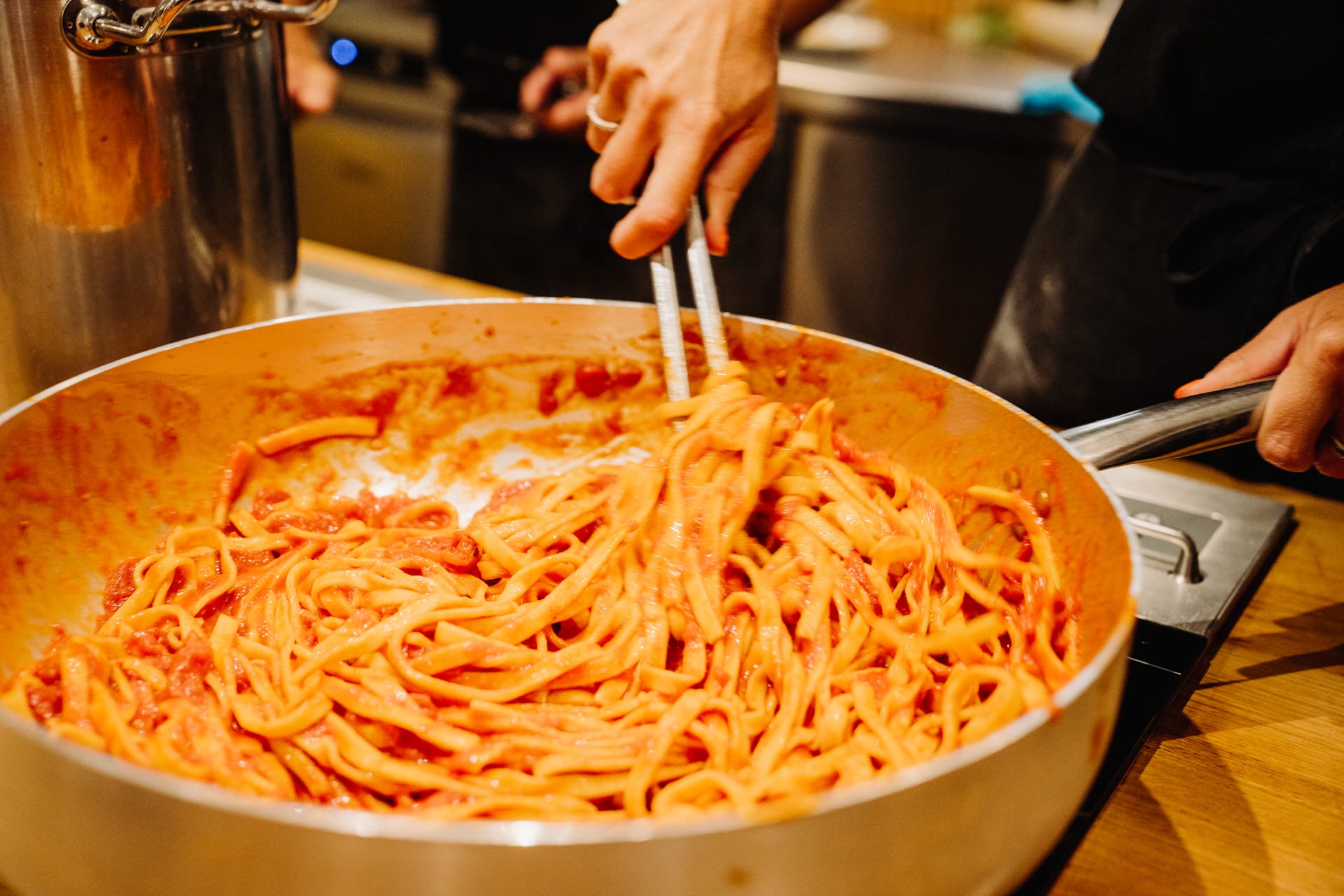
Summer brings an abundance of fresh seasonal produce to tables across Italy. Menus feature ripe tomatoes, basil, zucchini flowers, seafood and creamy mozzarella, alongside regional favourites like Neapolitan pizza, handmade pasta and refreshing gelato.

It’s also the perfect time to enjoy Italy’s aperitivo culture. Whether you’re sipping a Spritz beside a Venetian canal, enjoying a Negroni in Florence, or sharing small plates in a Roman piazza, warm summer evenings are made for lingering over great food and drink.

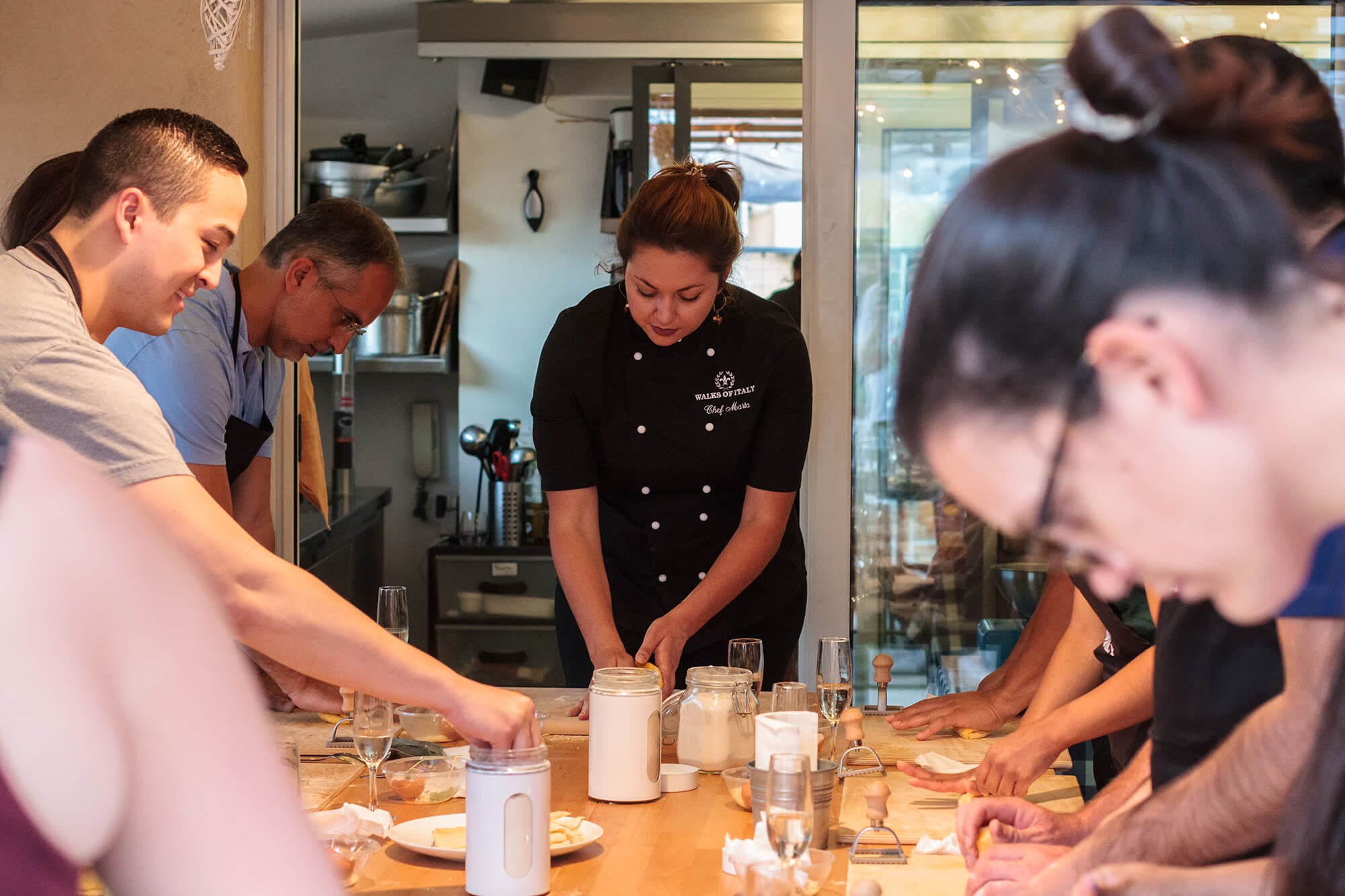
Insider tip: Summer is perfect for an evening food tour in Oltrarno – Florence, Trastevere – Rome or along the canals of Venice. Not only will you experience authentic regional cuisine, but you’ll also discover neighbourhoods that come alive after dark, guided by locals who know the city’s hidden culinary gems.

A plate of fiori di zucca or fried zucchini flowers.

We adore eating fried zucchini flowers. Photo credit: Stijn Nieuwendijk

Summer Weather Considerations in Italy

Summer temperatures vary across Italy, but warm, sunny weather is almost guaranteed.

  • Northern cities such as Milan, Venice and Bologna typically experience daytime temperatures between 79–91°F (26–33°C).
  • Central Italy, including Rome and Florence, often reaches 84–95°F (29–35°C).
  • Southern destinations like Naples frequently see temperatures of 86–97°F (30–36°C), with occasional heatwaves pushing even higher.

Carry a reusable water bottle, wear lightweight clothing and comfortable walking shoes, and try to schedule outdoor sightseeing for the cooler morning or evening hours. Booking popular attractions in advance will also help you avoid long queues in the summer sun.

View from a restaurant on the beach, looking at the seafront buildings and beach activities

Sit back and enjoy a crisp wine or cocktail in the summer sun

Italy in the Autumn: September, October and November

Autumn is one of the most rewarding times to visit Italy. The summer crowds begin to disperse, temperatures become more comfortable, and the country’s famous food and wine regions come into their own. From vineyard harvests in Tuscany to colourful city parks and seasonal festivals, it’s a fantastic time to experience Italy at a slower pace.

While early September can still feel like summer, October and November offer ideal conditions for sightseeing, making autumn a favourite season for many travellers.

Italy in September: Harvest Season

September combines warm weather with fewer crowds, making it an excellent month for exploring Italy’s cities and countryside alike.

Across Tuscany, the annual grape harvest gets underway, while restaurants begin serving seasonal ingredients such as porcini mushrooms, figs and fresh truffles. It’s also an ideal time to visit Florence, where warm days are perfect for wandering the city’s Renaissance streets or enjoying an evening aperitivo. Further south, Naples and Pompeii remain pleasantly warm, making September one of the best months to explore archaeological sites without the intense heat of midsummer.

Italy in October and November

The comfortable temperatures, beautiful autumn colours and shorter queues in October create ideal conditions for sightseeing across the country. Whether you’re admiring the ancient landmarks, exploring gardens and parks, discovering the local food scene or visiting museums and galleries, autumn offers a more relaxed experience than the busy summer months.

By November, visitor numbers fall even further. While the weather becomes cooler and occasional rain is more common, you’ll benefit from lower accommodation prices and a quieter atmosphere at many of Italy’s most famous attractions.

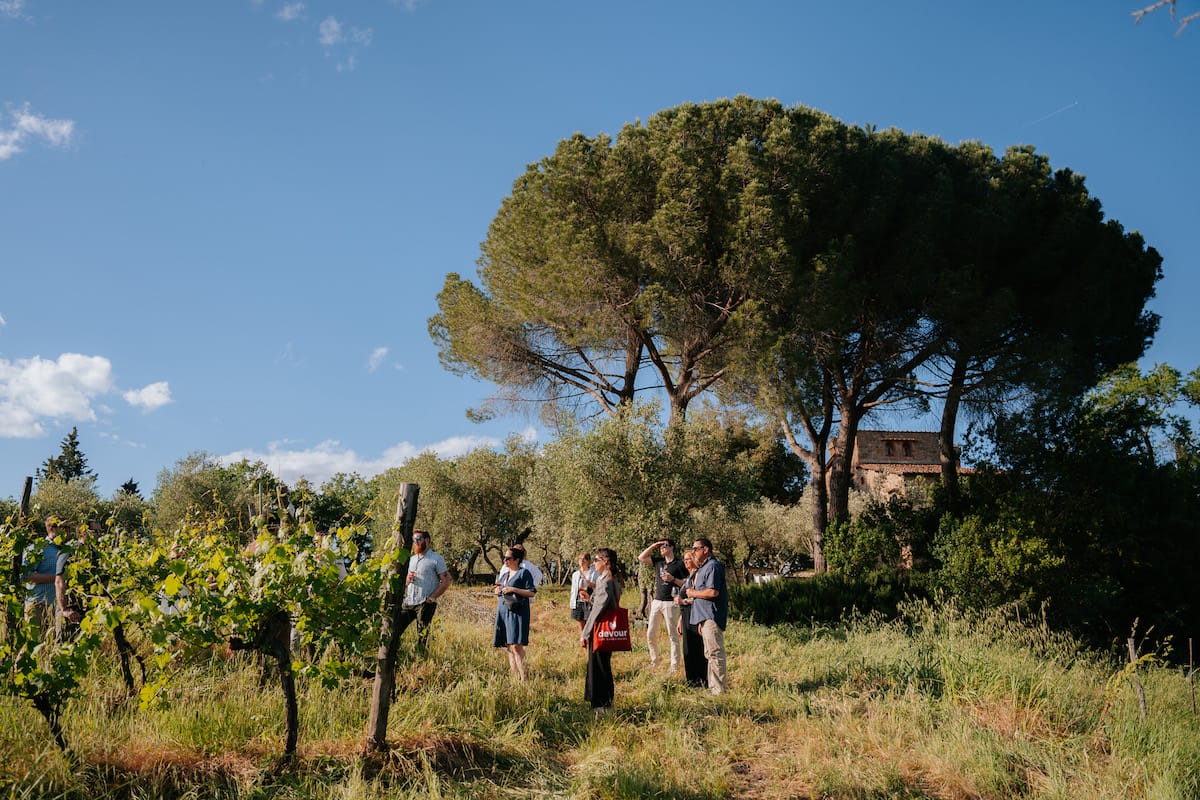
Tour learning about the history of wine as they stroll around a winery.

Learn about the history of wine as you stroll around a winery in the Tuscan countryside

Autumn Across Italy

As temperatures cool, Italy’s cities become even more enjoyable to explore on foot. experience the Italian culture by taking a leisurely stroll through the gardens of Florence, admire the golden light reflecting across the canals of Venice, wander the cobbled streets of Rome, or enjoy Bologna’s famous porticoes without the summer heat.

Autumn on the plate

Autumn is a dream season for food lovers. As the harvest continues, restaurant menus feature white truffles, porcini mushrooms, chestnuts, pumpkins and freshly pressed olive oil. It’s also one of the best times to enjoy regional wines, with vineyards across Tuscany and beyond celebrating the new vintage.

Every region offers something unique. Sample hearty pasta dishes in Bologna, savour traditional pizza in Naples, enjoy Tuscan specialities in Florence, or discover classic Roman cuisine paired with seasonal ingredients.

Insider tip: Autumn is one of the best times to join an overnight tour from Rome to Florence. Local guides can introduce you to a family run winery and regional traditions and food that many visitors never discover on their own. Or opt for an overnight tour from Rome to the Amalfi Coast to enjoy a coastal trip of a lifetime, without any of the logistical stress.

A colourful Napoli pizza with olives, fresh basil and ripe tomatoes

You cannot come to Italy and miss out on traditional pizza, made the Italian way

Autumn Weather Considerations in Italy

Temperatures gradually cool throughout autumn.

  • Northern Italy, including Milan, Venice and Bologna, typically experiences daytime temperatures between 55–75°F (13–24°C) from September to November.
  • Central Italy, including Rome and Florence, generally ranges from 57–82°F (14–28°C),
  • Southern destinations such as Naples enjoy mild temperatures of around 61–84°F (16–29°C) well into the season.

Rain becomes more frequent during late October and November, so it’s worth packing a jacket and dressing in layers. Even so, autumn remains one of the most comfortable times of year to travel.

The Borghese gardens in Rome

The colourful foliage in the Borghese Gardens in Rome is stunning in the fall

Italy in the Winter: December, January and February

Winter reveals a quieter, more relaxed side of Italy. While temperatures are cooler and the days are shorter, you’ll also find fewer crowds, lower accommodation prices and a more authentic atmosphere in many of the country’s most popular destinations.

From festive Christmas markets in the north to mild winter days in the south, Italy offers plenty to enjoy during the off-season. It’s also one of the best times to explore the country’s world-famous museums, galleries and historic landmarks without the long queues of spring and summer.

Italy in December: Christmas Magic

December is one of the most enchanting times to visit Italy. Cities and towns are decorated with festive lights, Christmas markets fill historic squares, and seasonal traditions bring a special atmosphere to every destination.

Rome and the Vatican are particularly magical during the festive season, with Christmas celebrations centred around St. Peter’s Square and the Vatican Museums. In Milan, elegant shopping streets sparkle with decorations, while Florence and Bologna host charming Christmas markets offering local food, handmade gifts and seasonal treats. Whether you’re browsing festive stalls or warming up with a rich Italian hot chocolate, December offers a memorable way to experience Italy’s cities.

Italy in January and February

January is one of the quietest and most affordable months to visit Italy. Visitor numbers drop significantly after the Christmas holidays, making it easier to enjoy iconic attractions such as the Colosseum, Vatican Museums, Uffizi Gallery, The Last Supper and Pompeii.

February remains relatively peaceful, although Venice bursts into life during its world-famous Carnival, when elaborate masks, costumes and celebrations transform the city into one of Europe’s most spectacular winter destinations.

Further south, destinations such as Naples continue to enjoy relatively mild temperatures, making winter an excellent time to explore the city’s historic centre or the ancient ruins of Pompeii.

Christmas tree at the Colosseum

Seeing the famous sights with an added sparkle of Christmas is a truly memorable experience

Winter Across Italy

Winter is the perfect season for discovering Italy’s cultural treasures. Spend the day admiring Renaissance masterpieces in Florence, exploring the Vatican’s remarkable art collections, wandering through Rome’s ancient monuments, or visiting Milan’s impressive galleries and historic landmarks.

With fewer visitors, you’ll have more space to appreciate some of Italy’s greatest works of art and architecture. It’s also the ideal time to slow down and enjoy cosy cafés, traditional trattorias and neighbourhoods that often feel much busier during the peak tourist season.

Winter on the plate

As the weather cools, Italian cuisine becomes richer and more comforting. Regional specialities include hearty pasta dishes in Bologna, warming ribollita and bistecca alla Fiorentina in Florence, traditional Roman pasta dishes such as cacio e pepe, and comforting Stracciatella soup.

Winter is also the perfect excuse to linger over a long lunch, enjoy seasonal desserts or sip a glass of Italian wine in a cosy trattoria after a day of sightseeing.

Insider tip: For more advice and helpful tricks for planning, packing and beyond, check out our article on Essential Tips for Traveling to Italy

Stracciatella soup is a delicious and filling festive favourite. Photo credit: Sipandfeast

Winter Weather Considerations in Italy

Winter temperatures vary considerably across Italy.

  • Northern cities such as Milan, Venice and Bologna typically experience daytime temperatures between 39–50°F (4–10°C),
  • Central Italy, including Rome and Florence, generally ranges from 46–57°F (8–14°C).
  • Southern destinations like Naples remain comparatively mild, with daytime temperatures of around 50–61°F (10–16°C).

Rain is common throughout much of the country, particularly in the north, so pack a warm jacket and comfortable waterproof walking shoes, and accessories like hats and scarves to ensure you stay cosy!

rome at christmas

Winter is a perfect time to enjoy the indoor attractions like the Vatican Museums and St Peter´s Basilica

A Final Note About the Best Time of Year to Visit Italy

There really isn’t a bad time to visit Italy, only different experiences waiting to be discovered. Whether you’re admiring ancient ruins in Rome, exploring Renaissance masterpieces in Florence, cruising through the canals of Venice, uncovering the history of Pompeii, sampling incredible food in Bologna, or soaking up the vibrant atmosphere of Naples, every season offers something unique.

For most travellers, April, May, September and October provide the ideal balance of pleasant weather, manageable crowds and excellent sightseeing conditions.

  • For food lovers: October and November bring harvest season, truffles, wine festivals and some of Italy’s finest regional cuisine.
  • For families: Late spring and early autumn offer warm temperatures and plenty of outdoor activities without the peak summer crowds. Discover more about how to travel Italy with kids!
  • For budget travellers: January and February often feature lower hotel prices, cheaper flights and quieter attractions.
  • For culture lovers: Winter is one of the best times to experience Italy’s museums, galleries and historic sites at a more relaxed pace.
VIP Vatican Museums: Unlock the Sistine Chapel

There is so much art and culture to discover in Italy, all year round

FAQs – The Best Time of Year to Visit Italy

What’s the best way to travel around Italy?

Italy has one of Europe’s best rail networks, making trains the easiest way to travel between major cities such as Rome, Florence, Venice, Milan, Bologna and Naples. High-speed services are fast, comfortable and often quicker than driving, especially between the country’s most popular destinations.

Once you arrive, most historic city centres are best explored on foot. Cities like Rome, Florence and Venice are filled with narrow streets, hidden squares and pedestrian-only areas that are difficult to access by car.

Should you book attractions and tours in advance?

Yes, especially if you’re visiting between April and October. Italy’s most famous attractions, including the Colosseum, Vatican Museums, Uffizi Gallery, The Last Supper in Milan and Pompeii, often sell out well in advance during peak season.

Booking ahead not only guarantees your preferred date and time but can also save valuable holiday time. Guided tours with skip-the-line access are a great way to avoid long queues while gaining a deeper understanding of Italy’s history, art and culture.

How many days do you need to visit Italy?

The answer depends on how much of the country you’d like to see. A week is enough to explore two or three cities, while 10 to 14 days gives you time to experience Italy at a more relaxed pace.

If it’s your first visit, a classic itinerary might include Rome, Florence and Venice, with additional time for destinations such as Bologna, Milan, Naples or Pompeii depending on your interests. Rather than trying to see everything, focus on a handful of places and allow time to enjoy each destination properly.

What’s the best way to experience authentic Italy?

Italy’s most memorable experiences often happen away from the busiest tourist attractions. Explore local neighbourhoods, dine in family-run trattorias, browse food markets and take time to discover the stories behind each destination.

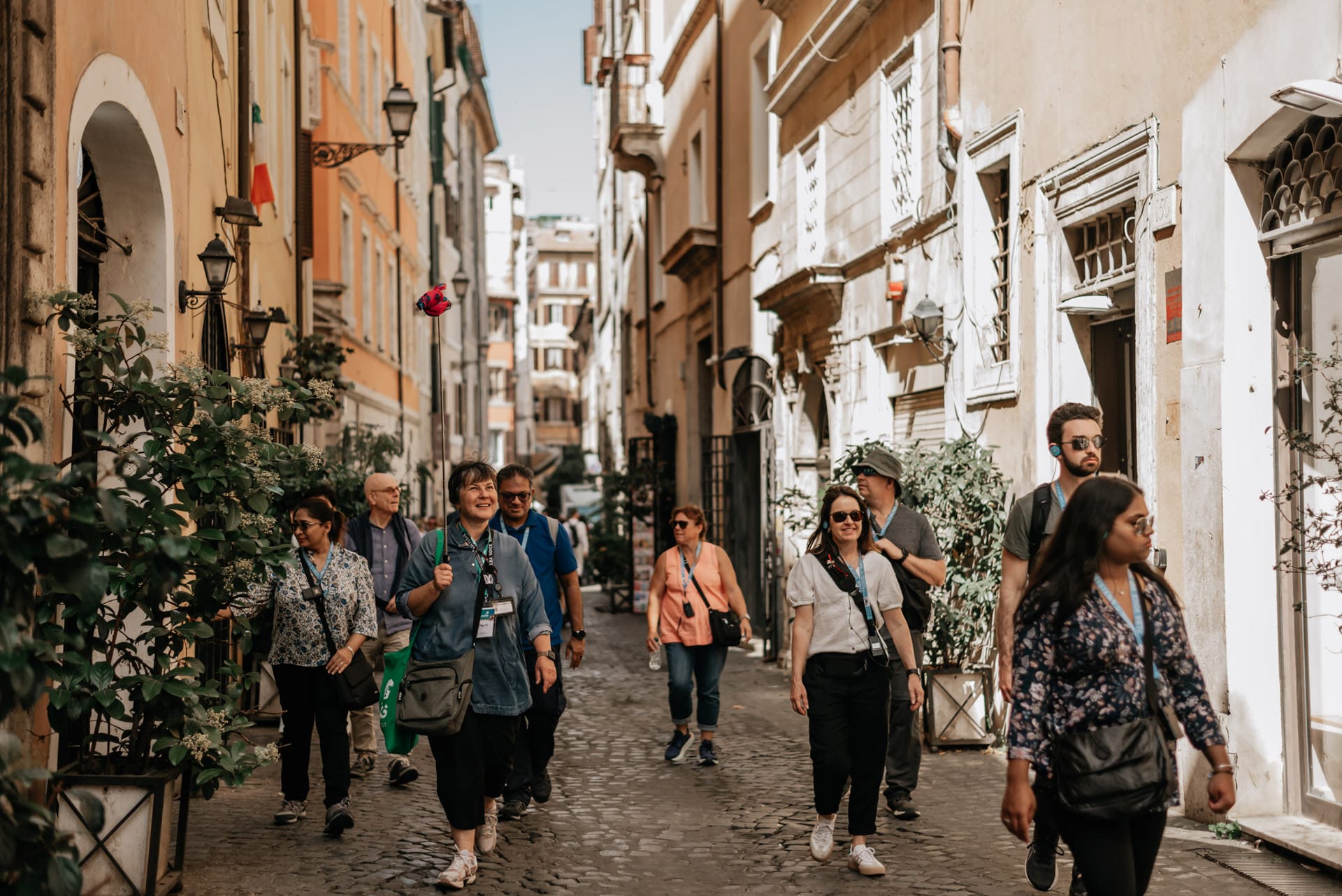
Two women smiling at each other with others following behind them in an alley.

With local expert guides in cities around the country, Walks of Italy specialise in bringing history and culture to life

So, have you decided when is the best time of year to visit Italy for you?

Whatever time of year you choose to visit, joining a small group for a guided tour or arranging a private tour is one of the best ways to experience Italy beyond the guidebooks.

From skip-the-line visits to iconic landmarks and expert-led walking tours to unforgettable food experiences, our local guides will help you uncover the history, culture and hidden gems that make Italy one of the world’s most captivating destinations.

by Walks of Italy

View more by Walks ›

Follow us

Stay up to date with travel tips, local insights and all things Italy on our social channels!

Subscribe to our Newsletter

Get curated Italy travel tips delivered to your inbox!

Your browser is out-of-date!

Update your browser to view this website correctly. Update my browser now

css.php