
The Best Christmas Traditions in Italy
November 17, 2025
Across Italy, Christmas, or Natale, tends to be a family-centric holiday, a time to stay at home (and eat!) with loved ones. There are many Christmas traditions in Italy, but customs also vary from city to city. From which dishes are served, to when to open presents, each region has its own traditions, making Italy an interesting place to enjoy the holidays.
Want to know how to experience Christmas like an Italian? Here are some of the most popular Christmas traditions in Italy, and how to celebrate them!
Christmas Traditions in Italy
First lets have a look at the general timeline of how the Christmas traditions in Italy unfurl and the key dates for your festive diary!
It all starts on the 8th December!
In America, Thanksgiving (or even Halloween!) often signals the start of the Christmas season. However, Christmas traditions in Italy officially kick off with the Day of the Immaculate Conception of Mary on December 8th.
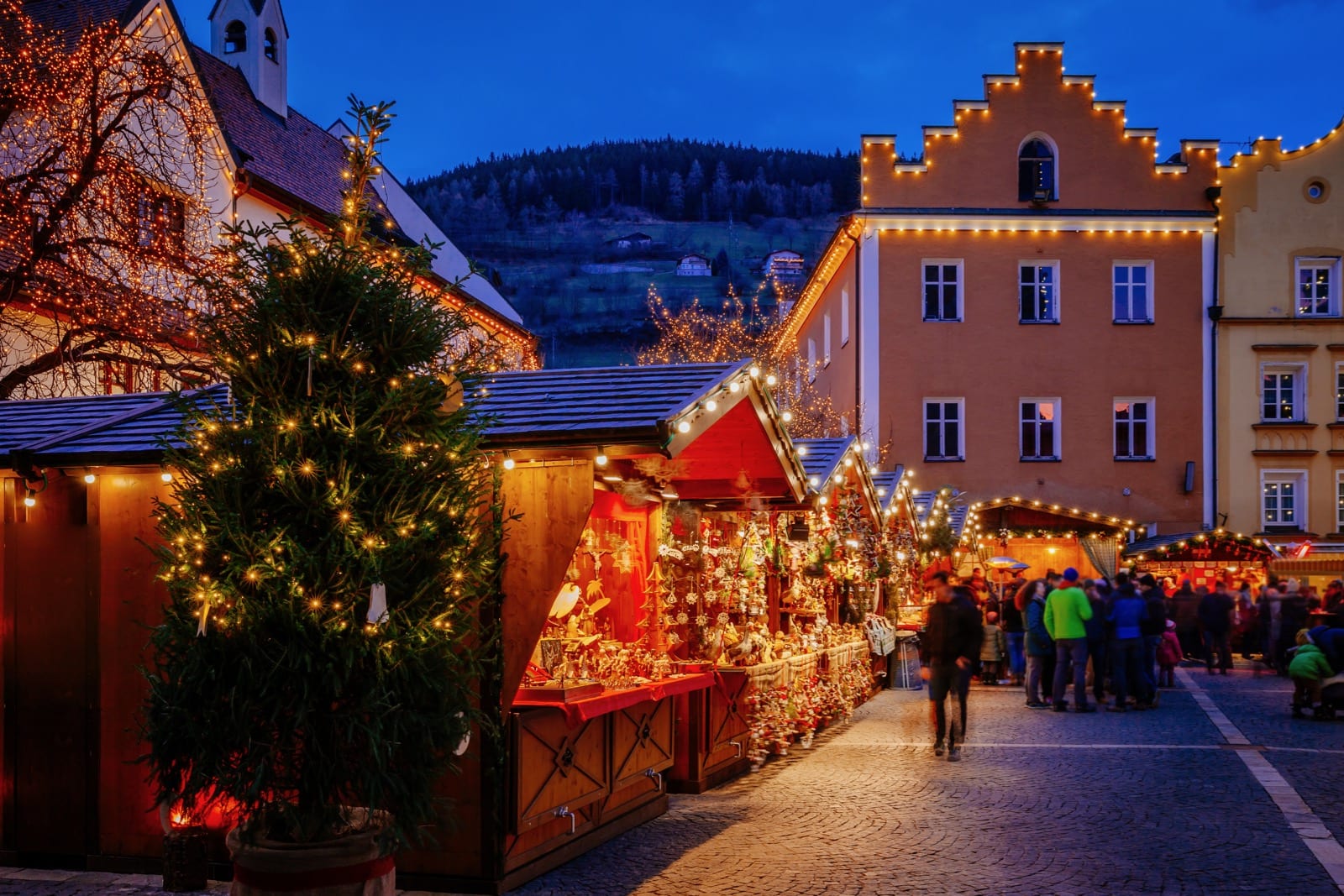
This is when decorations go up (both on the streets and inside Italian homes) and when some Christmas markets start. For more on those incredibly unique markets read our blogs on the 10 best Christmas markets in Italy and the Christmas markets of Venice.
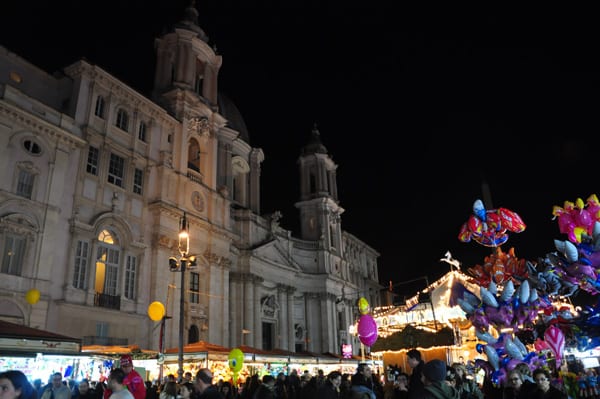
One Christmas tradition in Italy: a Christmas market! This is the one in Piazza Navona in Rome
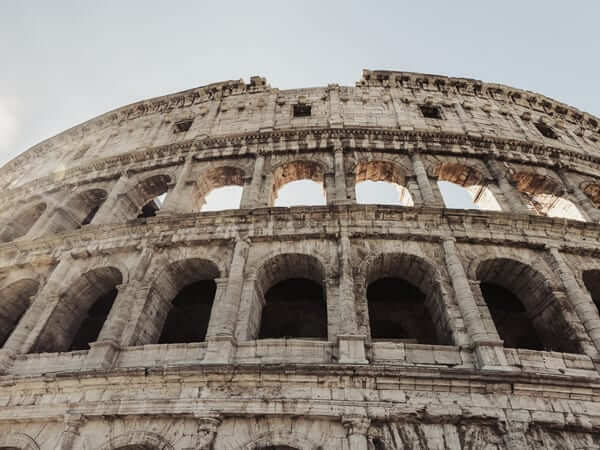
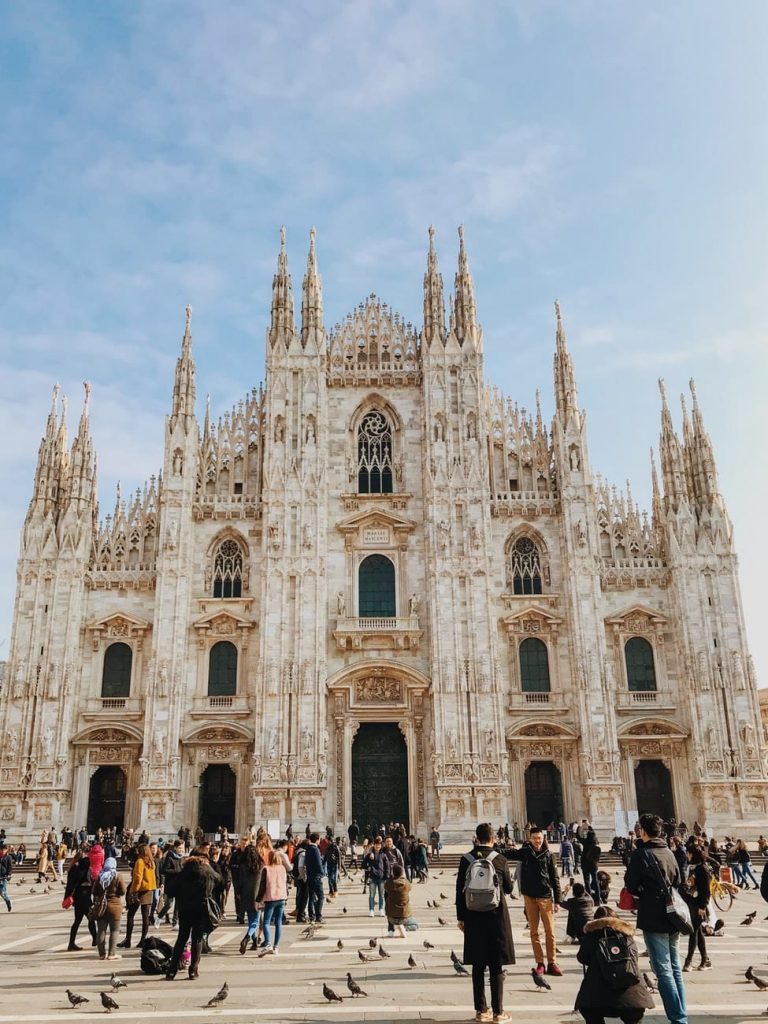
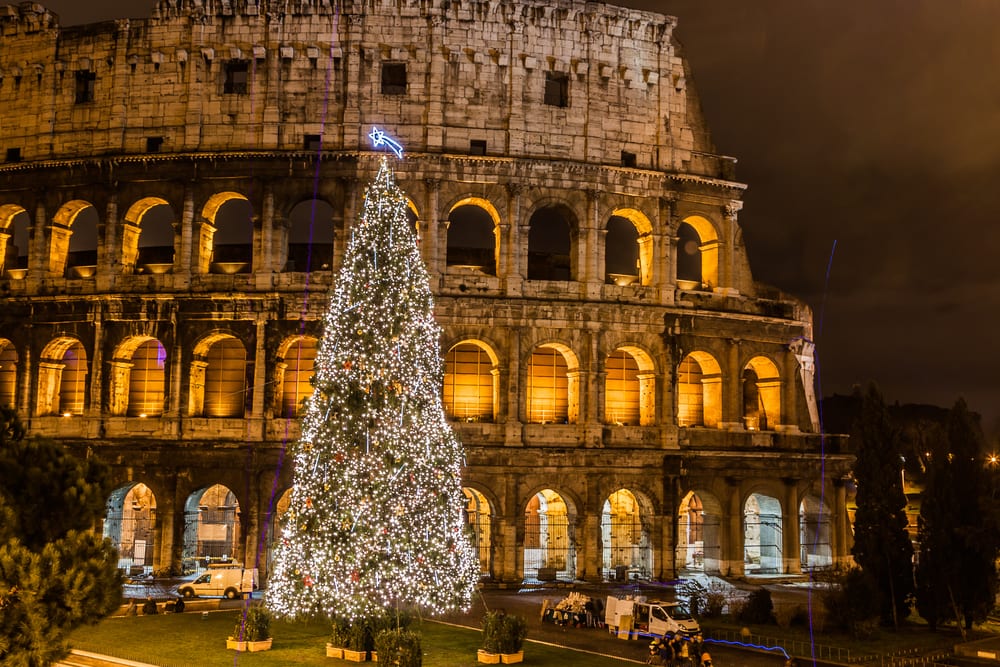
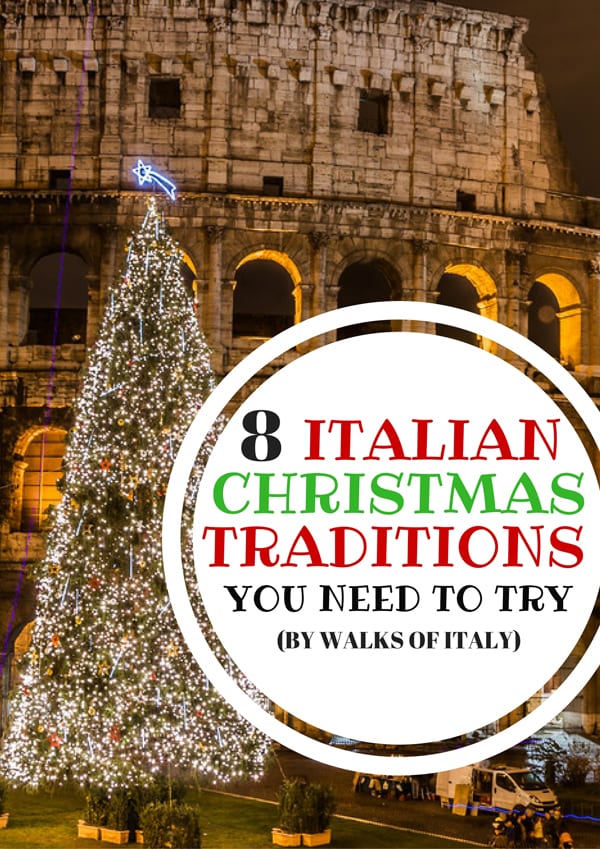
Decorations and huge Christmas trees can be found in main piazzas, like in front of the Colosseum or in Milan’s Piazza Duomo, and Babbo Natale (Father Christmas, the Italian version of Santa Claus) spreads holiday cheer.
There is always a Christmas tree at the Colosseum
Fun fact: As a semi-geeky aside, the holiday of the Day of the Immaculate Conception is both religious and state-sanctioned. This means lots of offices and businesses will be closed on December 8. However, it doesn’t actually have anything to do with the day of the conception of Jesus. Instead, it celebrates the day when the Church decided that Mary was born without having the stain of original sin. (So no, no one is saying Mary was pregnant for only three weeks!).
Presepi, presepi, and more presepi
Along with the fancy lights, wreaths and trees, presepi – the italian name for nativity scenes – are displayed in many churches and piazzas. Crafting these ornate works of art by hand remains an artisanal tradition in many parts of the country. If you want to go to the source, head to Naples; the southern Italian city is world-famous for their hand-made presepi. It still has whole streets with one workshop after another devoted to the craft. ( Here are 9 other reasons you have to see Naples!).
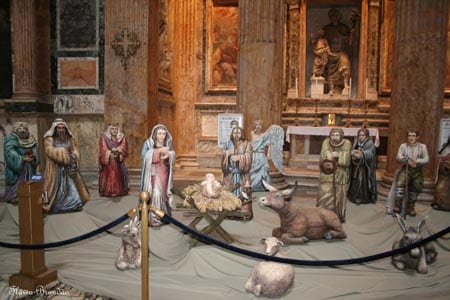
A traditional nativity scene, or presepi
Novena – The eight days of Christmas
The eight days before Christmas, also known as the Novena, are filled with carolers singing traditional songs around the neighborhood. If you’re in Rome, southern Italy or Sicily, keep an eye out for the zampognari, or bagpipe players—they travel from the mountains to play their merry folklore carols.
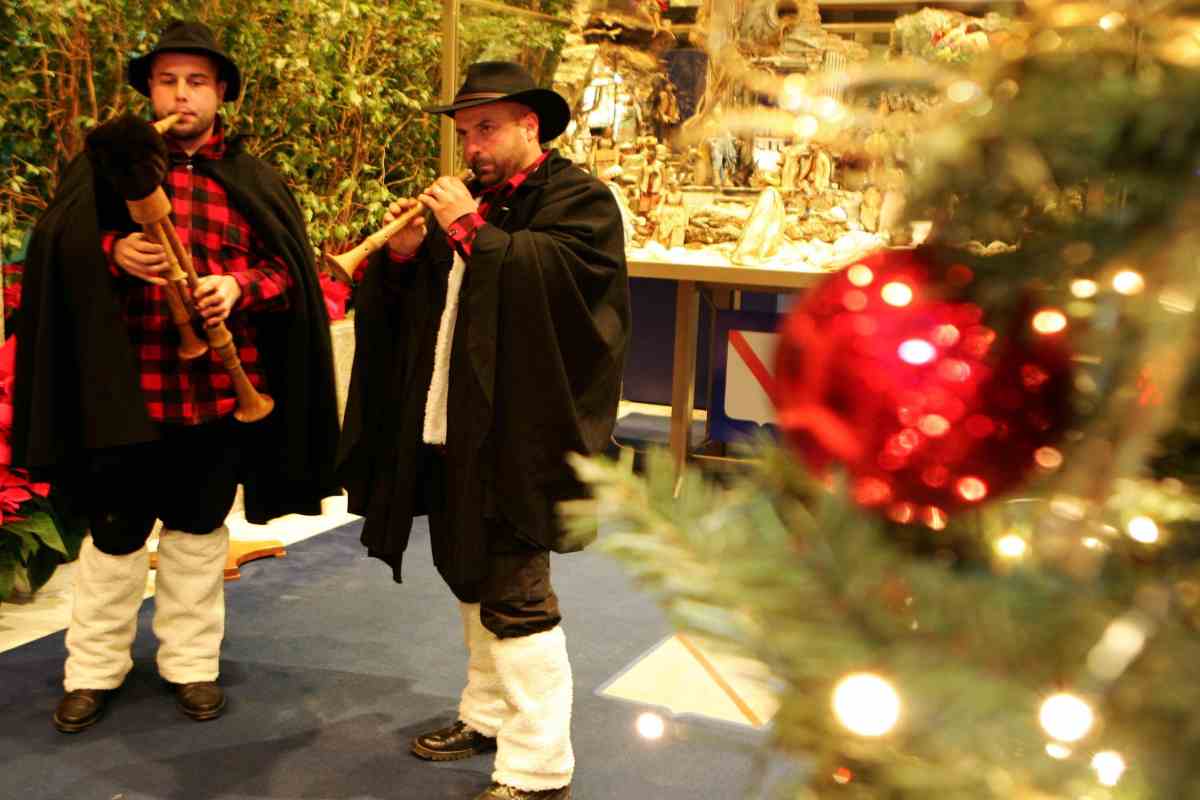
One of the traditions of Novena is carol singing and entertainment of the zampognari. Photo credit: Cityrumours.it
La Vigilia/Christmas Eve – December 24th
To prepare and purify their bodies for Christmas Day, Italians avoid eating meat on la Vigilia (Christmas Eve). Although the idea is to eat lean, many people indulge in multiple courses of fish… sometimes as many as seven! If you want to stage a similarly decadent meal, read our post on how to have an Italian Christmas meal, including recipes!
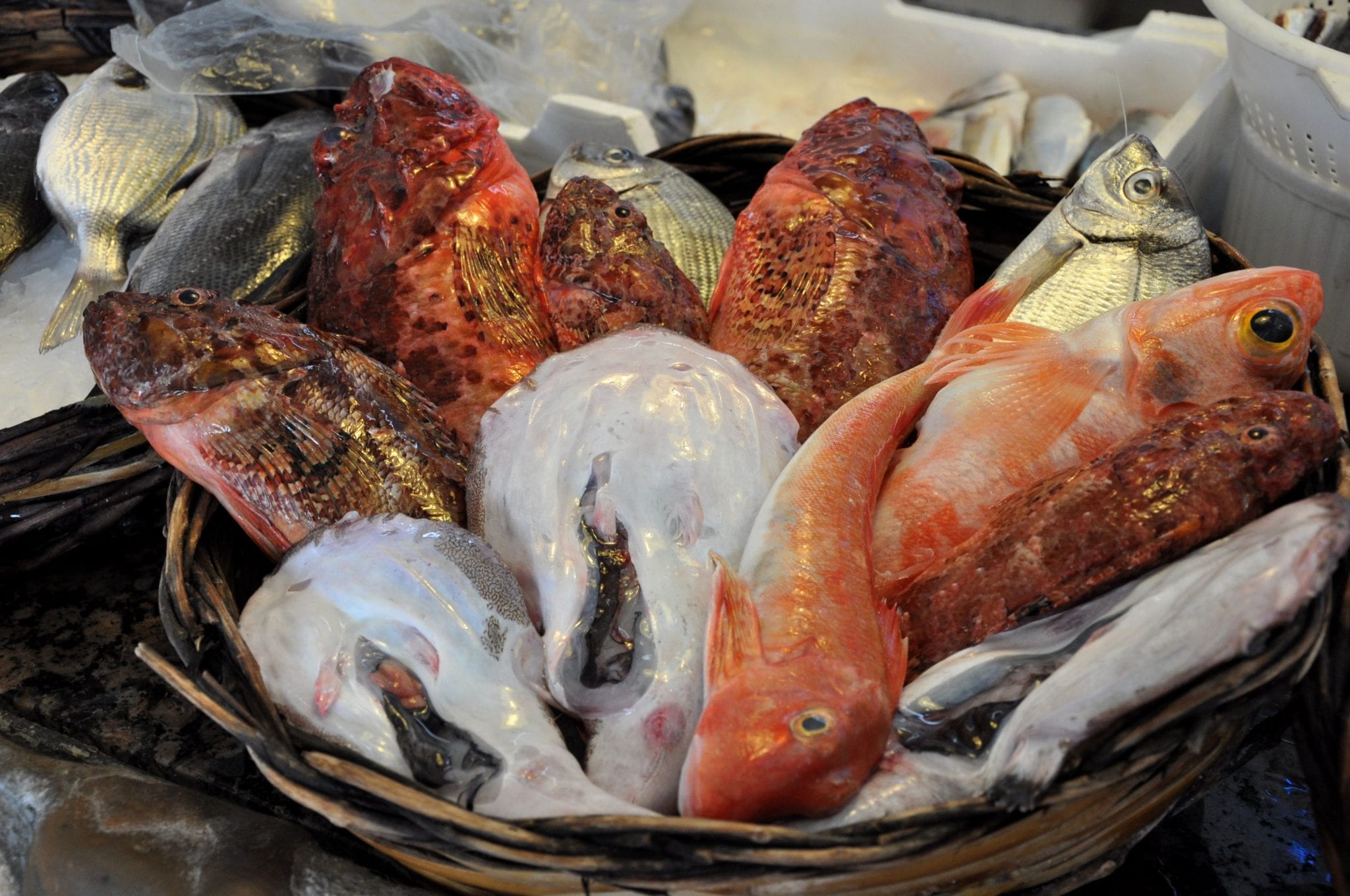
Fish is always on the menu on La Vigilia, Christmas Eve.
Midnight Mass… or torchlit skiing?
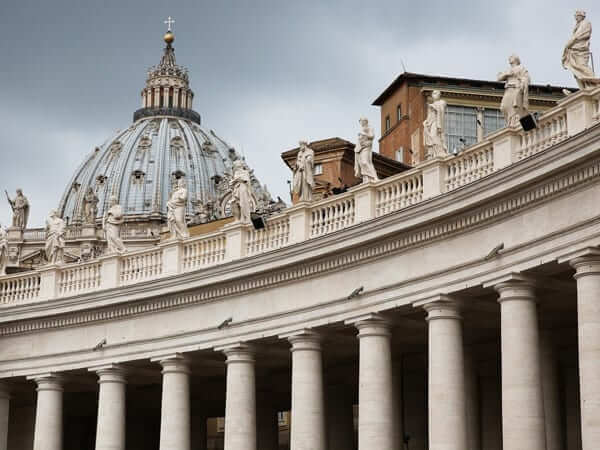
Another Christmas tradition in Italy, is that, after the family dinner, they all head to midnight Mass at their local church to celebrate. (Some Romans even head to the Vatican for Mass with the Pope!).
However, traditions vary from city to city: Up north, in Cortina d’Ampezzo in the Dolomite Mountains, thrill-seekers can be seen skiing down the slopes with torches at midnight to welcome Christmas. A different kind of ceremony to the religious service of mass.

The snow covered mountains are popular in the Christmas season.
Christmas Day – feasting with family and friends
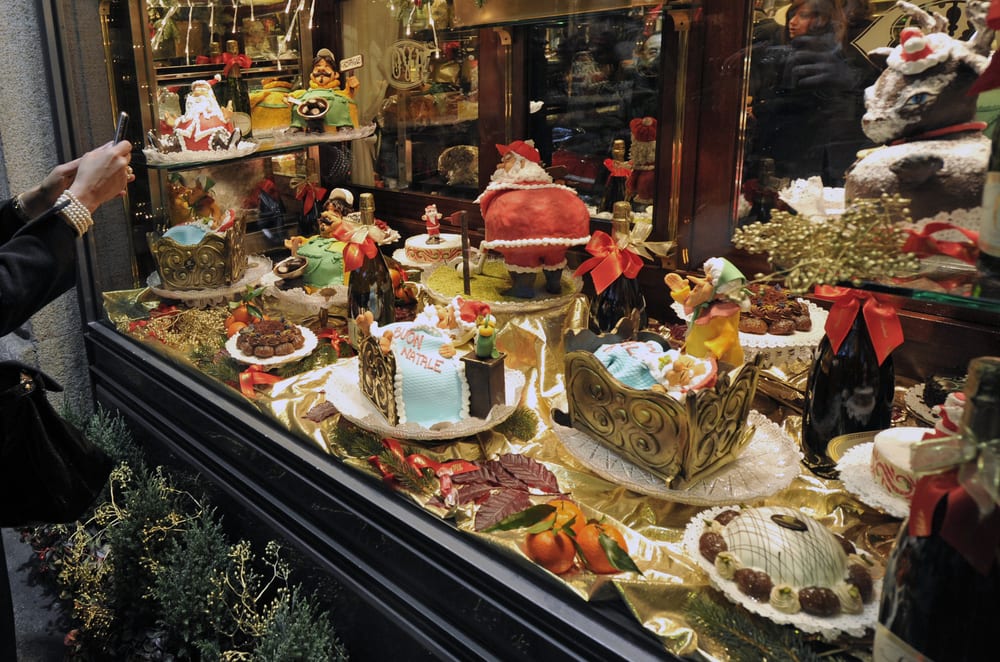
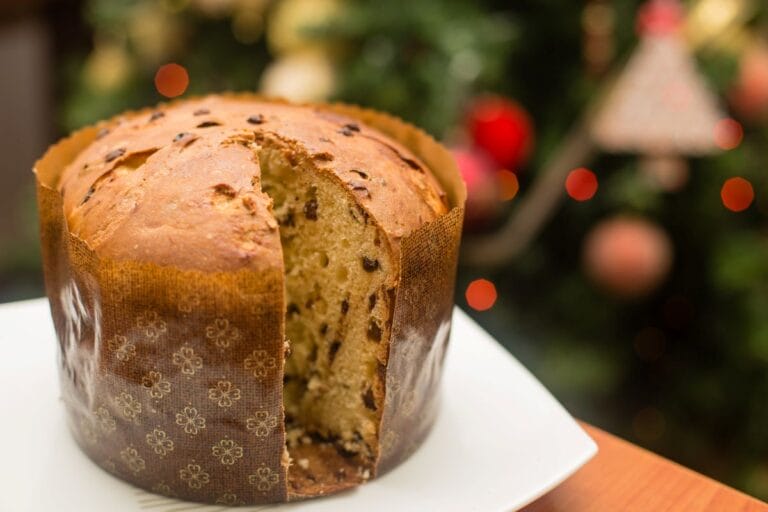
After the “light” Christmas Eve dinner, on Christmas Day, Italians invite their family and friends for a large lunch that usually goes on all day. Many save up to have the most lavish celebration possible, serving up traditional dishes like pasta in brodo (pasta in broth), roasts and traditional desserts like panettone.
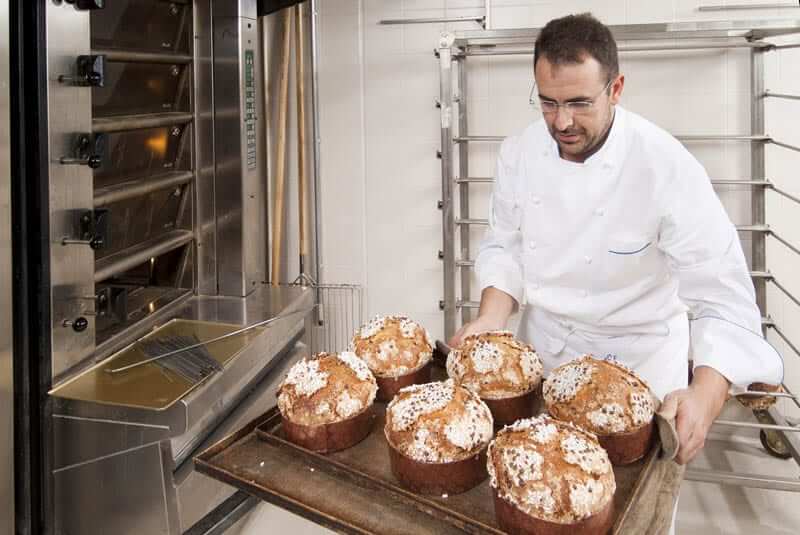
Fresh-baked panettone, one Italian Christmas tradition
If you like the look of that, have a read of our blogpost about Italy’s sweet Christmas breads, including panettone, pandoro and more!).
Santo Stefano on December 26th
Celebrations often extend into December 26 with the national holiday of Santo Stefano; the Italian version of Boxing Day! Families get together and eat leftover Christmas dishes and sweets.
The Epiphany – January 6th
The official end of the Christmas season, though, isn’t until January 6—the Day of the Epiphany, and the twelfth day of Christmas. On the eve of the Epiphany, families usually prepare a large dinner to mark the end of the holiday season; children are given candy or coal (usually made of black sugar), depending on if they were naughty or nice. After January 6, you’ll see Christmas markets close and decorations start to come down.

Gift Giving Traditions in Italy
Ask an Italian when their family opens gifts, and it might give you a clue to where they are from!
In general, gifts are commonly exchanged on Christmas Day after lunch—sometimes with the belief that Jesus has delivered them – take that, Santa!
But some smaller, northern Italian cities believe that the blind Saint Lucia brings gifts for children on December 13, so they open them that morning.
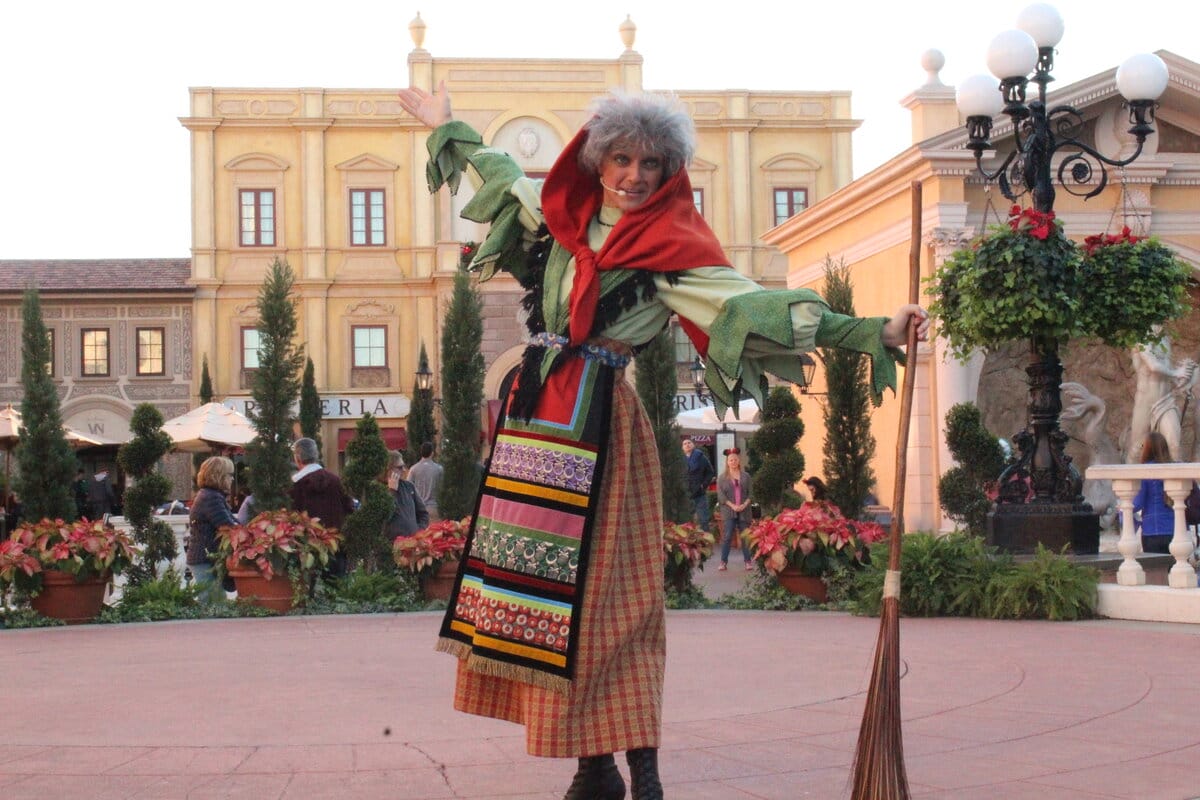
A woman dressed up as the Italian witch called La Befana.
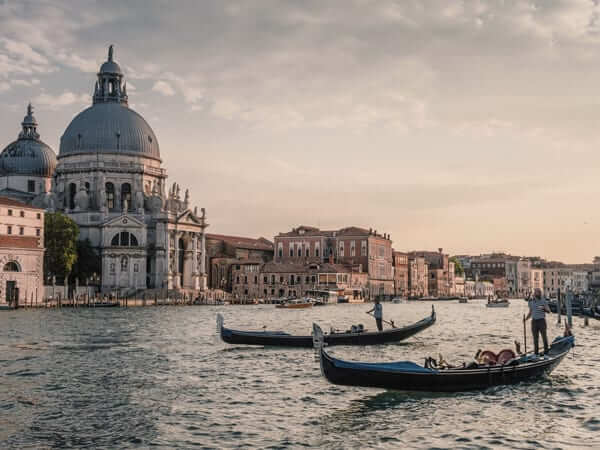
Other families may wait until January 6, the Epiphany, when La Befana – a kind of “good witch” drops off presents. La Befana is believed to have followed the wise men, but got lost! It is a particular tradition in Rome and Bologna, where the main piazzas often host fun activities for children. And in Venice, locals believe that La Befana arrives every year by boat!
Regardless of when they open their presents, many Italians keep their wrapped gifts on display on the pyramid-shaped ceppo, along with candles and other decorations.
FAQ: Christmas Traditions in Italy
How much does Christmas typically cost in Italy?
While Christmas in Italy is very family-focused, it isn’t always cheap. Italians often spend generously on food, decorations, and gifts. A traditional multi-course Christmas Day lunch at a restaurant can range from €50–€120 per person, while festive markets tend to offer more affordable street foods and handcrafted gifts. Panettone and pandoro also vary in price — a supermarket version might cost €6–€12, while artisanal ones from historic bakeries can reach €30–€50.
What is the weather like during Christmas in Italy?
Italy’s Christmas season varies by region, but generally:
- Northern Italy (Milan, Turin, the Dolomites): Cold, often between 0°C and 8°C, with a good chance of snow in mountain towns.
- Central Italy (Rome, Florence): Cool but mild, usually 7°C–13°C, ideal for outdoor Christmas markets without freezing.
- Southern Italy (Naples, Palermo): Noticeably warmer at 12°C–18°C, making it an excellent choice for visitors who want festive traditions without heavy winter coats.
Are shops and restaurants open over the Christmas holidays in Italy?
It depends on the day. If you’re visiting during this period, booking restaurants and attractions well in advance is strongly recommended.
- December 24 (Christmas Eve): Shops often close early; many restaurants remain open for special dinner menus.
- December 25 (Christmas Day): Most shops close entirely, and only selected restaurants are open for pre-booked Christmas lunches.
- December 26 (Santo Stefano): A public holiday — many museums and shops remain closed, though tourist areas may reopen.
If this has piqued your interest and you’re dreaming of discovering Italy in all its festive glory, make your next stop Walks of Italy to explore their full range of tours, guides, and insider tips on the cities and towns you can experience over the holiday season. It’s the perfect place to find inspiration.

Book a Tour

Pristine Sistine - The Chapel at its Best
€89

1794 reviews

Premium Colosseum Tour with Roman Forum Palatine Hill
€56
850 reviews
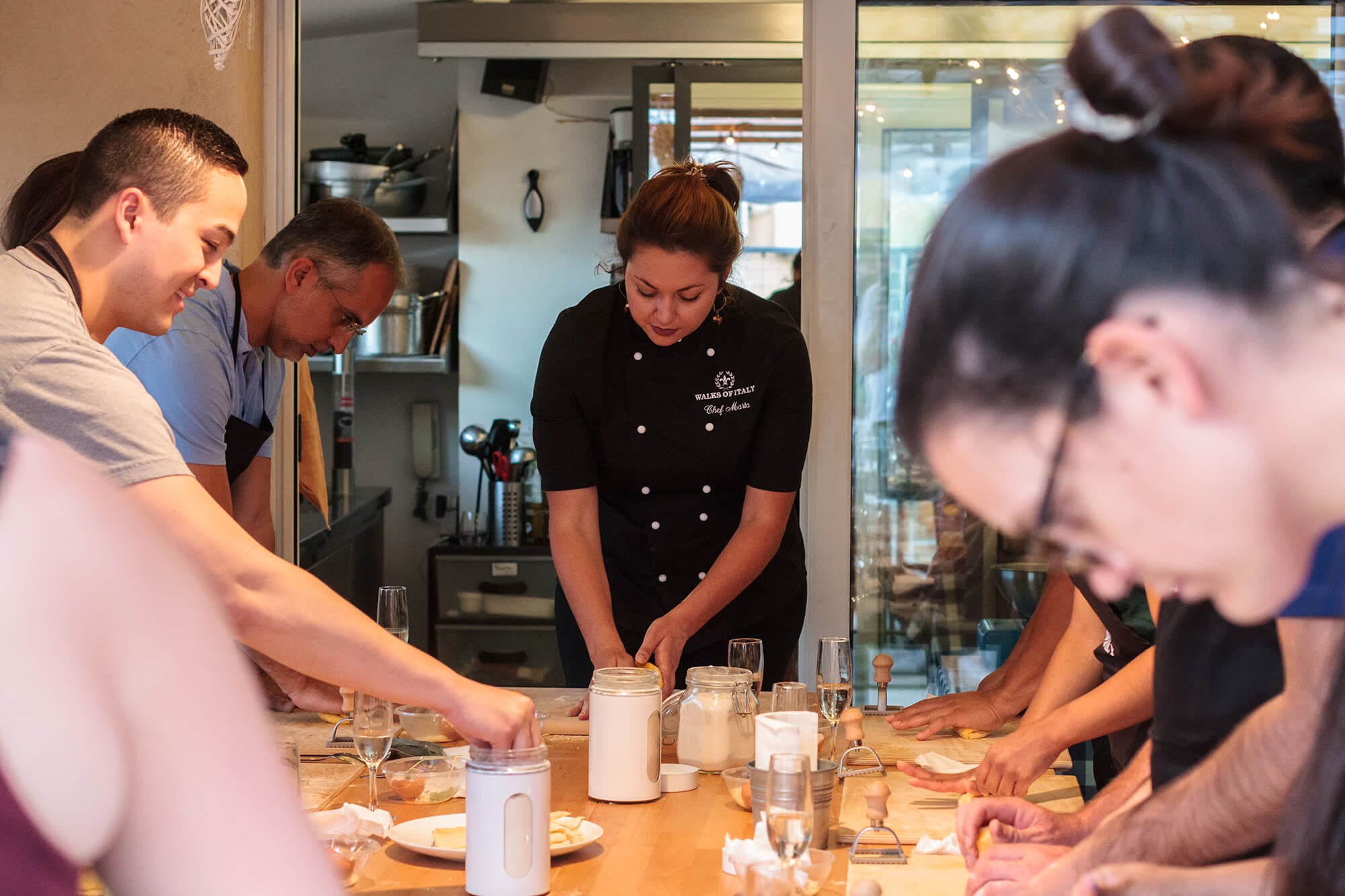
Pasta-Making Class: Cook, Dine Drink Wine with a Local Chef
€64
121 reviews

Crypts, Bones Catacombs: Underground Tour of Rome
€69
401 reviews

VIP Doge's Palace Secret Passages Tour
€79
18 reviews

Legendary Venice: St. Mark's Basilica, Terrace Doge's Palace
€69
286 reviews
You May Also Like
Follow us
Stay up to date with travel tips, local insights and all things Italy on our social channels!


Subscribe to our Newsletter
Get curated Italy travel tips delivered to your inbox!

