


Celebrate Easter in Rome: Events, Traditions, and Must-See Highlights
June 17, 2026
The continuing traditions of Easter in Rome stand as a testament to the city’s unwavering connection to its rich history, deep-rooted religious practices and the spiritual resonance that permeates its streets. Indeed, as spring unfolds and the Easter traditions start to appear, Rome undergoes a transformation, becoming a tapestry of religious fervor, vibrant festivities, and delectable culinary delights.
In this post, we delve into the religious celebrations that occur during Easter in Rome, such as the sacred events on Holy Thursday through to Easter Sunday. Plus, learn more about special consideration for sightseeing and seasonal treats you can try when on holiday during this special vacation season.
Whether you are planning a trip to Rome especially for the Easter events or you are there coincidentally due to the dates of the kids school holidays, you should be aware that there are some key events that take place over the Easter weekend.
Religious Events During Easter in Rome
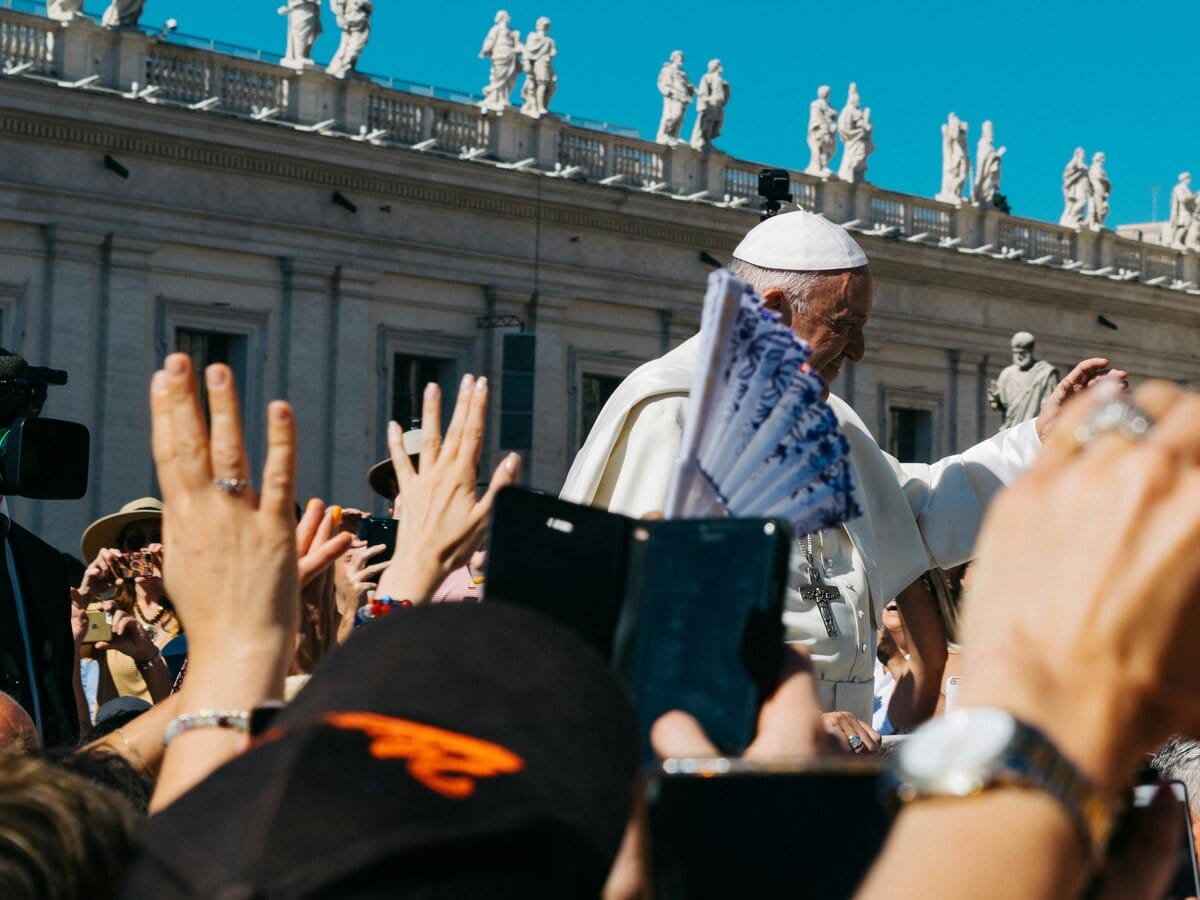
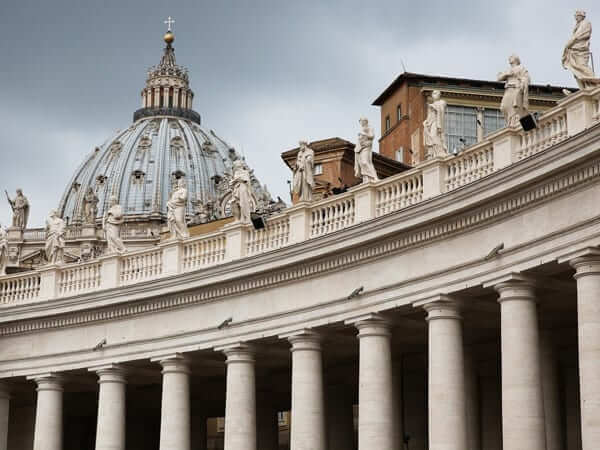
The Pope plays a key role during Easter, culminating in St Peter’s Square on Easter Sunday. Photo credit: Kai Pilger
Easter in Rome is marked by a series of deeply symbolic religious events that take place throughout Holy Week, known in Italian and Spanish contexts as Settimana Santa or Semana Santa.
This sacred period begins on Holy Thursday and culminates on Easter Sunday, commemorating the final days of Christ’s life, his crucifixion, and resurrection. In many parts of Southern Europe this week is brought to life through solemn processions, candlelit vigils, and open-air ceremonies, where participants often walk through the streets carrying religious statues, crosses, or candles.
In Rome, many of the most important events are led by the Pope and held in and around the Vatican, creating a powerful atmosphere that blends tradition, faith, and centuries-old ritual.
Expect peak congestion around the Vatican and Colosseum during Holy Week, particularly from Good Friday to Easter Sunday, when Rome can feel at summer-level crowds in key areas.
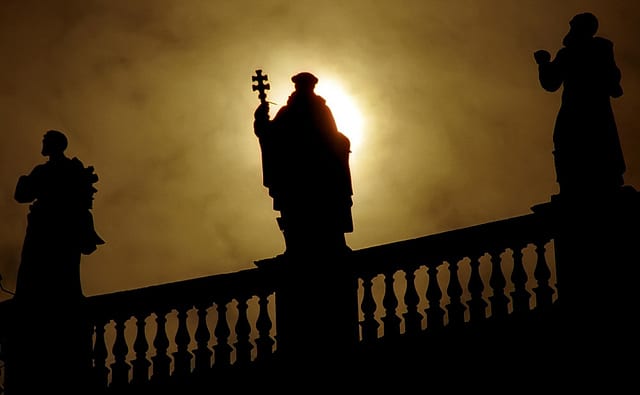
Piazza San Pietro (St. Peter´s Square) and its Basilica are central to the Easter ceremonies. Photo by David Ohmer
Holy Thursday
The journey into the Holy Week commences with Holy Thursday, a day marked by profound symbolism and humility. At St. Peter’s Basilica, the Pope leads a poignant Mass, reenacting the Last Supper by washing the feet of twelve priests. This powerful ceremony serves as a reminder of the core tenets of Christianity – humility, service, and love.
Good Friday
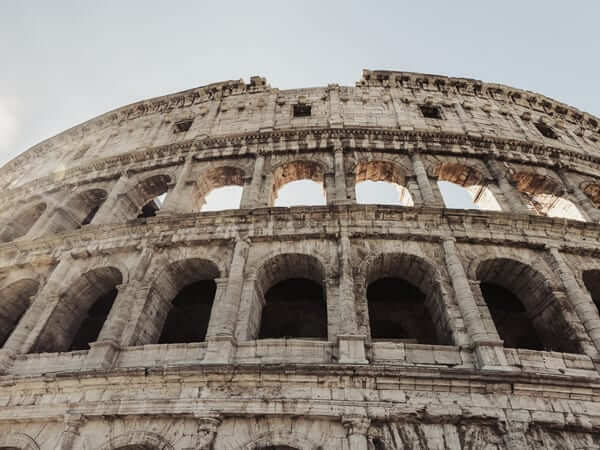
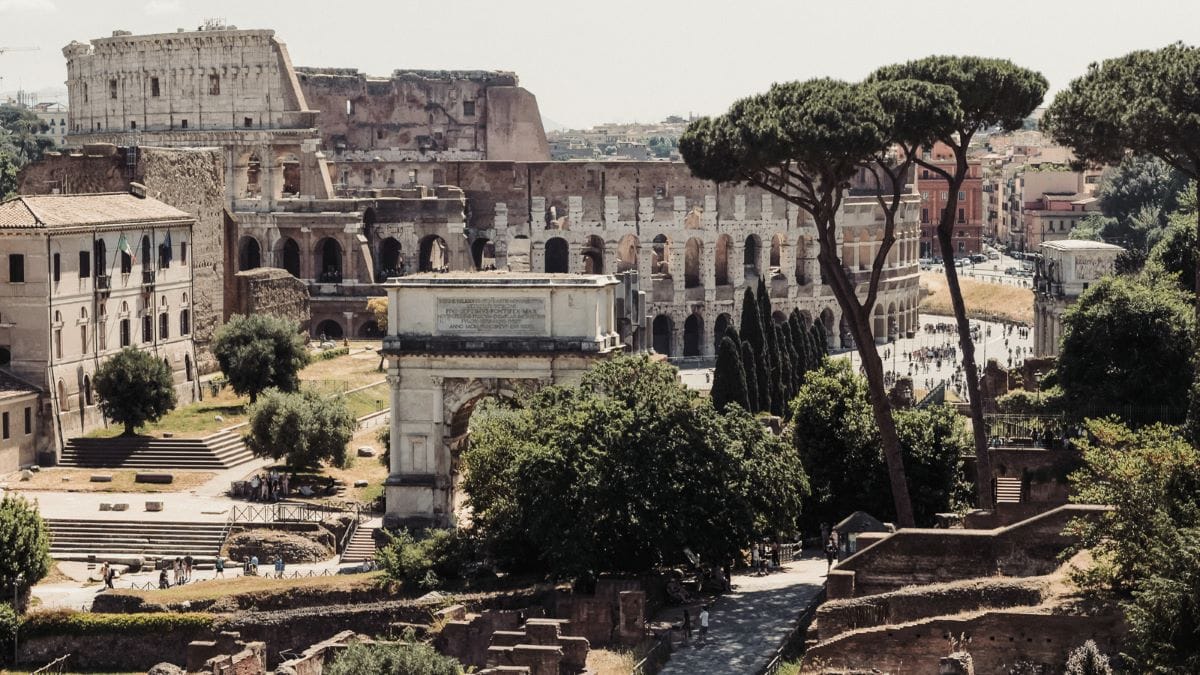
Good Friday in Rome is a solemn day, epitomized by the “Way of the Cross” procession at the iconic Colosseum. Led by the Pope, this emotional journey retraces the Stations of the Cross, each step echoing with the weight of Christ’s sacrifice. Against the backdrop of the ancient amphitheater, the atmosphere is one of reverence and reflection.
Easter Saturday
Easter Saturday witnesses the city’s spiritual zenith with the Easter Vigil at the Vatican. St. Peter’s Basilica is bathed in candlelight, and the Paschal candle, symbolizing the light of Christ, takes center stage. The vigil is a transformative experience, culminating in the baptism of catechumens and marking the beginning of a renewed spiritual journey.
Easter Sunday
Easter Sunday, the pinnacle of the celebrations, radiates joy across the Vatican and Rome. St. Peter’s Square becomes a sea of colors as flowers adorn the space, and the faithful gather to witness the Pope’s Urbi et Orbi blessing. It is a proclamation of hope and renewal, resonating far beyond the city walls.
Ticketing and planning for Vatican Easter events
It’s important to plan ahead if you hope to attend Easter events at the Vatican. While many ceremonies are free to attend, some of the most significant moments, such as the Easter Sunday Mass in St. Peter’s Basilica and the Urbi et Orbi blessing in St. Peter’s Square, require free tickets requested in advance through official Vatican channels.
Demand is extremely high, and tickets often need to be requested several weeks in advance, particularly in recent years when Easter crowds have increased significantly. Even with a ticket, early arrival is essential, as security checks and crowd control can cause long waiting times.
Insider Tip: Exact times for mass and other religious events may vary slightly each year and depend on papal availability. Always check the official Vatican announcements in the weeks leading up to Easter, as schedules and access arrangements may change slightly each year. Check out the Vatican website for more details.
Sightseeing During Easter in Rome
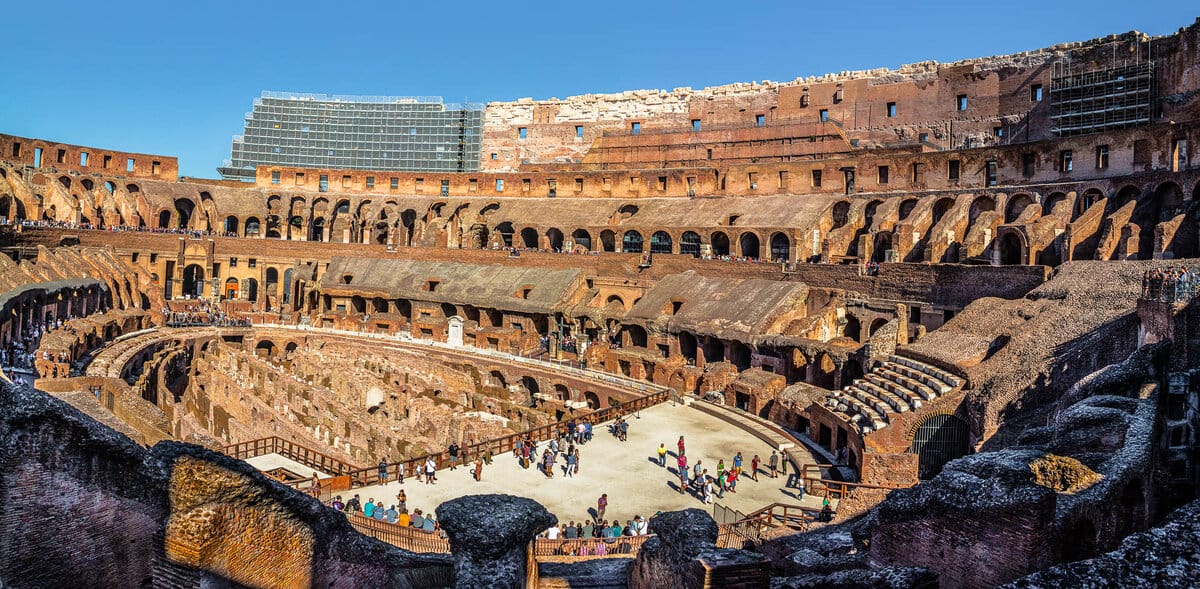
Most of Rome’s iconic landmarks such as the Colosseum remain open over Easter weekend.
Despite the deep religious significance of Easter, Rome maintains a semblance of normalcy during the holiday. Many essential services, including restaurants, shops, and businesses, remain open, ensuring that visitors can navigate the city comfortably.
However, it is advisable to check individual establishments for any variations in operating hours during the Easter weekend.
Monuments and Museums Open During Easter
While some museums and monuments may observe closures on Good Friday and Easter Sunday, several iconic sites usually welcome eager visitors.
The Colosseum, a symbol of ancient grandeur, stands resolute, along with the adjacent Roman Forum and Palatine Hill, inviting exploration.
St. Peter’s Basilica and the Vatican Museums may offer extended hours and special events, drawing pilgrims and tourists visiting for Easter in Rome into their hallowed halls.
Insider Tip: The best strategy is to visit major attractions early in the week (Monday–Wednesday) and leave Good Friday to Sunday for religious events or neighbourhood exploration.”
Transport During Easter in Rome
Rome’s public transport system remains fully operational during Easter, including the metro, buses, and trams. However, it’s worth noting that services can feel significantly more crowded than usual, especially around major attractions such as the Vatican and the Colosseum during Holy Week.
The metro (Lines A and B) is the most useful option for visitors, connecting key areas like Termini, the Spanish Steps, the Colosseum, and the Vatican via nearby stops. That said, Rome’s historic centre is still best explored on foot, particularly during Easter when many central streets are closed or congested.
If you are staying slightly outside the centre, try to choose accommodation close to a Metro A or B station for the easiest access to the main sights.
Insider Tip: Metro A connects key sights like the Vatican Museums, Spanish Steps, and Trevi Fountain (via nearby Barberini), while Metro B is ideal for reaching the Colosseum, Roman Forum, and Circo Massimo.
Weather During Easter in Rome
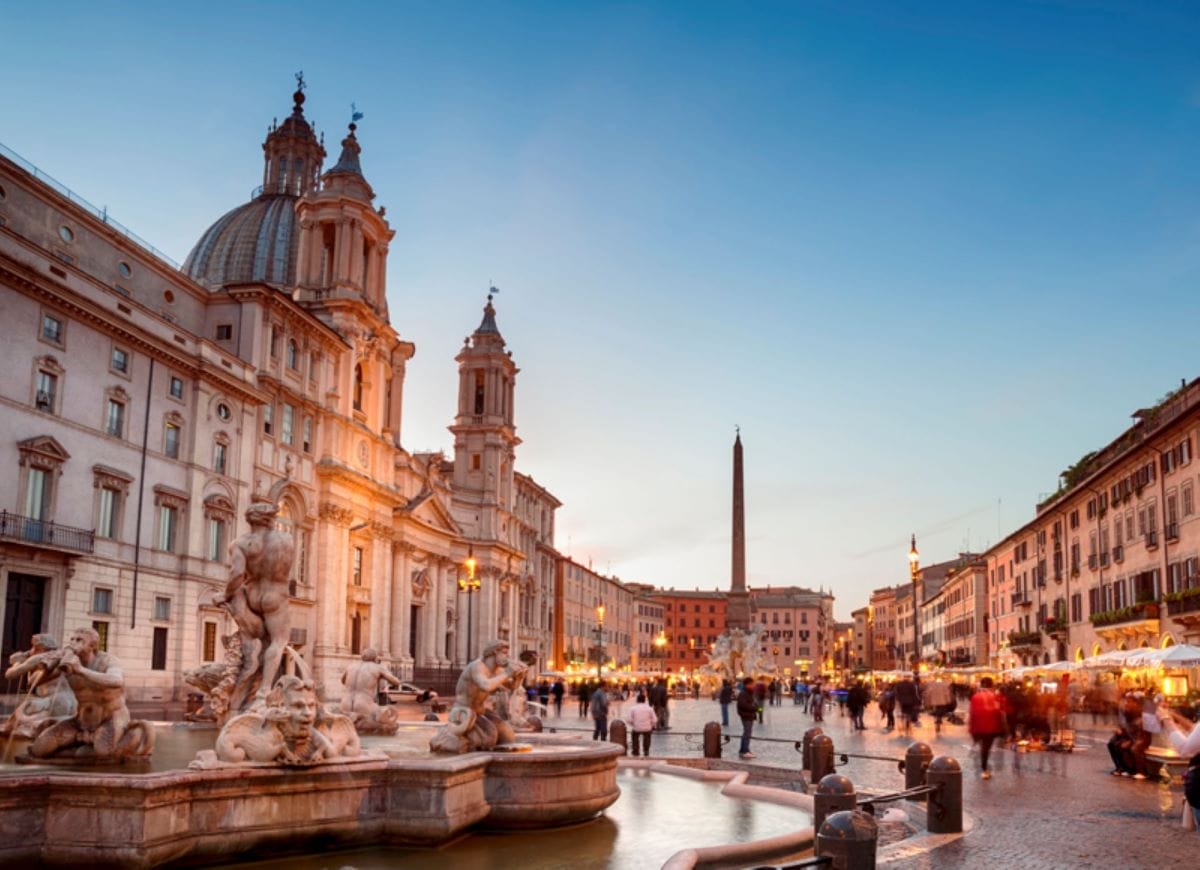
Easter in Rome usually means warm sunlight in daytime, but it can be a bit chilly in the evenings.
Easter in Rome unfolds against the backdrop of a burgeoning spring. The city experiences mild temperatures, typically ranging from 15 to 20 degrees Celsius (59 to 68 degrees Fahrenheit) during the day. The blossoming flowers and gentle breezes create an inviting atmosphere for outdoor exploration.
April weather can be unpredictable, with occasional spring showers and cooler evenings, as the sun sets, a jacket is advisable!
Typical Dishes During Easter in Rome
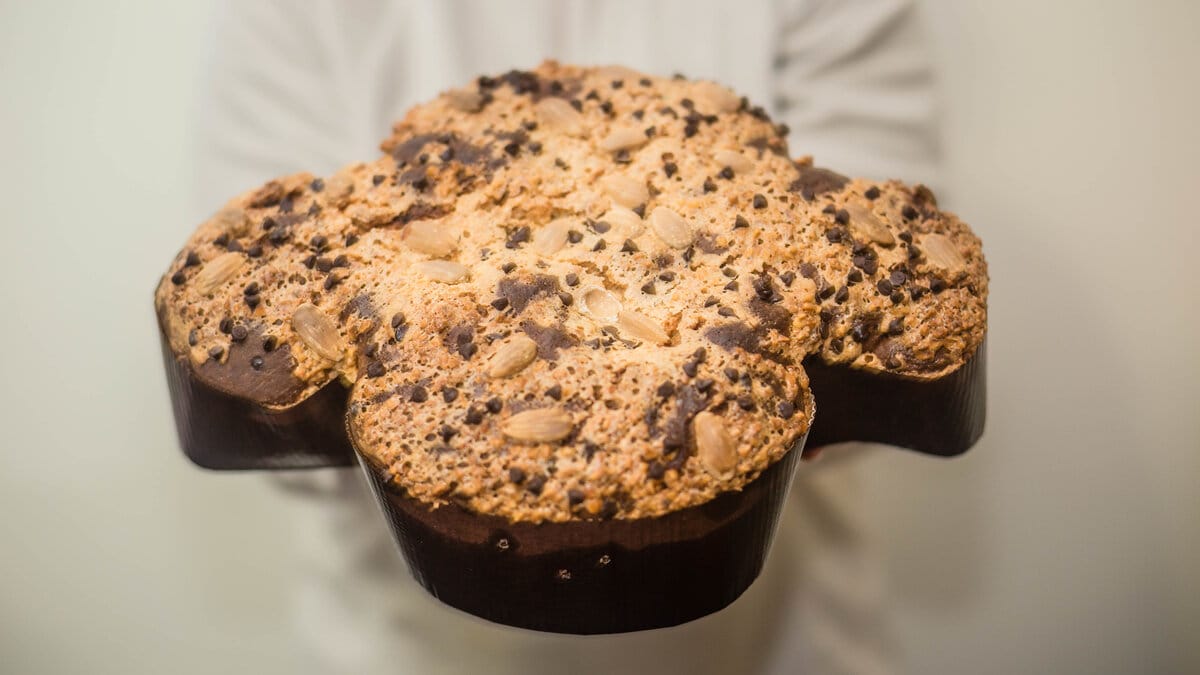
Colomba di Pasqua is a typical sweet and festive cake that you must try if you spend Easter in Rome
Easter in Rome is not only a spiritual celebration but also a time when the city’s rich culinary heritage takes center stage. The festive table is adorned with traditional dishes that reflect the season’s bounty and the deep-rooted cultural significance of Easter. Let’s take a look at some of the typical food you can try if you travel to Rome at Easter:
Colomba di Pasqua
Meaning “Easter Dove,” it is a sweet and festive cake that marks the end of the Easter meal. Made with a soft, yeasted dough and studded with candied fruits, almonds, and sometimes chocolate, Colomba di Pasqua is baked until golden and often topped with a sugary glaze.
Abbacchio al Forno
Abbacchio, a succulent roast lamb, is the quintessential centerpiece of an Easter feast in Rome. The lamb is typically seasoned with garlic, rosemary, and local herbs, then slow-roasted to perfection, resulting in tender, flavorful meat.
Carciofi alla Romana
These are artichokes prepared in the Roman style, showcasing the city’s love for this versatile vegetable. The artichokes are cleaned, seasoned with mint, garlic, and parsley, then braised until they reach a tender and succulent consistency.
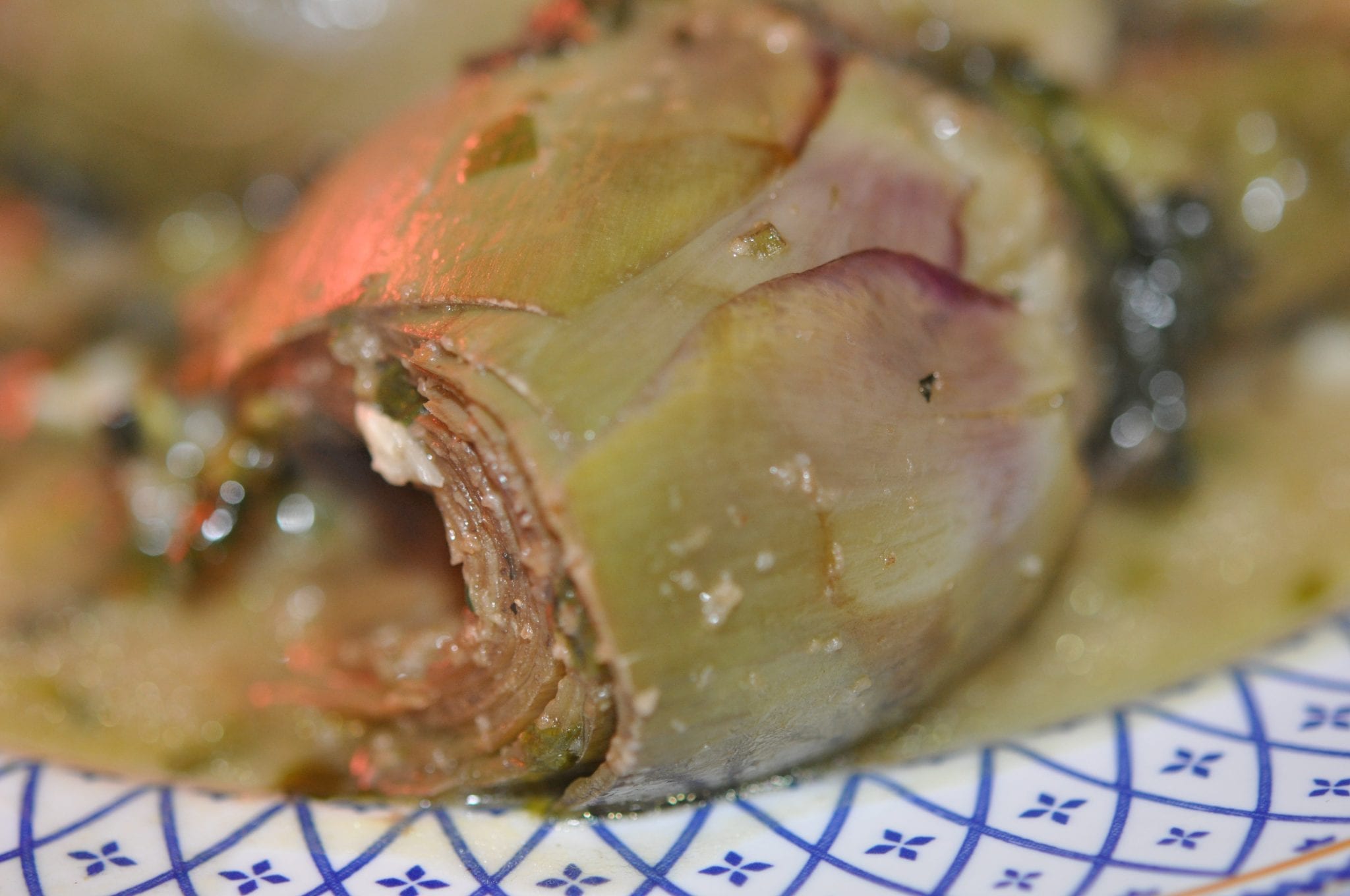
Roman artichokes, available only in certain seasons in Italy
Pomodori con Riso
Tomatoes stuffed with rice, a simple yet flavorful dish that captures the essence of Roman home cooking. The tomatoes are hollowed out and filled with a mixture of rice, herbs, and sometimes ground meat, then baked until the rice is cooked and the flavors meld together.
Fave e Pecorino
A dish that pairs fava beans with Pecorino cheese, a delightful combination that celebrates seasonal produce. Fava beans are blanched and combined with Pecorino cheese, olive oil, and sometimes mint, creating a refreshing and satisfying side dish.
These culinary delights not only showcase the flavors of the season but also pay homage to the cultural and religious traditions that make Easter in Rome a truly unique and unforgettable experience.
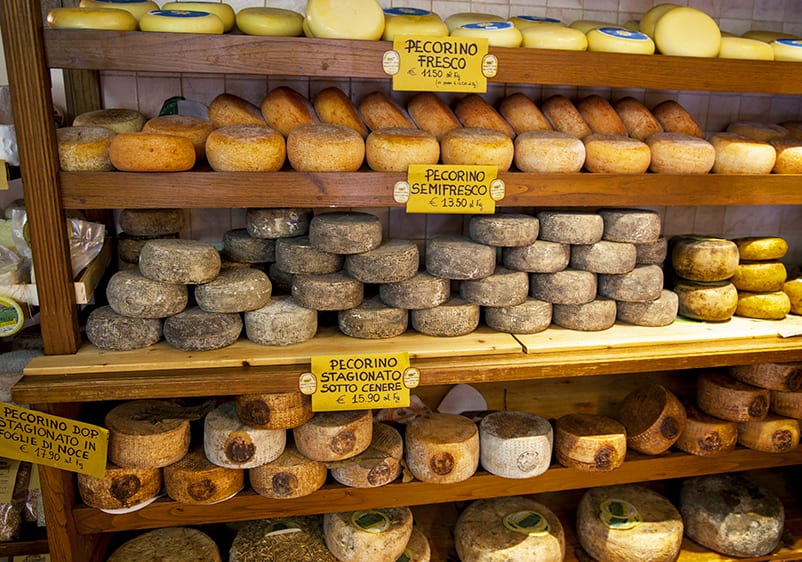
Pecorino cheese is a must-try when in Italy!
Insider Tip: If you want to go beyond Easter itself and explore how Roman food traditions change throughout the year, from spring celebrations to winter festivals, you can also discover more about Christmas traditions in Rome which shows how deeply food is tied to the city’s seasonal culture.
What to do in Rome on Easter Sunday
Easter Sunday in Rome is one of the most atmospheric days of the year, but also one of the busiest. The morning is dominated by the Papal Easter Mass and the “Urbi et Orbi” blessing in St. Peter’s Square, which draws huge crowds and requires either a free ticket or a very early arrival to secure a place.
After the main religious celebrations, many visitors choose to enjoy a slower pace by exploring Rome’s historic centre on foot. Landmarks like the Pantheon, Piazza Navona, and the Trevi Fountain remain open and are especially beautiful when the city is slightly quieter in the late afternoon.
It’s also a good day to enjoy a long Roman lunch in one of the city’s neighbourhood trattorias, though it’s essential to book ahead, as Easter Sunday lunch is one of the most important family meals of the year and restaurants fill up quickly.
For a more relaxed experience, many travellers head to quieter areas such as Trastevere or the Aventine Hill, where you can enjoy panoramic views, open churches, and a calmer atmosphere away from the main crowds.
Insider tip: Thinking about visiting at another time of year? From spring blooms and summer evenings to autumn colours and Christmas celebrations, our guide to the best time of year to visit Rome explains what to expect in every season so you can plan the perfect trip!
FAQs – Easter in Rome
Do you need tickets to attend Easter events at the Vatican?
Some major events, such as the Papal Mass in St. Peter’s Basilica or the Urbi et Orbi blessing in St. Peter’s Square, require free tickets that must be requested in advance through the Prefecture of the Papal Household. Others, like the Good Friday Way of the Cross at the Colosseum, are open to the public but can get very crowded—arriving early is essential.
How far in advance should you plan a trip to Rome for Easter?
It’s best to book flights, accommodation, and any tours several months in advance, as Easter is one of the busiest times of year in Rome. Availability can be limited, especially for hotels near the Vatican and historic center.
What should you wear when attending religious events in Rome?
Modest dress is required when entering churches and attending religious ceremonies. This generally means covering shoulders and knees, avoiding shorts, sleeveless tops, or revealing clothing. Comfortable shoes are also recommended, as you may be standing for long periods.
Are restaurants and shops open during Easter in Rome?
Many restaurants and shops remain open, particularly in central areas, but some may close on Easter Sunday or operate with reduced hours. It’s a good idea to make restaurant reservations in advance, especially for the main festival days as many local restaurants either close or book out far in advance.
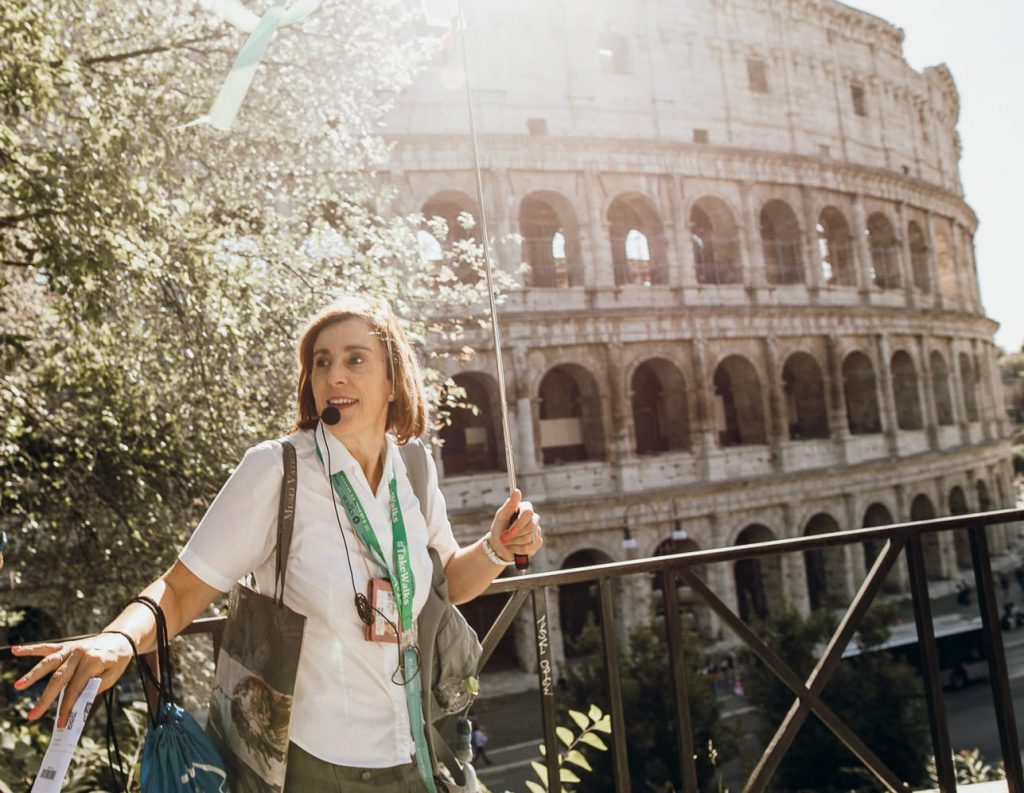
Looking to experience Rome in a more personal and flexible way?
If you’d prefer to explore the Eternal City at your own pace, a private tour is the perfect option. With a dedicated expert guide, you can dive deeper into the stories behind iconic landmarks like the Colosseum and the Vatican, or tailor your itinerary to focus on the sites and themes that interest you most, whether that’s history, art, food, or hidden corners off the beaten path.
Discover Rome your way—on a tour designed just for you.

Book a Tour

Pristine Sistine - The Chapel at its Best
€89

1794 reviews

Premium Colosseum Tour with Roman Forum Palatine Hill
€56
850 reviews
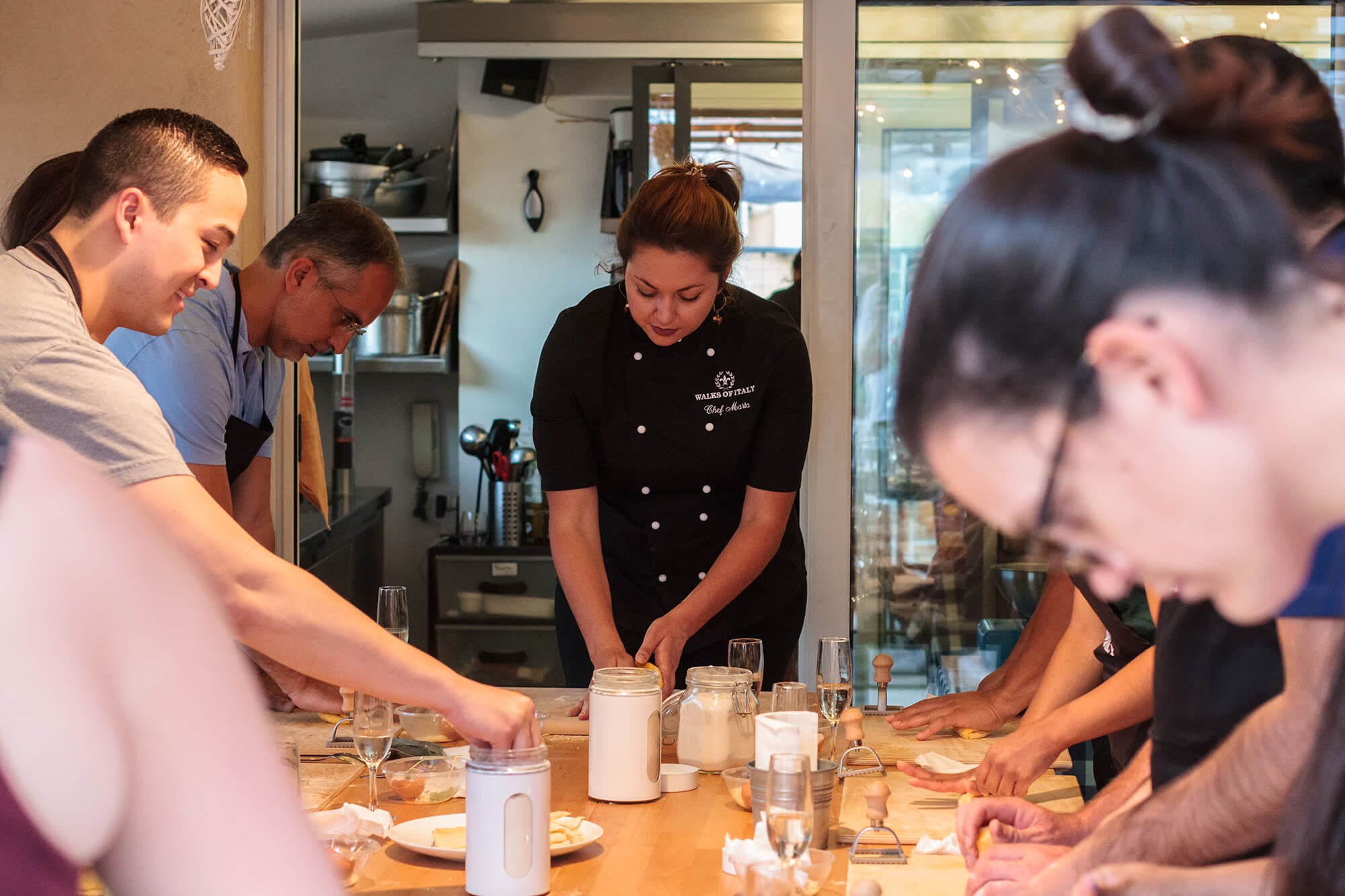
Pasta-Making Class: Cook, Dine Drink Wine with a Local Chef
€64
121 reviews

Crypts, Bones Catacombs: Underground Tour of Rome
€69
401 reviews

VIP Doge's Palace Secret Passages Tour
€79
18 reviews

Legendary Venice: St. Mark's Basilica, Terrace Doge's Palace
€69
286 reviews
Follow us
Stay up to date with travel tips, local insights and all things Italy on our social channels!


Subscribe to our Newsletter
Get curated Italy travel tips delivered to your inbox!

