


When Is the Best Time of Year to Visit Rome? A Month-by-Month Guide
June 30, 2026
Rome is one of the world’s most popular city-break destinations, but the experience can vary dramatically depending on when you visit. Summer brings long days, bustling piazzas, and peak tourist crowds, while winter offers lower prices and quieter attractions. Spring and autumn are widely considered the best times to visit Rome thanks to their pleasant weather, manageable crowd levels, and excellent sightseeing conditions. So, when is the best time of year to visit Rome?
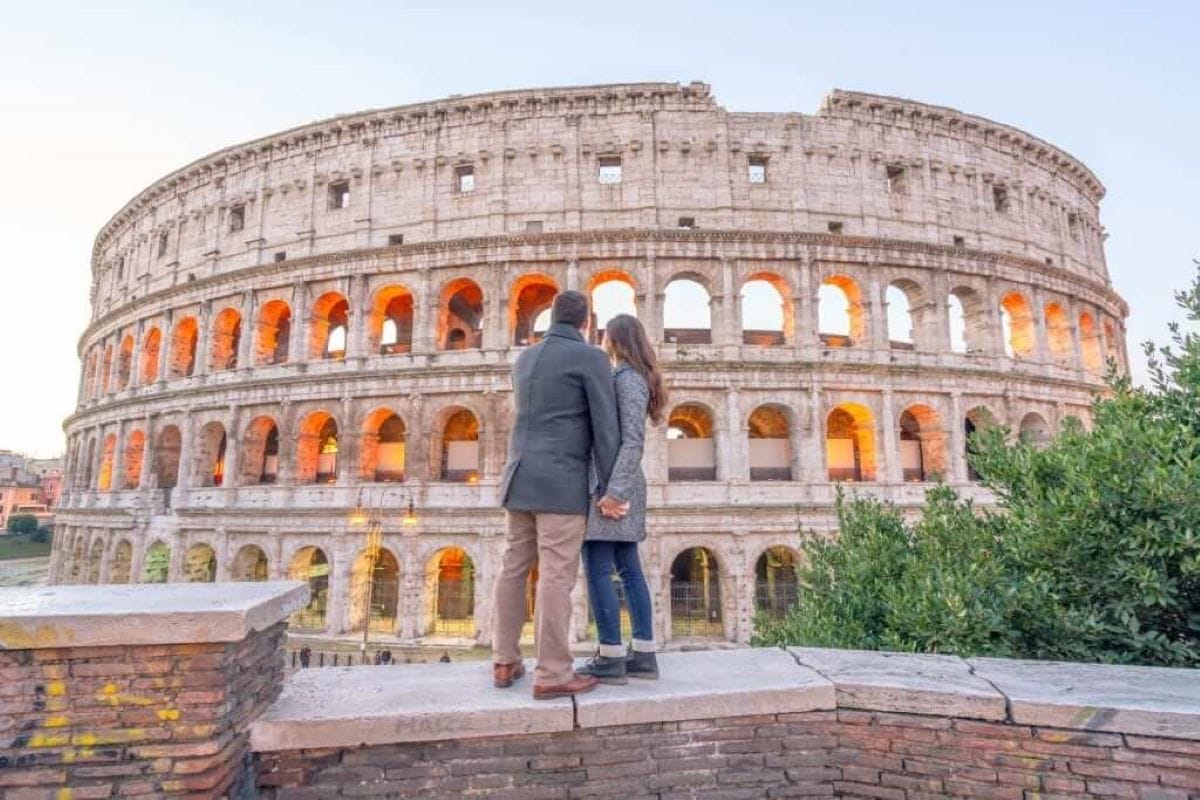
February is, of course, a peak time for Valentine´s trips and romantic city breaks!
When is the best time of year to visit Rome?
For most travelers, April-May and September-October offer the ideal balance of comfortable temperatures, vibrant local life, and easier access to major attractions. However, the best month to visit Rome depends on your priorities. Food lovers may prefer autumn’s seasonal produce, budget travelers can save money by visiting in winter, and families often enjoy the mild weather of late spring.
In this guide, we’ll break down Rome weather by month, crowd levels throughout the year, seasonal events, and the best times to visit based on your travel style.
But first, here is a quick summary:
- Best overall: April–May and September–October
- Best weather: May and October
- Cheapest: January and February
- Best for food lovers: October and November
- Best for families: April, May, June
- Best for avoiding crowds: January, February, November
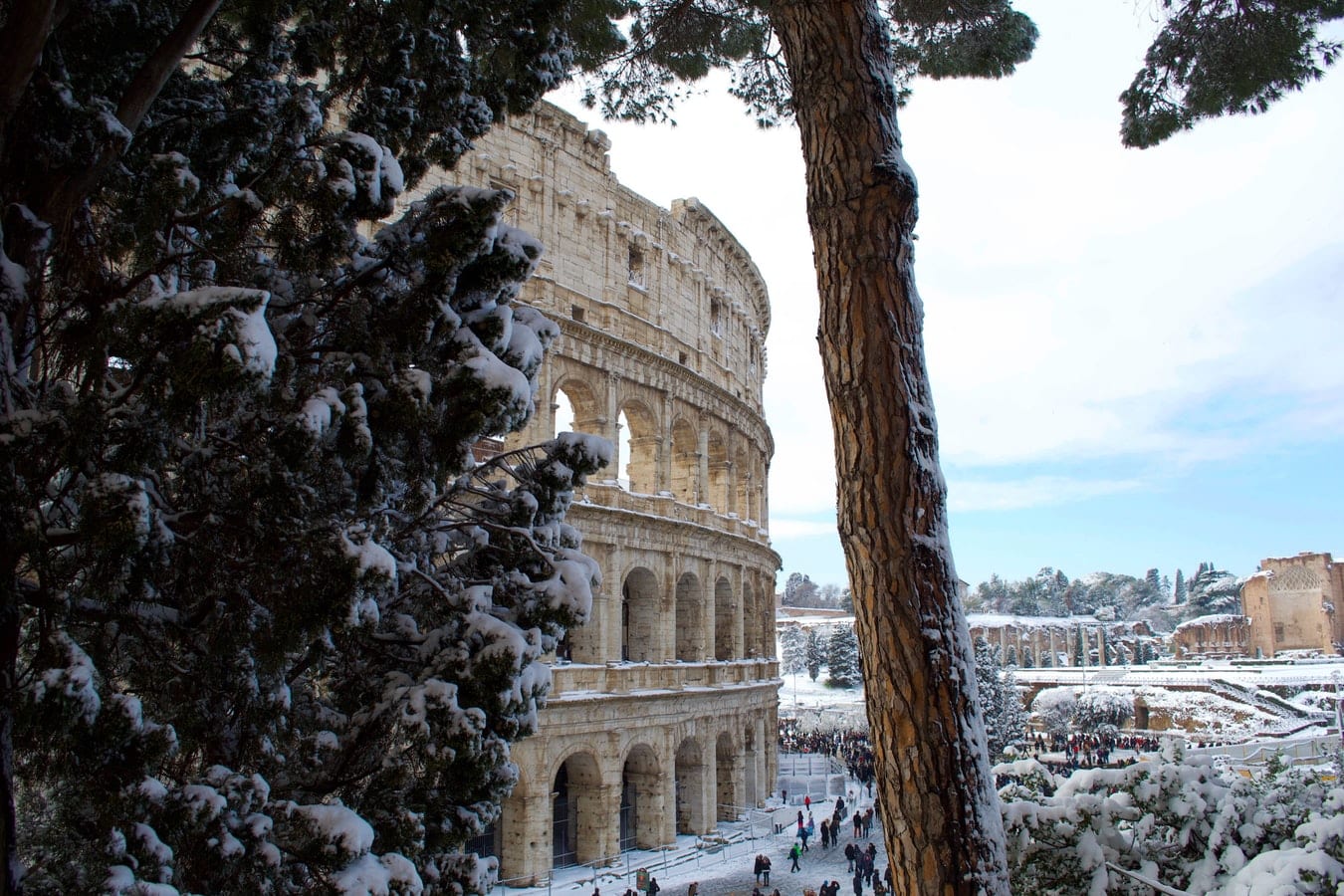
It may be cold, but visiting in the winter can be magical with a dusting of snow!
Rome in the Spring: March, April and May
Glorious spring. It’s hard not to get mad at spring when nature is resurrected, and everything seems to have a, well, spring in its step. Rome included. The early part of the season is what’s known as “shoulder season,” when the crowds are fewer, prices might be a bit lower, and the sun is not so blistering.
Rome in March
As spring begins, Rome starts to warm up and outdoor sightseeing becomes more enjoyable. Tourist numbers gradually increase, but March still offers a good balance between pleasant weather and manageable crowds. With the weather on your side, consider seeing the main sites of Rome in a day with a fun, guided tour.
Rome in April: Tanti Auguri, Roma!
As the story goes, on April 21st in the year 753 B.C., brothers Romulus and Remus founded the city of Rome. So, if you are in the Eternal City, April 21st marks the birthday, or Natale, of Rome.
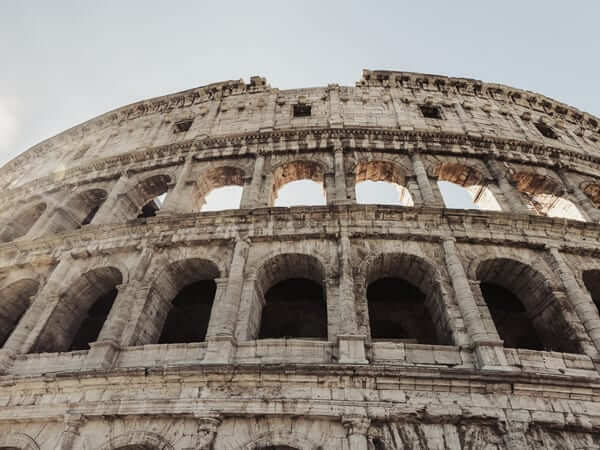
This would therefore be a stellar time to visit some of the city’s most ancient sites, such as the Colosseum, the Forum, and Palatine Hill. And to most of your time, why not join a small-group tour with an expert guide, who will take the stress out, and put the stories in!
There are also plenty of events. Il Gruppo Storico Romano often puts on family-friendly historical re-enactments at ancient sites, such as the Circus Maximus. All of this, combined with Rome’s mild spring weather, blooming parks, and lively atmosphere, makes April one of the very best times of the year to experience the Eternal City.
Rome in May
Many travelers consider May the best month to visit Rome. Warm temperatures, long daylight hours, and vibrant outdoor dining create ideal conditions for exploring the city. Crowds increase, but the weather makes it worth it.
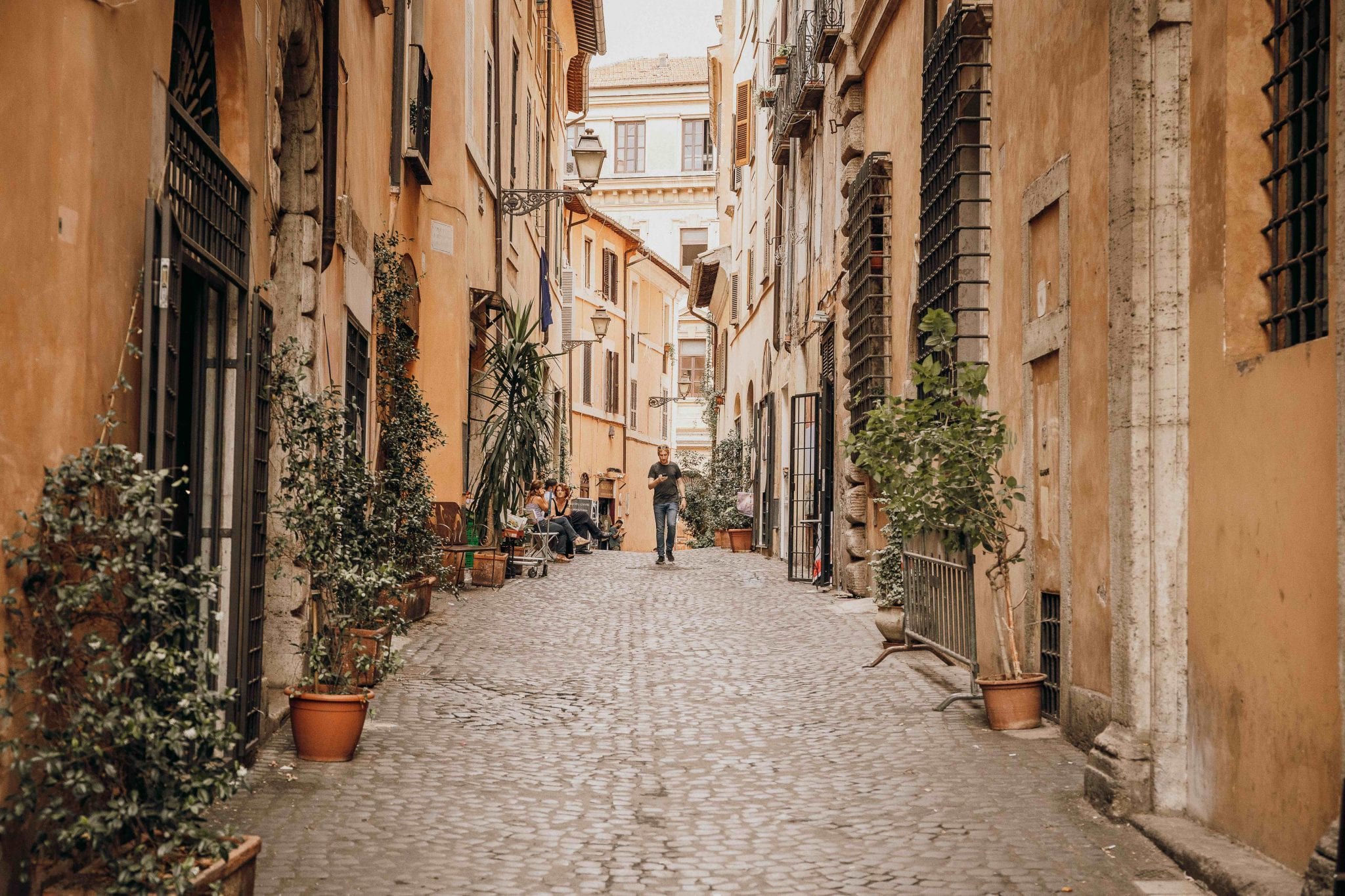
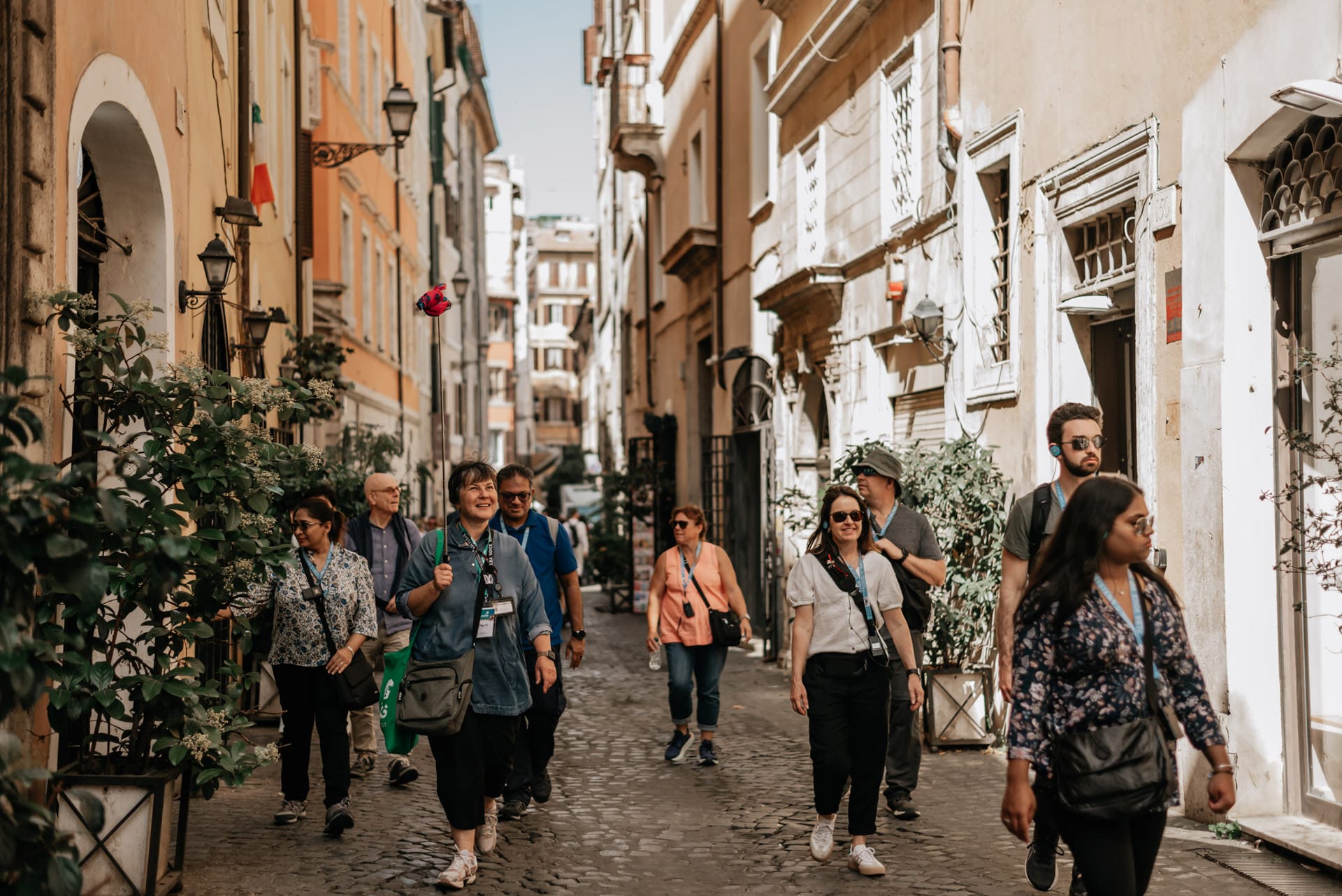
Springtime is the ideal time to explore the different neighbourhoods
Spring Bloom
In addition to being able to walk freely around Rome without the fear of sunstroke or getting too fatigued from the heat, spring in Rome means you can likely walk on foot from site to site and the weather will be pleasant. You can see the Colosseum, for example, and then stroll over to Campo de’ Fiori and Piazza Navona with little nuisance from the weather.
If you wish to celebrate Spring, Rome has a great option: Roseto di Roma, or the Municipal Rose Garden of Rome, or as the locals call it “Il Roseto,” which is set on Aventine Hill. Since 1931, the garden has been exhibiting colorful roses. Today, there are over 1,100 varieties of roses in the garden.
Peak Artichoke Season
For food-loving Romans, the coming of spring means that it’s peak artichoke season. From late February to early May, the city’s greenmarkets overflow with fresh, plump artichokes brimming with flavor. They also turn up on restaurant menus across the city. Two typical preparations you’ll find in Rome are carciofi alla Guida, a fried Jewish-style technique in which the artichoke is fried twice, and carciofi alla Romana, an artichoke stuffed with mint, garlic, and other herbs and then braised in white wine and olive oil.
Insider tip: Whatever the season, a guided food tour or cooking class is the perfect way to learn all about Roman food and the delicious seasonal produce!
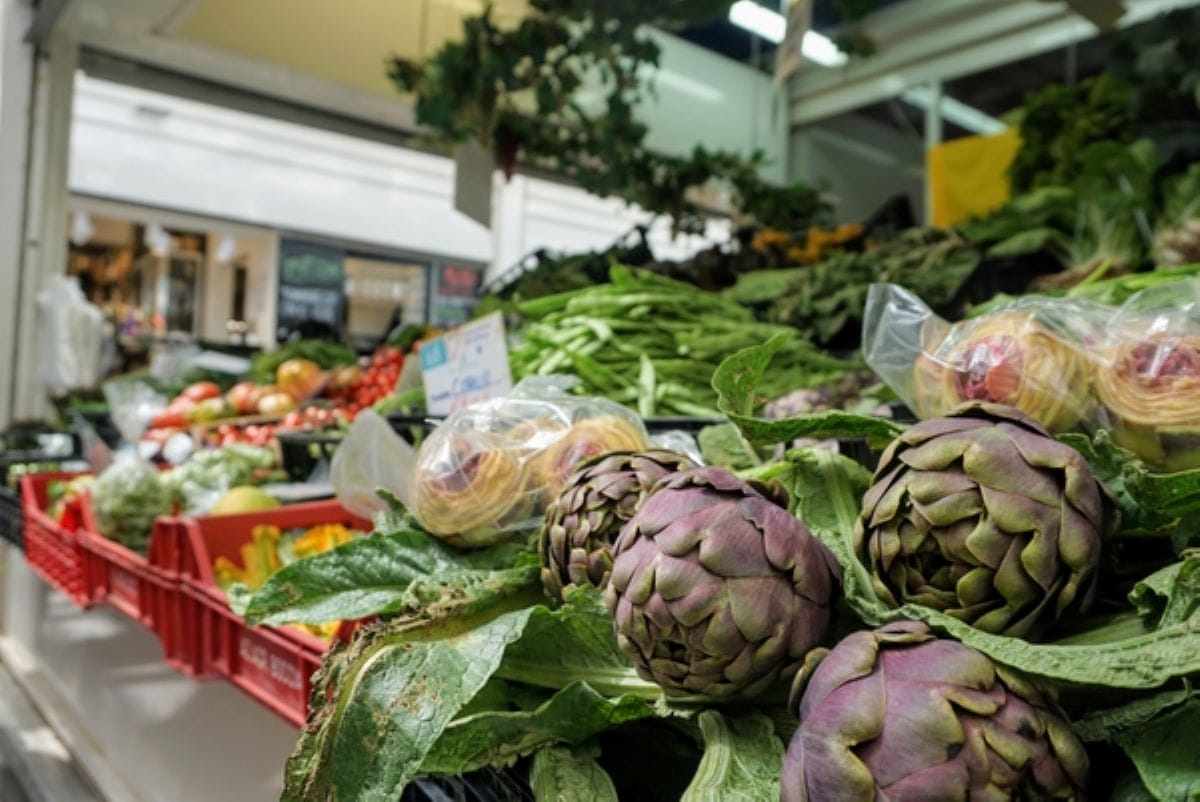
Spring is the best time to taste deliciously fresh artichokes in Rome.
Spring Weather Considerations in Rome
- From the end of March through the middle of June, temperatures in Rome go from slightly cool to pleasant with a tinge of heat arising. Think 50 degrees Fahrenheit (or 10 degrees Celsius) elevating to around 75 degrees Fahrenheit (or 24 degrees Celsius) by the end of spring.
- Particularly in the first half of spring, the days might be sweater weather, but temperatures often drop in the evening, so bring a light jacket to dinner.
- Speaking of dinner, for most of the season, it should be warm enough for outdoor dining, particularly as the season marches toward June.
Rome in the Summer: June, July and August
Late-June, July, and August are often warm, the crowds are thicker, and it’s a bit more difficult to score that dinner reservation. But what you may have to concede, you may gain in terms of the exciting, high-energy of the city. If you’re going to Rome in the summer, you should also keep in mind the big crowds that come with it. That said, there are plenty of ways to properly enjoy Rome in the summer.
Rome in June: Summer Festivals
June marks the beginning of summer in Rome. Days are long and sunny, making it a great time for families and first-time visitors. Tourist numbers rise significantly, particularly toward the end of the month.
Romans really take advantage of the warm weather. There are a lot of open-air festivals and fiestas happening throughout the summer. One of them is the Lungo Il Tevere Roma, an organization that puts on outdoor events along the banks of the Tiber River from early June to late August.
Rome in July: Cool off in Suburbium
July is one of Rome’s hottest and busiest months. Expect high temperatures, packed attractions, and lively outdoor events. Early morning sightseeing and skip-the-line tickets become especially valuable during this period.
Suburbium, Latin for suburbs, are much less crowded and offers cooler temperatures and more shade. Case in point: head to the Appia Antica, or Appian Way, the ancient Roman road in the southern part of the city. This tranquil swath of Rome has basalt-stone treelined streets flanked by ancient tombs and early-Christian catacombs (which are very cool in temperature, by the way). If you want to know what you’re looking at while there, consider tagging along with a local expert on a small-group walking tour of the Appian Way and the catacombs.
Rome in August: Ferragosto
Julius Caesar was told to beware of the Ides of March. For visitors to Rome, beware of the Ides of August. From August 15 until the beginning of September, going all the way back to millennia, urban Italians (and this means Romans), leave the city for their vacations. This means that business hours change dramatically at restaurants, bars, cafes, and other family-owned businesses, as the owners and employees might be out of town.
Insider tip: For more details on how the Ferragasto holiday may affect your visit, read our guide to Rome in August!
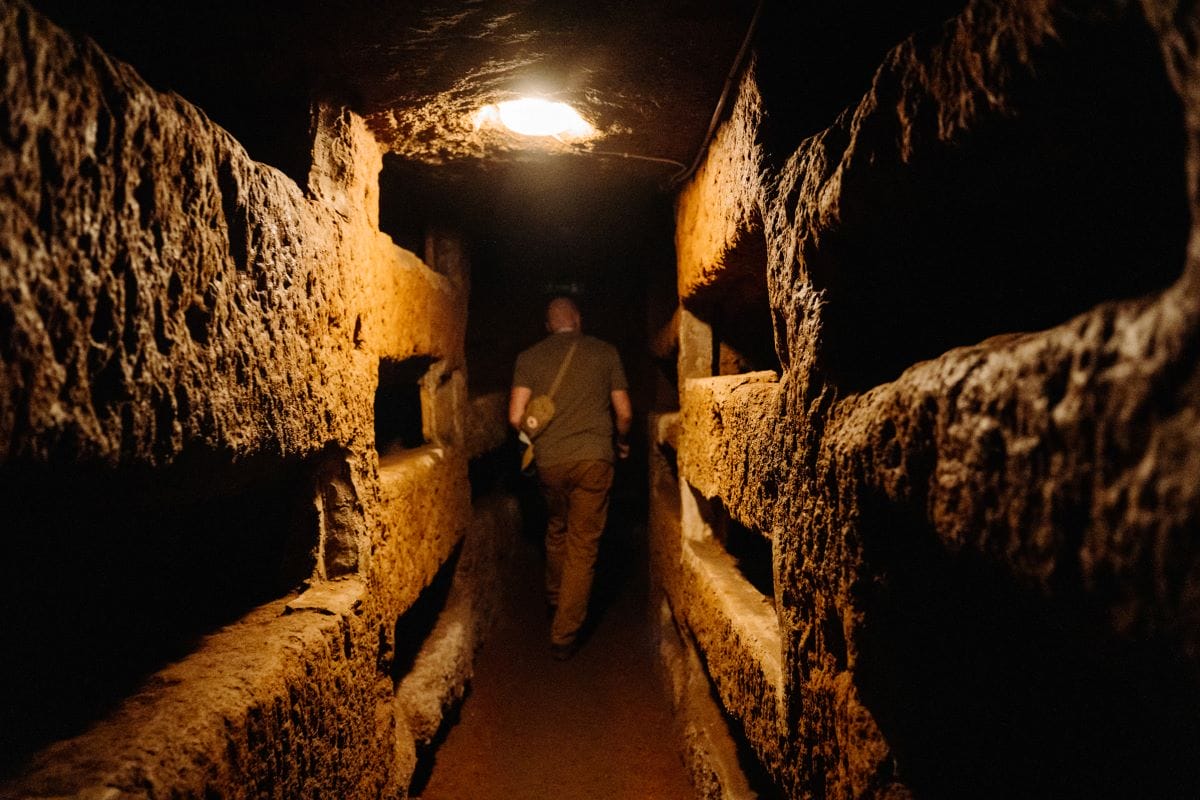
The history of the catacombs is impressive, and it also makes for a more “chilled” day out!
Skip the line = avoiding the heat
One hack or trick to beating the heat in Rome is to book a guided tour that has skip-the-line access. You’ll walk right into Rome’s main sites while hordes of people stand in the beating sun, fanning themselves with tourist brochures, trying to mentally will the line to move quicker. Not you!
Choose from a range of options including a skip-the-line VIP tour to the Vatican Museums and the Sistine Chapel or Caesar´s Palace, the Colosseum and Forum.
Get out of Town
Speaking of getting out of town, the countryside outside of Rome offers many great day trip opportunities. Since this is summer and the temperatures are at their peak, consider going on a day trip to the (much cooler) hills north of Rome.
For example, here you’ll find the medieval hilltown of Calcata, which has a fascinating history. The village is populated by hippies and artists, and the village was once even home to a very weird holy relic!*
Insider tip: *read our article on San Giovanni in Laterano to discover what this relic is!
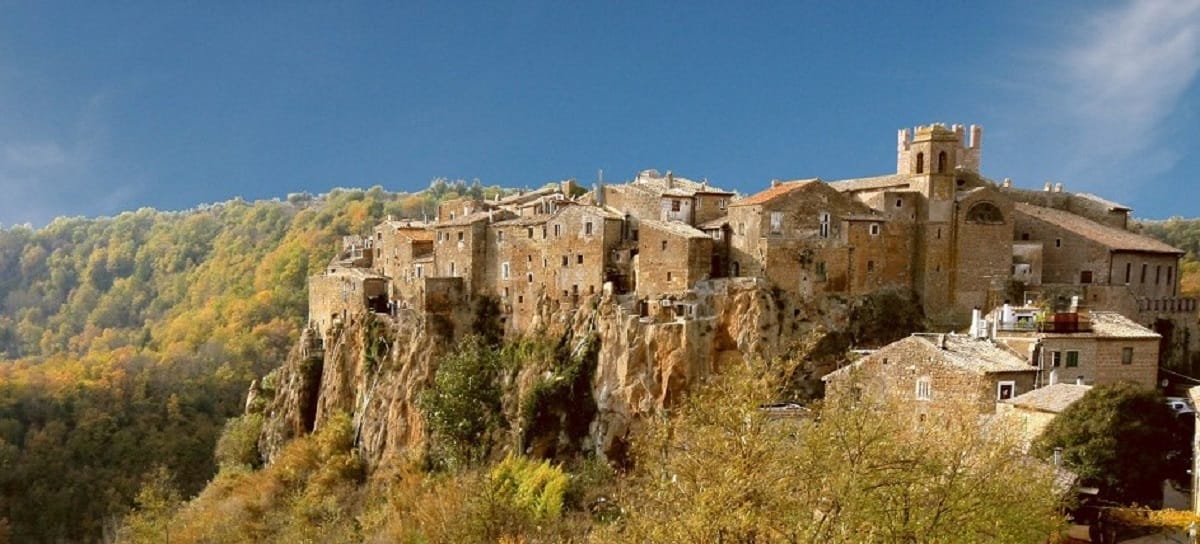
Calcata – a remote medieval hill town built into rocks
Summer Weather Considerations in Rome
- Typical Roman temperatures in summer are often around 78 degrees Fahrenheit (or 26 degrees Celsius) in late June to 90 degrees Fahrenheit (or 32 degrees Celsius) in the peak of August. In the last weeks of summer, in September, temperatures tend to decrease from there.
- In the evening, temperatures do drop, but they rarely go below 65 degrees Fahrenheit (or 18 degrees Celsius).
- If you hope a rain shower appears to cool you off, think again: it doesn’t rain much in Rome during the summer months.
Rome in the Autumn: September, October and November
Similar to spring, autumn in Rome is an ideal time to be in the Italian capital. Temperatures, crowd sizes, and prices for accommodation and airfare drop. Keep in mind that the first three weeks of September are still technically summer and still very much high season in Rome. But come September 21, everything cools down a bit, and for the better.
Rome in September: Seasonal Fare
September combines warm weather with slightly more comfortable conditions than peak summer. Food lovers will appreciate the arrival of seasonal produce, while visitors can still enjoy long days and outdoor dining.
With the changing of the leaves comes new fall flavors in Rome to get excited about. You’ll start to see truffles on restaurant menus in Rome. Anything shaved with truffles is not cheap but worth the splurge. You’ll also suddenly see the near-ubiquitous presence of people selling roasted chestnuts, or castagne, from carts on the street.The smell of the chestnuts gives Romans a deep sense of the season. You’ll also see typical fall dishes appear on restaurant menus, such as the excellent zuppa di ceci, or chickpea soup.
Rome in October and November
October offers some of the best weather of the year in Rome. Temperatures are mild, crowds begin to ease, and autumn ingredients such as truffles and mushrooms appear on restaurant menus. It’s one of the best times for both sightseeing and food experiences.
November is a quieter month with fewer tourists and lower accommodation prices. The weather becomes cooler and wetter, but visitors are rewarded with a more relaxed and authentic experience of the city.
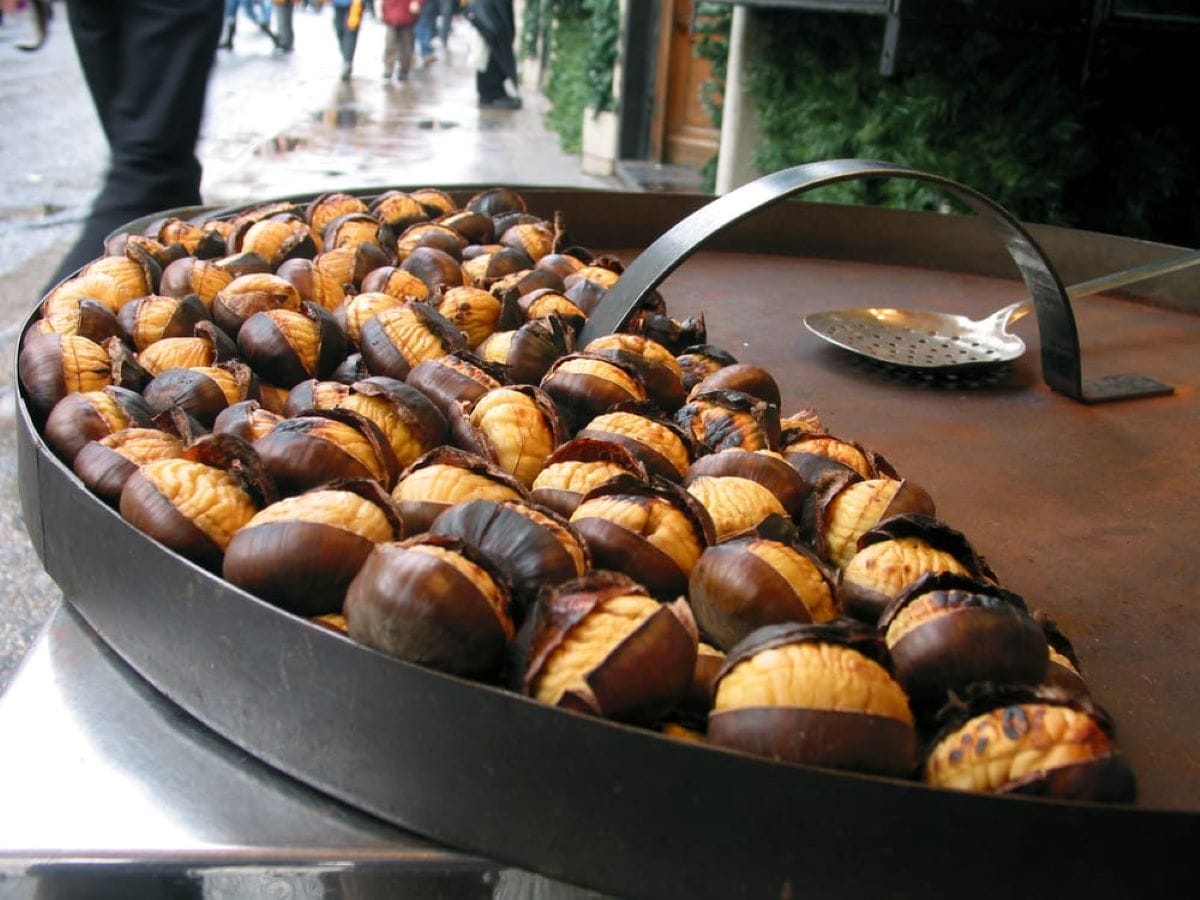
In the fall, you will buy delicious roasted chestnuts from street stalls
Leafpeeping, Roman Style
Rome isn’t exactly Vermont in autumn, but nature in the Italian capital still puts on an impressive show of oranges, yellows, and browns. The best place to see this transformation is the Villa Borghese Gardens, a nearly 200-acre cultivated garden.
When the weather gets colder, or you need a break from the outdoors, you can visit the Galleria Borghese, one of Rome’s greatest art museums, where you can gawk at works by Caravaggio, Titian, and Raphael, among other giants of the Renaissance art world.
Insider tip: If you want to see the Borghese Gallery in style, consider this 90-minute guided tour of the museum.
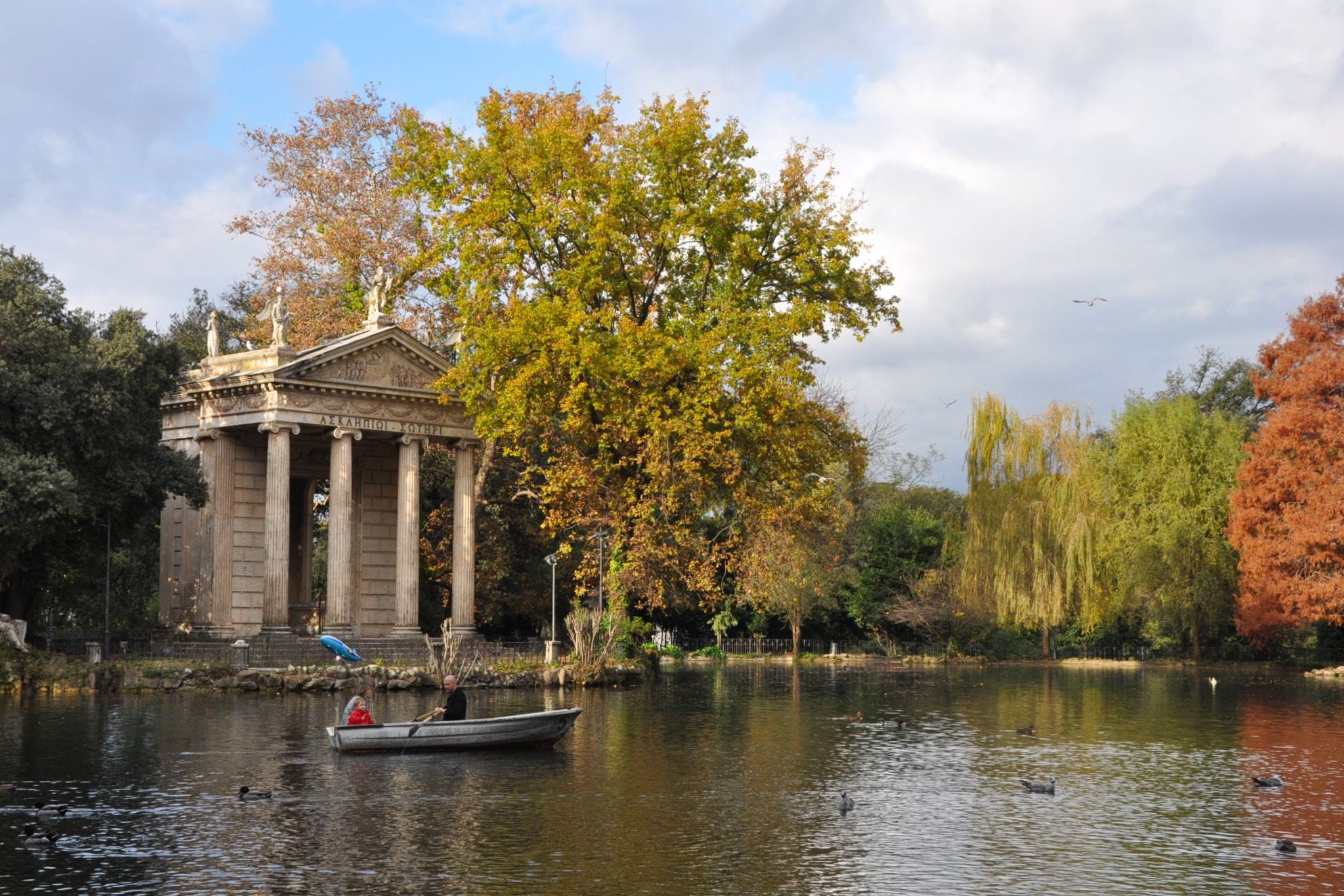
The Borghese gardens bring autumnal colours to the city
Autumn Weather Considerations in Rome
- Autumn, which technically runs from September 22 to December 20, has radically different weather conditions from beginning to end.
- The temperatures in late September might hover around 75 degrees Fahrenheit (or 23 degrees Celsius), and in the middle of December, expect daily daytime temperatures to be around 55 degrees Fahrenheit (or 12 degrees Celsius).
- While it rains on average about 5 days in September, it rains about 9 days in November, so bring an umbrella and a lightweight-to-medium-weight coat, depending on the month you plan to visit Rome. And it’s best to pack so that you can dress in layers.
Rome in the Winter: December, January and February
If you’re not a fan of crowds, the wintertime is the best time of year to visit Rome. As one would expect, temperatures plummet in winter, as do the crowds and the prices. So, while you might not get warm, sunny weather in Rome during winter, you’ll certainly have less competition for restaurant tables and fewer lines to get into places like the Vatican Museums. Winter is also the cheapest time to visit Rome.
Rome in December: The Sweet Taste of Winter
Once the days get shorter and the temperature drops, the Romans’ sweet tooth makes an appearance. This is the season to snack on sweet things in the Eternal City. Panettone, a kind of candied fruit cake originally from Milan, is nearly ubiquitous in the winter months, especially around the holidays. While wandering around the Jewish Quarter in Rome, keep an eye out for pizza Ebraica, a dense, caramelized nut treat that is a great afternoon snack.
December brings festive lights, Christmas markets, and a magical atmosphere throughout Rome. While temperatures are cool, the holiday season creates a unique charm, making it an excellent choice for travelers seeking a festive city break.
Rome in January and February
January is one of the cheapest times to visit Rome. After the holiday season, crowds thin out considerably, making it easier to explore major attractions such as the Colosseum and Vatican Museums. Expect cool temperatures and occasional rain, but shorter lines and lower hotel rates.
February remains quiet and budget-friendly, although Carnival celebrations bring some extra energy to the city. The weather is still cool, but sightseeing is comfortable, and attractions remain relatively uncrowded.
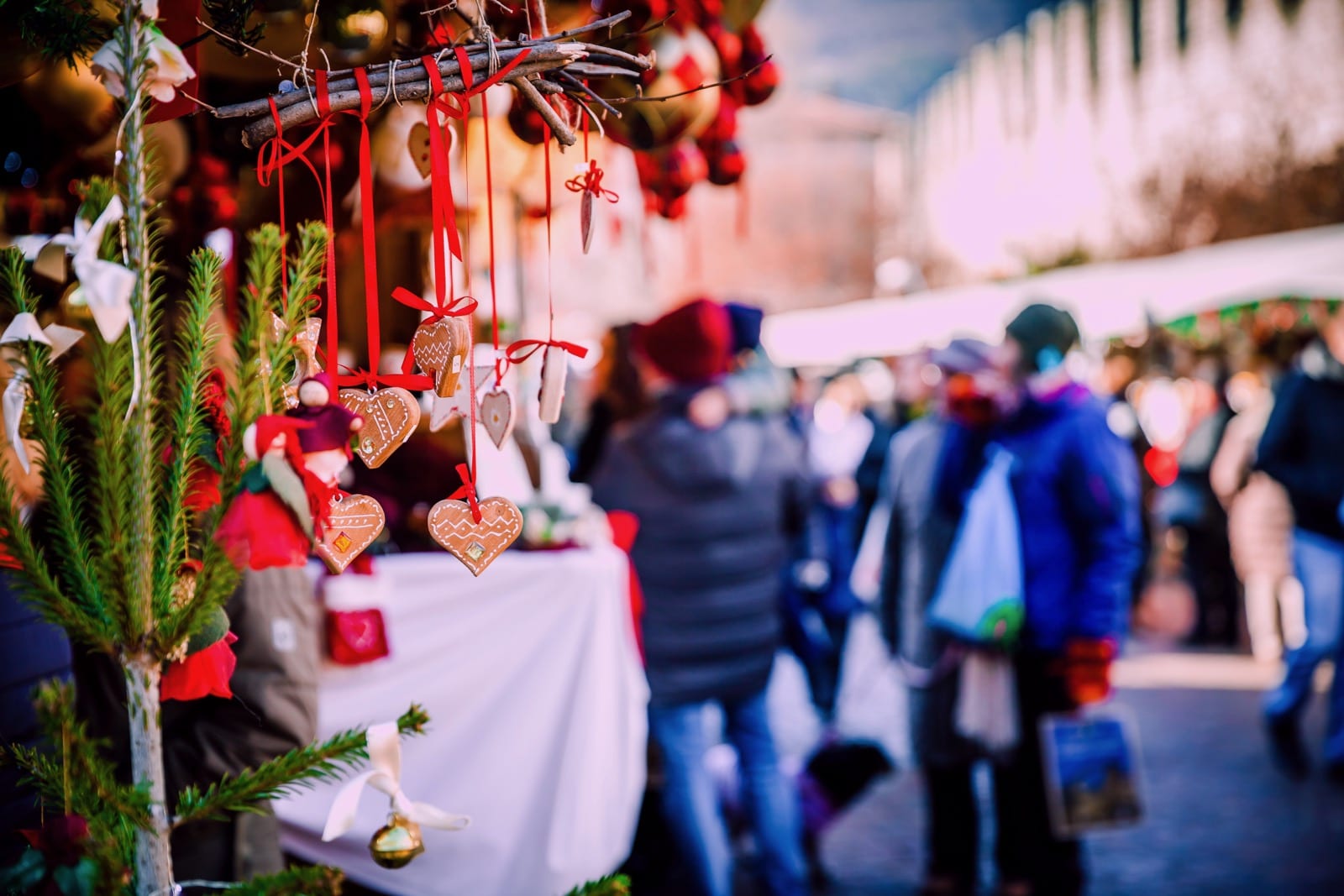
Christmas markets are a great place to find unique gifts and taste the Italian winter treats
Explore Everything
Count your lucky stars you’re in Rome during the winter: you are not going to have to battle many crowds for entry into some of Rome’s most august institutions. That means you can wander around the Colosseum and the Forum minus the masses, and you likely won’t have to wait for hours to get into St. Peter’s Basilica and the Vatican Museums (expect lines but much shorter than, say, in July).
Insider tip: You may be surprised by what you can see in Rome in a day!
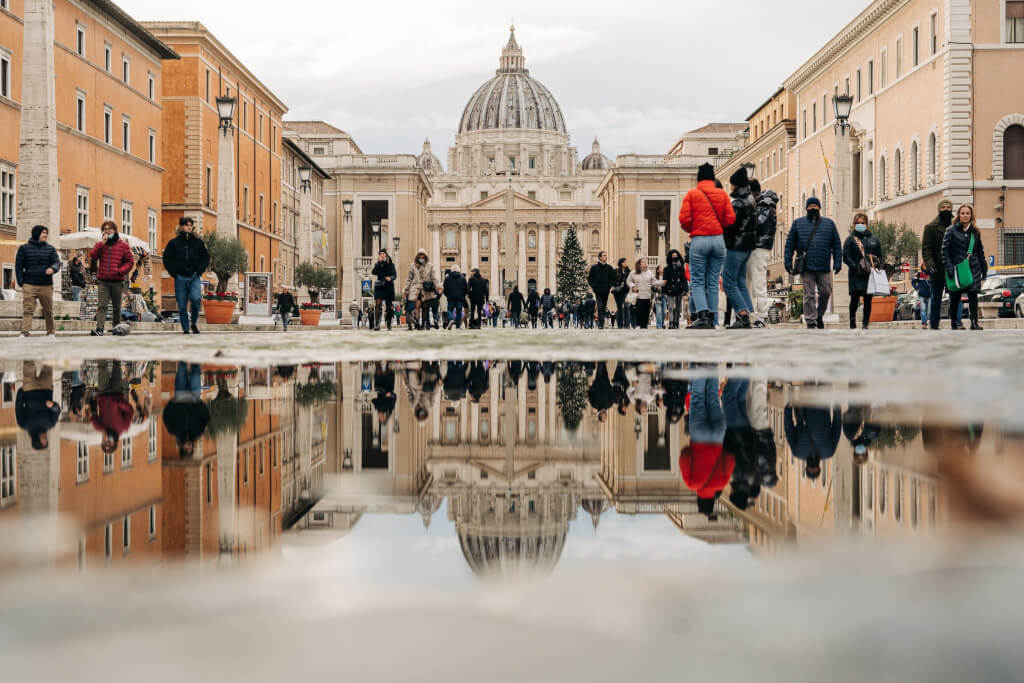
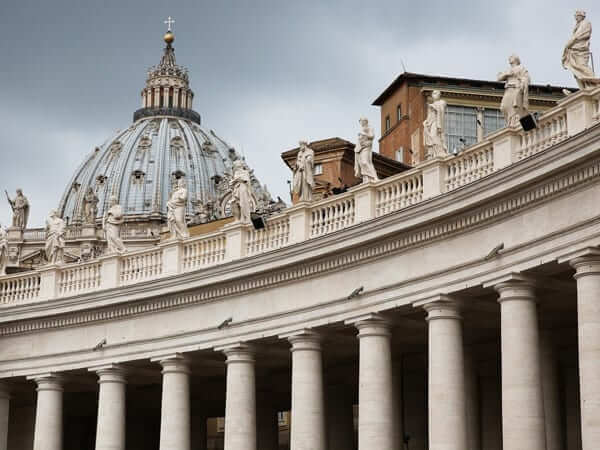
St Peter´s Basilica is an incredible sight, and an amazing place to visit
Winter Weather Considerations in Rome
- Expect temperatures to hover around 50 to 59 degrees Fahrenheit (or 10 to 15 degrees Celsius) during the day and 37 to 43 degrees Fahrenheit (or 3 to 6 degrees Celsius) at night.
- Rain, usually in the form of light drizzles, is common so pack a heavier jacket if you’re bound for Rome from late December to mid-March.
Insider Tip: Read all you need to know in our travel guide for Rome in Winter.
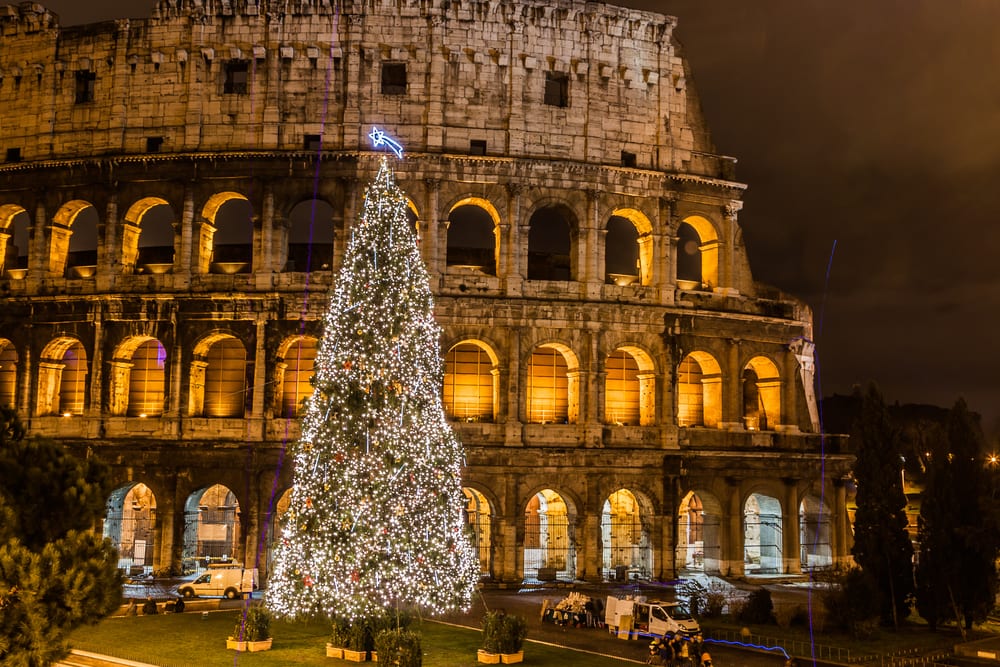
Twinkly lights and Christmas trees give Rome yet another layer of beauty!
A final note about the best time to visit Rome
The seasons and temperatures in Rome may not shift as dramatically as cities in northern Europe, but as you can see, they shift just enough that you’ll need to do some preparation in what you pack, depending on the season you’ll be there.
- For first-time travelers to Rome: April or May. You don’t want to be inundated with tourists by going in the summer months, and you also may want to avoid the grey skies and colder weather of the winter months. April and May are just right.
- For food lovers: September or October. Why? One word: truffles. But also, porcini mushrooms make an appearance in September, and olive oil is pressed toward the end of October.
- For families: May or September because the temperature hovers around 75 degrees Fahrenheit (or 24 degrees Celsius), creating a pleasant temperature for walking around the city. Plus, there are fewer crowds during these months than in summer.
- For budget travelers: In January and February, prices are lower for flights to Rome and for hotels in the city too.
- For history lovers: April. Specifically, April 21, when Romans celebrate the city’s birthday. There are parties and historical reenactments.

Food lovers will love Rome all year round! Check seasonal produce if there is something specific you want to try!
FAQs – The best time of year to visit Rome
What’s the best way to get around Rome?
If you’re in the large historical center, the best way (really, the only way) to get around is on foot. Some streets are so narrow that a taxi or, god forbid, a bus, cannot enter.
If you’re going beyond the historical center, and you should, Rome has a fast and easy metro (or subway) with two major lines – Line A (Orange) and Line B (Blue). The city is building a Line C, and there are a couple of stations now open, but it is far from complete. The standard ticket costs €1.50. You can also get a 24-hour ticket for €8.50, a 48-hour ticket for €15, and a 72-hour ticket for €22. Buy tickets at the self-service ticket machines at every station.
What to know about dining in Rome?
There once was a time when you could walk into a lot of Roman restaurants and, within a few minutes, you’d be sitting at a table browsing the menu. Those days are mostly gone. If you already have an idea about what Roman restaurants you’d like to visit, try to book a few weeks in advance. Most restaurants in Rome that take reservations have links to booking sites on their websites.
Should you book museum and attraction tickets in advance?
Similar to restaurants in Rome, you should book in advance to ensure you’ll get in on the day you’re there, particularly for sites like the Vatican Museums and the Colosseum
Where should you stay in Rome?
It really depends on your budget. If you want to save money, stay out of the center. If you opt for this, just know you’ll be taking the subway more. If you want to splurge, check out the center of town.
Insider tip: Check out our suggestions on where to stay in Rome for different traveler types
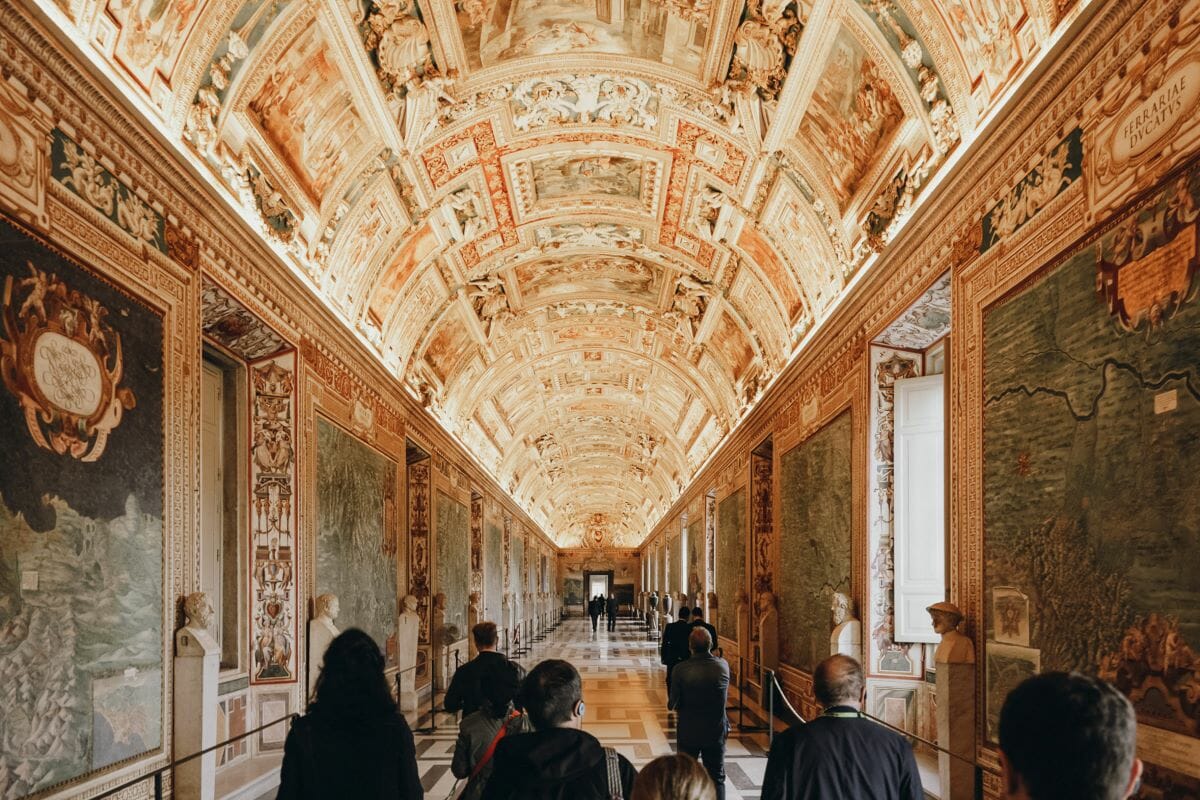
Visiting museums and galleries gets you out of the sun in the summer, and out of the rain in the winter!
Whatever time of year you decide to visit Rome, there will be both downsides and upsides.
Embrace the advantages and don’t lament the disadvantages and you’ll enjoy your trip much more. Another way to make things much smoother, including skip-the-line access and getting to spend time with a local guide who just happens to know a lot about Rome’s history and culture, is to consider taking one of our tours of Rome.

Book a Tour

Pristine Sistine - The Chapel at its Best
€89

1794 reviews

Premium Colosseum Tour with Roman Forum Palatine Hill
€56
850 reviews

Pasta-Making Class: Cook, Dine Drink Wine with a Local Chef
€64
121 reviews

Crypts, Bones Catacombs: Underground Tour of Rome
€69
401 reviews

VIP Doge's Palace Secret Passages Tour
€79
18 reviews

Legendary Venice: St. Mark's Basilica, Terrace Doge's Palace
€69
286 reviews
Follow us
Stay up to date with travel tips, local insights and all things Italy on our social channels!


Subscribe to our Newsletter
Get curated Italy travel tips delivered to your inbox!

