




Rome in Winter: What to Expect & Do
September 1, 2026
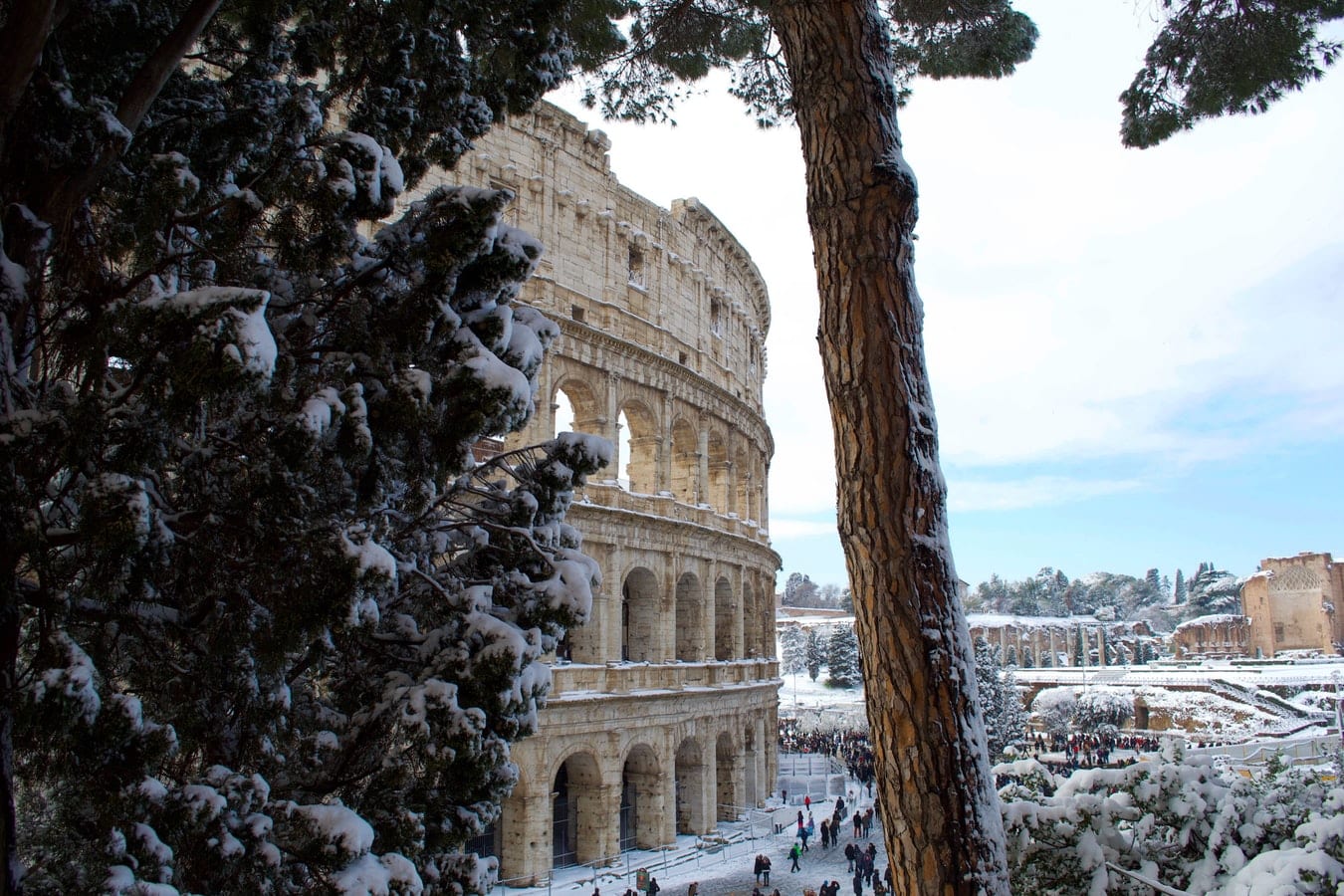
Rome in winter feels more like a city that people actually live in rather than a tourist destination. Piazzas that heave with tourists in the summer take on a more local feel, with Romans going about their daily life. It’s also the season for great flight deals, fewer crowds at major sites, and a more relaxed way of seeing the city. The trade-off is shorter daylight hours, cooler temperatures, and slightly unpredictable weather. But many travelers think the trade-off is worth it, and even part of the appeal.
Whether you’re visiting at Christmas, Carnevale, or somewhere in between, winter in Rome has a lot to offer. Here’s what each month is like, and how to plan your perfect winter trip to Rome.
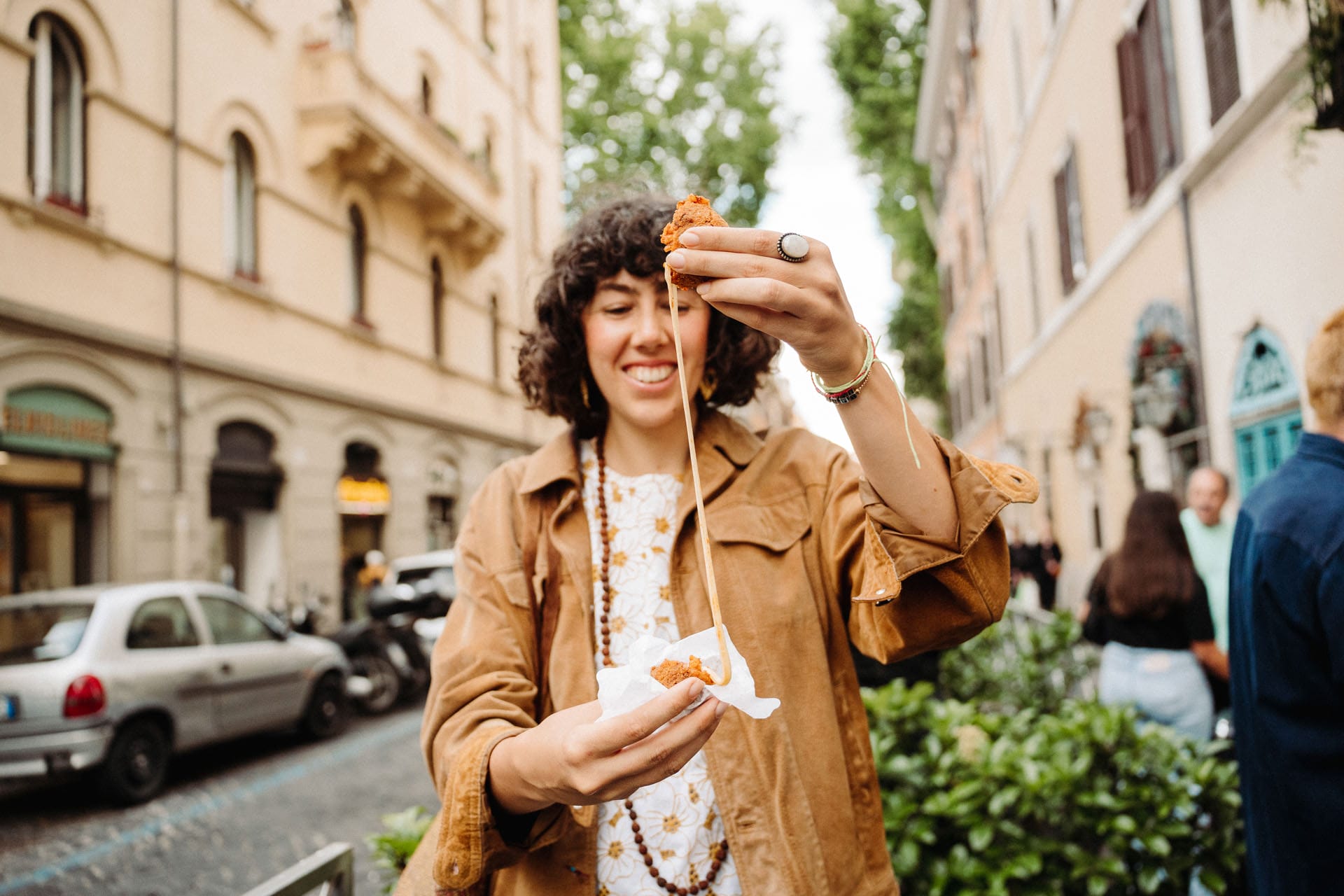
Visiting Rome in winter is a great way to experience the city, culture and food with less crowds
What’s Rome Like in Winter?
You don’t come to Rome in winter for long, balmy evenings drinking wine in the piazza (it’s too cold for that). You come to meet a version of the city that’s hard to access during peak tourist season.
Winters in Rome are milder than in northern Europe, with temperatures ranging from around 3°C (37°F) to 17°C (63°F), rarely dropping below zero. November into December tends to be mild but rainy, with around 10 days of rain each, while January and February are colder but drier.
Although days are shorter than in summer, they still offer plenty of time to explore the city, with the sun rising at around 7.30 a.m. and setting around 4.40 p.m. on the shortest day of the year.
And while you’ll never be the only tourist in Rome, the summertime crowds make way for a quieter, more intimate experience of the city.
The milder weather and fewer crowds make ideal conditions for exploring some of Rome’s most famous sites, like the Colosseum and the Vatican, and even if the weather’s bad, there’s always something to do indoors (or underground).
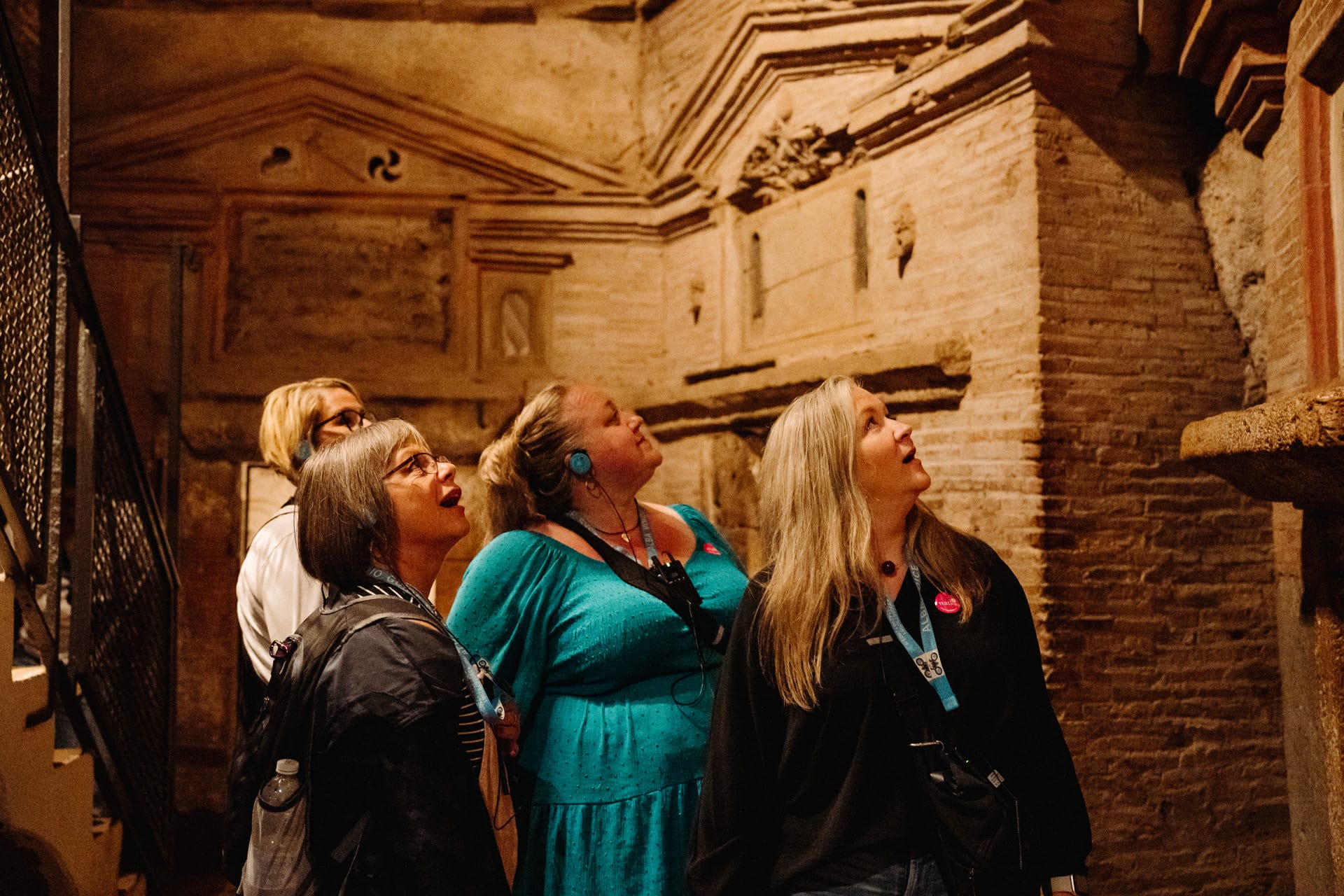
There is so much to see and do in Rome in winter, both above and underground!
Rome in Winter – By Month
Each month has a slightly different flavor, so let’s take a look at them:
November
- Average temperature: 8°C (47°F)-17°C (63°F)
- Rainy days: 9
November in Rome is true shoulder season, after the summer and early autumn visitors have left. It’s not the quietest month Rome gets (January and February hold that title), but it’s when locals reclaim their city, giving it a more authentic vibe.
Pack your umbrella and sturdy boots, as it also tends to be the wettest month. Temperatures stay mild, though, and sunny days are still common: you’ll probably get a mix of both during your visit.
December
- Average temperatures: 4°C (40°F)-13°C (55°F)
- Rainy days: 8
An emptier city and unpredictable weather continue into the first half of December, when Rome suddenly transforms. Days turn crisp and chilly, while the city dresses in lights and decorations, with Christmas trees and presepi (Nativity scenes) taking over the main piazzas.
The Vatican is at the heart of Rome’s Christmas celebrations, with the Pope giving Mass and holding public audiences throughout the season, and pilgrims travel from all over the world to take part.
You’ll also find several Christmas markets around the city selling seasonal treats, traditional wooden toys, and even vin brulé: Italy’s answer to mulled wine.
Insider tip: Christmas in Rome is magical, but from mid-December through early January, the city fills with holiday visitors, so book further ahead than you would for the rest of winter. Our Rome Highlights tour is a good way to visit the must-see sights with more breathing room, smaller groups, and shorter wait times than any other time of year.
January
- Average temperatures: 3°C (37°F)-13°C (55°F)
- Rainy days: 7
Romans keep the festivities going up until Epiphany (“La Befana”) on January 6th. Then, Rome quiets down fast. Some restaurants, hotels, and museums close for their post-holiday break, so it’s worth checking ahead if there’s somewhere specific you want to go.
This is usually the coldest month, though drier than late autumn, and it draws the fewest visitors. The hotels that stay open often slash their rates, meaning you can often find bargains on 3 or 4-star hotels in popular neighborhoods like Monti and Trastevere.
Fashion lovers shouldn’t miss the January sales, which offer the opportunity to pick up Italian brands at discount prices.
February
- Average temperatures: 4°C (40°F)-14°C (57°F)
- Rainy days: 7
Still one of the coldest months, but February brings its own kind of cheer: Carnevale and Valentine’s Day, the latter with roots tracing back to the ancient Roman festival of Lupercalia. Expect crisp days with scattered rain, but also the first hints that spring is on its way.
The milder weather and slightly longer daylight actually make this a great month for outdoor sites like the Palatine Hill: it’s much more comfortable for walking around than the sweltering summer months.
Insider tip: Our Colosseum, Roman Forum & Palatine Hill tour is an easy way to make sure you see all three before sunset.
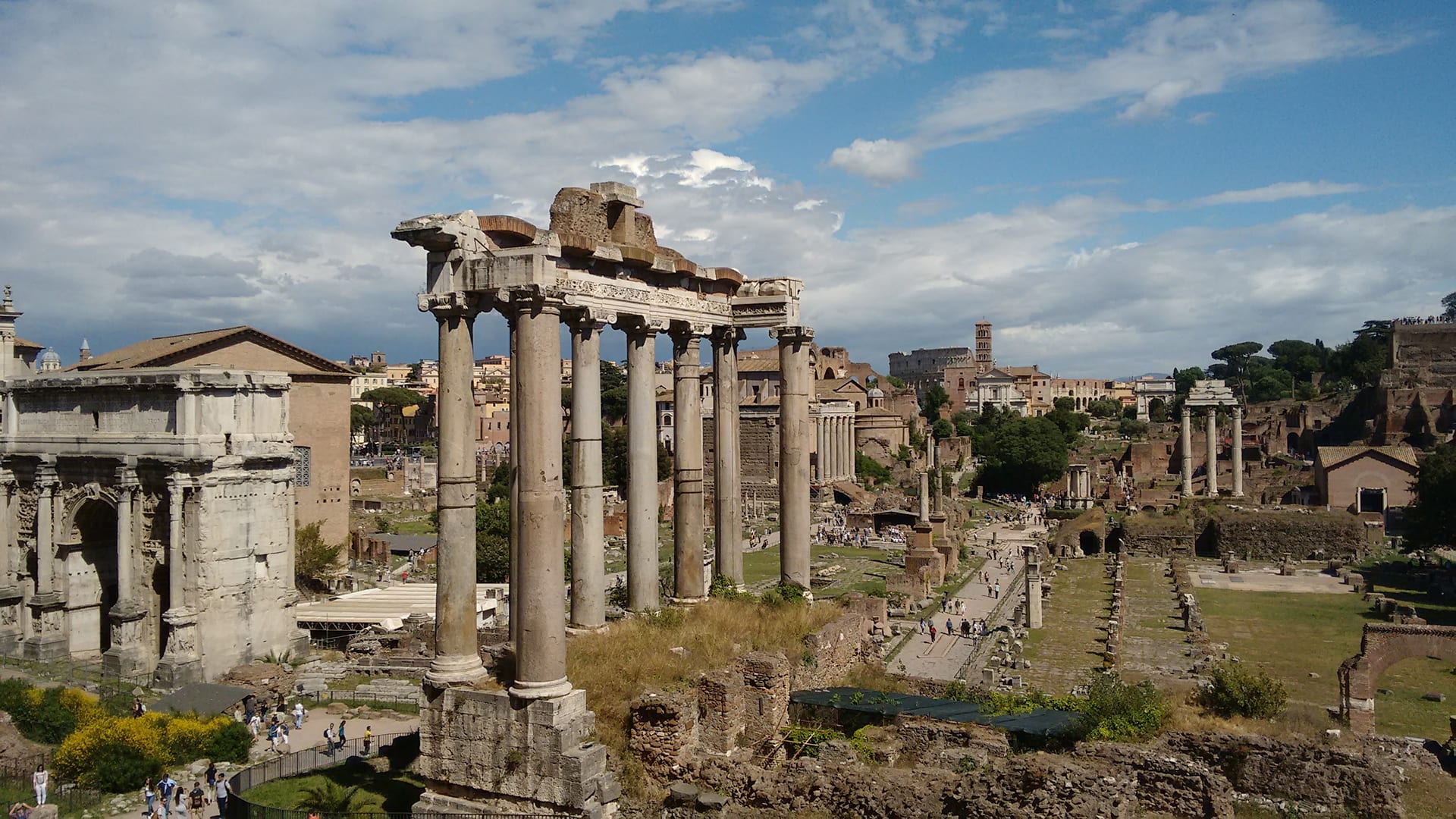
The Roman Forum is one of the top attractions in Rome, a must-see at any time of year
What to Do in Rome in Winter
Exploring Rome in winter feels like being in on a secret. Yes, you have to prepare for the weather, and no, there won’t be “no line” at the Colosseum, but with the shorter waits and quieter piazzas, you’ll actually get to enjoy the sights instead of just surviving them.
Here’s what to do in Rome during the winter.
See the Colosseum (Almost) Empty
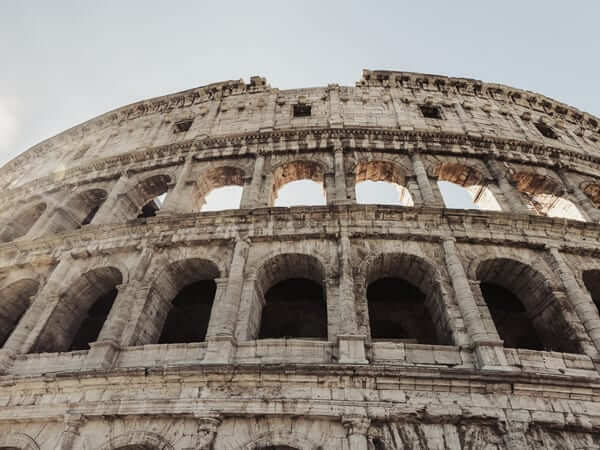
Hot take: popular sights like the Colosseum are better to visit in winter. Lines to get in are significantly shorter (although we still recommend a tour to get in faster), fewer crowds inside mean better photos, and cooler temperatures make for more easier exploration.
Just be aware that less daylight means shorter visiting hours: The Colosseum closes at 4.30 p.m., with last entry at 3.30 p.m. Just in time to catch the golden hour light reflecting off the white stone.
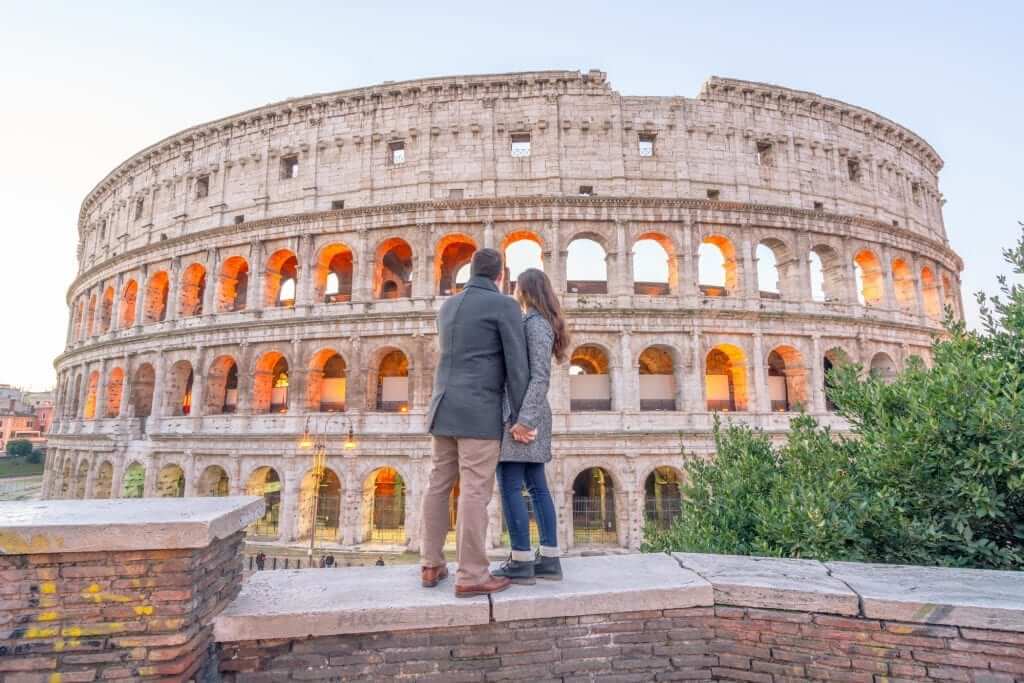
Wrap up and enjoy seeing the sights in the winter, when the golden hour lights up the stones beautifully
Visit the Vatican Museum
No Rome trip is complete without a visit to the Vatican Museums and Sistine Chapel. Just don’t expect them to be empty, especially when it’s raining, because every other Rome visitor will have the same idea.
In fact, there’s still a line to get into the Vatican Museums during winter, so booking ahead is essential. Tours of the Vatican solve the logistics problem for you: your guide handles tickets, ensures quicker access (so you’re not standing around in the cold), and helps you make the most of your time inside.
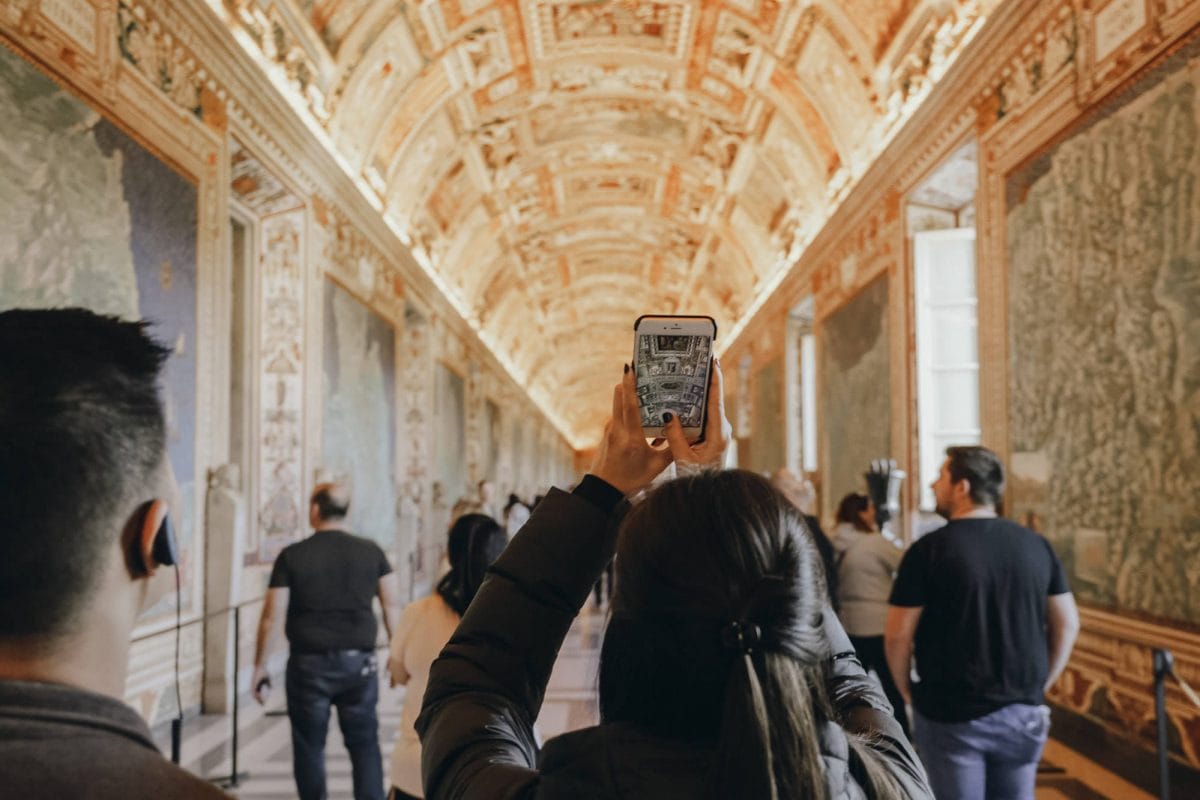
Visit the Vatican museums to see a host of paintings, frescoes, statues and more adorning the walls and ceilings
Discover Underground Rome
Rome doesn’t stop at street level, and winter is the perfect season to discover what lies beneath your feet. Escape the cold and rain, and head underground, where you’ll find a whole second city.
Top of the list: the catacombs, where early Christians, persecuted for their faith and unwilling to be buried in pagan cemeteries, laid their dead in miles of tunnels beneath the city. You can explore them on our catacombs tour.
Just as compelling is the Colosseum’s underground level, the Hypogeum, where you can visit the tunnels, chambers, and lift shafts once used to send gladiators and wild animals up into the arena above.
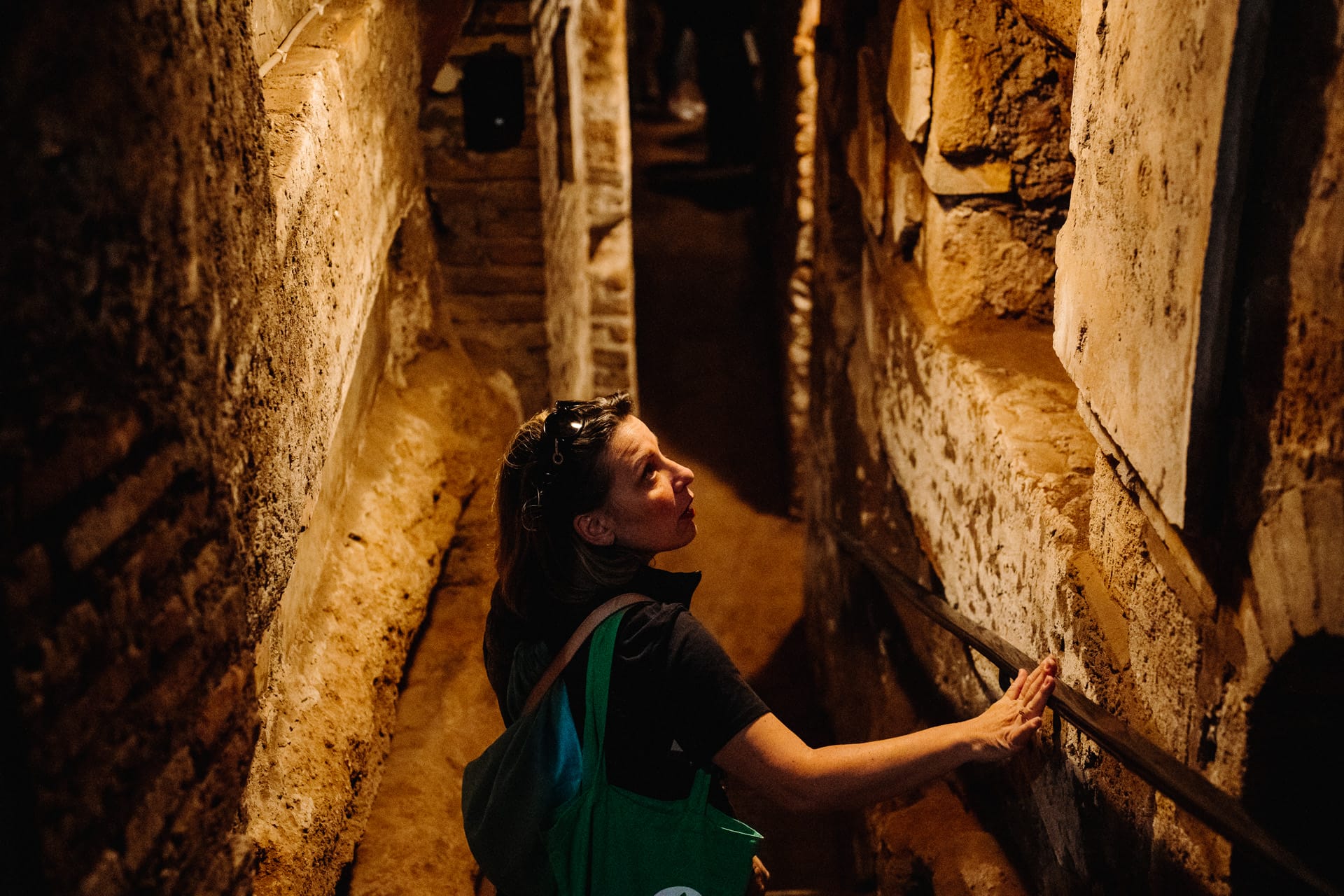
The underground catacombs give an amazing insight into the rich history of Rome, and help you stay dry in the winter!
Taste Typical Roman Cuisine
Classic Roman dishes like carbonara and amatriciana make the perfect comfort food when it’s cold outside, while the modern trapizzino (invented in the Roman neighborhood of Testaccio in 2008) is the ideal pick-me-up when you’re out exploring the streets.
Of course you can’t miss Rome’s signature winter dish, carciofi alla romana: deep fried artichokes.
Winter markets across Rome are stocked with seasonal produce, from Italian staples like chestnuts and puntarelle (chicory shoots) to less expected finds like mangos.
Insider tip: A walking food tour is a great way to discover the places locals eat. Or, if you want to cook and eat like a Roman, our Testaccio market tour takes you through the stalls before finishing with a plate of pasta at a local restaurant.

Rome is a great place to try fabulous seasonal food and wonderful local wine
What to Pack for Rome in Winter
Rome in winter isn’t as cold as northern Europe, but the humidity can often make it feel colder than it really is. Drafty stone buildings, slippery streets, and being on your feet all day call for strategic packing. Here are the absolute must-haves:
- Layers. Nights are cold, mornings and evenings bring a chill, while afternoons can feel almost mild, especially in November and February. Thermal t-shirts, cashmere sweaters, and a coat will give you the flexibility to adapt.
- Waterproof, sturdy shoes. Cobblestones get slick when wet, and at least a few rainy days are almost inevitable during your visit. Swap the stilettos for a pair of thick-soled leather boots.
- A warm coat. The cold in Rome can chill you to the bone if you’re not prepared, especially when it’s damp. Bring a coat that’s warm enough for temperatures hovering around freezing.
- Scarf and gloves. You’ll see Romans all wrapped up in winter, and it’s wise to follow their lead. A scarf and gloves can make all the difference on a chilly day, and they’re easy to stuff in a daypack when you don’t need them.
- Umbrella or rain jacket. Rain in Rome can be a quick shower or an hours-long downpour. Romans nearly always carry an umbrella with them, but a rain jacket works just as well.
- Sunglasses and sunscreen. Winter sun in Rome is deceptively strong on clear days, especially with all that pale stone reflecting light back at you.
- Lip balm and moisturizer. The mix of cold air outside and heating indoors dries skin out fast.

A mix of layers, a good coat and comfortable shoes are on the packing list for Rome in winter
FAQs – Rome in Winter
Is it worth visiting Rome in winter?
Yes. Many visitors find that fewer crowds, lower prices, and a city showing its more authentic side are worth the trade-off with the weather and shorter daylight hours.
Is Rome cold in winter?
Cold by Roman standards, mild by northern European ones. Expect daytime temperatures around 8-14°C (46-57°F), chilly mornings and evenings, and the occasional cold snap in January and February.
What to do in Rome for 3 days in winter?
- Day one: the Colosseum, Roman Forum, and Palatine Hill.
- Day two: the Vatican Museums and Sistine Chapel.
- Day three: go underground to the catacombs, then warm up with a food tour or cooking class.
Can we still visit the attractions in Rome in winter?
All the main attractions are open throughout winter, although some museums close for specific holidays, or have shorter opening hours. However, the attractions are not the only thing to put on your to do list. It’s a great time to explore local markets, snag a few bargains in the January sales, and of course sample Rome’s legendary cuisine.
What’s Rome like in December?
The first half of December is quiet, but it gets busier from mid-December until January 6th as the city fills with Christmas pilgrims and travelers. Book ahead if you’re coming for the second half of the month.
Each month of winter in Rome offers something different, from sitting in a caffè watching the rain fall in November to snapping up a bargain on a hotel in February, but the thread running through all of them is the same: a quieter, more intimate Rome that summer visitors miss.
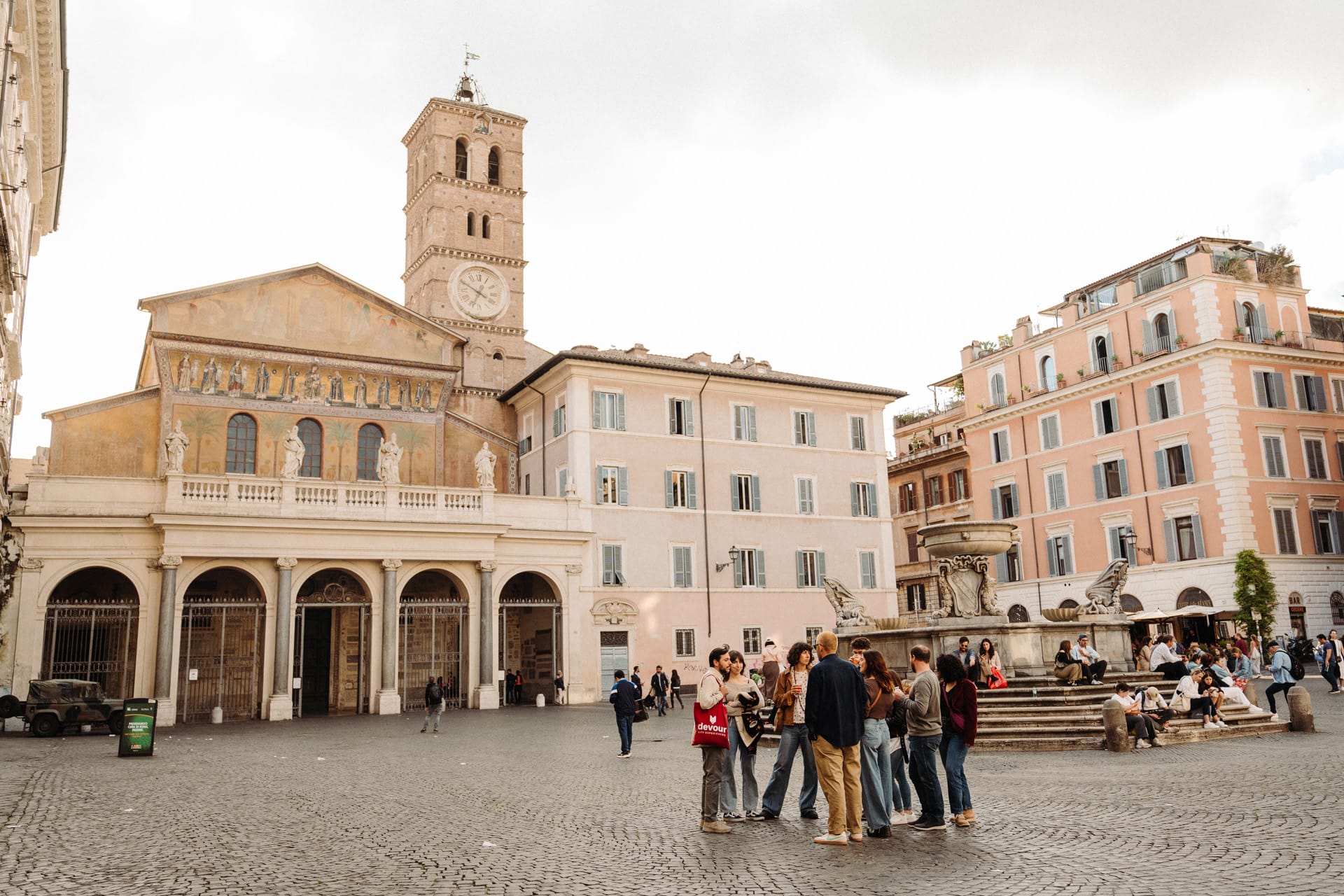
A guided tour is a great way to explore without the stress of the logistics, focus on what you see, not how to get there!
Tempted by the idea of a winter break in Rome?
With more space to experience Rome’s magic, a guided tour lets you spend less time working out logistics in the cold and more time taking it all in. Our Rome tours help you make the most of the shorter days and discover the city through the eyes of someone who knows it inside out.

Book a Tour

Pristine Sistine - The Chapel at its Best
€89

1794 reviews

Premium Colosseum Tour with Roman Forum Palatine Hill
€56
850 reviews
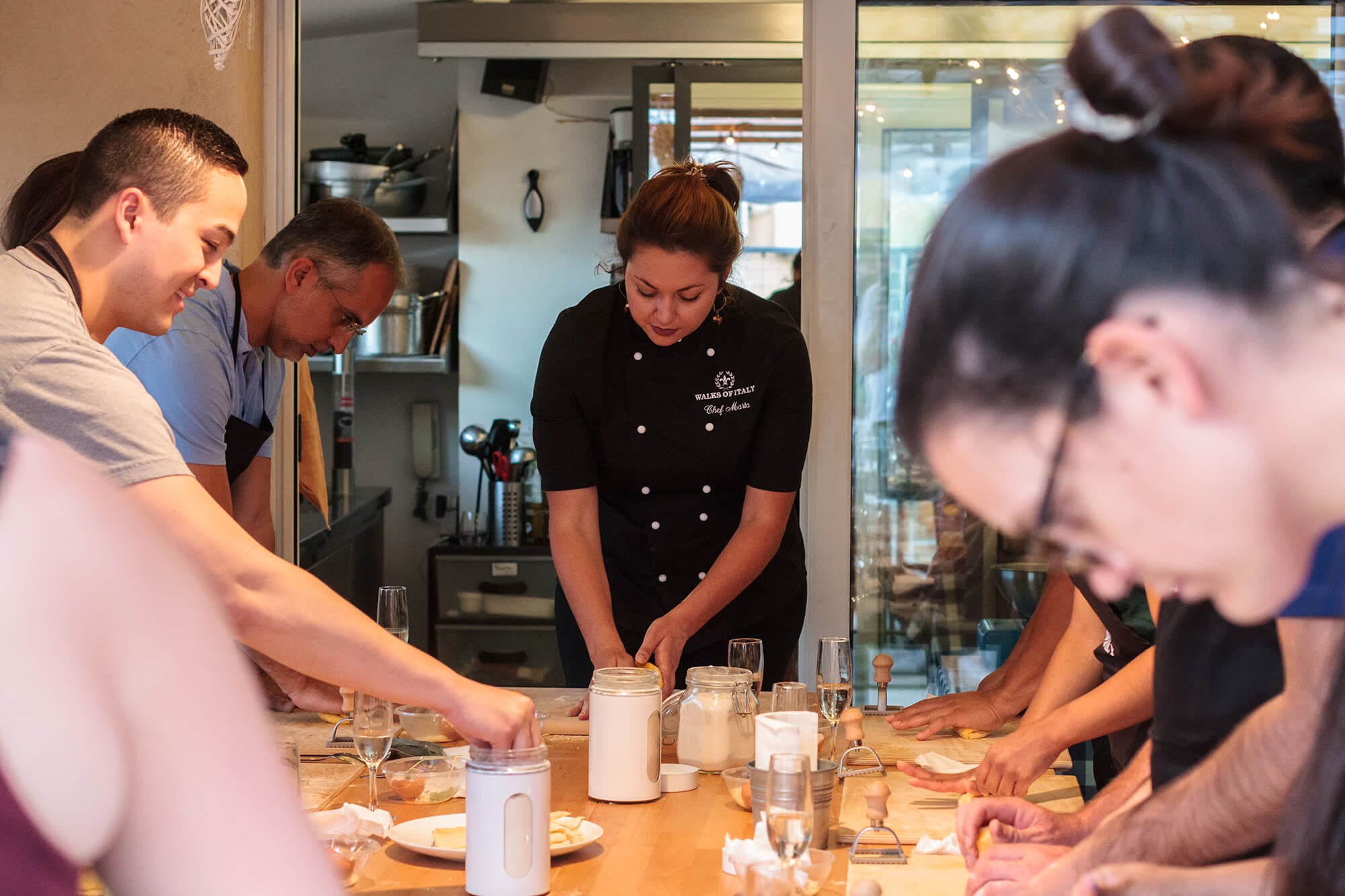
Pasta-Making Class: Cook, Dine Drink Wine with a Local Chef
€64
121 reviews

Crypts, Bones Catacombs: Underground Tour of Rome
€69
401 reviews

VIP Doge's Palace Secret Passages Tour
€79
18 reviews

Legendary Venice: St. Mark's Basilica, Terrace Doge's Palace
€69
286 reviews
Follow us
Stay up to date with travel tips, local insights and all things Italy on our social channels!


Subscribe to our Newsletter
Get curated Italy travel tips delivered to your inbox!

