

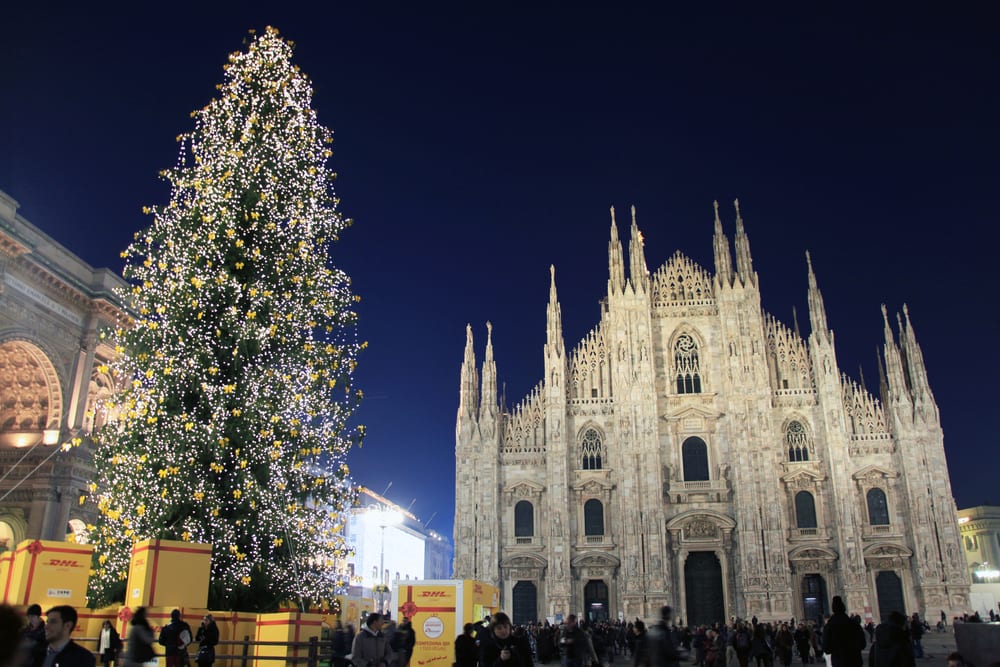
Winter in Italy: A Guide to Italy in the Off-Season
September 1, 2026
If you’re considering spending a vacation in winter in Italy, we have good news: we think it’s a great time of year to visit! From fewer crowds and lower accommodation prices to a more relaxed atmosphere, there are plenty of reasons to travel to Italy in the winter season, from November to March. And if you visit around Christmas, you’ll experience Italy at its most festive, with twinkling lights, Christmas markets, traditional foods, and centuries-old holiday traditions.
Here are some tips to help you plan your winter in Italy, including where to go, what to eat, how to experience Christmas, and how to make the most of your trip.
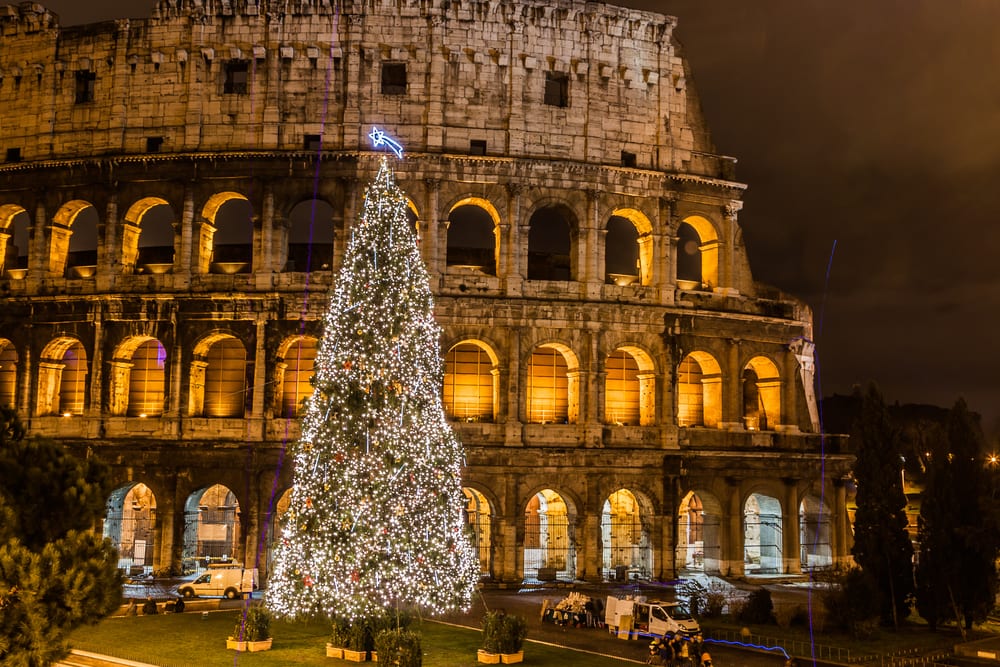
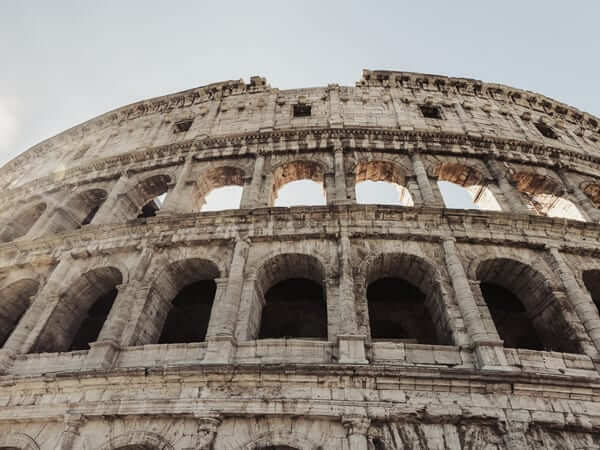
A visit to the Colosseum at Christmas? Yes, please!
When is the off season in Italy?
Winter season in Italy – referred to as the “off season” – generally runs from mid-November through to March time, around Easter. Although Christmas and New Year’s are an exception, when many destinations become noticeably busier with holiday visitors.
What to expect in the off season
One of the biggest advantages of traveling to Italy in winter is the chance to experience its cities and attractions with far fewer crowds. You’ll generally find shorter lines at major sights, more space to explore museums and galleries, and a more relaxed atmosphere in the streets and piazzas.
Of course, you shouldn’t expect Italy’s most famous attractions to be completely empty. The Colosseum and Vatican Museums in Rome, the Uffizi Gallery in Florence, and St. Mark’s Basilica in Venice all still attract plenty of visitors, particularly around Christmas and New Year’s. But outside the busiest holiday period, winter in Italy gives you a much better chance to take your time and enjoy the country´s treasures without the shoulder-to-shoulder crowds of summer.
Another major perk of winter travel in Italy is lower prices. Hotels, B&Bs, and apartments in many destinations tend to reduce their rates during the off season, while flights can also be cheaper. That means your money can often go further, and you may even be able to stay in a more central location or splurge on experiences that would cost considerably more during peak season.
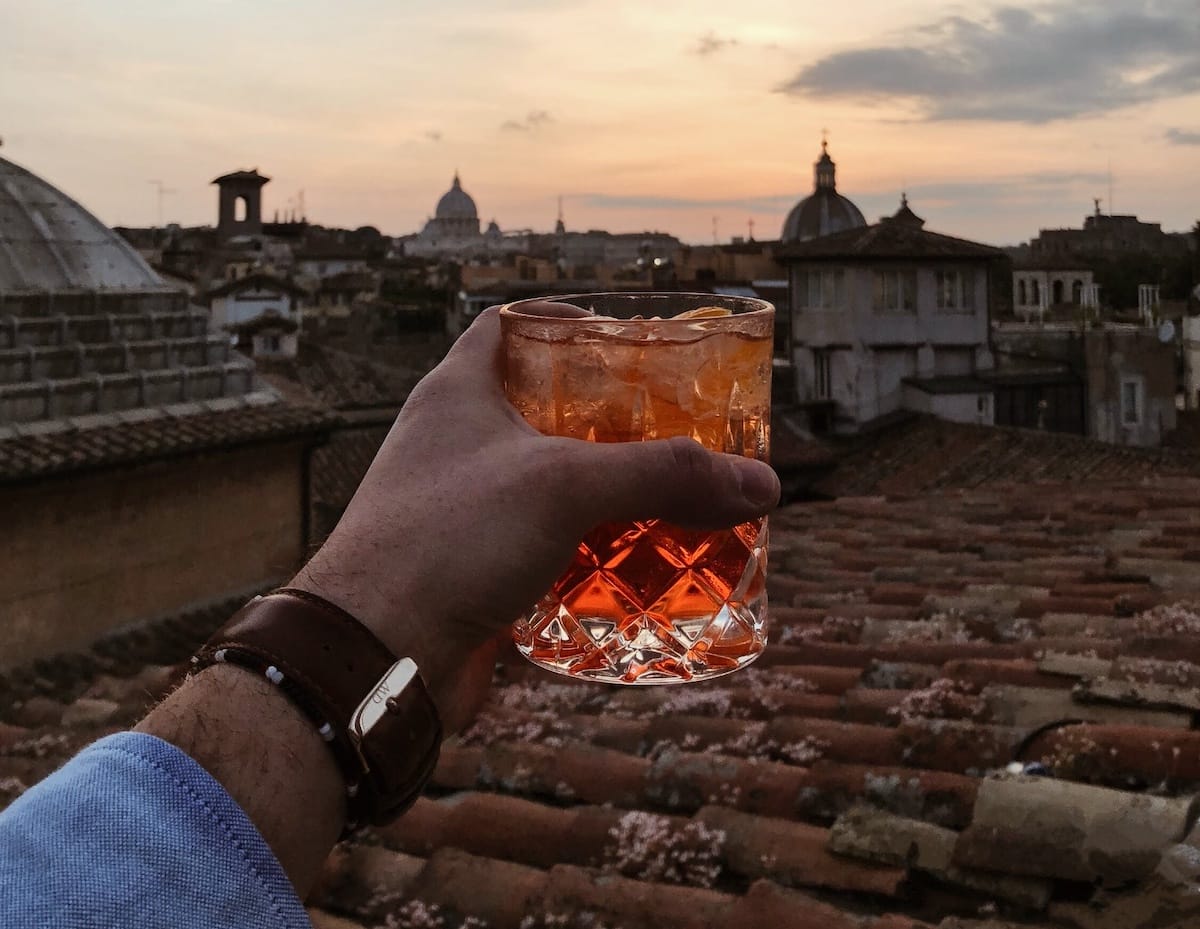
Enjoy a cocktail from one of Rome’s extraordinary rooftops. Photo credit: Vincent Rivaud
Where to Go in Winter in Italy
Winter looks very different from one part of Italy to another. In the north, you can ski beneath snow-covered peaks or explore elegant cities wrapped in winter fog. In central Italy, mild temperatures make it possible to spend your days exploring world-famous museums and ancient sites. And in the south, you can find considerably warmer weather, coastal scenery, and plenty of sunshine.
Here are some of the best places to visit in Italy in winter, depending on the kind of trip you’re looking for.
For Culture and City Sightseeing
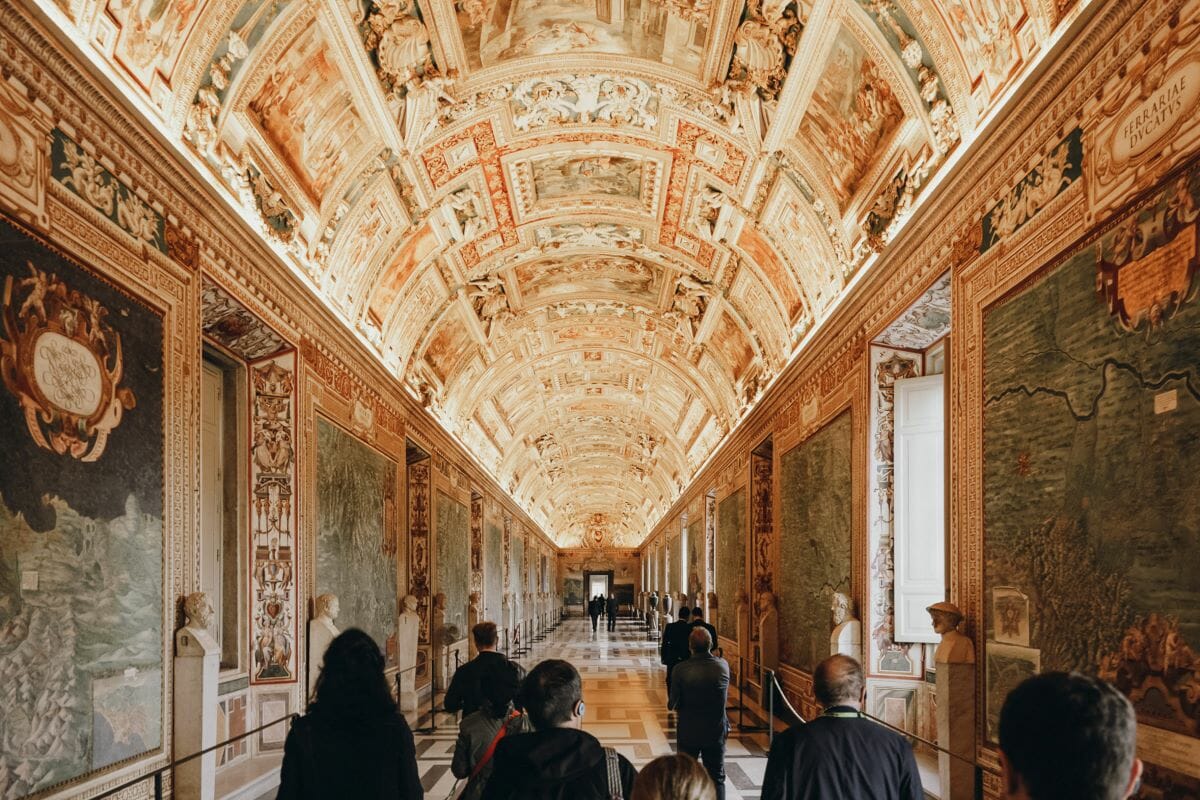
Rome: Winter temperatures: around 3–14°C (37–57°F)
With relatively mild winters, Rome is one of Italy’s best cities for sightseeing between November and February. There may be some rain, particularly in November and December, but cooler temperatures and smaller crowds make exploring the Colosseum, Roman Forum, Vatican Museums, Pantheon, and historic piazzas much more comfortable than in the heat of summer.
Florence: Winter temperatures: around 2–12°C (36–54°F)
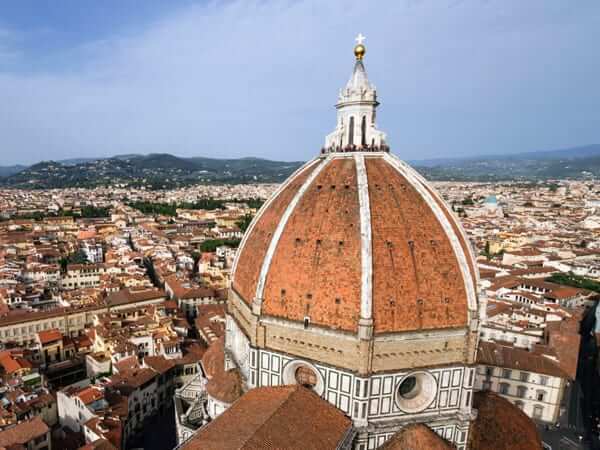
Florence can be cold and rainy in winter, but that makes it an ideal season for exploring the city’s extraordinary indoor attractions. Spend your days admiring masterpieces at the Uffizi Gallery and Accademia, visiting the Duomo and Palazzo Vecchio, and ducking into historic churches before warming up with Tuscan food and wine.
Milan: Winter temperatures: around 0–8°C (32–46°F)
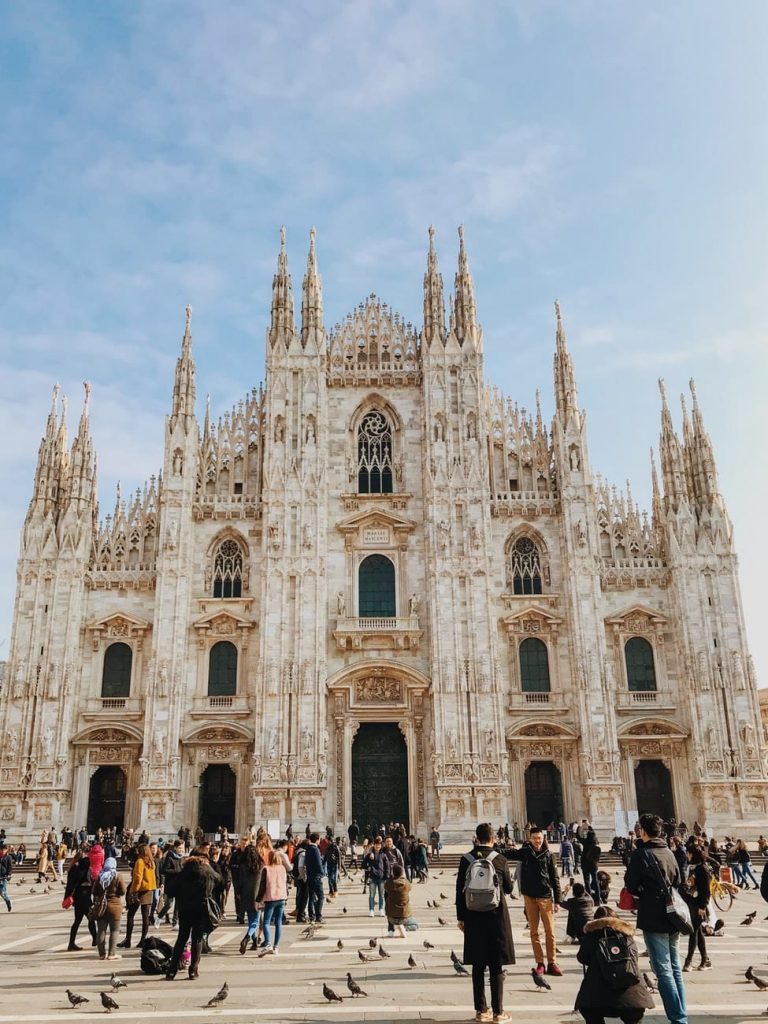
Milan is one of Italy’s colder winter cities, and foggy or damp days are common. Fortunately, there’s plenty to do indoors. Visit the Duomo, La Scala, Brera Gallery, and Leonardo da Vinci’s Last Supper, then enjoy Milan’s famous shopping, fashion, and restaurant scene.
For Atmospheric Winter Escapes
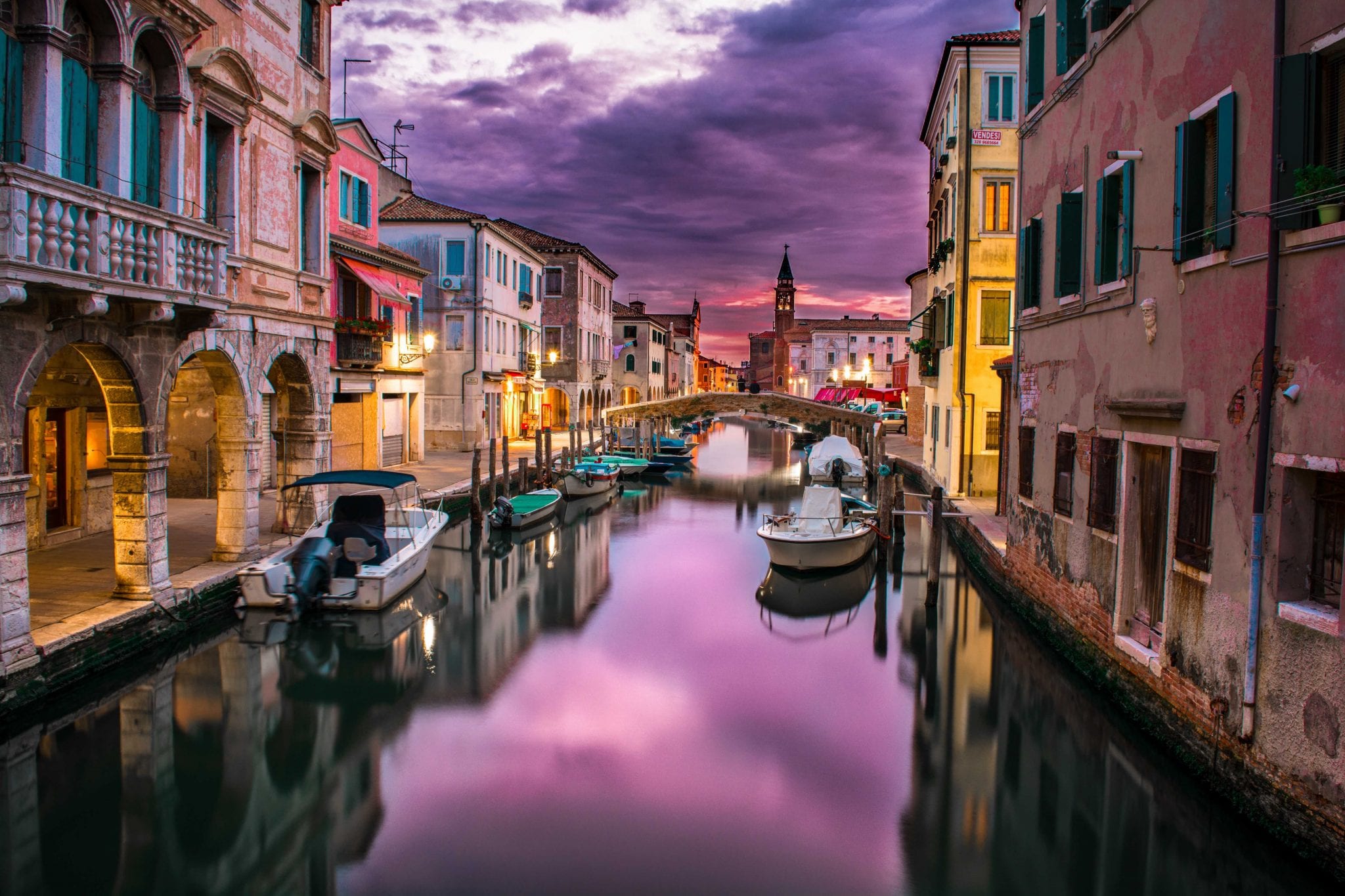
Venice: Winter temperatures: around 1–8°C (34–46°F)
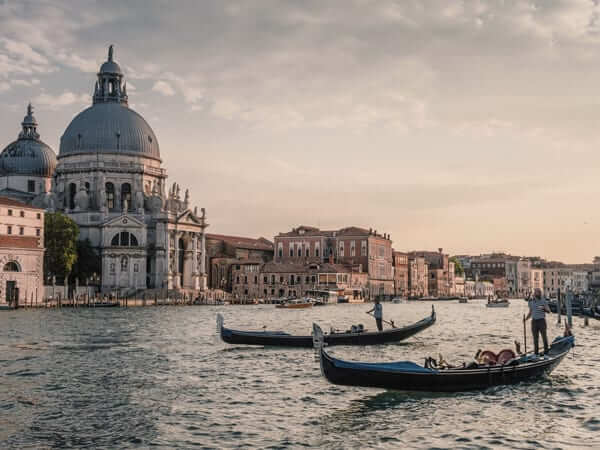
Cold, damp weather and occasional fog give Venice an especially atmospheric feel in winter. The reward is a city with far fewer visitors than in summer, allowing you more space to wander its narrow streets and canals. Don’t miss St. Mark’s Basilica, Doge’s Palace, the Rialto Bridge, and the city’s atmospheric neighborhoods.
Bologna: Winter temperatures: around 2–9°C (36–48°F)
Bologna’s winters can be chilly and damp, but its famous covered porticoes make exploring the city surprisingly comfortable in bad weather. Visit Piazza Maggiore, Basilica di San Petronio, the Two Towers, and the historic markets, and make the most of Bologna’s reputation as one of Italy’s great food cities.
For Warmer Winter Weather
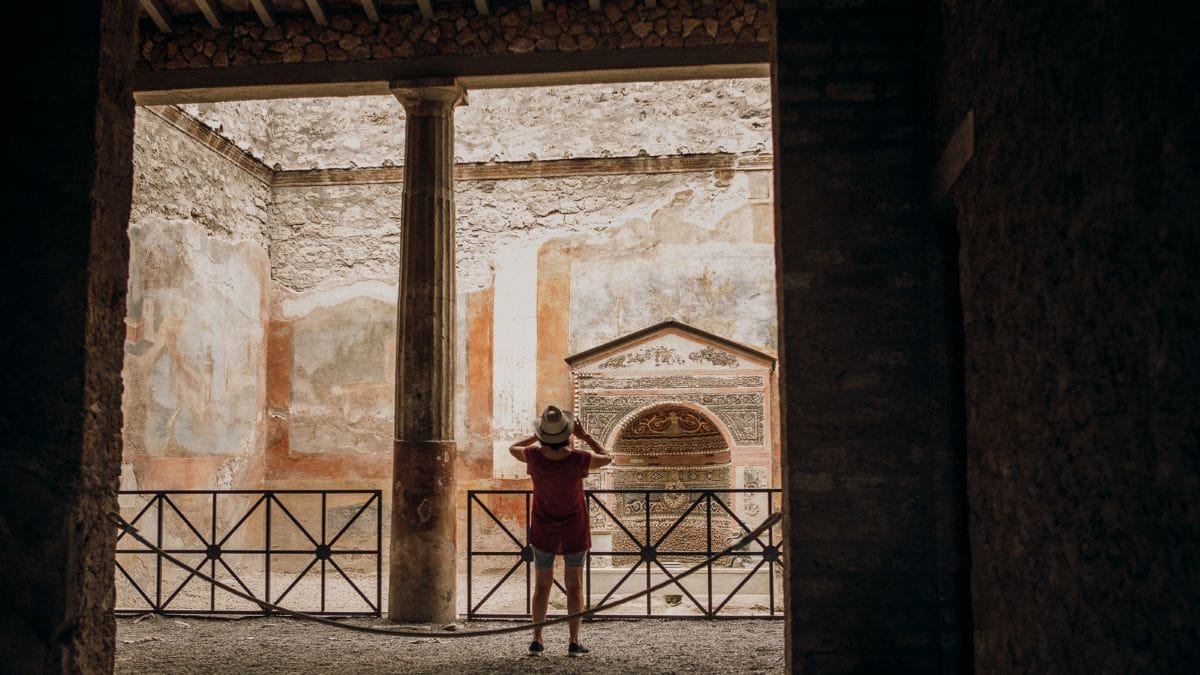
Naples: Winter temperatures: around 6–14°C (43–57°F)
Naples enjoys a milder winter than northern Italy, making it a good choice if you want to combine sightseeing with relatively comfortable temperatures. Explore the city’s historic center and its extraordinary food scene, or use Naples as a base for visiting Pompeii, Herculaneum, and Mount Vesuvius.
Sicily: Winter temperatures: around 8–16°C (46–61°F)
For some of Italy’s warmest winter weather, head south to Sicily. While rain is possible, particularly in December, sunny days are common and temperatures can be pleasantly mild. Explore Palermo, Syracuse, Taormina, the Valley of the Temples, or Mount Etna without the intense summer heat.
For Snow and Winter Sports

The Dolomites and Italian Alps: Winter temperatures: often below 0°C (32°F)
If you’re looking for a traditional snowy winter, Italy’s mountains are the place to go. From December through March, the Dolomites and Italian Alps offer excellent conditions for skiing, snowboarding, and winter hiking, along with spectacular mountain scenery. Resorts such as Cortina d’Ampezzo combine world-class skiing with beautiful villages, Alpine traditions, and excellent Italian food.
Talking of which…
Seasonal foods to try in winter in Italy
There are so many delicious seasonal foods to try, and if you spend winter in Italy, you are in luck – some of the holiday dishes have to be our favorite! For a full breakdown, read our post about typical Roman Christmas and winter food traditions.
Antipasti
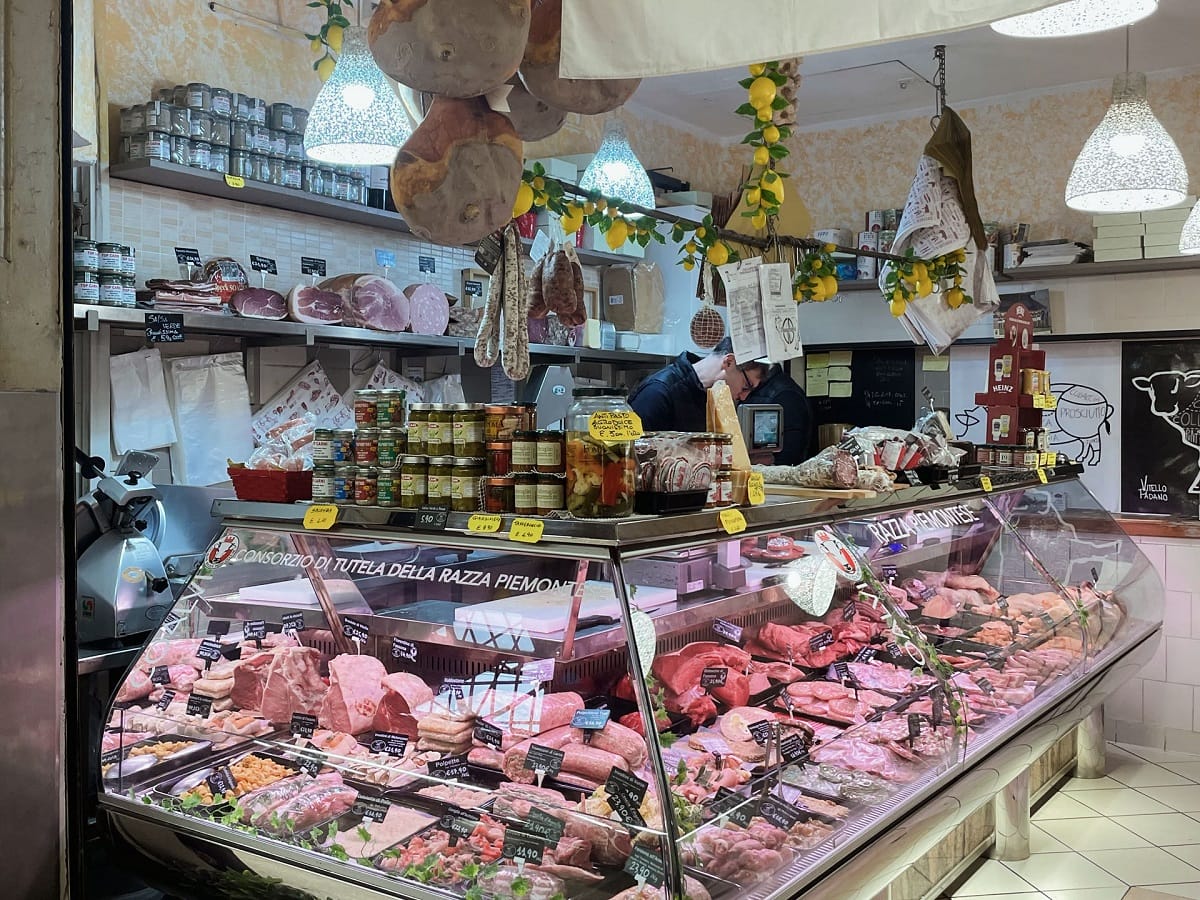
Winter in Italy is a great time to explore antipasti, with menus shifting toward hearty, warming ingredients and traditional cured meats, cheeses, and preserved vegetables. You’ll find regional specialties wherever you travel, from rich frittate and savory tarts to cured meats and aged cheeses that pair perfectly with a glass of Italian wine.
Around Christmas, some regions also produce special seasonal salamis and other festive specialties. In northern and central Italy, you may also come across dishes such as vitello tonnato (cold roast veal with a tuna-flavored mayonnaise sauce), which can appear on winter and holiday menus.
Fish and seafood
Despite the colder weather, fish and seafood remain an important part of Italian winter cuisine, particularly in coastal regions. The emphasis is on fresh, seasonal ingredients, with everything from shellfish and local fish to squid and octopus appearing on restaurant menus. Preparation varies widely from region to region, but you’ll find seafood grilled, baked, stewed, or fried.
During the Christmas season, fish becomes particularly prominent, especially on Christmas Eve, when the traditional cenone della Vigilia often centers around seafood. A popular choice is frittura di pesce, a mixed fried seafood dish that can include calamari, baby octopus, and small fish.
Pasta and potato dishes
When temperatures drop, pasta and potatoes become the stars of many regional Italian dishes, with recipes varying dramatically from north to south.
In Campania, try pasta e patate, a thick, comforting dish of pasta and potatoes often enriched with tomatoes and Parmesan. In Rome and Lazio, gnocchi alla romana are made from semolina rather than potato and baked with butter and cheese until golden. Head north for canederli, hearty bread dumplings traditionally served in broth, or to Piedmont for tajarin, delicate egg pasta often served with rich meat or mushroom sauces.
Throughout Italy, particularly in Emilia-Romagna, the renowned tortellini in brodo takes the spotlight – small circles of pasta stuffed with meat, served in a flavorful broth of beef and capon. In the south, there’s pasta al forno, a baked pasta dish. This rich and abundant creation combines long-simmered ragù, fried meatballs, salami, hard-boiled eggs, chunks of cheese, and a luscious bechamel sauce, baked until the top becomes crispy and the inside turns irresistibly creamy.
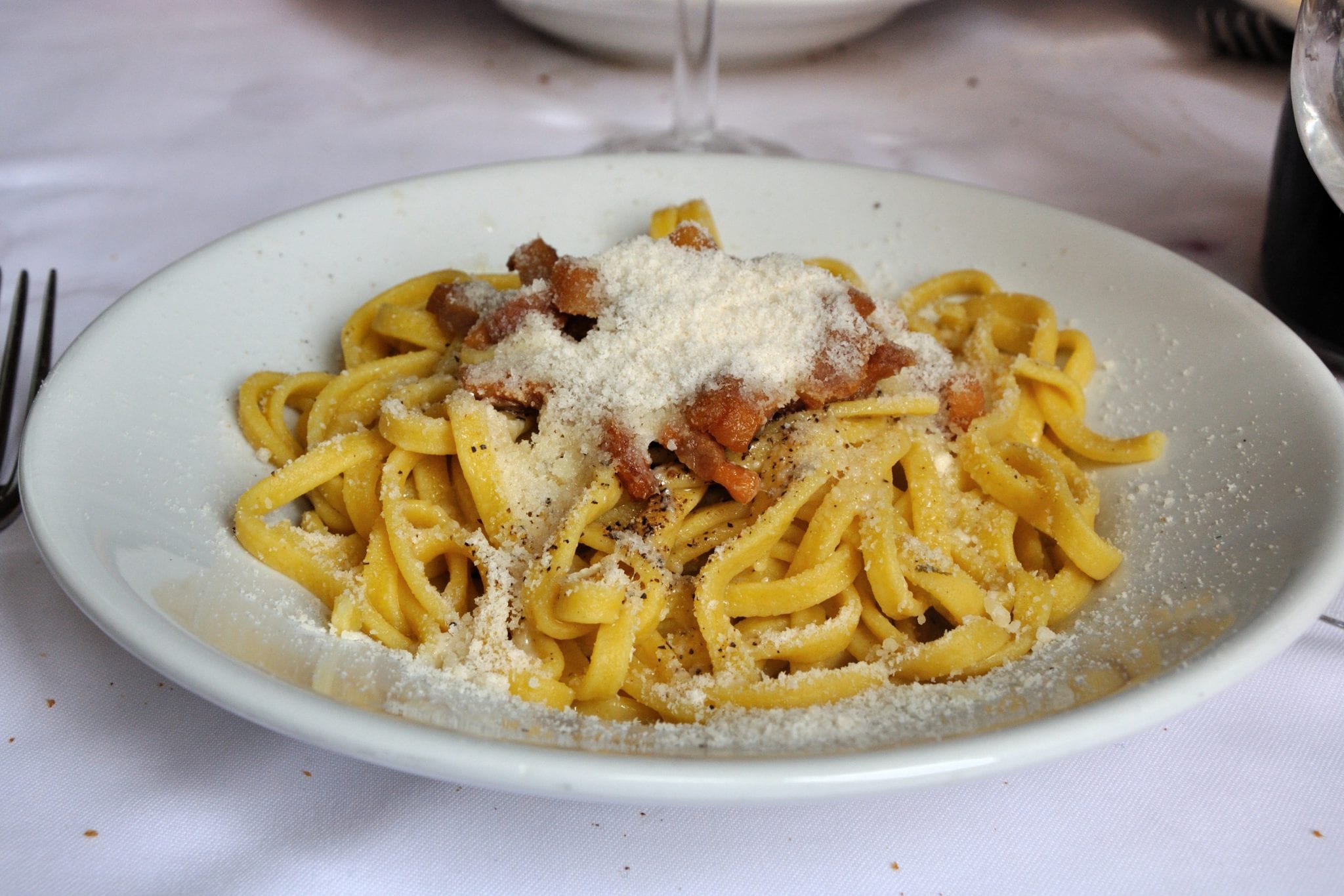
Why not try pasta alla gricia, a true Roman favorite?
Hearty meat dishes
Winter is the season for Italy’s heartier meat dishes. While meat is generally eaten in modest portions, colder months bring slow-cooked stews, braises, sausages and roasts to the table. Regional favorites include brasato al Barolo (beef braised in Barolo wine) in Piedmont, ossobuco in Lombardy, wild boar in Tuscany, and abbacchio (young lamb) in Rome and Lazio.
At Christmas, meat can feature in several courses of the same meal. Following tortellini in brodo, families in Emilia-Romagna may serve bollito misto, an assortment of boiled meats accompanied by salsa verde (a tangy green sauce) or mostarda (candied fruit in spiced syrup). Roasts are also popular, while pork sausages such as cotechino are traditionally enjoyed around Christmas and New Year.
Desserts: Panettone, pandoro, and crespelle
Winter desserts in Italy are often simple, warming treats. Crespelle, small, crepe-like pieces of fried dough, are popular in parts of central and southern Italy, served either savory with cheese or sweet with sugar. Other regional winter specialties include baked cakes, cookies and pastries made with seasonal ingredients such as nuts, dried fruit and citrus.
Christmas, however, brings Italy’s most famous sweet treats: panettone and pandoro. Panettone, from Milan, is a light, fruit-studded sweet bread, while pandoro, from Verona, is softer and richer, traditionally dusted with powdered sugar. Alongside these, every region has its own festive specialties, from Naples’ honey-coated struffoli to Sicily’s fruit- and nut-filled buccellati.
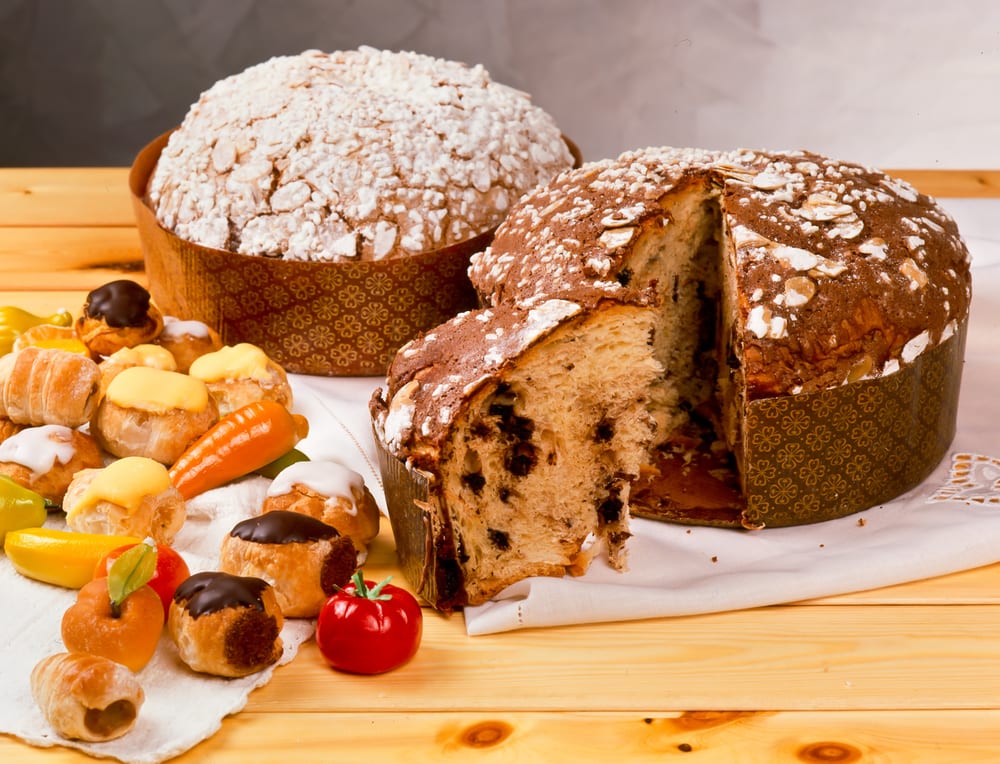
Panettone is a typical treat eaten during the colder months, particularly around Christmas.
Fun fact: Did you know that the Feast of the Seven Fishes is not typically celebrated by Italian families? Discover all about this uniquely Italian-American holiday meal!
Christmas and New Year’s festivities
If you’re looking for a particularly festive winter trip, Christmas is a wonderful time to experience Italy, but expect a very different atmosphere from the quieter weeks of January and February.
The holiday season does mean larger crowds and higher prices, particularly from mid-December through New Year’s. If you’re planning to visit Italy at this time, book accommodation and popular attractions well in advance.
City Christmas Lights & Decoration
As Christmas and New Year’s approach, Italy becomes busier, more festive, and decidedly more magical. Cities and towns across the country light up with Christmas decorations, illuminated streets, Christmas trees, while shops and piazzas fill with locals doing their holiday shopping and visitors enjoying the celebrations.
Festive Markets
You’ll find Christmas markets throughout Italy, from the famous market in Rome’s Piazza Navona to festive markets in cities such as Florence, Bologna, Milan, and smaller towns across the country. These often run until January 6 (the Day of the Epiphany). Each destination has its own traditions, but you’ll often find seasonal foods, local crafts, decorations, and plenty of opportunities to soak up the Christmas atmosphere.
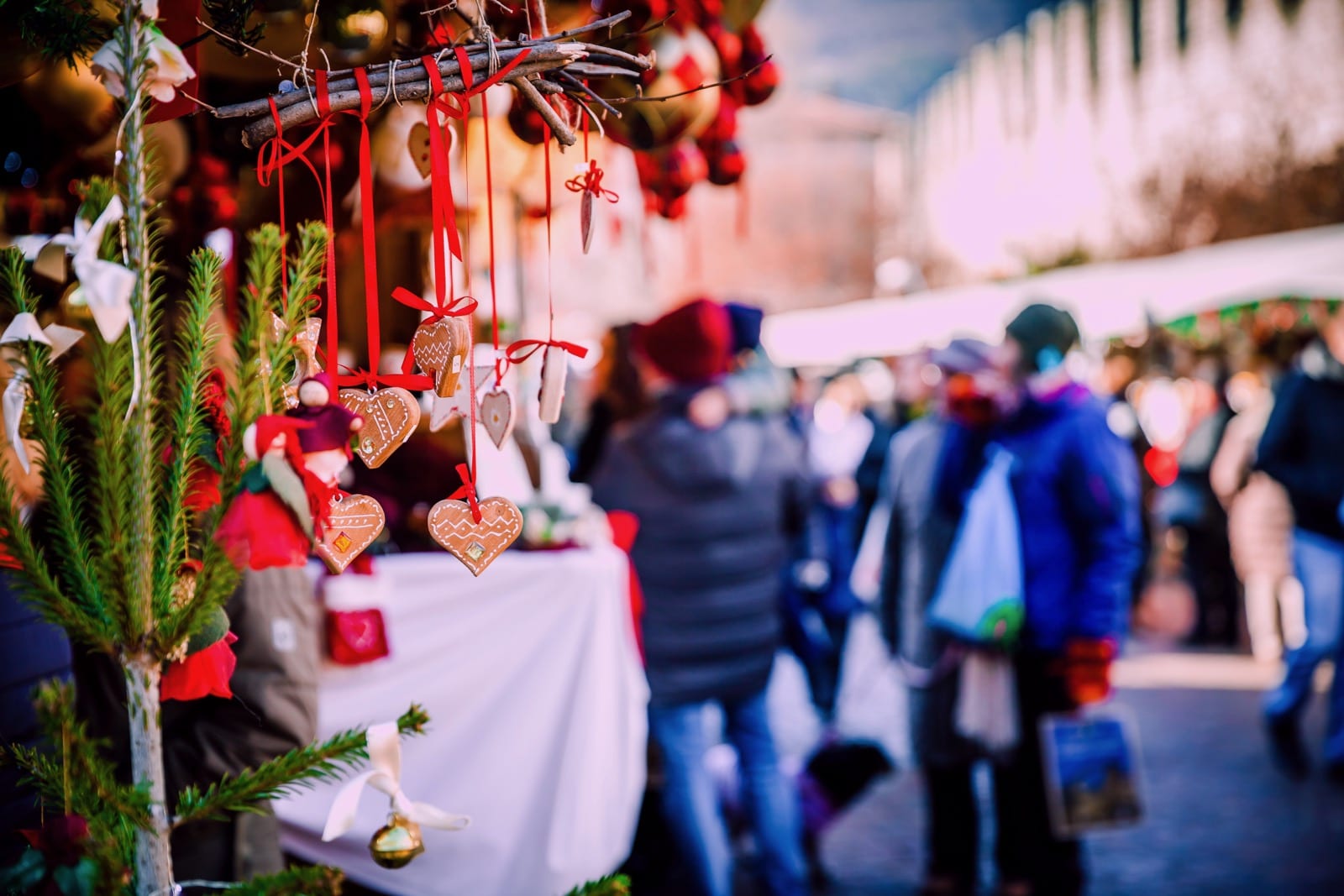
Winter in Italy, especially at Christmas comes with perks, including the festive feeling of the Christmas markets.
Religious traditions
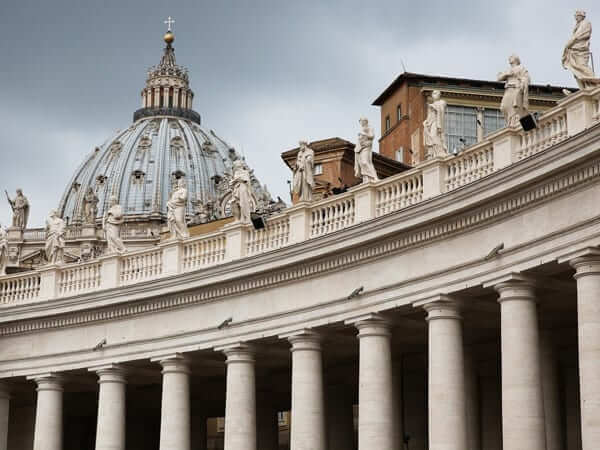
Religious traditions are an important part of Christmas in Italy, and the holiday season offers plenty of opportunities to experience them. Churches across the country hold special services, with Midnight Mass on Christmas Eve being one of the most important. In Rome, visitors can also attend Christmas celebrations at the Vatican and may have the opportunity to see the Pope during seasonal events.
Throughout Italy, you’ll also find traditional presepi (Nativity scenes), from simple displays in local churches to elaborate installations that can become attractions in their own right. The festivities continue into January, culminating in Epiphany (La Befana) on January 6, another important date in the Italian religious calendar.
Don’t miss our fun video about on Christmas traditions in Rome:
Traveling to and around Italy in winter
Getting to Italy in winter is generally straightforward, with major international airports in Rome, Milan, Venice, Naples, and Bologna and regular flights from cities across Europe and beyond. Airfares can be particularly attractive outside the Christmas and New Year period, although prices tend to rise around the holidays. If you’re visiting at Christmas, book flights and accommodation well ahead of time.
Once you’re in Italy, trains are usually the easiest way to travel between major cities. High-speed services connect Rome, Florence, Bologna, Milan, Naples, and Venice, while regional trains reach smaller towns and cities. Driving can be useful for exploring rural areas, Tuscany, Sicily, or the mountains, but the weather in winter in Italy can make mountain roads more challenging. If you’re heading to the Alps or Dolomites, check conditions and consider booking transfers or using public transport to reach ski resorts.
Within Italy’s cities, public transport makes getting around relatively easy. Rome, Milan, Naples, Turin, and Brescia have metro systems, while cities such as Florence, Bologna, Venice, and Palermo rely more heavily on buses, trams, or other local services. Taxis are widely available in the major cities, although they can be more expensive than public transport.
In winter, it’s worth allowing extra time for getting around, particularly on rainy days when buses and taxis can be busier and walking between sights becomes less appealing. In cities like Venice, rain can also bring occasional acqua alta (high water), so check local conditions before setting out.
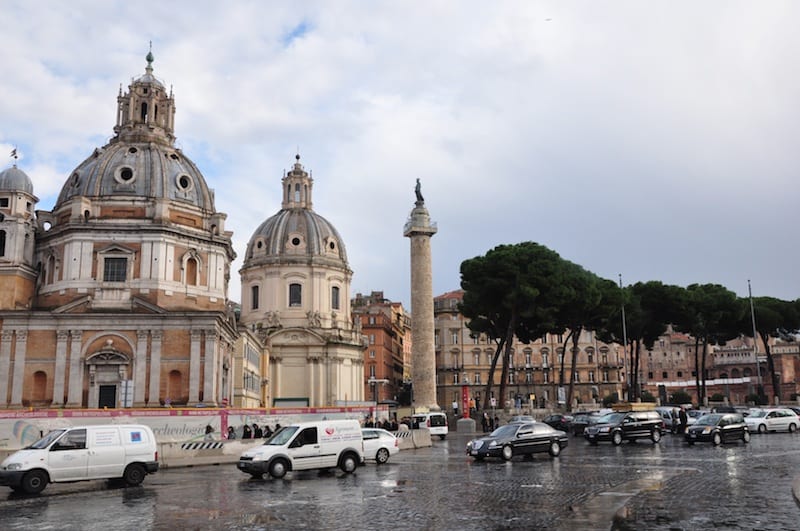
It may take longer to travel around if its raining, but most places in Italy have good public transport and taxi services!
FAQs – Winter in Italy
What should I pack for a winter trip to Italy?
Pack layers and a waterproof jacket, as winter weather varies considerably across the country. Comfortable, waterproof shoes are particularly useful for sightseeing, as rain can make streets and piazzas slippery. If you’re heading to the Alps or Dolomites, you’ll need proper cold-weather and snow gear.
Should I book attractions and transportation in advance in winter?
For most of winter, you can usually be more flexible than during the summer. However, it’s still wise to book major attractions, high-speed trains, and accommodation in advance if you’re traveling around Christmas, New Year’s, or other popular holiday dates. Ski resorts should also be booked well ahead during peak winter weeks.
Are guided tours available in Italy during winter?
Yes. Tours continue to operate throughout the winter, although some seasonal experiences may have reduced schedules or operate only on certain days. Winter can actually be a great time to take a guided tour, as smaller groups and fewer crowds can make it easier to explore Italy’s major attractions at a more relaxed pace.
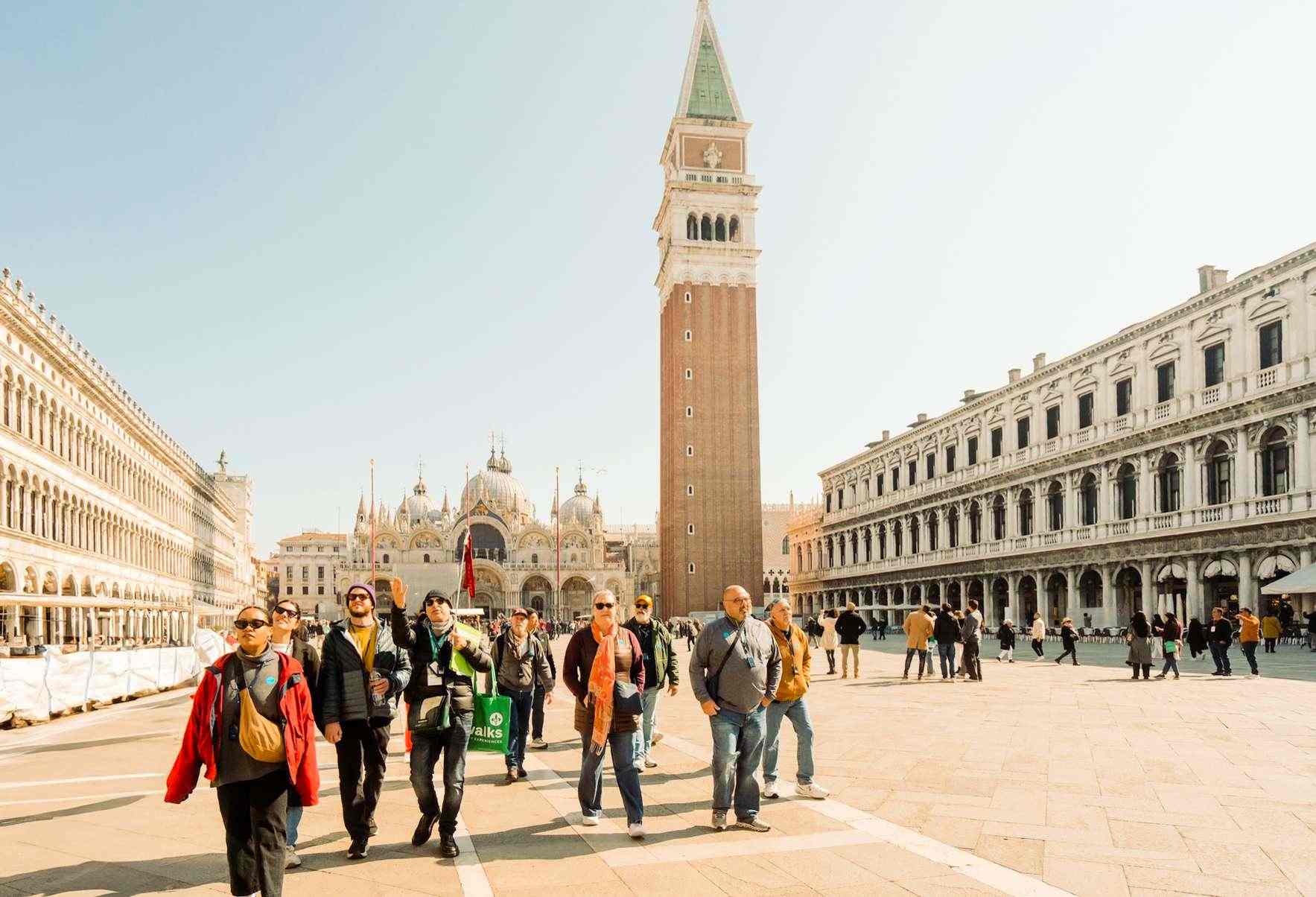
Make the most of winter in Italy
Winter is a wonderful time to explore Italy, but shorter daylight hours, changing weather, and seasonal opening times can make planning your sightseeing a little trickier. Joining a guided tour takes the hassle out of it, while giving you expert insight into Italy’s history, art, food, and traditions. And with fewer visitors around, winter can be an especially rewarding time to explore Italy’s famous sights with a knowledgeable local guide.
Ready to start planning? Explore the full range of Walks of Italy tours and find the perfect experience for your winter trip.

Book a Tour

Pristine Sistine - The Chapel at its Best
€89

1794 reviews

Premium Colosseum Tour with Roman Forum Palatine Hill
€56
850 reviews
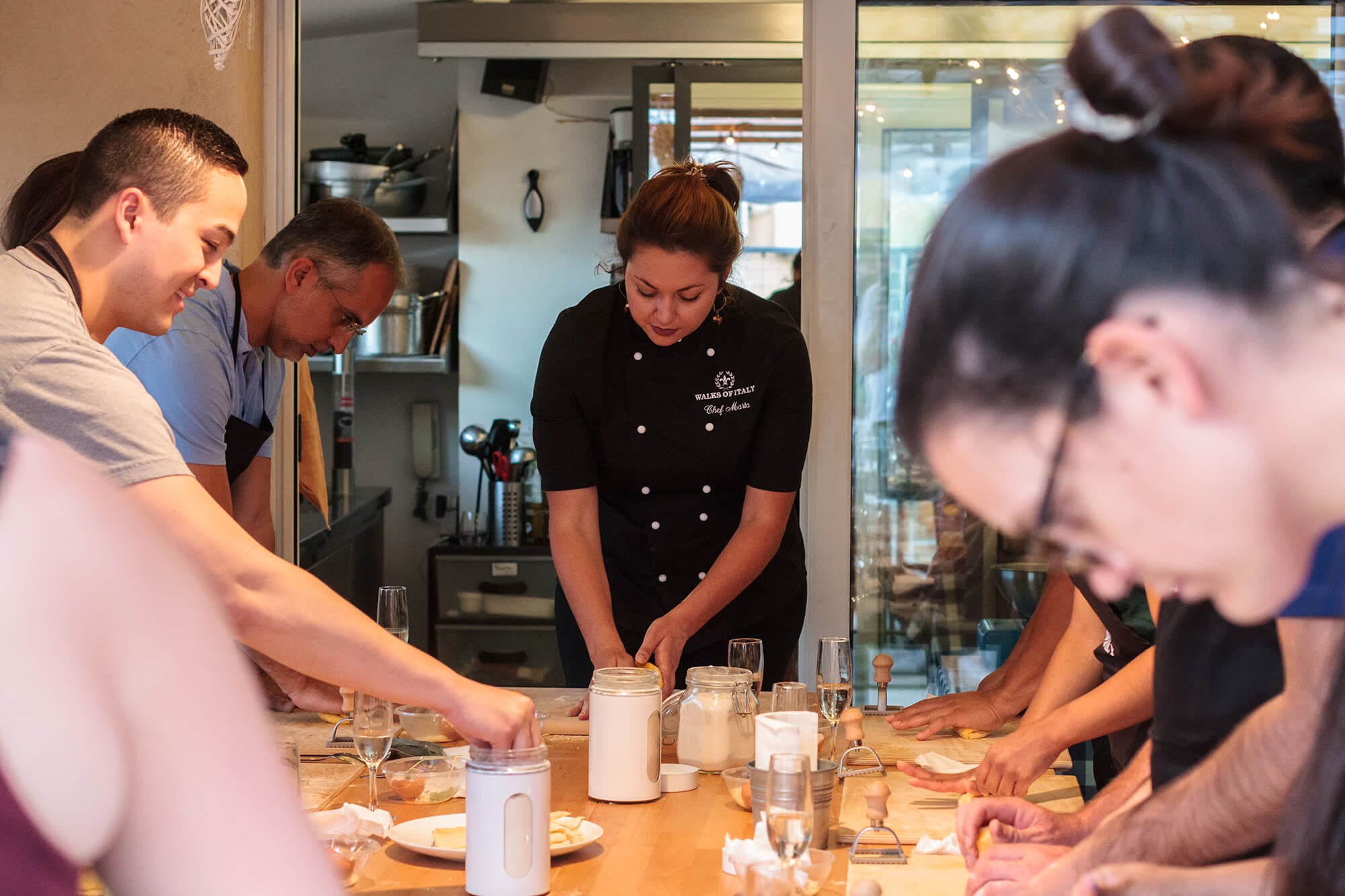
Pasta-Making Class: Cook, Dine Drink Wine with a Local Chef
€64
121 reviews

Crypts, Bones Catacombs: Underground Tour of Rome
€69
401 reviews

VIP Doge's Palace Secret Passages Tour
€79
18 reviews

Legendary Venice: St. Mark's Basilica, Terrace Doge's Palace
€69
286 reviews
Follow us
Stay up to date with travel tips, local insights and all things Italy on our social channels!


Subscribe to our Newsletter
Get curated Italy travel tips delivered to your inbox!

