



Umbrian Cuisine – 23 delicious regional Italian dishes
November 1, 2026
Slap bang in central Italy, the region of Umbria isn’t just beautiful, but also boasts delicious food, too! Tuscan dishes may be slightly more well-known, but Umbrian cuisine is also divine.
The favorite dishes of this central region of Italy are often simple, seasonal, and hearty, featuring locally-raised game meats, delicious wines, and olive oils, as well as local produce like truffles and wild asparagus. There’s also the tradition of cucina povera, where locals made sure not to let anything, including any part of an animal, go to waste.
Here are 23 must-try dishes from Umbria
Umbrian Cuisine: Savoury dishes
Tartufo
We know “tartufi” as truffles. Found in the wild, these fragrant, earthy mushrooms are Umbria’s great delicacy. You can experience them on everything from tagliolini to crostini, but remember, like every other kind of produce, tartufi go by seasons. Black truffles grow in the wild from October to March; white truffles, October to December.

Truffle shavings add a whole new flavor to a simple dish. Photo by Premshree Pillai
Ribollita
A thick, hearty vegetable stew, ribollita has its origins in cucina povera (“the poor kitchen”), it was a clever way to transform leftover bread, beans, and vegetables into something deeply satisfying. Traditionally reboiled over several days, its flavors grow richer with time, making it rustic and comforting and best enjoyed with a glass of Chianti.
Pappa al pomodoro
This is a thick, velvety tomato and (preferably day old) bread soup that celebrates simplicity at its best. Like the ribollita, it comes from cucina povera, turning day-old bread, ripe tomatoes, garlic, and olive oil into something wonderfully rich and satisfying. Traditionally eaten warm in winter or at room temperature in summer. Pair it with a glass of local red wine, and you’ve got Italy on a spoon.
Crostini alla norcini
Crostini are one of the most popular Umbrian offerings and are essentially toasted pieces of bread topped with various spreads, like crostini al tartufo (with black truffles) or chicken liver crostini (with capers and lemon). Our favorite, crostini alla norcina, is made with a blend of anchovies, truffles, and chicken liver.
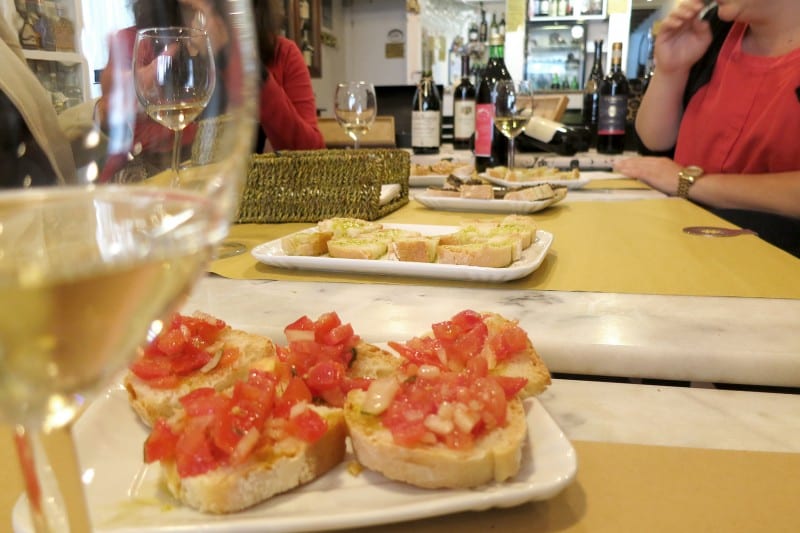
You can´t go to this region without sampling crostini!
Panzanella
A refreshing bread salad that perfectly captures the rustic charm of Umbrian cuisine. Traditionally made with hearty, unsalted country bread that’s soaked until tender, it’s tossed with juicy ripe tomatoes, cucumbers, onions, basil, and plenty of good olive oil. Interestingly, the earliest versions of panzanella were onion-based, with tomatoes added later once they became a staple of Italian cooking.
Porchetta
One of the most beloved specialties of Umbria, a savory pork roast stuffed with herbs like fennel, rosemary, and garlic, and slow-roasted until the meat is tender and the skin is perfectly crisp. Traditionally, it’s carved fresh and enjoyed in thick slices, in rustic rolls for a lunchtime sandwich, or served as part of an antipasto spread at dinner. Rich, aromatic, and deeply satisfying, porchetta is a true taste of Umbria’s culinary traditions that you’ll often see celebrated at festivals, markets, and family tables alike.

Mouth-watering porchetta is one of the many flavors that you cannot miss. Photo credit: Pedro Angelini from São Paulo, Brasil, CC BY 2.0, via Wikimedia Commons
Norcino
This word has come to apply to a variety of cured meats, including boar sausages and prosciutto, with one condition: They’re cured in the special, time-tested way that originates in Norcia (hence “norcino”), an Umbrian town famous for its wild boar and other local game. These specialties are a cornerstone of local Umbrian cuisine, prized for their rich flavor and artisanal heritage.
Pappardelle con la lepre
Broad ribbons of pasta, served with a meaty sauce of hare, bacon and cloves. This dish is a speciality of both Umbria and Tuscany, and an opportunity for visitors to try local game that they may not have experienced before. Unlike rabbit, which is milder and more delicate, hare meat is darker and leaner and more “gamey”, making it ideal for slow-cooked dishes which tenderizes the meat and allows the flavors of herbs, bacon, and spices to meld perfectly.
Tagliatelle or fettuccine with ragu
You can’t leave central Italy without trying at least one of its ragu variations. It’s nothing like what you find in the States. It’s made from simmering down minced veal or pork (or both) along with carrots, onions, celery, and lots of spices. Some regional variations even include a touch of tartufi (truffles) for an extra layer of luxury.
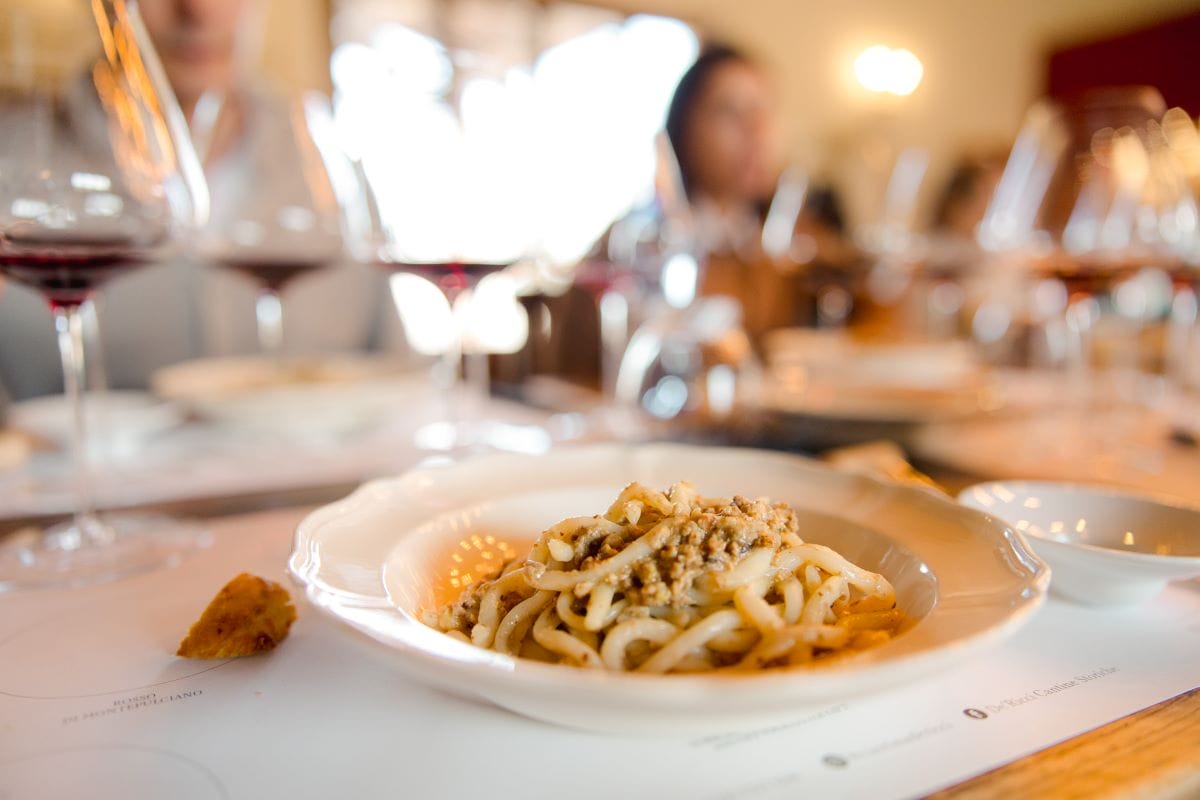
Umbrian and Tuscan ragu, are a culinary specialty.
Gnocchi ignudi
These Florentine dumplings are light and delicate, made with spinach, ricotta, and eggs. A classic example of the region’s simple yet flavorful cucina. Unlike heavier gnocchi, ignudi are almost pillow-like and melt in your mouth. Traditionally served with a simple butter and sage sauce or a light tomato drizzle.
Triglie alla livornese
From Livorno (“alla livornese”), this dish features red mullet simmered with garlic, tomatoes, onions, and lots of fresh parsley. The fish is simmered gently , creating a balance of sweetness from the tomatoes and brininess from the mullet. Often served with crusty bread to soak up the sauce, triglie alla Livornese is a perfect example of Tuscany’s love for seafood and Mediterranean flavors.
Cieche alla pisana
Feeling adventurous? Then go for these baby eels, quickly sauteed with eggs and served with parmesan. Originally from Pisa, this culinary speciality has also found a place in Umbrian cuisine, reflecting central Italy’s regional diversity. With its slightly briny flavor and delicate texture, it’s a dish that pairs wonderfully with a crisp white wine or a light aperitivo.

Italian wines are the perfect accompaniment to the rich and hearty flavors of Umbrian cuisine
Cacciucco del Casentino
Also called cacciucco di terra or di carne, this dish – from Casentino – dates back to the Middle Ages, if not earlier. Mixed meats, including everything from veal to rabbit to pigeon, are cooked in a broth of red wine, onions, celery, carrots, garlic, basil, parsley, and lemon… and served, of course, with thick Tuscan bread.
Cinghiale
Wild boar, hunted in both Umbria and Tuscany, is a beloved regional delicacy. The meat is gamey and robust, often slow-cooked into a rich pasta ragu or served on its own as a hearty secondo. Traditionally flavored with juniper, garlic, red wine, and fresh herbs, cinghiale exemplifies the rustic, earthy flavors of central Italy´s Umbrian cuisine.

The variety of different pasta dishes and sauces is incredible
Pollo alla diavola
Pollo alla diavola is flattened chicken, flavored with herbs. While it sounds simple, it is incredibly delicious. Its name—“devil’s chicken”—hints at the slightly spicy kick from black pepper or chili, which gives it an irresistible smoky heat. Crispy on the outside and juicy on the inside, it’s often served with roasted vegetables or a drizzle of lemon, making it a perfect representation of rustic Italian cooking.
Gallina ubriaca
A classic Umbrian specialty, which literally means “drunken hen” – and that’s what it is! Popular in the area around Orvieto, the secret to this dish lies in marinating the chicken in generous amounts of local Orvieto wine, which tenderizes the meat and infuses it with a rich, slightly sweet flavor. Served with roasted vegetables or polenta, gallina ubriaca is a perfect example of how Umbrian cuisine transforms simple ingredients into deeply flavorful dishes.
Bistecca alla fiorentina
This iconic Florentine dish is a massive T-bone steak, typically sourced from Chianina cattle, grilled over a wood or charcoal fire. Traditionally, it’s cooked rare to medium-rare and seasoned simply with olive oil, salt, and sometimes a squeeze of lemon, letting the high-quality meat shine. Served family-style on large wooden boards, Bistecca alla Fiorentina is not just a meal—it’s an experience!
If you love steak you simply must try bistecca alla fiorentina!
Arista
Arista is a traditional Florentine roast pork loin, seasoned simply but expertly with fresh rosemary, garlic, and sometimes a touch of fennel seeds. The pork is roasted slowly until juicy and tender on the inside, with a crispy, aromatic crust. Often served with roasted potatoes or seasonal vegetables, arista is a staple of home cooking and holiday feasts.
Umbrian Cuisine: Sweets and cakes
Fichi Girotti
The Umbrian town of Amelia has been famous for its figs since ancient times. In the 19th century, a nationalist commander named Antonio Girotti started filling the figs with toasted almonds, candied fruits and cocoa, and pressing them into wheel shapes. These sweet candies are still popular today!
Castagnaccio
Castagnaccio is a dense, rustic cake made from chestnut flour, and a traditional example of Umbrian and Tuscan cuisine. Naturally gluten-free, it has an earthy, slightly sweet flavor, often enhanced with pine nuts, raisins, and a drizzle of olive oil. Traditionally enjoyed in the autumn and winter months, this cake reflects the region’s harvest season.
Panpepato
Panpepato is a rich, spiced gingerbread cake, traditionally enjoyed during Christmastime. Packed with a mix of nuts, raisins, honey, dark chocolate, and candied fruit, with a pleasantly chewy texture. Often dusted with a light coating of cocoa or sugar, panpepato combines the sweetness of the dried fruits with the earthy warmth of spices like cinnamon, cloves, and nutmeg. If visiting in the festive season is top of your list, there are many more Italian Christmas traditions to discover!
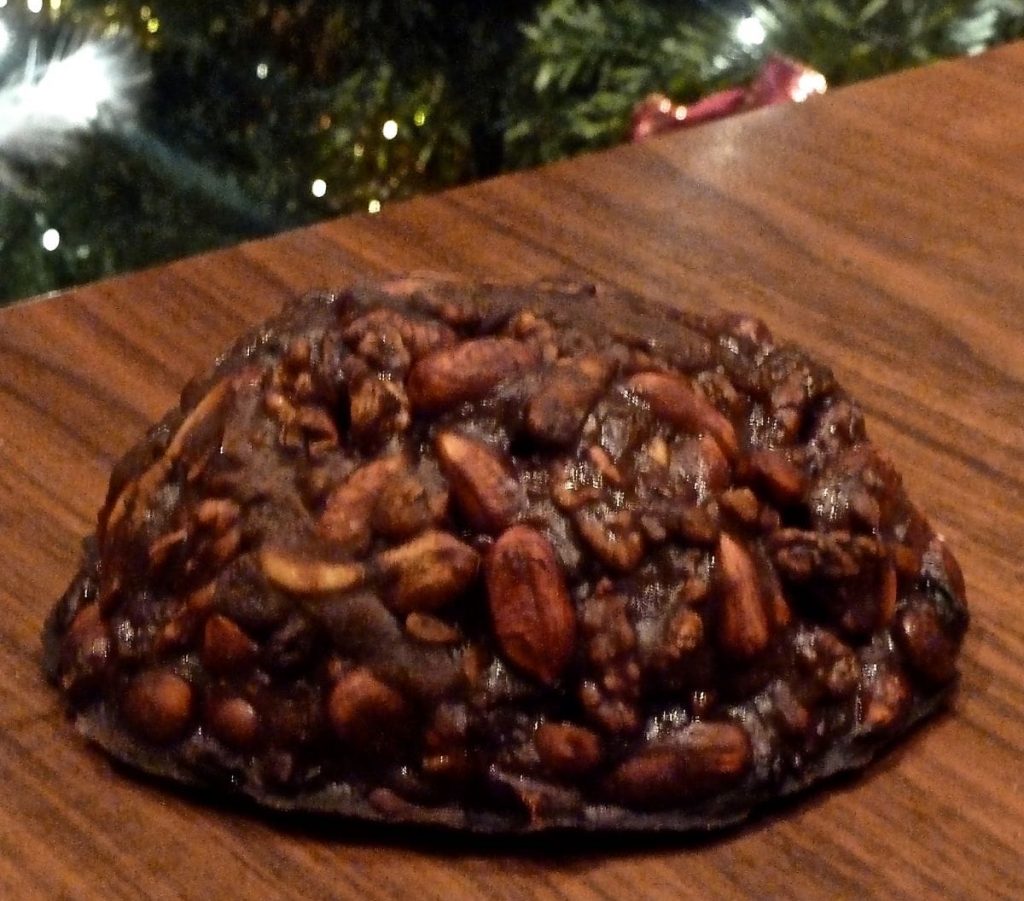
Did you know that panpepato is a type of panforte? Photo credit: Luca Sbardella on Flickr, CC by 2.0
Panforte
Another popular cake with candied fruit and peels, however this one is flatter and denser. A particular specialty of Siena, it is another beloved Christmas specialty of central Italy. Made with candied fruit, nuts, spices, and sometimes a hint of black pepper, panforte offers a unique combination of sweetness and subtle heat that distinguishes it from other holiday desserts. Its chewy, slightly sticky texture makes it ideal for slicing thinly, and it pairs beautifully with a cup of Vin Santo or strong coffee.
Insider tip: Make time for a visit to Siena, one of Italy’s most captivating medieval towns. Wander its winding streets, admire the magnificent Piazza del Campo, and soak up the atmosphere that feels untouched by time. Check out our guide to things to Do in Siena for inspiration!
FAQ´s – Umbrian Cuisine
What are the top ingredients?
Umbrian cuisine relies heavily on locally sourced ingredients, including olive oil, beans, lentils, wild boar, pork, truffles, mushrooms, and fresh seasonal vegetables. Cheese like pecorino and cured meats from Norcia are also staples.
Are Umbrian dishes suitable for tourists with dietary preferences?
Yes! Many dishes are naturally vegetarian, like ribollita, pappa al pomodoro, or castagnaccio. However, meat and game are central to the cuisine, so it’s best to check menus for vegan or pescatarian options.
When is the best season to enjoy these specialties?
Autumn and winter are ideal for Umbrian food lovers, as this is when truffles, chestnuts, mushrooms, and hearty stews like ribollita and lentil soups are at their best.
How much does a typical meal cost?
Prices vary depending on the restaurant or trattoria. A hearty traditional meal of pasta, a main course like cinghiale or porchetta, and dessert can range from €20–€35 per person at a mid-range eatery, while high-end restaurants may charge more.
Insider Tip: If you want to know more about where to go in this region, you can learn more about 6 of the best towns in Umbria
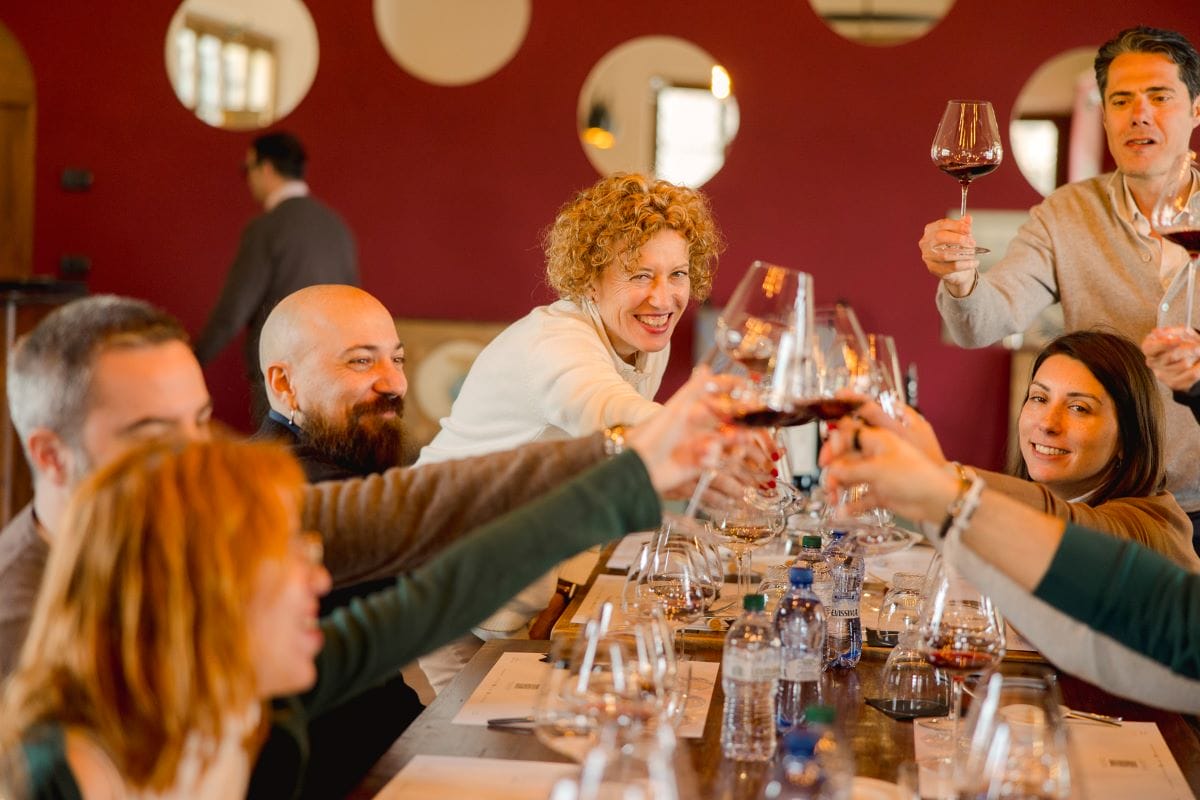
Cheers to delicious food and even better wine!
Ready to experience the sights and tastes of Italy first-hand?
For a fabulous insight into the flavors, history and culture of this region, join one of our small group tours of Florence or private tours in Florence with an expert local guide. Discover hidden gems and find out about the places and people that make this place so specia.
If you want to truly immerse yourself why not join our Rome to Florence & Tuscany Overnight Tour. You’ll journey from the Eternal City into the heart of Tuscany, exploring Renaissance Florence and venturing into the countryside for unforgettable food and wine experiences. With time to visit iconic hill towns, enjoy authentic local cuisine, and soak up the region’s relaxed pace, this tour lets you go deeper than a typical day trip, without worrying about the logistics.
Slow down, stay longer, and discover the true essence of Italy.

Book a Tour

Pristine Sistine - The Chapel at its Best
€89

1794 reviews

Premium Colosseum Tour with Roman Forum Palatine Hill
€56
850 reviews
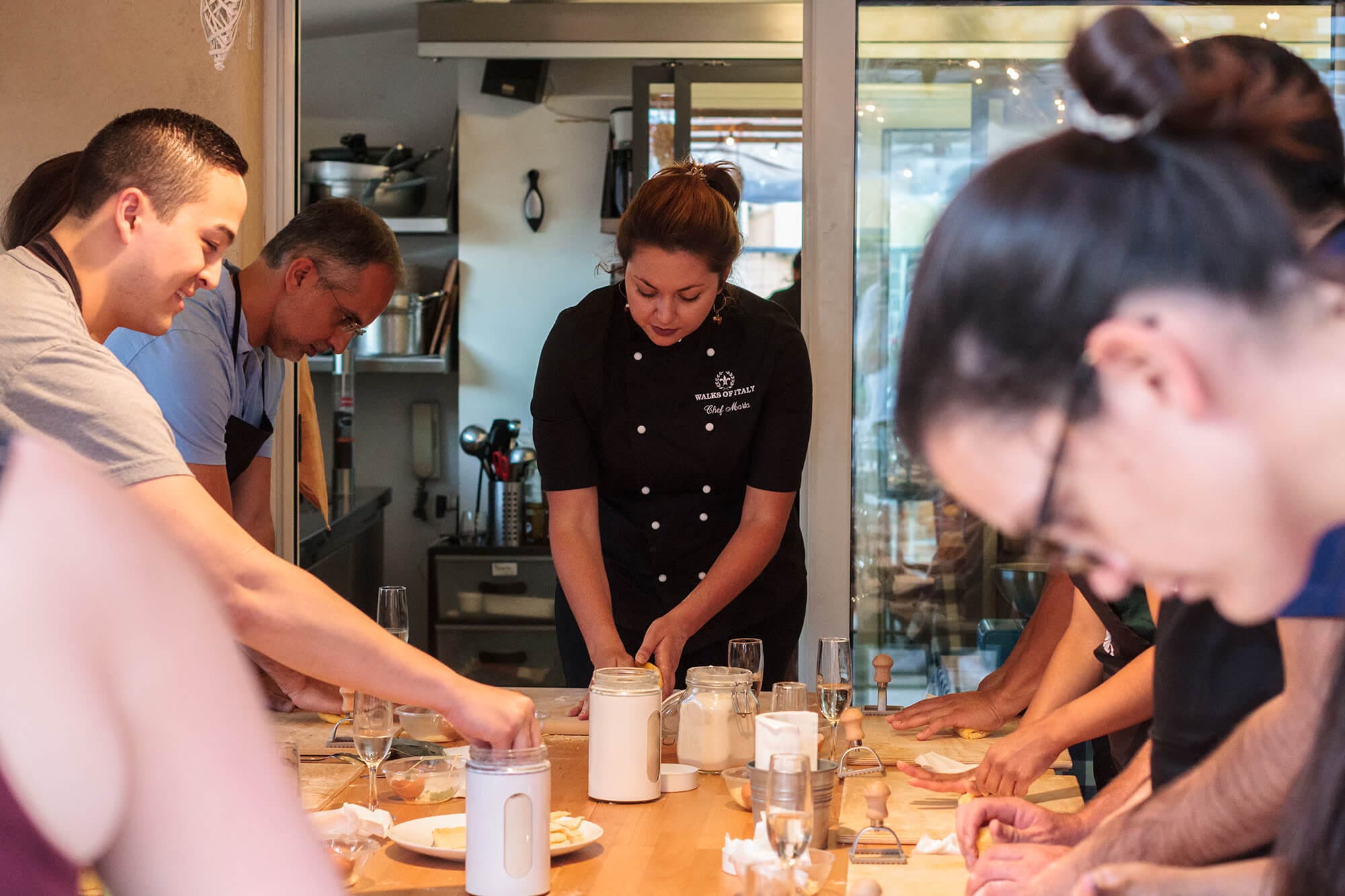
Pasta-Making Class: Cook, Dine Drink Wine with a Local Chef
€64
121 reviews

Crypts, Bones Catacombs: Underground Tour of Rome
€69
401 reviews

VIP Doge's Palace Secret Passages Tour
€79
18 reviews

Legendary Venice: St. Mark's Basilica, Terrace Doge's Palace
€69
286 reviews
Follow us
Stay up to date with travel tips, local insights and all things Italy on our social channels!


Subscribe to our Newsletter
Get curated Italy travel tips delivered to your inbox!
