







Exploring the Cilento Coast: The Best-Kept Secret South of Naples
February 6, 2026
South of Naples, the Amalfi Coast, and Sorrento, lies Cilento (pronounced chee-lento). Cilento encompasses a coastal subregion of Campania that stretches from the town of Paestum to the Marina di Camerota, with a lush and hilly national park inland. The Cilento coast has a lot to offer travelers looking for a serene and authentic Southern Italian experience.
While Cilento is a popular beach destination for Neapolitans, it remains pretty much unknown among international tourists. But the region’s mouth-watering food culture and beautiful natural scenery is definitely worth exploring. What’s more, the Cilento Coast allows you to take in the same wonderful scenery (and cuisine) as the Amalfi Coast while avoiding the crowds.
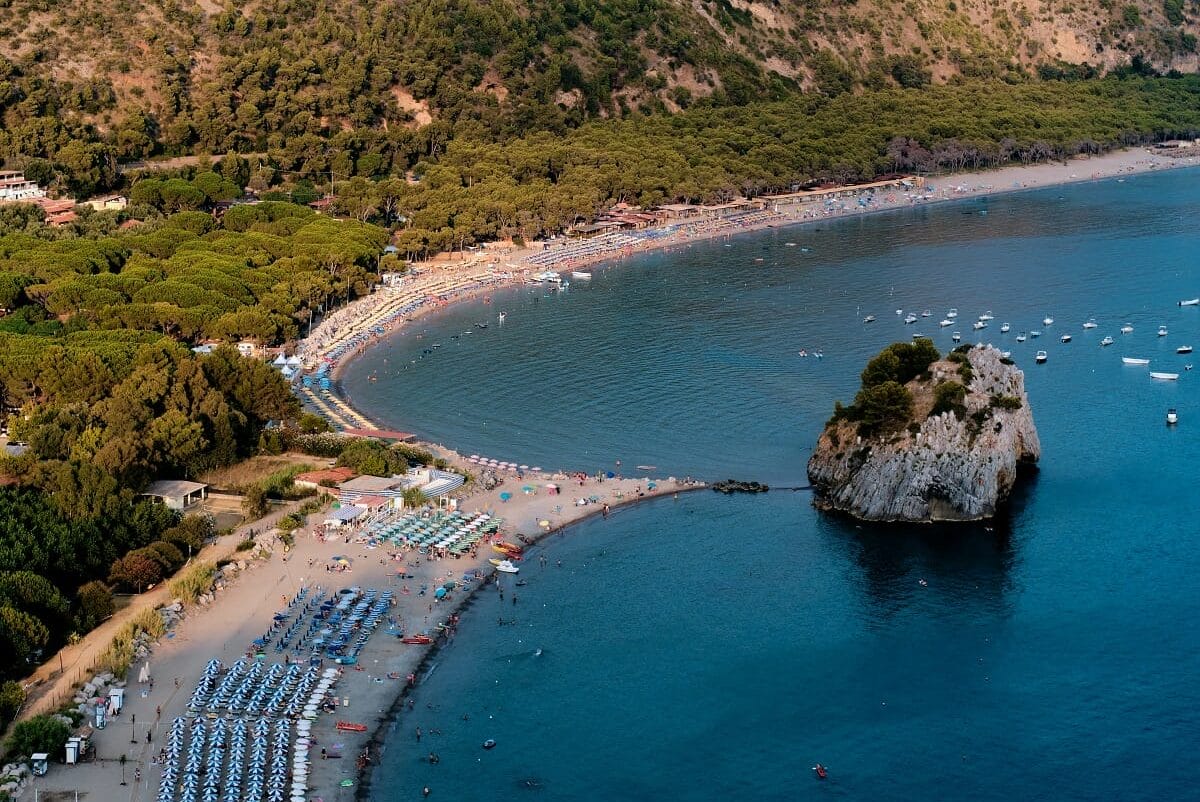
The Cilento coast features stunning places such as Castellabate. Photo credit: Gianpaolo Antonucci
The Cilento Coast
A Brief History
Cilento’s history spans thousands of years, and it has witnessed the rise and fall of various civilizations, including the Romans, Byzantines, Normans, and the Kingdom of Naples. Each of these cultures left a lasting imprint on the region, from monumental ruins to fortified hill towns and centuries-old churches.
The region’s historical legacy is evident in its UNESCO archaeological sites and medieval hill towns. These include the ancient Greek city of Paestum, famous for its remarkably preserved Doric temples, and Velia (Elea), a center of philosophy and early Western thought. The region’s medieval hill towns, like Castellabate and Vallo della Lucania, showcase winding streets, stone fortifications, and historic squares that bring centuries of history to life.
Exploring the Cilento coast is like walking through a living history book: from ancient temples and Roman remnants to medieval towers and coastal castles.
What Does Cilento Have to Offer?
Cilento offers a perfect blend of natural beauty, history, and culture, making it an idyllic destination for travelers seeking an authentic Italian experience. This coastal area boasts stunning beaches along the Tyrrhenian Sea, where crystal-clear waters meet rugged cliffs and secluded coves.
- The Cilento and Vallo di Diano National Park, a UNESCO World Heritage Site, is a nature lover’s paradise with its diverse landscapes of mountains, forests, and olive groves. The park is home to unique flora and fauna, as well as ancient Greek ruins like the Temples of Paestum, offering visitors a chance to explore both the region’s natural beauty and its historical treasures.
- Beyond its scenic charm, the Cilento coast is rich in cultural heritage and traditional Italian lifestyle. The towns and villages, such as Castellabate and Agropoli, offer a glimpse into local life with their medieval architecture, quaint piazzas, and lively markets.
- The Cilento coast is also known for its gastronomy, rooted in the Mediterranean diet, which originated in this region. Visitors can enjoy local specialties like buffalo mozzarella, fresh seafood, and olive oil, paired with excellent wines from nearby vineyards.
Whether you’re interested in hiking, relaxing on serene beaches, or exploring historical sites, Cilento offers a peaceful and diverse Italian experience away from the more tourist-heavy areas. In addition, it is worth noting that Cilento has almost no nightlife compared to the Amalfi Coast. (It’s a very family-friendly region, but if you’re looking for nightlife, stick to the Amalfi Coast or Naples.)
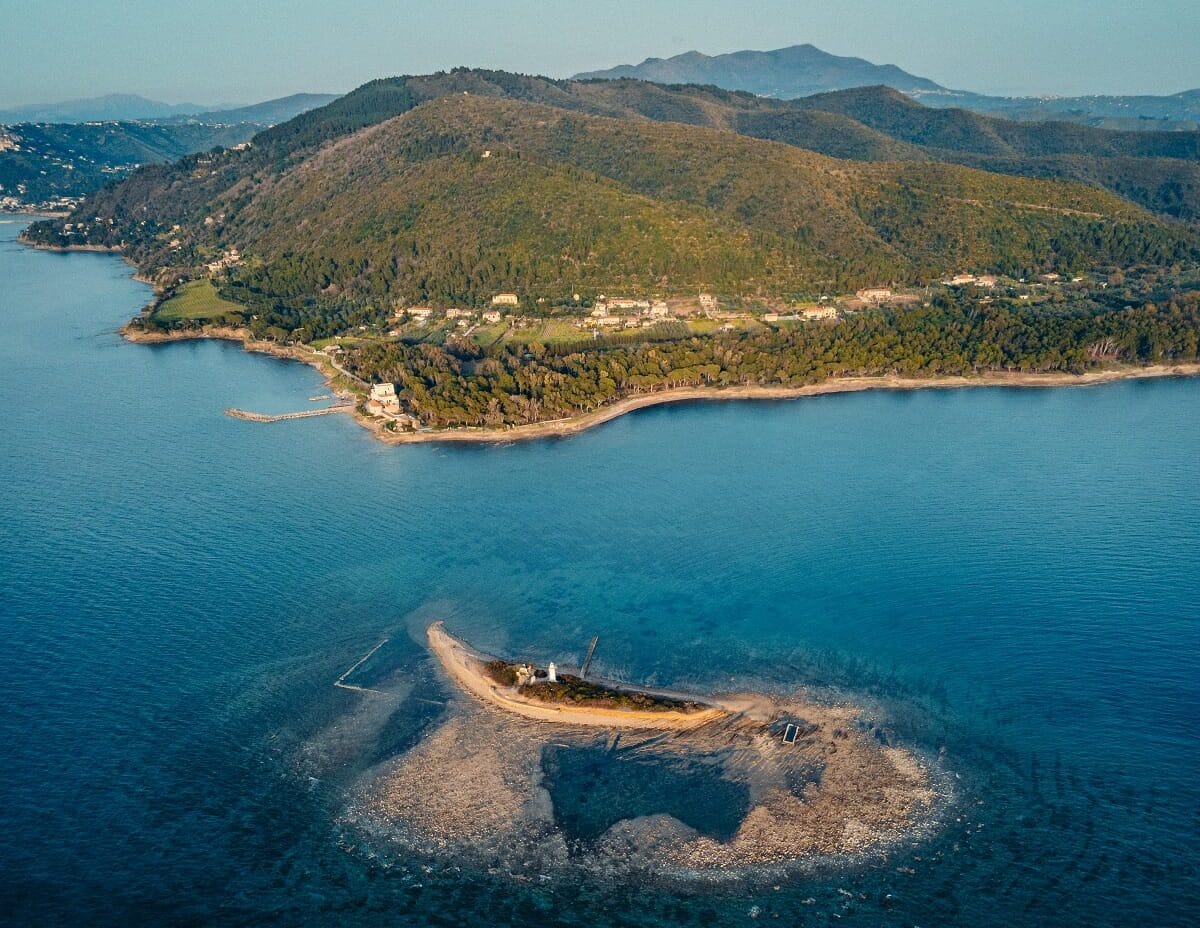
The Cilento coast is home to some beautiful sites – and isn’t as busy as the Amalfi Coast. Photo credit: Mario Esposito
How To Get Around
To reach the coastal towns of Cilento, you can take the train from the central station of Naples to Agropoli, Paestum, Ascea, or Pisciotta. Once there, local buses can take you to inland areas or beautiful coastal towns.
However, take note that the infrastructure for transportation is not extensive and this area has less developed tourist amenities. So, we would suggest it’s a better option for the more adventurous travelers to rent a car or motorcycle. Renting a car directly at the Naples airport is a good option if you plan to spend time exploring the region. It’s also an amazing region to explore by motorcycle.
Top Activities Along the Cilento Coast
Archeological Sites
Cilento is home to several UNESCO world heritage sites, and two archeological parks:
- The archeological site of Paestum boasts some of the largest and best-preserved ancient Greek temples in the world, dating back to the 6th and 5th centuries BC. We highly recommend a visit.
- Velia is an ancient city founded in the 6th century BC that has remains of various civilizations, including the Greeks, Romans, and Byzantines. It’s less impressive visually than Paestum, but is great for history buffs and families.
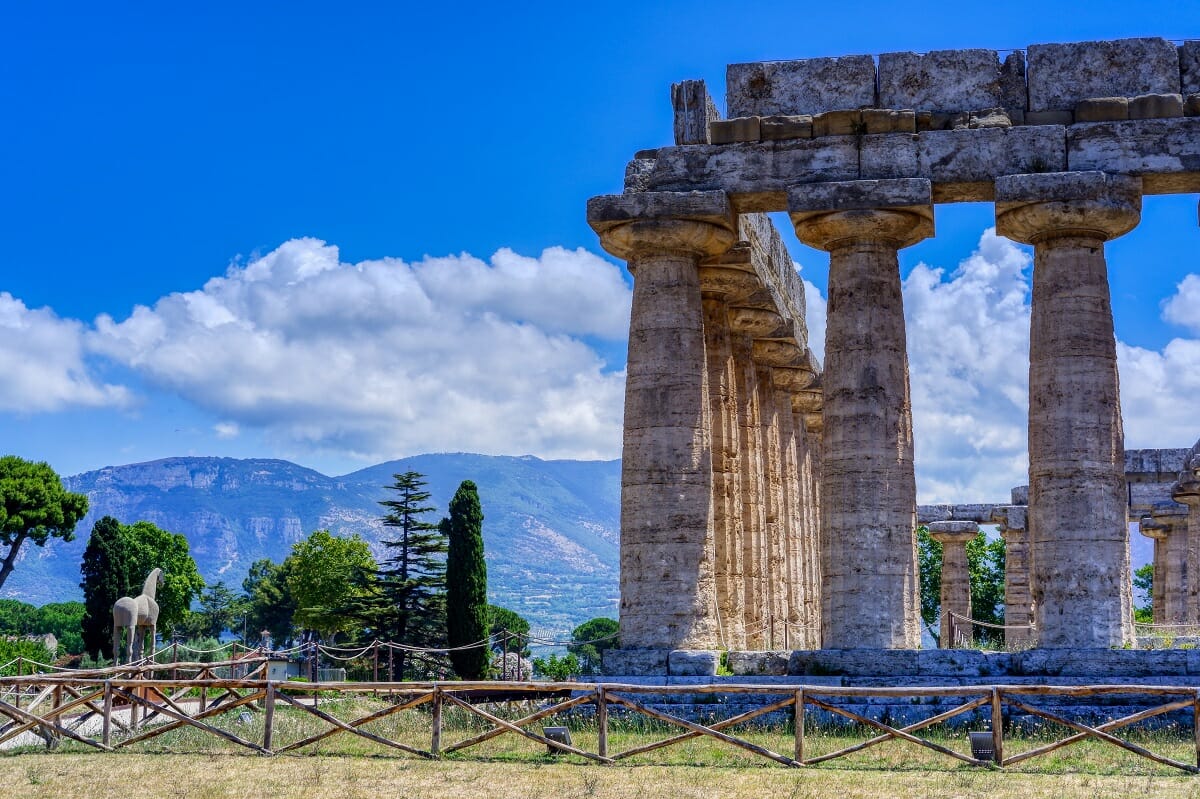
Paestum’s Temple of Hera II is one of the best-preserved ancient Greek temples in Italy. Photo credit: Antonio Sessa
Beaches & Coastal Scenery
Charming towns dot the entire coastline of Cilento. You really can’t go wrong: all of the beaches have lovely scenery with rolling hills and clean blue water. Three of the best beach spots are:
- Agropoli, known for its ancient fortress and a delightful historic center, has lots of beautiful sand beaches to enjoy. It’s on a train line for easy transportation access from Naples.
- Marina di Ascea has one of the longest sand beaches with free public areas, beach clubs, and a long wooden boardwalk. Romantic sunset walks, anyone?
- Further down the coast lies Palinuro, with crystal clear waters, a blue grotto (Grotta Azzurra—yes, just like the more famous one on Capri), and a massive natural stone arch to admire.

Palinuro’s Grotta Azzurra is quite similar to the one in Capri. Photo credit: Mboesch
Mountain Towns
Cilento is home to many picturesque hill towns. Castellabate, a medieval village perched atop a hill, is absolutely worth a visit. You can stroll through its narrow streets and visit the 12th-century castle. Castellabate is well known in Italy because it was the set of the famous comedy movie Benvenuti al Sud, about the differences between Northern and Southern Italy.
Another town worth visiting is Trentinara, which offers panoramic views of the surrounding countryside. It’s also home to Cilento in Volo, an exhilarating zipline that allows visitors to soar from mountain to mountain. The flight provides thrill seekers great aerial views.
Hiking Trails
The Cilento coast is rugged and is a paradise for nature lovers and hikers as well. The Sentiero degli Innamorati in Marina di Ascea is a hiking trail that follows the coastline and gives you lovely views of the sea. It’s only about two hours round trip, so it’s accessible for moderate hikers and those looking for a morning or afternoon activity.
The more advanced Sentiero del Cervati takes you through a rugged mountain landscape and is a great option for hiking enthusiasts. We recommend splitting the hike and staying at the mountain hut Rifugio Cerviati.
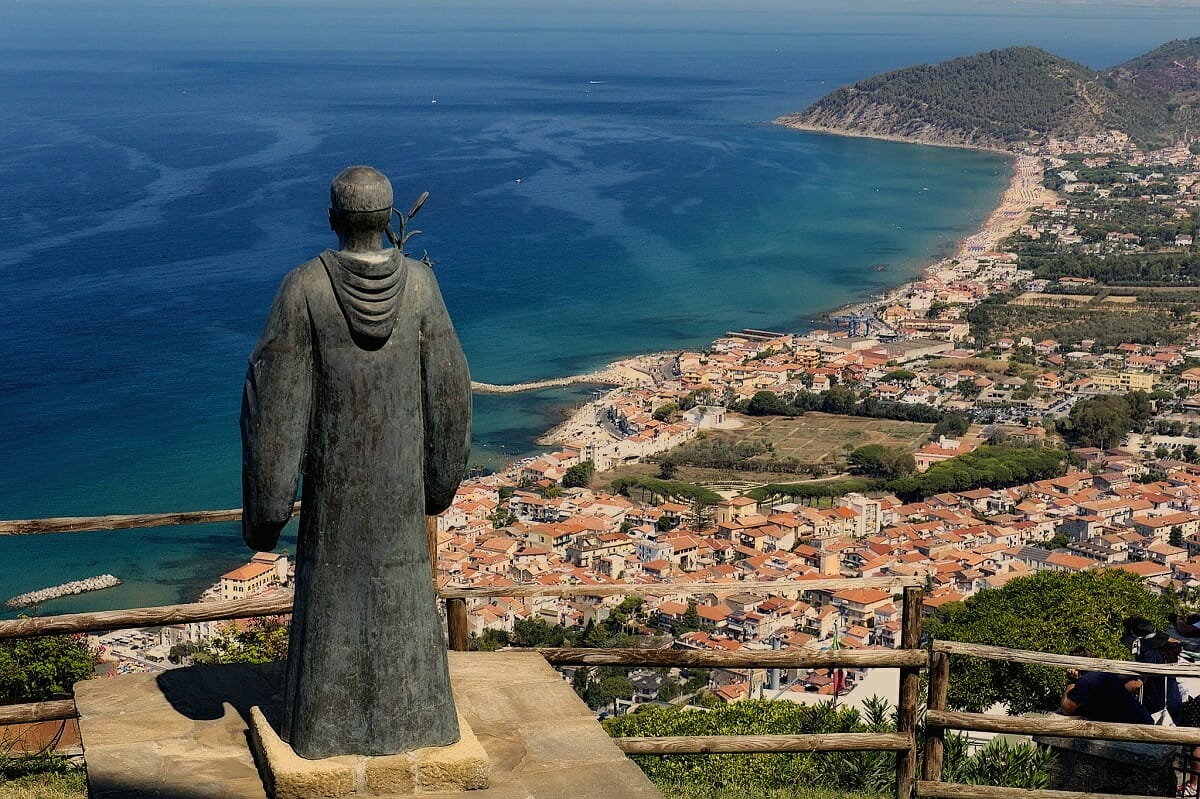
Charming Castellabate is one of our top picks for hiking in Cilento Italy. Photo credit: Enrico Pighetti
Exploring the Traditions in Cilento, Italy
Farm Stays (Agriturismo)
Cilento is famous among Neapolitans for its rich culinary culture, especially agriturismi (farmstays). An agriturismo is a type of bed and breakfast connected to one or more local farms. They are often in charming rustic cottages or rural homes. Visitors can choose to stay there overnight, or just eat lunch or dinner there. Staying at an agriturismo allows guests to immerse themselves in the countryside life and savor traditional Cilentan cuisine made with the absolute freshest ingredients.
Food Festivals (Sagre)
Cilento hosts a variety of sagre (food festivals) throughout the year, each centered around one specific seasonal type of food. They usually start in the early evening and have food stands, lively music, and dancing. When traveling to Cilento, be sure to look up any sagre of the season.
A popular festival is the Festa del Fico Bianco, dedicated to the delicious white figs of the region. Another popular event is Sagra della Castagna, a chestnut festival in various towns that showcases the versatility of local chestnuts. The Sagra della Mozzarella is, well, a mozzarella festival. The region (especially near Paestum) is a renowned producer of buffalo mozzarella.
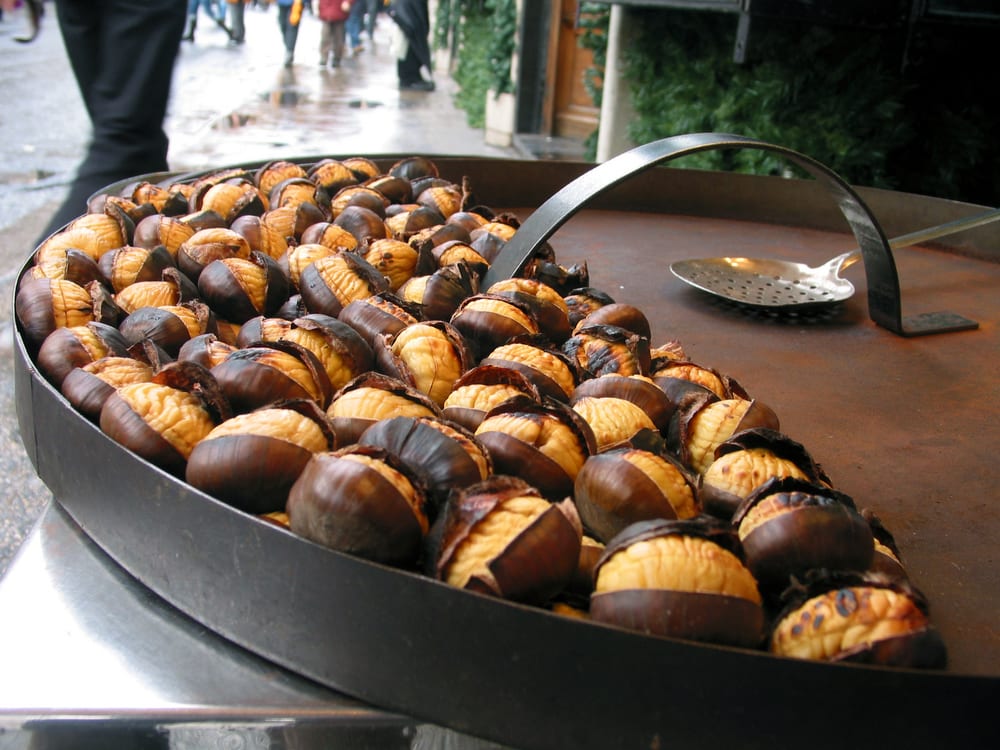
Don’t miss out on Cilento’s Sagra della Castagna, which is celebrated in the autumn.
Traditional Dishes to Try in Cilento
Fusillo di felitto
Cilento is home to plenty of dishes that showcase the region’s culinary prowess. Among these specialties, fusillo di felitto stands out, a handmade pasta twisted around a knitting needle-like rod and served with tomato sauce and pecorino cheese.
Cavatelli con ragù cilentano
Cavatelli con ragù cilentano is another amazing pasta dish. Cavatelli is a type of fresh pasta that resembles the better known orecchiette. The ragu of this region is made by slowly simmering several different cuts of pork meat in a flavorful tomato sauce.
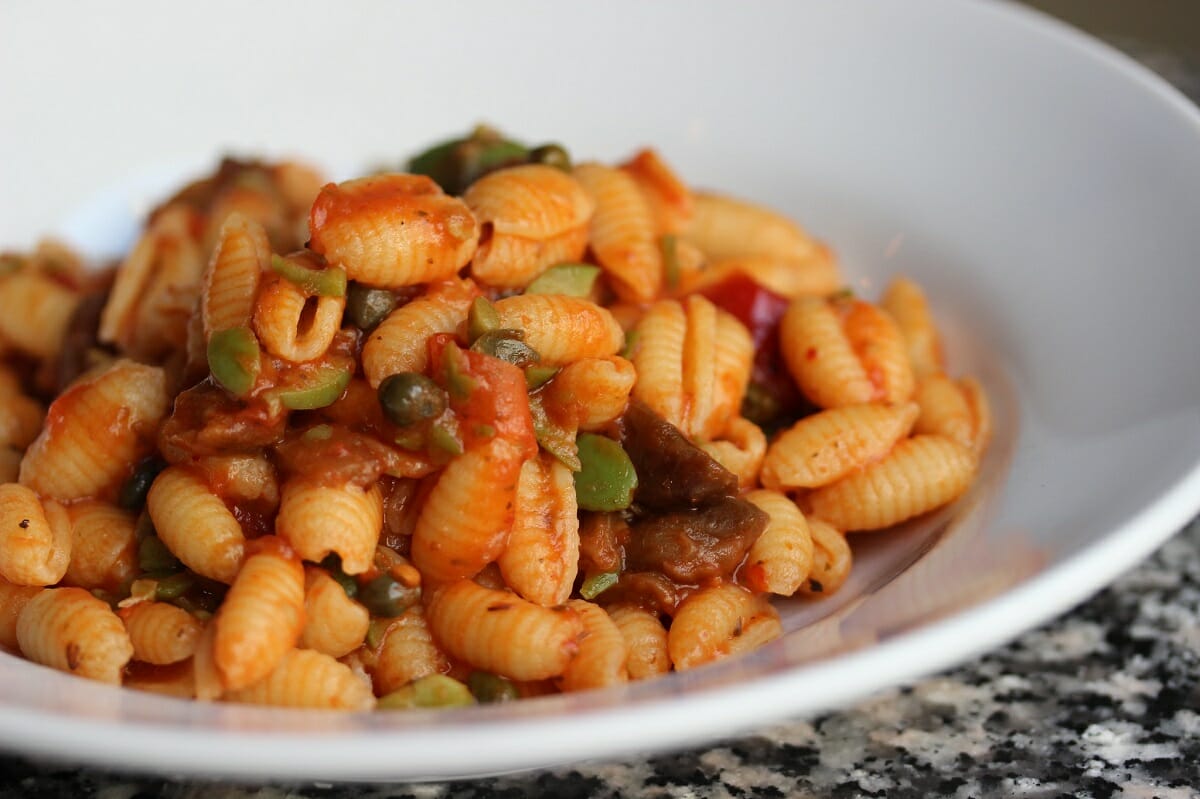
Cavatelli is a can’t-miss dish when exploring Cilento. Photo credit: Jameson Fink
Ciambotta
For vegetarian travelers, ciambotta is an amazing option. It’s a comforting vegetable stew usually made with potatoes, bell peppers, and eggplant (plus whatever else is in season) cooked in fragrant olive oil.
Soppressata di Gioi
The hard-to-find soppressata di Gioi is a traditional salami made from pigs raised in the region. It’s usually produced in the winter months in and around the miniscule hill town of Gioi. No worries if you visit in other seasons, though, trying a cheese and cured meat plate (tagliere) of local delicacies is always a good idea in Cilento.
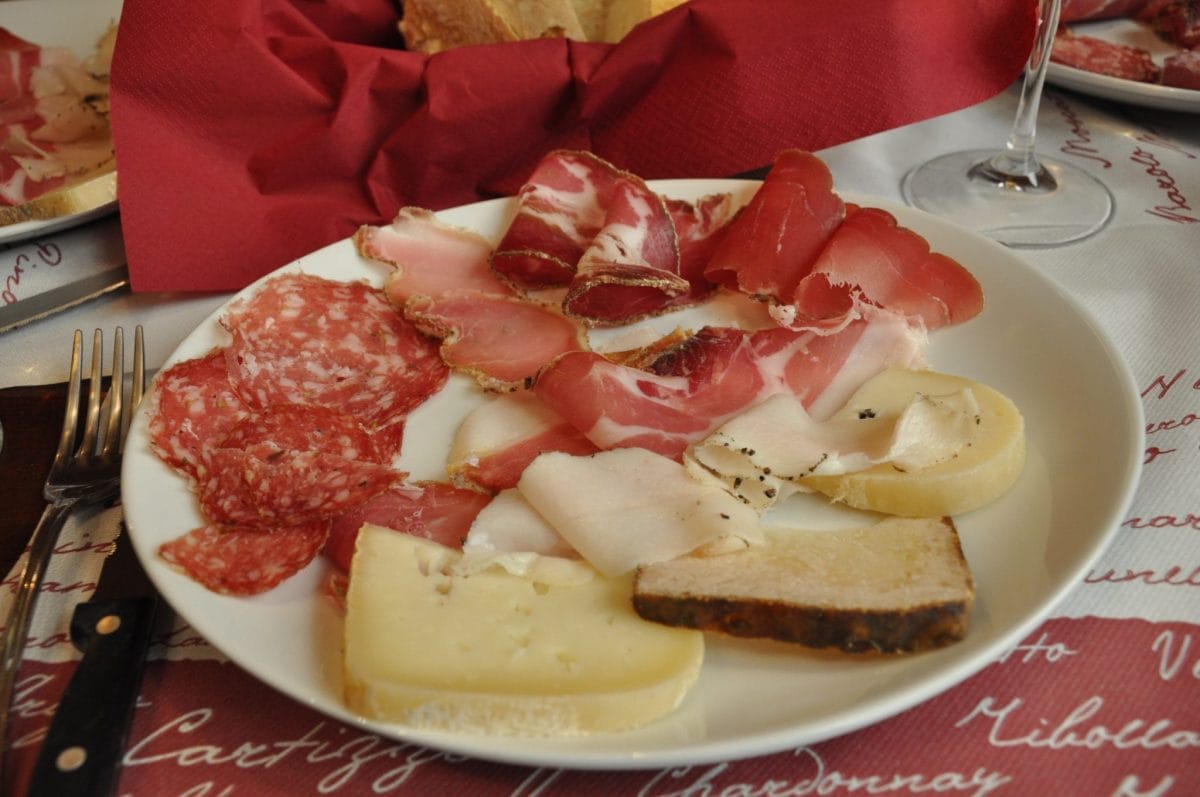
Order a taster plate of cured meats and cheeses to try a selection of local delicacies
FAQs – Visiting the Cilento Coast
What is the best time of year to visit Cilento?
For beach activities and swimming, June to September offers the warmest weather. Spring and early autumn are ideal for hiking, sightseeing, and enjoying local food festivals without large crowds. Keep in mind that some agriturismi and small family-run restaurants may close in winter, so plan accordingly.
Where are the best places to buy authentic local products?
For cheese, cured meats, and olive oil, head to local markets, such as the Paestum market, or small family-run shops in hill towns like Castellabate or Gioi. Agriturismi often sell their own products directly, providing both a tasting opportunity and a chance to take home truly fresh, regional items. Some specialty food shops also ship internationally if you want to order ahead.
How can I find out about local sagre (food festivals) near the Cilento Coast?
Sagre are usually held seasonally in towns across Cilento, celebrating local specialties like mozzarella, chestnuts, figs, or pasta. The best way to discover them is to check the town websites or social media pages, ask at your agriturismo or hotel, or visit local tourist offices once you arrive. Many festivals are informal, so word-of-mouth from locals is also a great way to catch the most authentic events.
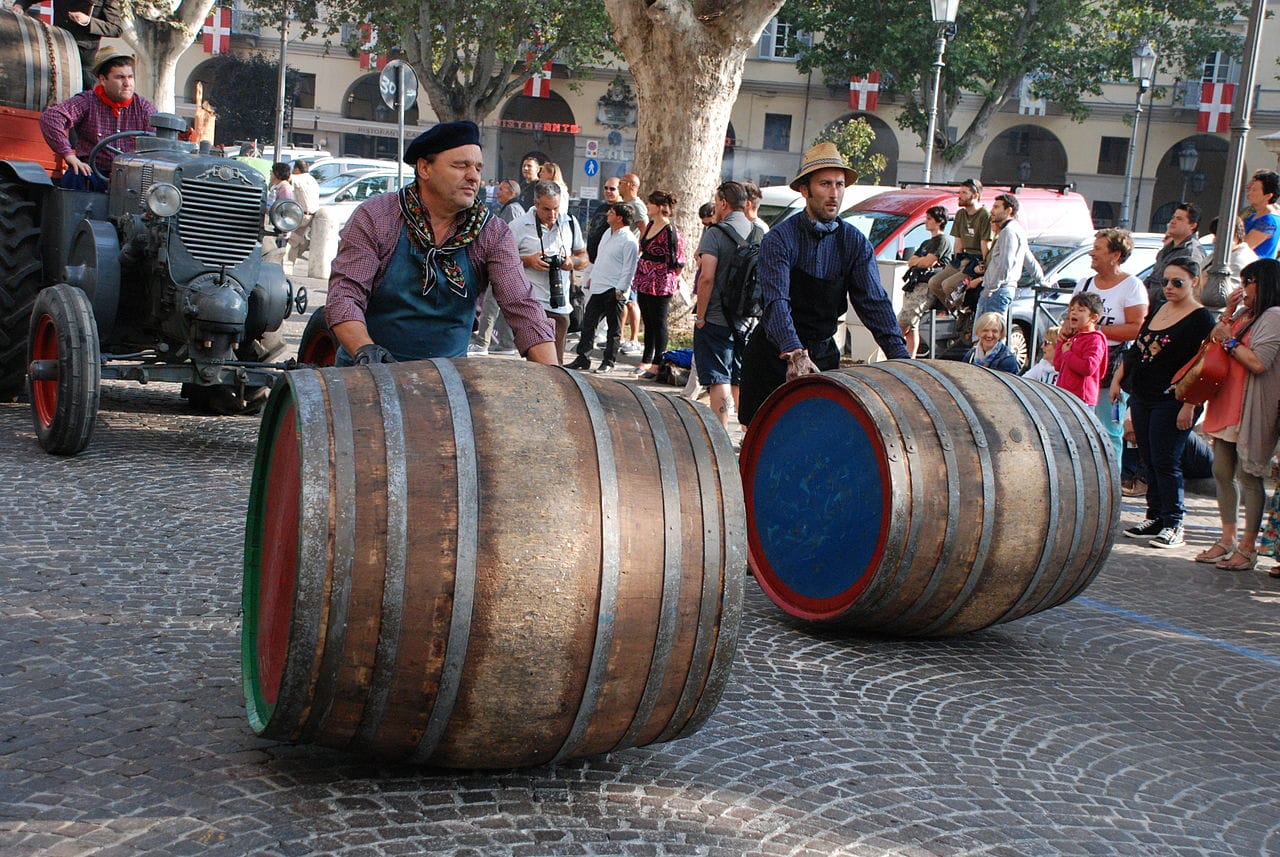
Rolling wine barrels through the streets in the Sagre parade, at one of Italy’s local festivals.
Ready to turn your trip to Italy into an unforgettable experience?
Discover the full range of expertly led experiences at Walks Of Italy, where passionate local guides bring history, stories, and iconic sights to life. From world-famous landmarks and museums to immersive food and cultural experiences, these small-group guided tours offer deeper insight, seamless access, and unforgettable moments you’d miss on your own.
Explore Italy with experts who know it best, and see the country through local eyes.

Book a Tour

Pristine Sistine - The Chapel at its Best
€89

1794 reviews

Premium Colosseum Tour with Roman Forum Palatine Hill
€56
850 reviews
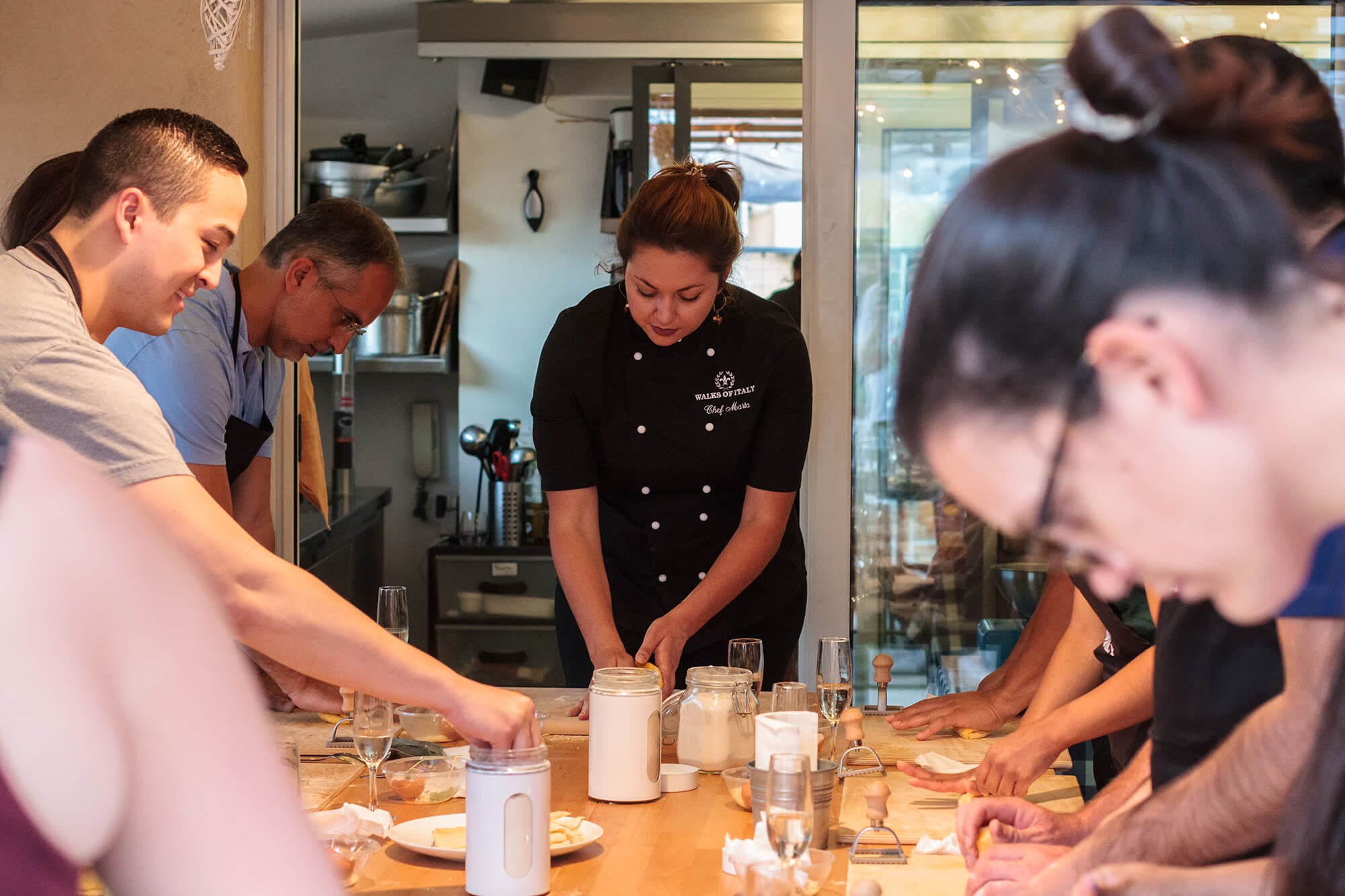
Pasta-Making Class: Cook, Dine Drink Wine with a Local Chef
€64
121 reviews

Crypts, Bones Catacombs: Underground Tour of Rome
€69
401 reviews

VIP Doge's Palace Secret Passages Tour
€79
18 reviews

Legendary Venice: St. Mark's Basilica, Terrace Doge's Palace
€69
286 reviews
Follow us
Stay up to date with travel tips, local insights and all things Italy on our social channels!


Subscribe to our Newsletter
Get curated Italy travel tips delivered to your inbox!

