
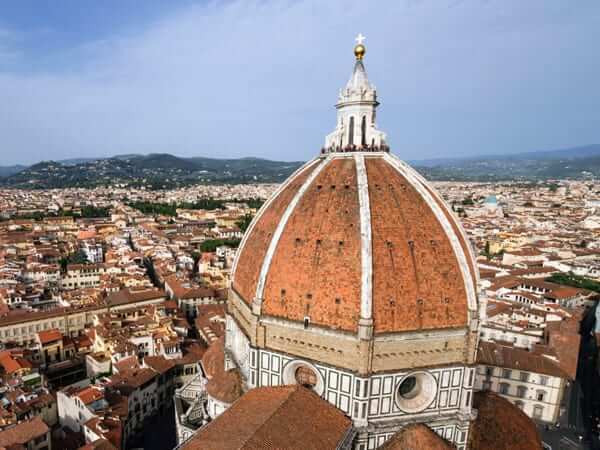
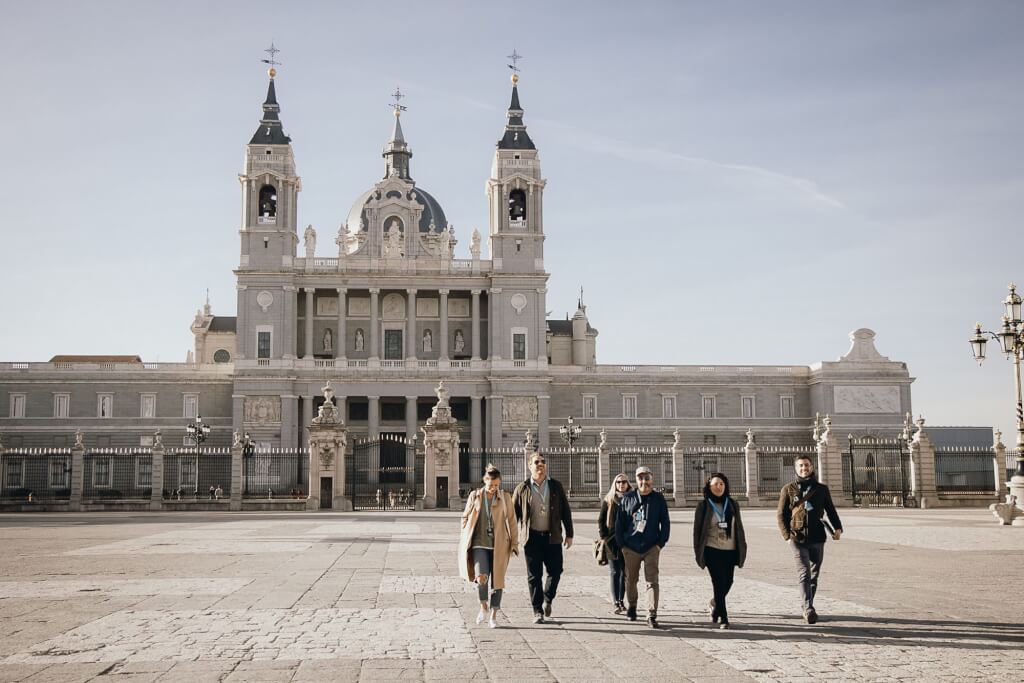

The Florence Cathedral is among the city’s most iconic landmarks, but did you know that some of its most important original treasures are no longer inside the building? The medieval façade of the Cattedrale di Santa Maria del Fiore, designed by its first major architect, Arnolfo di Cambio, was dismantled centuries ago, and many of the cathedral’s original sculptures and decorative works are now preserved in the Museo dell’Opera del Duomo. This fascinating Florence museum offers a chance to see these masterpieces up close and discover the stories behind the cathedral’s construction, decoration and history.

Florence Cathedral is steeped in history, and the Museo dell’Opera del Duomo is one Florence museum you must visit
The Museo dell’Opera del Duomo (Museum of the Works of the Cathedral) is one of Florence’s most fascinating museums, offering a behind-the-scenes look at the creation of the city’s magnificent cathedral complex. Also known as the grande museo del duomo, it is located just behind the Duomo. It houses an extraordinary collection of original sculptures, artworks and architectural treasures, including masterpieces by Michelangelo, Donatello and Ghiberti that once adorned the cathedral’s monuments.
History of the Museo dell’Opera del Duomo
Di Cambio´s Façade
Di Cambio was a titan of the late medieval period. Although not as famous as Filippo Brunelleschi, who designed and built the Cathedral’s immense dome, Di Cambio was responsible for much of the building’s original architectural vision.
When he died in 1302, the Cathedral and his magnificent façade, featuring works by artists such as Donatello and Nanni di Banco, were still unfinished. Nearly 300 years later, the façade was dismantled and replaced, with its sculptures and decorative elements packed away in storage and largely forgotten.
Today, the Museo dell’Opera del Duomo has brought this lost masterpiece back to life. In a remarkable feat of historical detective work, the museum’s curators and artisans pieced together the surviving artefacts and studied a 16th-century drawing by Bernardo Poccetti to reconstruct the original façade. The result is a scale model made from resin and marble dust, surrounded by many of the original sculptures that once adorned it.
Ghibertí´s Gates of Paradise
To complete the picture, Lorenzo Ghiberti’s original Gates of Paradise from the Baptistery have also been displayed in their historical position relative to the reconstructed façade. This gives visitors a glimpse of how these two great monuments were originally intended to complement one another.

Without Bernarod Pocetti’s 16th-century drawing of the original facade (above), Di Cambio’s ideal would have been lost forever. Photo courtesy of Wikimedia Commons.
Amassing Artefacts at Museo dell’Opera del Duomo
The Museo dell’Opera del Duomo has been responsible for the construction, maintenance and restoration of the Cathedral complex for more than 700 years. Over that time, it has amassed an extraordinary collection of medieval and Renaissance masterpieces, including Michelangelo’s Florentine Pietà and the original Baptistery doors.
As the collection grew, this Florence museum faced a rather unusual problem: where to put it all. The challenge, as museum director Monsignor Timothy Verdon explained, was finding space to display more than 100 fragments of the Cathedral’s lost medieval façade, including 40 statues and around 60 architectural pieces.
An unlikely solution – a parking garage!
The solution? An old parking garage! By taking over the space, the museum more than doubled its exhibition area, creating something quite different from a traditional art gallery. Today, visitors can wander through an immersive recreation of the Cathedral’s artistic past, with sculptures and architectural fragments arranged to show how they once fitted together. It’s almost like stepping inside a lost version of the Duomo, and seeing Florence’s history from an entirely different perspective.

The Florence Historic Centre has been designated as a UNESCO World Heritage Site since 1982.
Things to see in the Museo dell’Opera del Duomo
Despite its extraordinary collection, the Museo dell’Opera del Duomo, is often overlooked by visitors following the usual Florence museum trail between the Duomo, the Accademia and the Uffizi Gallery paintings. But with so many original masterpieces and fascinating stories under one roof, it’s well worth adding to your itinerary.
Here’s what to look out for and how to make the most of your visit to this Florence museum.
The Baptistery Doors
Don’t miss Lorenzo Ghiberti’s two magnificent sets of bronze doors, both now displayed inside the museum.
The more famous of the two is the Gates of Paradise, originally created for the Baptistery’s east entrance, facing the Cathedral. Michelangelo is traditionally credited with giving them their name, and it’s a replica of these spectacular gilded doors that attracts crowds in Piazza del Duomo. The museum displays the originals, allowing you to appreciate their intricate biblical scenes up close. The doors visible on the Baptistery outside are replicas.
And, don’t overlook Ghiberti’s earlier masterpiece, the North Doors. Their story is particularly interesting because Ghiberti won the 1401 competition to create them, beating a rival named Filippo Brunelleschi. The loss was a significant moment in history, because Brunelleschi subsequently turned his attention to architecture and went on to design Florence’s iconic Cathedral dome.
Donatello’s Penitent Magdalen (Maddalena Penitente)
Created around 1455, this remarkably raw and realistic work was unlike anything audiences had seen before. This unusual wood sculpture was far from the usual Renaissance ideal of beauty.
The piece by Donatello depicts Mary Magdalene after years of fasting and prayer in the desert. Her wooden form is gaunt, weathered and almost skeletal. If you have ever wondered what thirty years of penitence in the desert will do to your skin, Donatello’s work is the perfect study.
Michelangelo’s Other Pieta
Visitors to St Peter’s Basilica will know Michelangelo’s famous Pietà, depicting the Virgin Mary cradling the body of Christ. But there’s another, rather more troubled version in Florence.
In around 1547, as an old man Michelangelo, began work on another Pietá – the Florentine Pietà (also known as the Bandini Pietà) – intended for his own tomb. The elderly figure supporting Christ is even thought to be a self-portrait of the artist.
However, it is said that things didn’t go according to plan. Frustrated by imperfections in the marble, Michelangelo abandoned the unfinished sculpture and damaged parts of it in 1555. His pupil Tiberio Calcagni later repaired the work and completed the figure of Mary Magdalene. Today, its broken limbs, unfinished surfaces and haunting composition offer a fascinating glimpse into the struggles and working methods of the Renaissance’s greatest artists.
Insider tip: Want to see more of Michelangelo’s masterpieces? Take a look at our guide to Michelangelo’s works of art to discover where to find his most celebrated sculptures, paintings and architectural achievements across Italy.
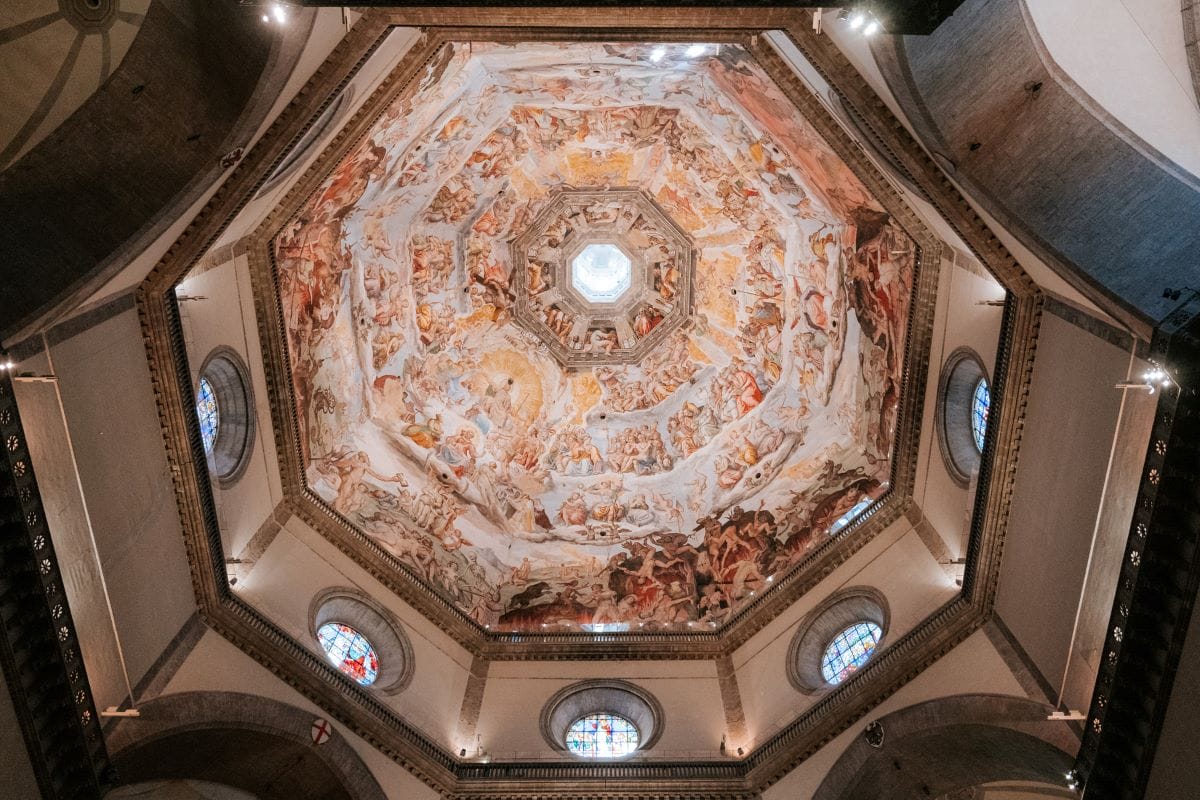
The interior of Florence’s Duomo can be seen while on a walking tour of the Duomo.
The Gallery of Brunelleschi’s Dome
How did Brunelleschi manage to build the enormous dome of Florence Cathedral without traditional supporting scaffolding?
The museum’s dedicated gallery brings this extraordinary engineering achievement to life with models, drawings and even some of the original tools used during construction. It’s an engaging way to discover the ingenuity behind one of the Renaissance’s greatest architectural feats, and particularly fun for children.
And there’s a lovely surprise at the end: follow the museum route to its panoramic terrace for a spectacular close-up view of Brunelleschi’s famous dome and surrounding cityscape.
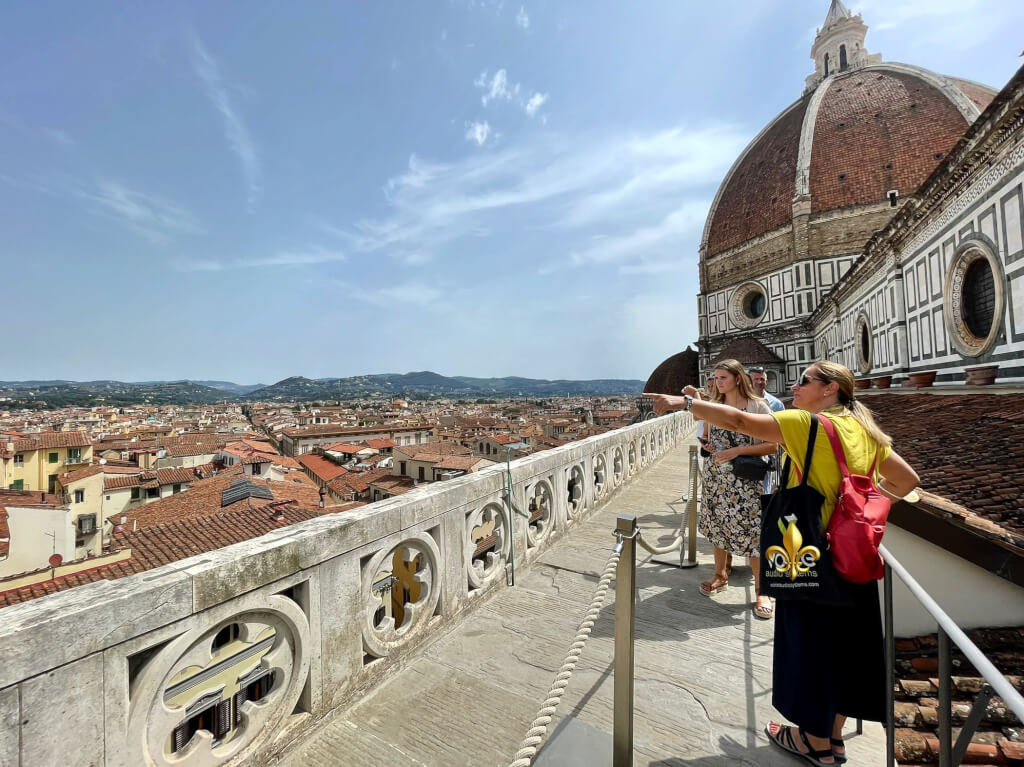
No trip is complete without seeing the Florence Duomo.
Insider tip: For other ideas on what to see in and around Florence don’t miss our blogs about what to do in Florence on a Monday, and the best day trips from Florence.
FAQs – The Museo dell’Opera del Duomo
Do you need to book tickets in advance for this Florence museum?
The Duomo Museum Florence opens seven days a week from 10.15am to 5.00pm and booking is mandatory. Reserve your tickets online through the official Duomo Museum website to secure your preferred entry time, particularly during the busy summer months and holiday periods.
How long should you allow to visit?
Allow around 1 to 2 hours to explore the museum’s collection at a comfortable pace. If you also plan to visit the Cathedral, Brunelleschi’s Dome, Giotto’s Bell Tower or the Baptistery, set aside additional time for each monument.
Can you visit this Florence museum on a combined ticket?
Yes. The Museo dell’Opera del Duomo is included in the combined ticket passes covering Florence’s Duomo complex. Different passes offer different levels of access, so check which monuments are included before booking. Remember that individual monuments have separate entry times and access arrangements, which may change due to special events.
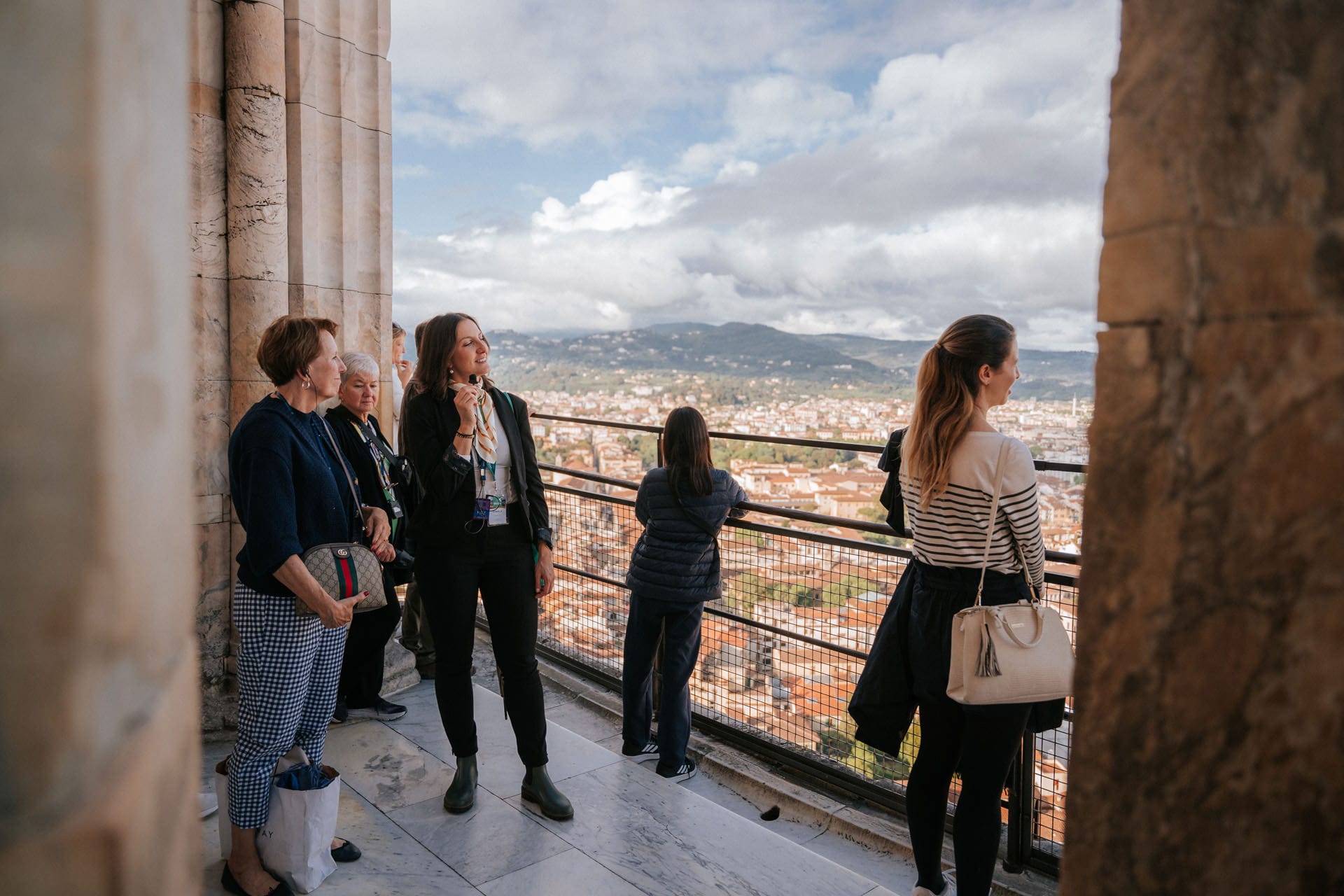
The breathtaking view of Florence’s terracotta rooftops and surrounding hills from the dome’s summit.
Don’t just see Florence, experience it with a local expert who brings its extraordinary history, art and architecture to life.
Join our Florence walking tour with skip-the-line access to David and the Duomo to get up close to two of the city’s greatest treasures while making the most of your time.
Looking for more ways to experience the city? Browse our full range of walking tours around Florence and let us show you what makes this corner of Italy so unforgettable!
Show Comments
2 responses to “Why You Need To Visit Florence’s Museum – Museo dell’Opera del Duomo”
Book a Tour

Pristine Sistine - The Chapel at its Best
€89

1794 reviews

Premium Colosseum Tour with Roman Forum Palatine Hill
€56
850 reviews

Pasta-Making Class: Cook, Dine Drink Wine with a Local Chef
€64
121 reviews

Crypts, Bones Catacombs: Underground Tour of Rome
€69
401 reviews

VIP Doge's Palace Secret Passages Tour
€79
18 reviews

Legendary Venice: St. Mark's Basilica, Terrace Doge's Palace
€69
286 reviews
Follow us
Stay up to date with travel tips, local insights and all things Italy on our social channels!


Subscribe to our Newsletter
Get curated Italy travel tips delivered to your inbox!

Hi guys, i wanted to ask if anybody has haver used Tourizan.com to rent a house in Tuscany? It seems cool.. You can book also restaurants and tours and other stuff.. Please write me if someone used it..
We visited and it was fabulous. Don’t miss this Florentine treasure.