

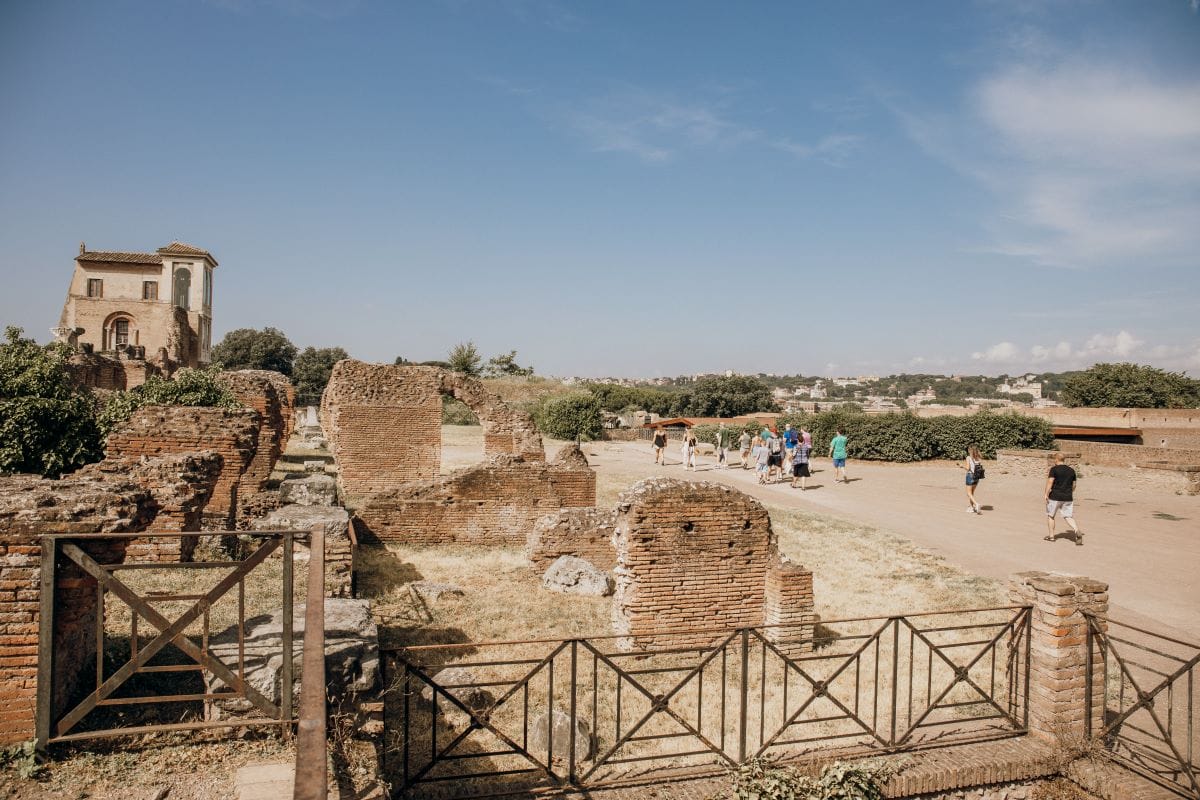
Super sites of Rome – Top Things to Do in Rome
July 8, 2026
The sight of a velvet rope and a closed door of VIP ONLY areas beckons us to go beyond. The same is true for Rome’s ancient sites, both then and now. Two millennia ago, there were places where mere plebeians were forbidden to go. Caesar’s Palace, for example, has been off limits to the general public for decades. But today, these places, called “SUPER Sites of Rome” are open to visitors, though still not as easily accessible as some of the more common tourist spots.
The “Super” in “SUPER Sites” stands for Seven Unique Places to Experience in Rome.
And these places truly are SUPER – giving visitors a rare chance to experience the past in a way that’s often not available to the general public.
One of the best ways to visit these sites is through a VIP Ancient Rome Tour. This special tour not only gives you access to the Colosseum, the Roman Forum, and Palatine Hill but it opens the door to places like Caesar’s original palace, rarely accessible to anyone outside of a guided tour.
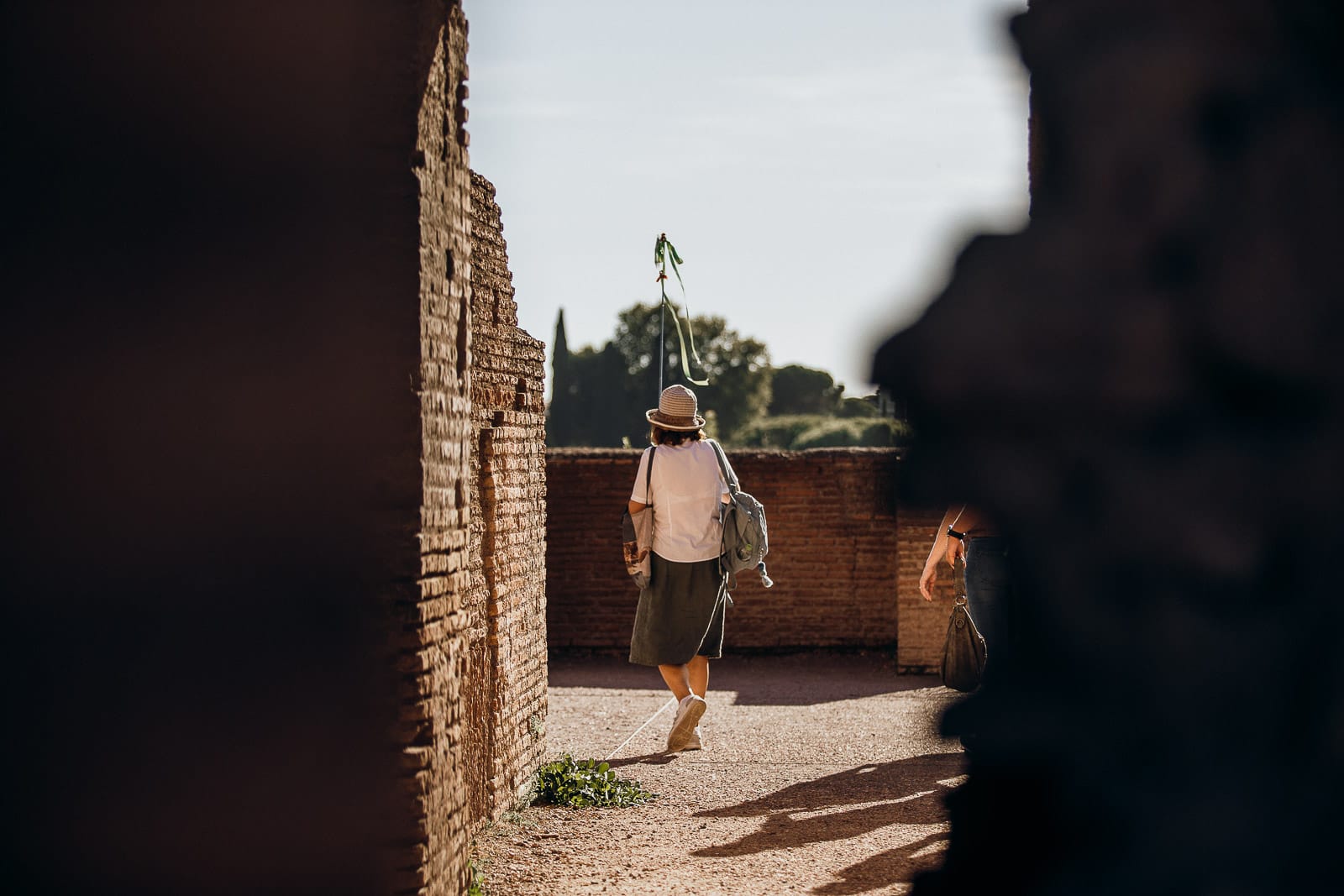
Walk through quiet corridors of legendary Roman ruins while on a SUPER sites of Rome.
For your next Roman adventure, read on to discover more about these essential Seven Super Sites of Rome that should definitely be on your list of places to see.
What are the SUPER Sites of Rome?
From imperial palaces to hidden Christian sanctuaries, Rome’s past comes alive in seven extraordinary sites, known as the SUPER sites of Rome.
The House of Augustus and the House of Livia offer an intimate glimpse into the private world of Rome’s first imperial family, while the Temple of Romulus and the Oratory of the Forty Martyrs reveal layers of pagan and early Christian history.
Step inside the beautifully preserved Santa Maria Antiqua, once a vibrant crossroads of faith and art, then walk the Ramp of Domitian, where emperors once ascended the Palatine.
The Palatine Museum brings these stories together, and the mysterious Neronian Cryptoporticus, an underground passage steeped in intrigue, provides a haunting finale to this unforgettable journey through ancient Rome.
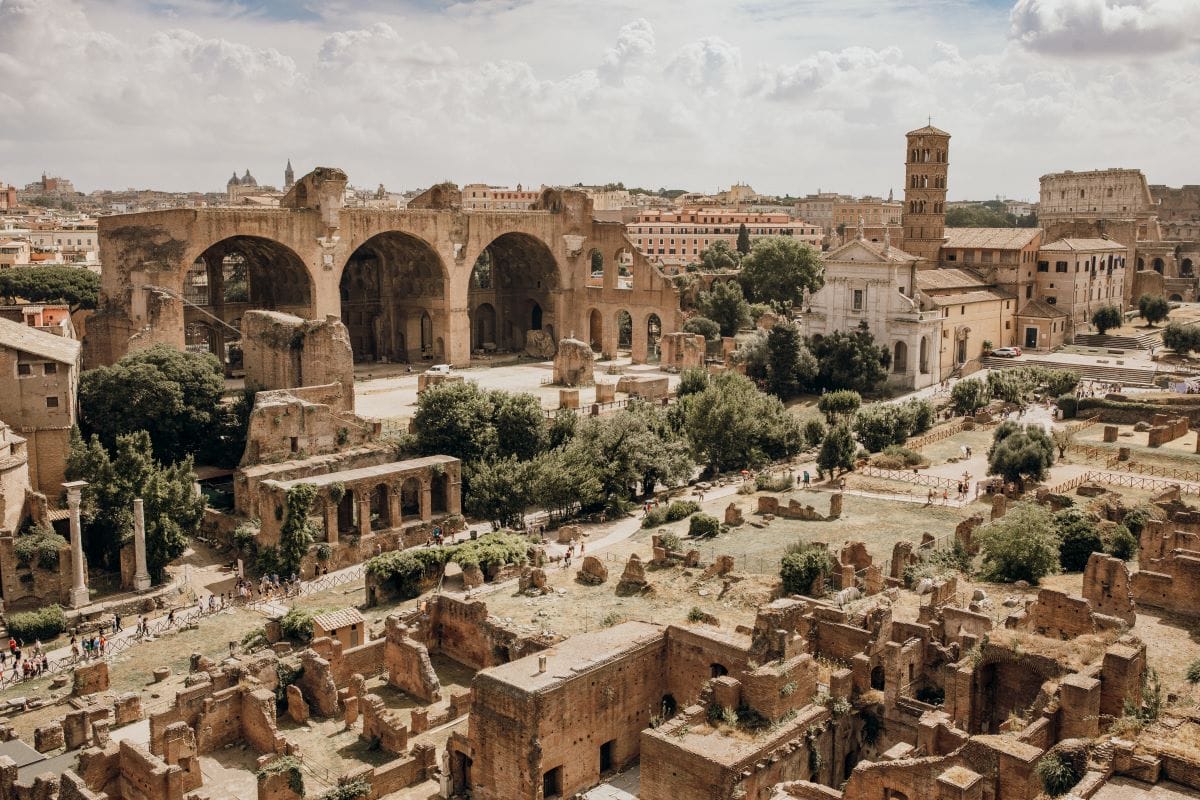
Discover the Super Sites of the Roman Forum as few have ever seen it before.
The House of Augustus
Known as Domus Augusti in the parlance of ancient Rome, the House of Augustus is located on Palatine Hill.
- FUN FACT: The name of this hill – Palantine – is where we get the English word for “palace.”
The House of Augustus was, in fact, the home of Rome’s first emperor, Emperor Augustus. He was the grand-nephew of Julius Caesar, who battled Mark Anthony to see who would rule Rome. Augustus won and immediately established himself, as new emperor or Caesar, atop Palatine Hill.
This move was an important symbol of a historical transition in the history of Rome, Palatine Hill went from a mere residential area to the center of power in Rome. It became the place where the Roman elite lived in their plus-sized mansions, and the heart of political and symbolic power in ancient Rome.
The house sits next to the Hut of Romulus, supposedly the modest residence of one of Rome’s founders. This is also symbolically important as it puts Augustus in the sphere of greatness, next to a co-founder of one of the greatest cities in the history of humanity.
The House of Augustus blends modest scale with elegant design, a symbolic representation of Augustus’s political message regarding restored Roman virtues and stability. Visitors can see original frescoes and mosaics that offer rare insight into elite domestic life in the late 1st century BCE.
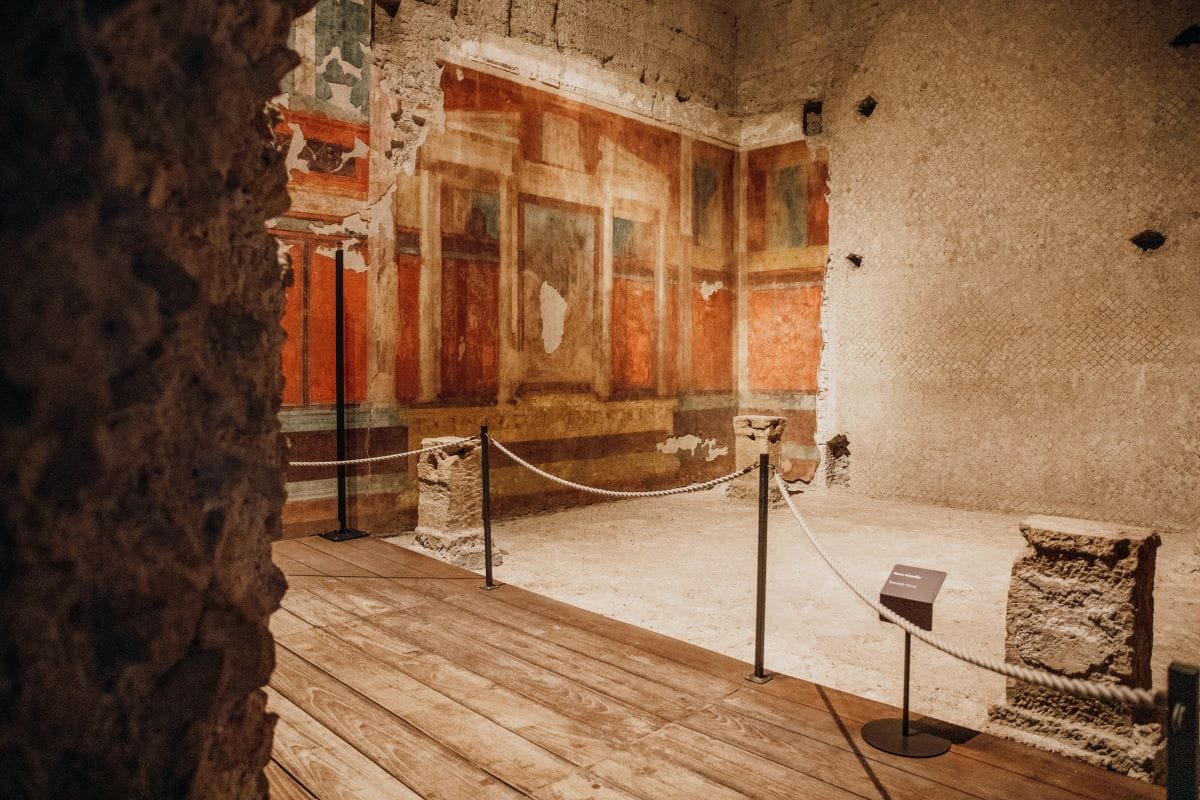
The ruins are filled with colorful frescos that really give you a feel for how opulent the interior spaces were
House of Livia / Casa de Livia
While Augustus’ original home on Palatine Hill was relatively modest, he also built a home that was extraordinary in its greatness: high ceilings, monumental arches, and marble clad floors. All the architectural design elements that suggest luxury and power. This is the House of Livia.
- FUN FACT: Livia was Augustus’ third wife, or some say, his mistress, it depends on which historian you ask! Whoever you believe, he spared no expense creating this house for his muse.
This house is adjacent to Augustus’s residence and although modern archaeology suggests it may have been a wing of the same imperial estate, the House of Livia stands out for its richly decorated interior.
Thanks to the remarkable work of archaeologists, these sites have been uncovered and preserved, and are available for visitors to experience first hand. In this house, you can see frescoes which depict lush gardens, floral motifs, and mythological scenes that would have created a tranquil indoor environment, a Roman attempt to bring nature inside. These decorations reflect elite tastes and the importance they placed on visual storytelling.
Insider Tip: Some of these Super Sites, like the Houses of Livia and Augustus, are only accessible with a guide on tours such as the VIP Colosseum, Caesar’s Palace & Roman Forum Super Sites Tour. This is where guided tours truly shine!
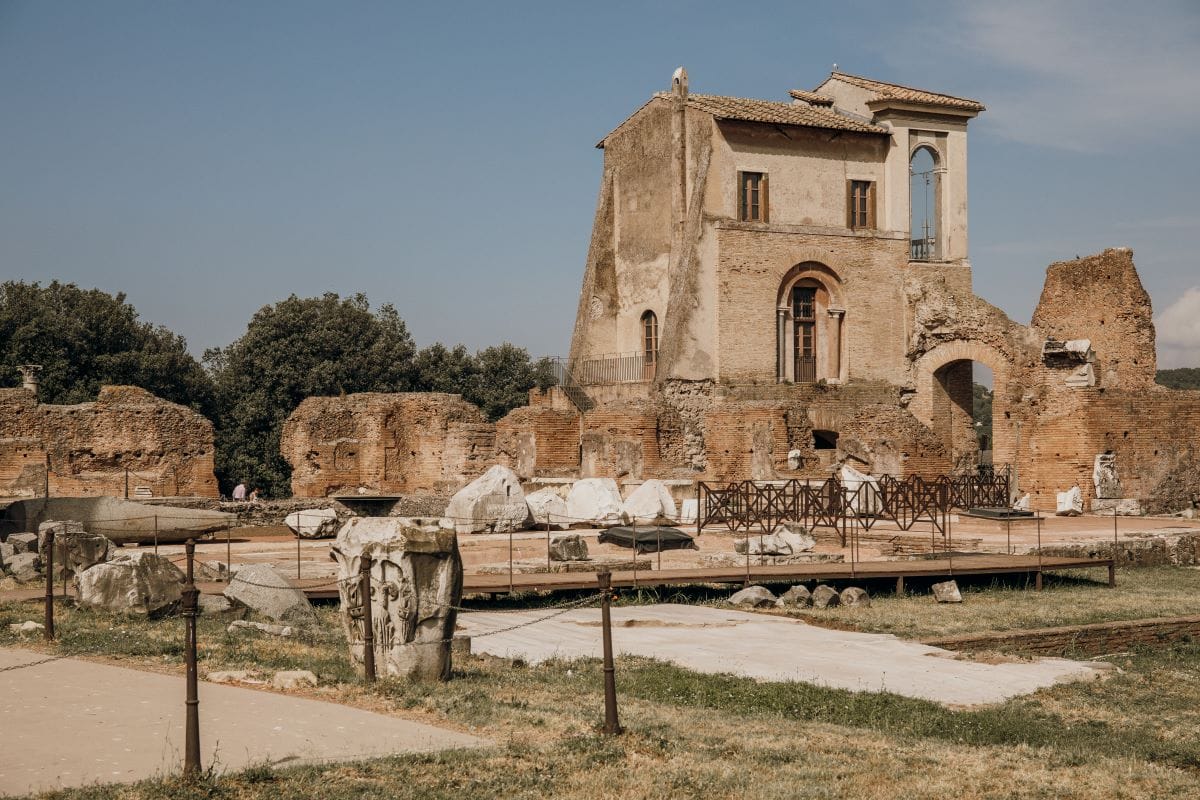
Santa Maria Antiqua
Set at the base of Palatine Hill, Santa Maria Antiqua was built in the 5th century and is arguably one of Rome’s oldest Christian monuments. Once part of the imperial palace complex, it became a church in the early Christian period.
- FUN FACT: It was buried and preserved by an earthquake in the 9th century, and rediscovered centuries later with extraordinary frescoes dating from the 6th to 8th centuries CE.
The murals withing this church provide a rare, uninterrupted view of early Christian art, a vivid tapestry of saints, martyrs, and ecclesiastical figures that reflects Rome’s transition from pagan Empire to Christian capital. It even contains the earliest known example depicting the Virgin Mary as Santa Maria Regina (the Queen Virgin Mary).
From 1980 until 2016 the Santa Maria Antiqua was off limits, as archaeologists and preservationists were working on restoring the interior to its former glory as much as possible. And now, we are lucky enough to be able to marvel at this SUPER site of Rome once again.
The Santa Maria Antiqua is one of the most revered churches in Rome.
Domus Tiberiana
Set on the northwestern slope of Palatine Hill, Domus Tiberiana was built in the first century AD and was one of the first real palaces constructed on the hill. It´s position on this side of Palatine overlooking the Forum, was favored by the powerful because of its easy access to the action down below.
Historians speculate that, besides Tiberius, a few different Roman emperors have likely resided here, namely Caligula, Claudius, and Nero. And each emperor who took up residence here added to the palace. It became a core residence for successive emperors and was adorned with lavish frescoes, grand halls, and courtyards.
Excavations and later development (including Renaissance Farnese Gardens) altered much of the original site, but the surviving remains reveal an elite complex that underscored the imperial presence above the Forum below.
- FUN FACT: Archaeologists have been challenged to find more clues about Domus Tiberiana since the aristocratic Farnese family built a terrace garden here in the 16th century and wiped out a large swath of the archaeological record.
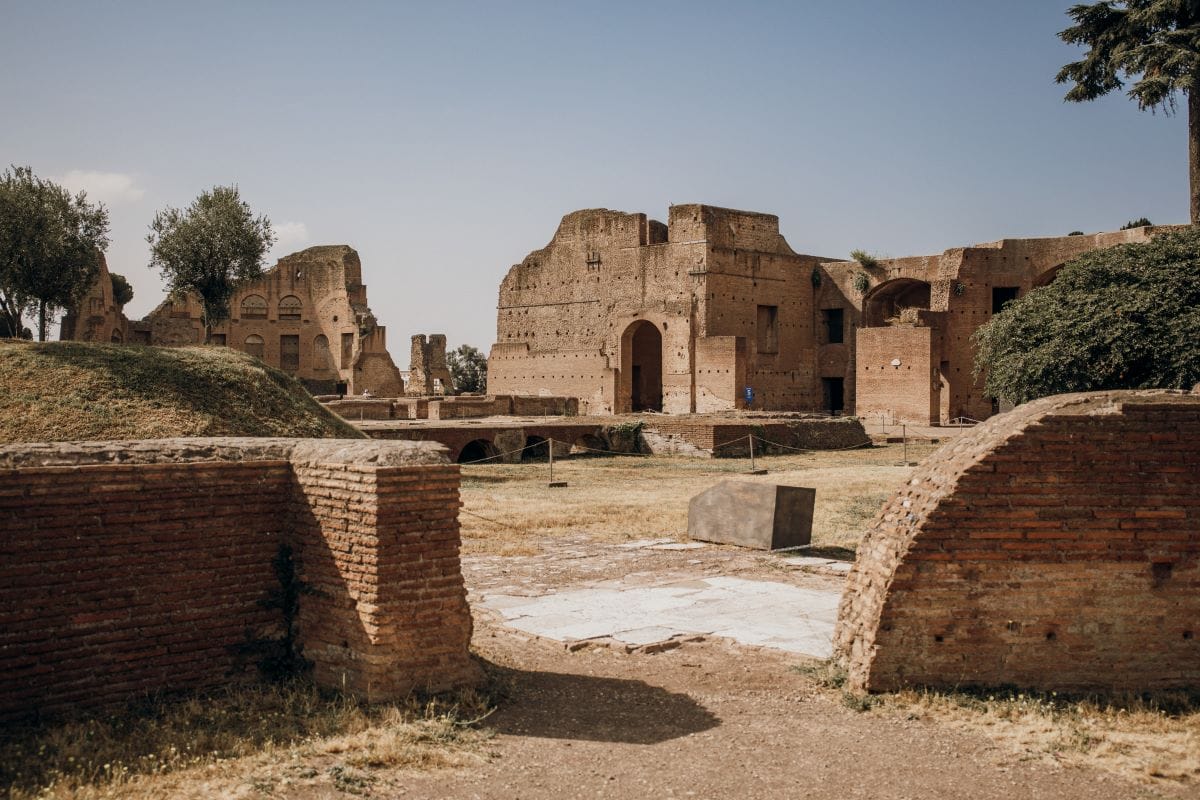
Walking around the ancient ruins of the Super Sites of Rome is truly a mind-blowing experience
Imperial Ramp (Scalae Imperiales of Domitian)
The Imperial Ramp is an impressive feat of Roman engineering commissioned by Emperor Domitian (r. 81–96 CE) to link his expansive palace on the Palatine Hill down to the Roman Forum.
This monumental ramp once ascended in gentle curves across seven levels, allowing for ceremonial or practical movement between the palace and the civic heart of the city.
Its vaulted walls and dramatic scale embody the shift from Republican Rome to the centralized power of the empire. Also noteworthy are later frescoes found near its base, depicting the martyrdom of Christian soldiers, adding layers of history from both pagan and Christian Rome.
- FUN FACT: Walking the ancient entrance via the Imperial Ramp today connects visitors with the route emperors themselves would have taken nearly two millennia ago.
You’ll also get to wander inside where there are various relief sculptures and murals on the wall, making the House of Tiberius one of the greatest Roman Forum Super Sites. Only a select handful can visit the Domus Tiberiana each day and your best bet is to do it on a guided tour of Caesar’s Palace.
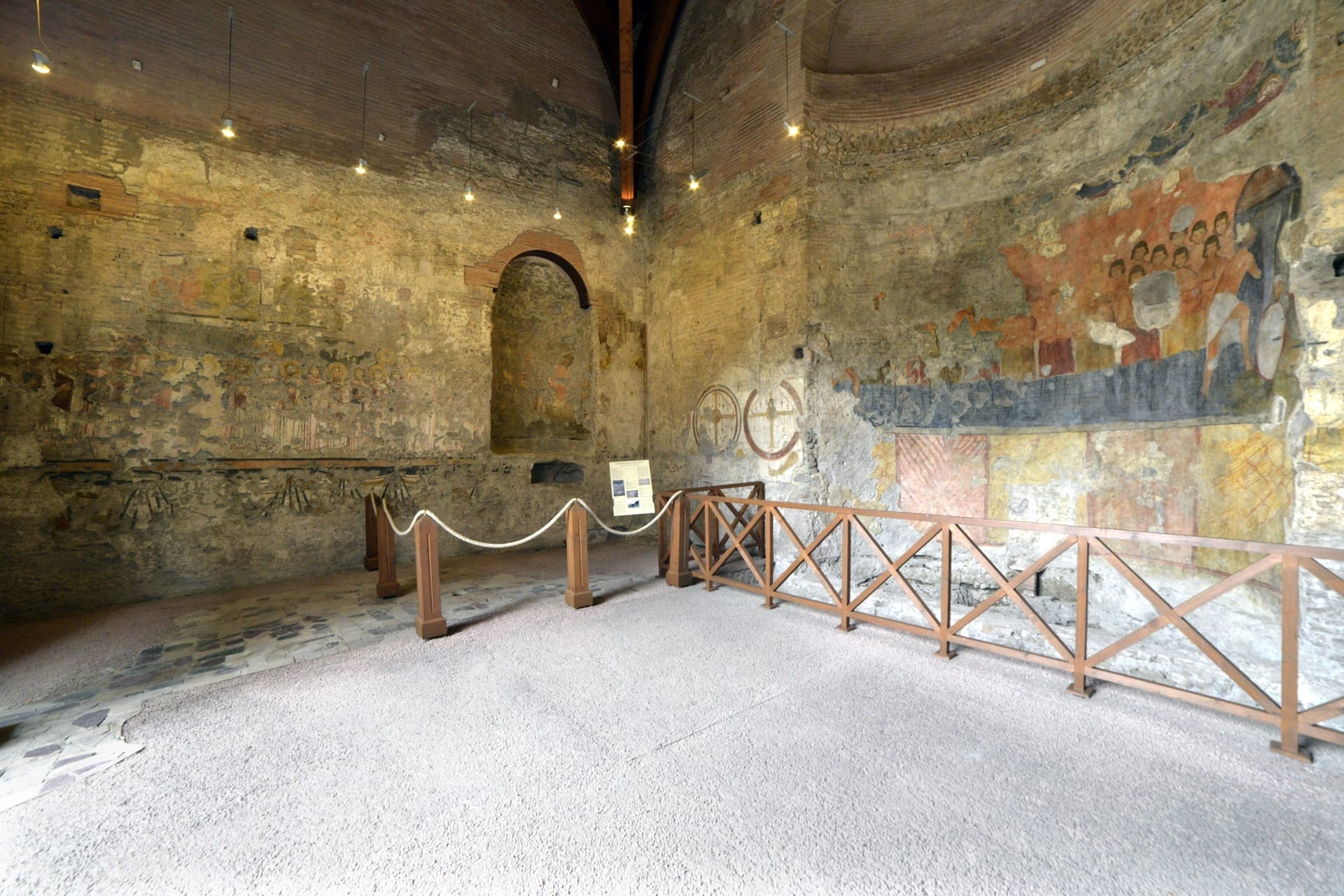
Part of the re-opened Imperial Ramp of Domitian. Photo credit : The History Blog
Criptoportico Neroniano
Also known as the Neronian Criptoporticus, this 425-foot (or 130-meter) tunnel is an extension of the Domus Tiberiana. Designed as a sheltered corridor, it allowed emperors to move discreetly and comfortably between different sections of their palaces, protected from both the weather and the public gaze.
- FUN FACT: Steeped in drama and intrigue, the cryptoporticus is infamous as the site where the volatile Emperor Caligula was assassinated by his own guards in AD 41, a moment that changed the course of Roman history.
The long hallway was also used by Emperor Nero to walk from Palatine Hill to his lush palace the Domus Aurea. Time has stripped the passage of much of its original decoration from 2000 years ago, but visitors can still imagine its former splendour.
The walls and vaulted ceiling were richly adorned with frescoes of cupids and elegant decorative motifs, creating an atmospheric and surprisingly luxurious space beneath the heart of ancient Rome.
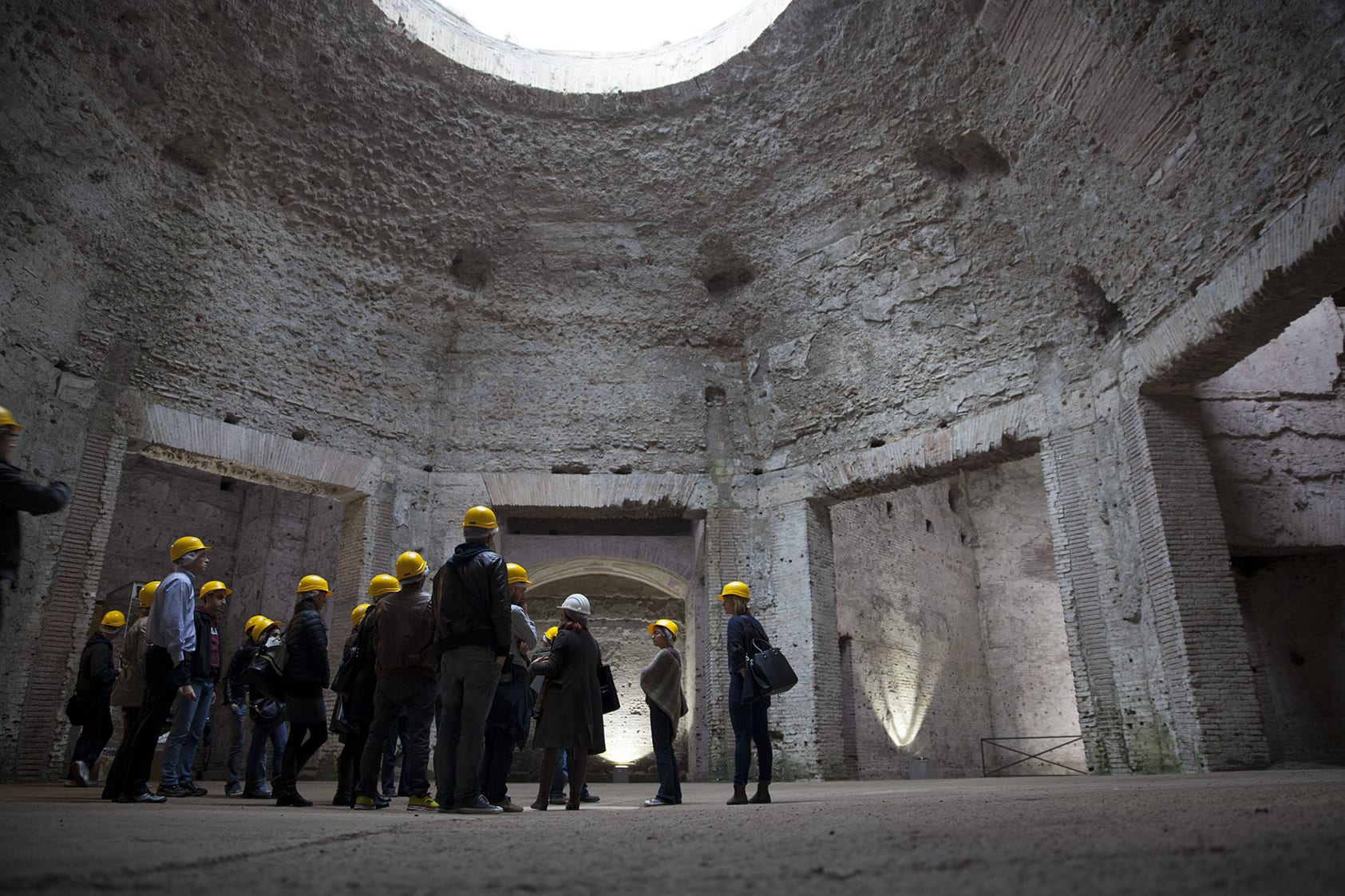
The Domus Aurea – Emperor Nero’s house newly opened to the public in Rome.
Palantine Museum
The Palatine Museum, located on the Palatine Hill above the Roman Forum, is a treasure trove of artifacts that reveal the artistic and domestic worlds of ancient Rome’s elite. Housed within part of a former monastery, the museum displays a remarkable collection of sculptural fragments, decorative elements, frescoes, mosaics, and everyday objects unearthed during centuries of excavation across the Palatine and Forum archaeological areas.
These finds help bridge the gap between monumental ruins and the lived experiences of emperors, aristocrats, and artisans who shaped Rome’s history. The museum’s galleries provide context for the sprawling archaeological landscape outside, explaining how lavish imperial palaces were designed, decorated, and lived in, from the Augustan era through the time of Constantine and beyond.
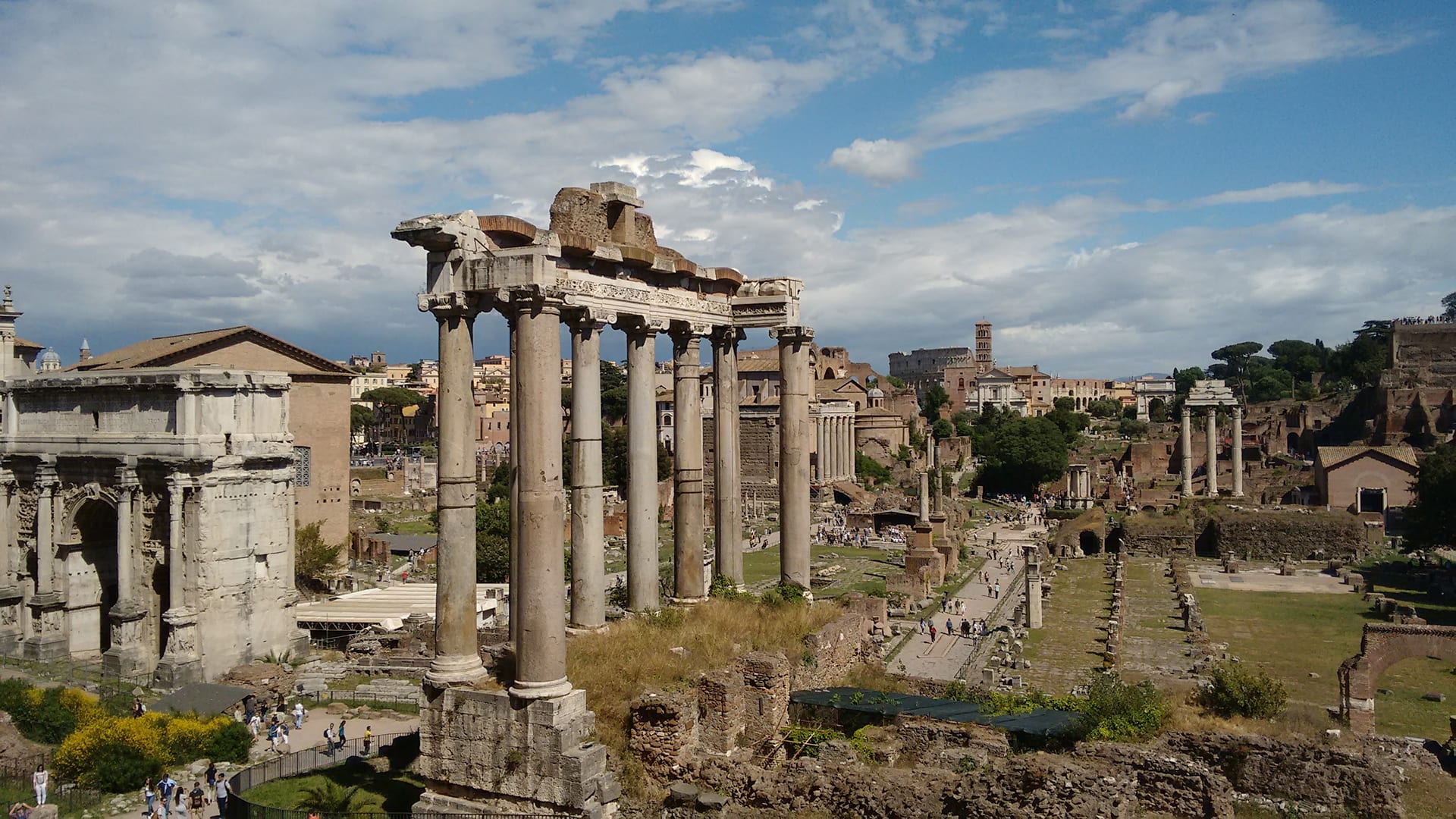
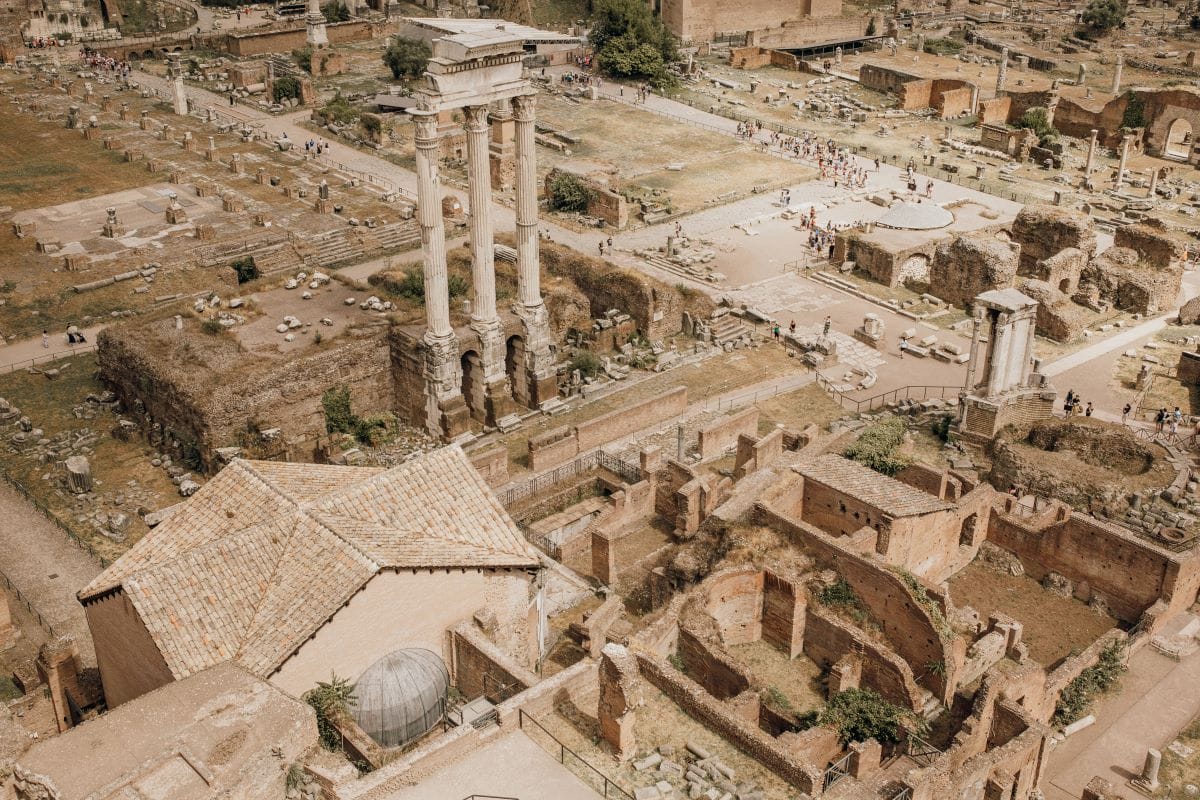
Imagine the amount of artifacts that have been found in the sprawling archaeological gem of the Roman Forum over the years!
Other Places of Interest
Aula Isiaca
This is a vaulted hall that was once part of Augustus’ palace. It wasn’t until archeologists discovered it in 1912 that the world got to see this lavishly decorated chamber from around 30 BCE.
Loggia Mattei
An adjoining room is the Loggia Mattei, a room bedecked in colorful wall frescoes that are attributed to the workshop of Baldassare Peruzzi from the 1520s. It’s named for the aristocratic Mattei family who built a palace here in 1561. The frescos represent mythological subject matter such as “Venus between Cupid and the Muses” and the “Wedding of Hercules and Hebe.”
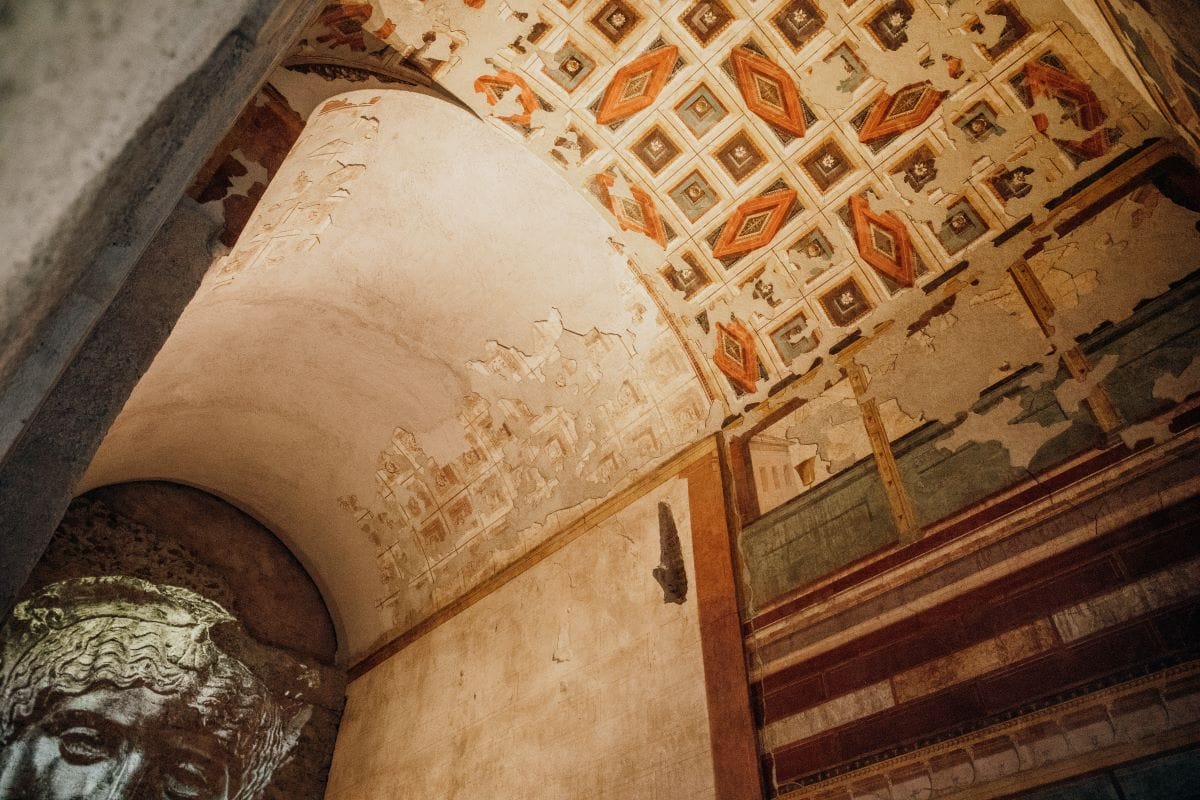
It’s hard to believe these colorful wall frescoes still exist today.
Temple of Romulus
Based on the name of this temple, one would assume it is dedicated to the mythical co-founder of Rome, Romulus. But as the story goes, when Valerius Romulus died at a young age in the year 309 CE, his father, Emperor Maxentius turned an already existing structure into a temple dedicated to Valerius, thus deifying the son of the emperor.
- FUN FACT: Some historians now think this temple might not be dedicated to Rome’s founder or Maxentius’s son after all, it could actually be the Temple of the Penates or even Jupiter Stator.
The faded murals on the interior walls, a trompe l’oeil that are meant to evoke curtains or an awning, date from the middle of the 13th century. A half a century later, painter Jacopo Torriti added an enthroned Madonna and Child.
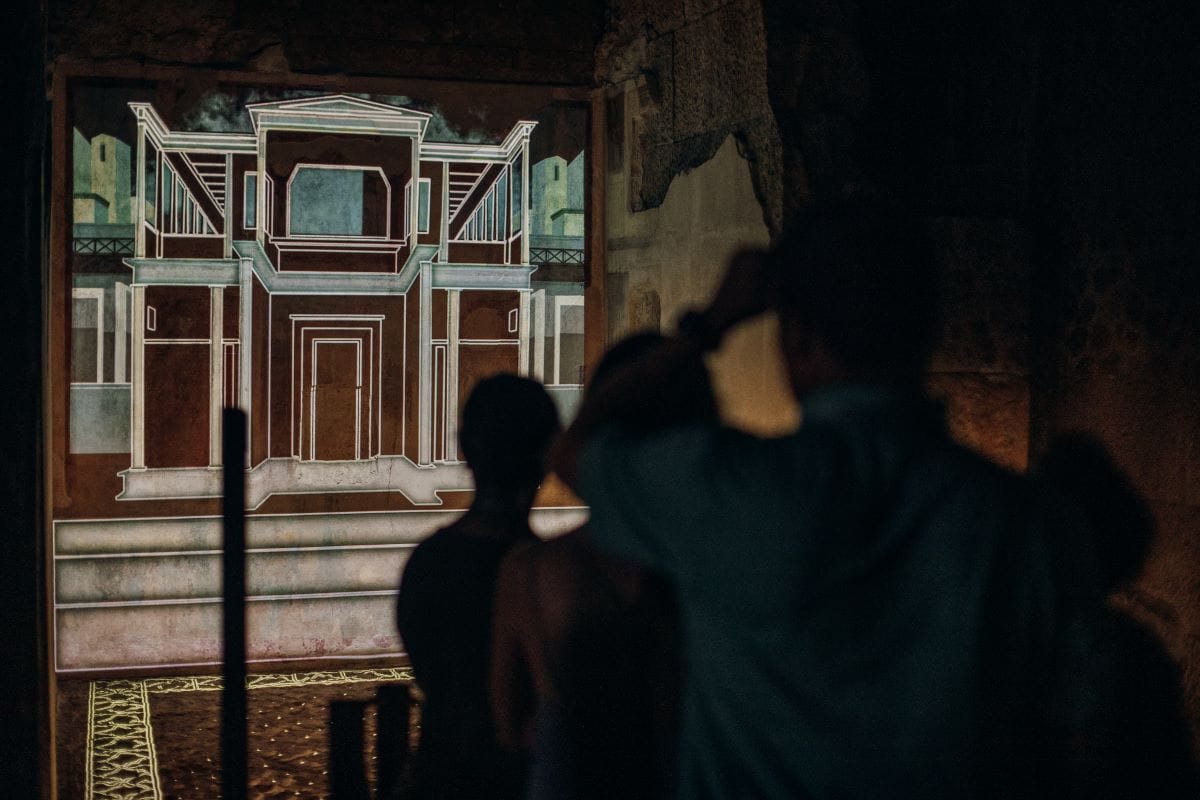
Digitalized images in the interior show how opulent the House of Augustus was in its prime. Just unbelievable!
Places of Religious Heritage
When exploring Rome’s most spectacular sites, it’s worth looking beyond the obvious landmarks to uncover the city’s layered religious and cultural heritage. One standout is the Basilica of Santa Maria Maggiore, one of Rome’s four major basilicas, dating back to the 5th century and famed for its golden ceiling, ancient mosaics, and sacred relics. If you’re planning your visit, don’t miss the chance to visit Santa Maria Maggiore and experience its grandeur first-hand. Of course, this is just one of many remarkable churches in the city! Rome is packed with breathtaking religious sites, as highlighted in this guide to the best churches in Rome.
Insider tip : For travellers keen to go beyond the typical tourist trail, there are also plenty of alternative things to do in Rome that reveal a more authentic side of the Eternal City. And for a truly tailored experience, consider booking one of the expertly curated private tours in Rome which can bring these historic sites to life with insider knowledge and local insight.
Take a Tour to the SUPER Sites of Rome:
Can you imagine the layers of history waiting to be uncovered in places like this? That’s why having an expert guide with you is so valuable—it’s the key to unlocking the fascinating stories hidden within. You’ll also get the rare opportunity to step into the House of Augustus, a site usually closed off to most visitors, giving you a unique glimpse into a place rich with history and significance.
Plus, with a guided tour, you can understand the history of the Colosseum, as you explore this majestic symbol of Rome. The small-group setting keeps things intimate, and with an experienced guide, you’ll gain deeper insight into the fascinating details that make these sites unforgettable. It’s the perfect way to immerse yourself in Rome’s past and discover the true stories behind the Roman Super Sites.
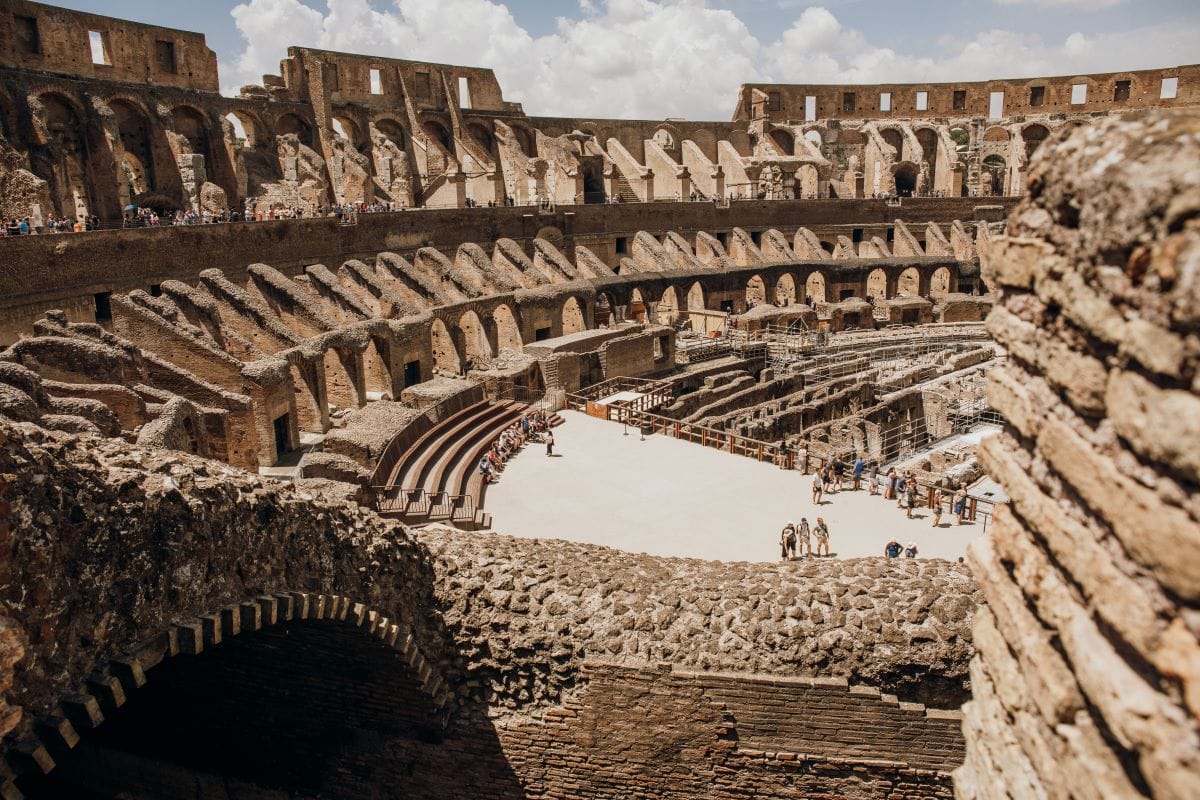
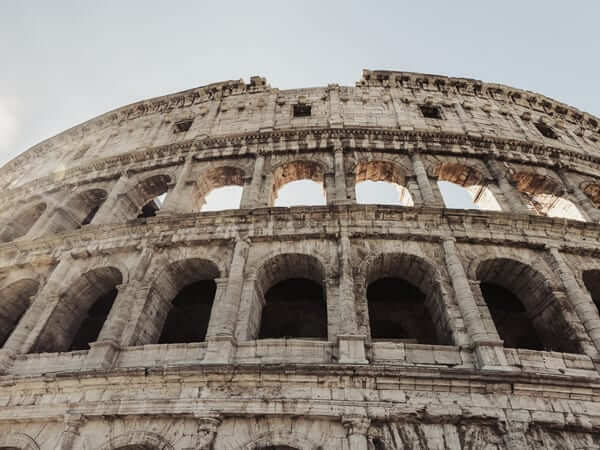
Seeing the interior of the Colosseum away from the hordes of crowds is a great experience.
FAQs – SUPER sites of Rome
Do I need separate tickets for the Colosseum/Roman Forum/Palatine Hill?
No. A standard Colosseum ticket includes entry to the Roman Forum and Palatine Hill, including the Palatine Museum. These sites are part of a single archaeological park and can be visited over one or two consecutive days, depending on the ticket type. Entry to the Colosseum itself requires a timed reservation, while the Forum and Palatine Hill can be entered at any point during opening hours.
What is included with standard tickets, and which are SUPER Sites?
Standard tickets allow access to the outdoor ruins of the Roman Forum, Palatine Hill, and the Palatine Museum. However, certain exceptional spaces, referred to as “Super Sites of Rome”, such as the House of Augustus, House of Livia, Domus Tiberiana, Santa Maria Antiqua, and parts of Caesar’s Palace are not always open to the general public or may require special access tickets or a guided tour. Availability can change due to conservation work, so access is never guaranteed without booking in advance.
Are any parts of the Palatine or Forum only accessible on guided tours?
Yes. Some of the most significant and best-preserved areas, particularly imperial residences and restricted archaeological zones, are often accessible only with a guided tour. These tours provide skip-the-line entry where applicable and ensure access to spaces that are either closed to independent visitors or open only in limited numbers each day.
What are the opening hours for the Forum/Palatine Hill and Museum?
The Roman Forum, Palatine Hill, and Palatine Museum generally open daily at 8:30 AM and close one hour before sunset, with later hours in summer and earlier closures in winter.
Opening times vary by season and holidays, and Roman forum Super Sites may have shorter or irregular hours, so checking ahead, or booking a guided tour, is strongly recommended.
Is a guided tour worth it for visiting these sites?
Absolutely. The Roman Forum and Palatine Hill are vast and largely unlabelled, which can make them overwhelming on a self-guided visit. A guided tour not only provides historical context, but also simplifies logistics, secures special access where possible, and helps you understand how the Forum, Palatine palaces, and imperial residences connect into a single historical narrative.
What is the best way to see the SUPER Sites of Rome?
The best way to see the SUPER sites, and learn about their history, is through a tour such as our VIP Ancient Rome Tour: Caesar’s Palace. Here, you’ll gain access to places like Caesar’s original palace and the Santa Maria Antiqua church, typically off-limits to most visitors. You’ll also get a priority pass to enter the Colosseum as part of the tour. Check out the short video below to get a taste of the SUPER sites of Rome…
Just when you think you’ve seen all that Rome has to offer—the Vatican, St. Peter’s Basilica, Trevi Fountain, the Pantheon, etc., turns out there are more amazing Roman sites to see. If you are ready to explore the remarkable Super Sites of Rome, make sure to sign up for our VIP Ancient Rome Tour of Caesar’s Palace. In just under 4 hours, you’ll visit Rome’s most restricted ruins, which have been closed off to tourism for years. Don’t miss out!
With an expert Walks of Italy guide leading the way, you’ll explore rarely seen spaces, uncover the stories behind Rome’s most powerful figures, and experience the Forum and Palatine from a whole new perspective.
Book now and see Ancient Rome as few visitors ever do!
Pssst! Don´t just take our word for it… Here is a review from a recent customer who joined Rome’s Most Exclusive Colosseum Tour + VIP Super Sites of Rome
Grand experience. We enjoyed our tour. The tour guide was very knowledgeable and enthusiastic. Highly recommend this tour. This tour covers multiple attractions in detail.Tripadvisor customer: May 16, 2025


Book a Tour

Pristine Sistine - The Chapel at its Best
€89

1794 reviews

Premium Colosseum Tour with Roman Forum Palatine Hill
€56
850 reviews

Pasta-Making Class: Cook, Dine Drink Wine with a Local Chef
€64
121 reviews

Crypts, Bones Catacombs: Underground Tour of Rome
€69
401 reviews

VIP Doge's Palace Secret Passages Tour
€79
18 reviews

Legendary Venice: St. Mark's Basilica, Terrace Doge's Palace
€69
286 reviews
Follow us
Stay up to date with travel tips, local insights and all things Italy on our social channels!


Subscribe to our Newsletter
Get curated Italy travel tips delivered to your inbox!

