

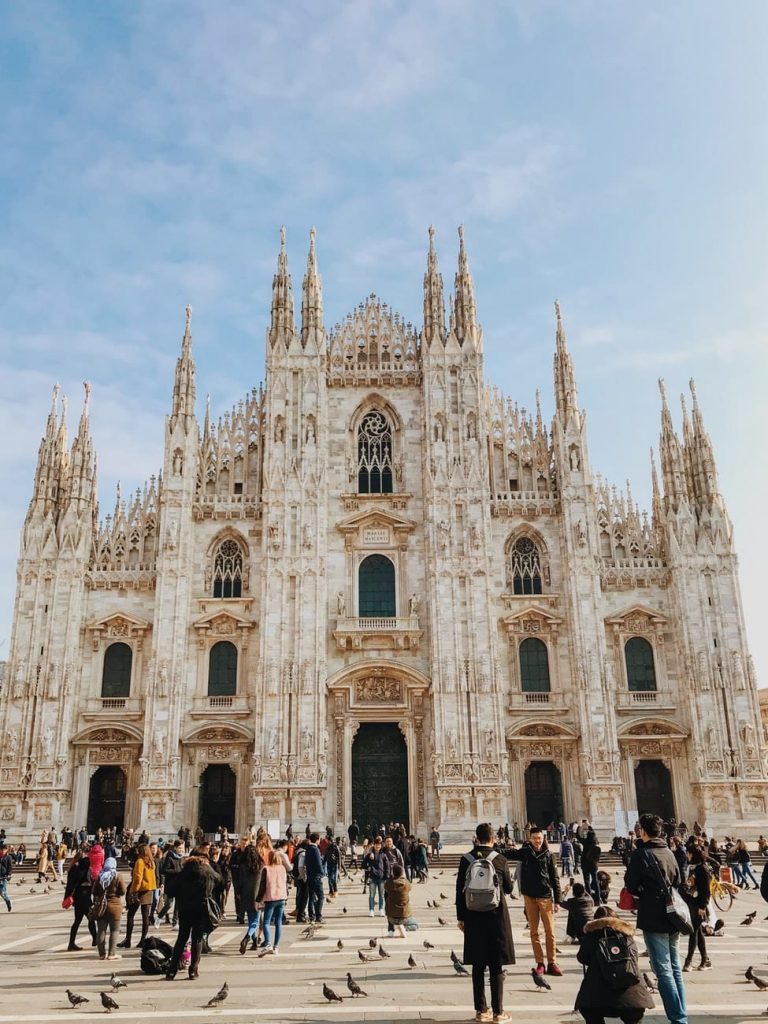




Sustainable Tourism in Italy: Preserving the Beauty for Future Generations
February 4, 2026
Italy, the land of unparalleled beauty, rich history, and exquisite cuisine, has long been a magnet for travelers worldwide. However, with the rise of environmental consciousness, the concept of sustainable tourism in Italy has gained momentum, urging us to explore and enjoy destinations while preserving their natural and cultural heritage.
In this comprehensive guide, we delve into sustainable tourism in Italy, exploring its definition, current state, green initiatives, and expert tips for traveling responsibly to places like Rome and the Vatican, Florence, Venice, and more!
Sustainable tourism definition

Sustainable tourism in Italy aims to minimize the negative impacts of travel on many landmark sites. Photo credit: SK
Sustainable tourism, also known as eco-tourism or responsible tourism, aims to minimize the negative impacts of travel on the environment, culture, and economy of a destination while maximizing the benefits for local communities and ecosystems. It emphasizes principles of conservation, community involvement, and respect for local cultures.
In recent years, sustainable tourism has garnered significant attention and importance due to several factors. One major catalyst for this shift is the growing awareness of environmental issues such as climate change, deforestation, and loss of biodiversity. As travelers become more conscious of their ecological footprint, there is a rising demand for travel experiences that align with their values of environmental stewardship and conservation.
Additionally, there has been a growing recognition among governments, businesses, and tourism stakeholders of the need to address the negative impacts of mass tourism. Overcrowding, pollution, habitat destruction, and cultural commodification are some of the adverse effects associated with conventional tourism practices. Sustainable tourism offers an alternative model that seeks to mitigate these impacts through responsible planning, management, and consumption.
Facts and figures about sustainable tourism in Italy
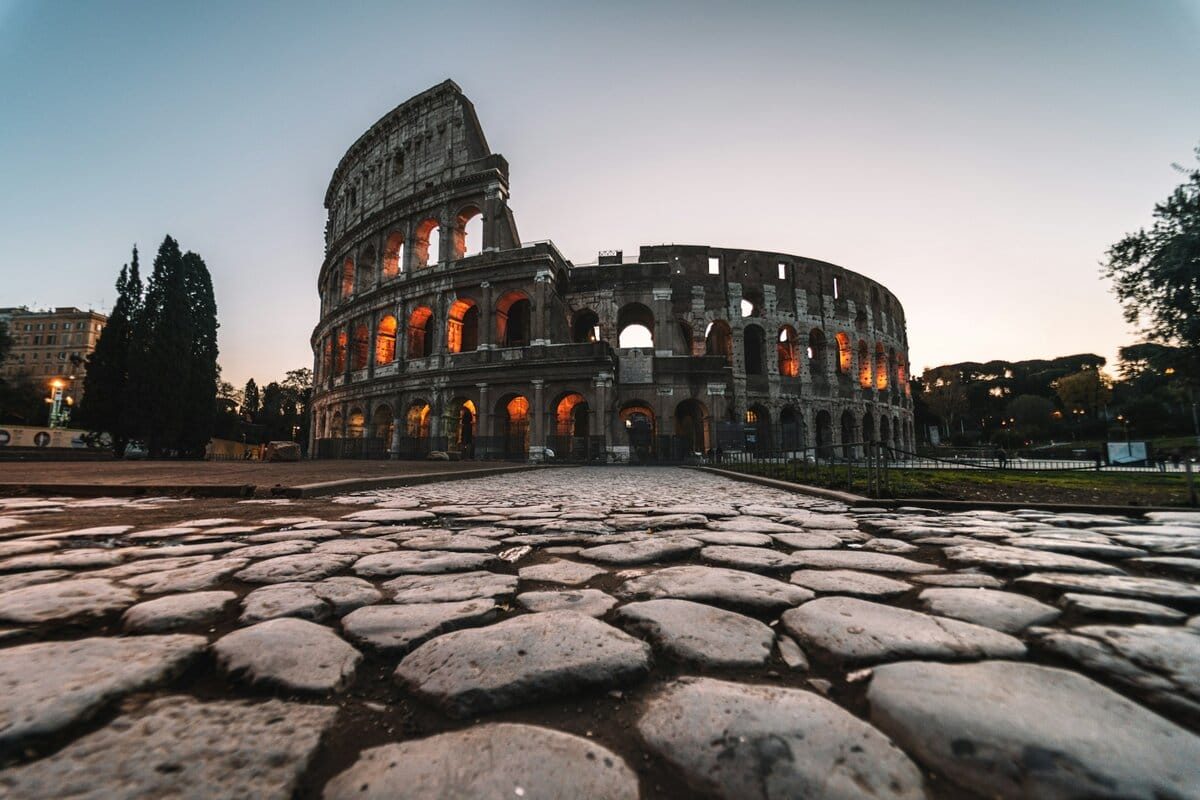
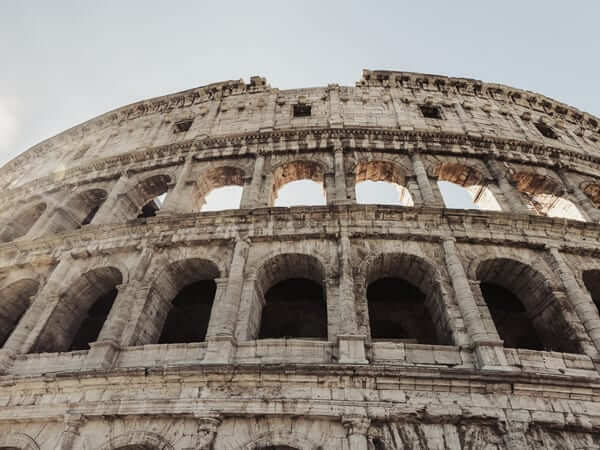
Italy is home to 61 UNESCO World Heritage Sites, including the Colosseum in Rome. Photo credit: Federico Di Dio
Italy, with its diverse landscapes, rich cultural heritage, and world-renowned historical landmarks, remains one of the world’s leading destinations for tourism and a key focus for sustainable travel initiatives. Tourism activity has rebounded strongly following the pandemic, with 2024 marking a record year, and 2025 seeing further growth. According to the latest national and industry data, Italy now records well over 140 million tourist arrivals annually, with some official counts exceeding 180 million arrivals, depending on the methodology used.
This sustained influx of visitors brings significant economic benefits but also presents growing challenges related to environmental pressure, congestion, and over-tourism in popular destinations. As a result, the Italian government, regional authorities, and tourism organisations have intensified efforts to promote more sustainable tourism practices that balance economic growth with environmental protection and community wellbeing.
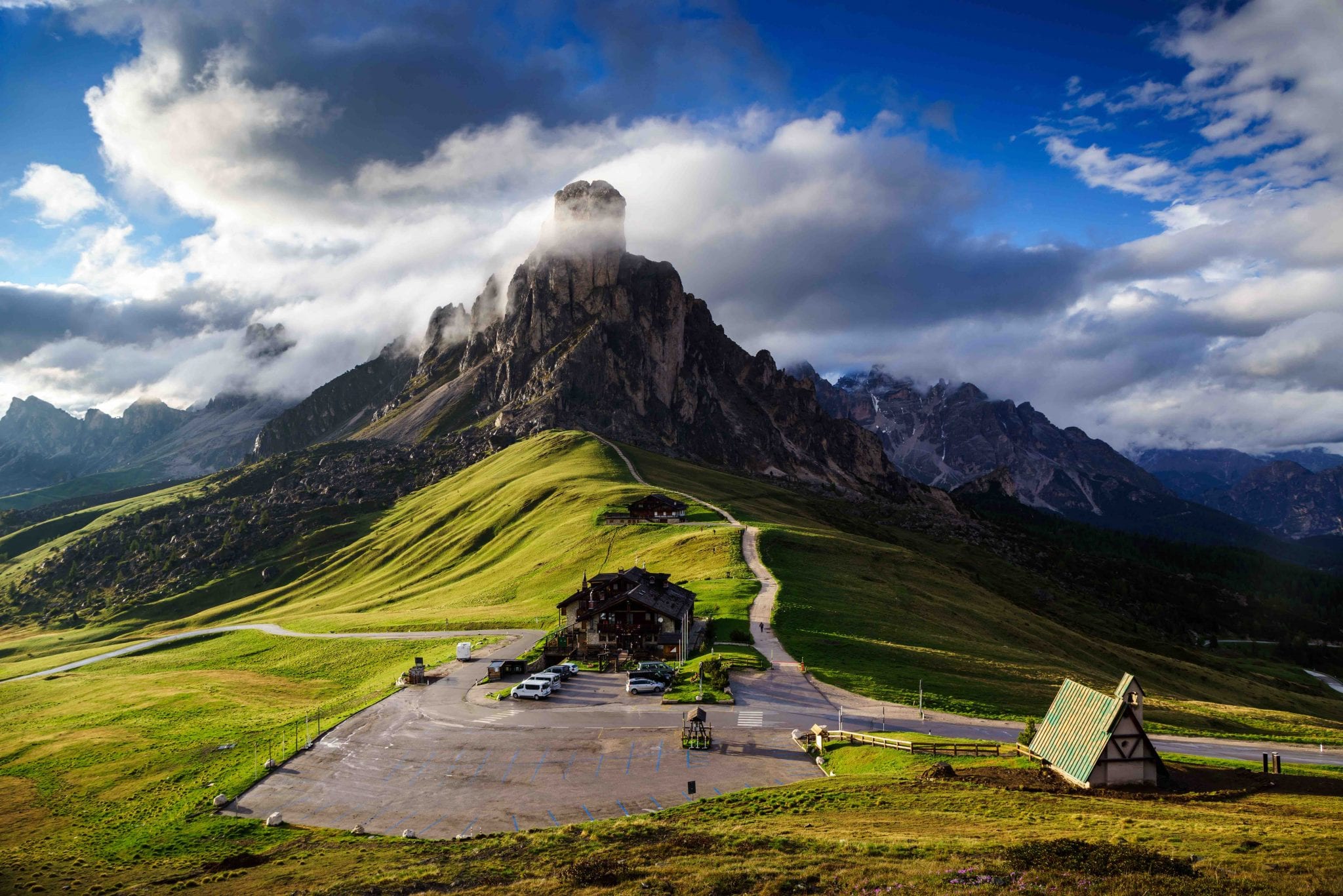
The Giau Pass at sunset, Belluno, Dolomites, Italy
To understand how sustainable tourism in Italy can be strengthened in the coming years, it is important to consider both the country’s geography and the scale of its tourism activity:
-
Over 60% of Italy’s land area is mountainous, dominated by the Alps and the Apennines, which form vital ecosystems and biodiversity hotspots.
-
Italy is home to 61 UNESCO World Heritage Sites, including iconic cultural landmarks such as the Colosseum in Rome and globally recognised natural landscapes like the Amalfi Coast — the highest number of UNESCO World Heritage Sites of any country.
-
Tourism contributes approximately 10-11% of Italy’s GDP, underlining its critical role in the national economy when direct and indirect impacts are taken into account.
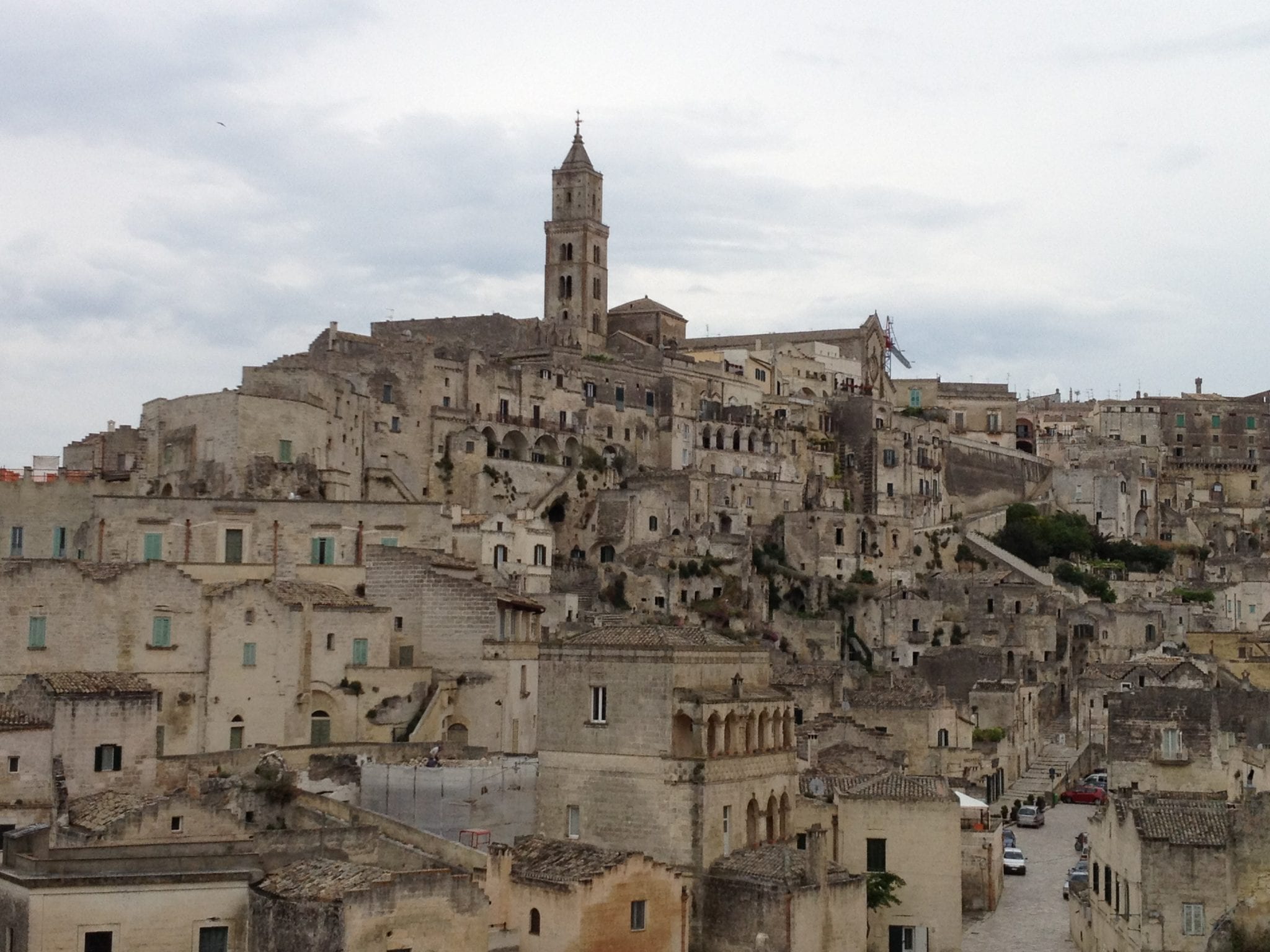
UNESCO World Heritage Sites in Southern Italy – Matera
Despite its economic importance, the environmental footprint of tourism cannot be overlooked. While Italy-specific, up-to-date figures are still being consolidated, recent international assessments indicate that the travel and tourism sector accounts for around 7% of global greenhouse gas emissions, largely driven by transport and accommodation. In line with wider European trends, tourism in Italy is therefore considered a meaningful contributor to national emissions, reinforcing the need to accelerate policies and practices that support more sustainable tourism across the country.
How to travel in an eco-friendly way

Traveling on public transport is one of the ways you can help promote sustainable tourism in Italy. Photo credit: Marco Chilese
Traveling sustainably in Italy involves making conscious choices that minimize your carbon footprint and support local communities. Here are some tips for eco-conscious travelers:
- Choose Eco-Friendly Accommodation: Opt for hotels, guesthouses, or agriturismi (farm stays) that have implemented sustainable practices such as energy efficiency, waste reduction, and local sourcing.
- Use Public Transportation: Italy boasts an extensive network of trains, buses, and ferries, making it easy to explore the country without relying on private cars. Trains, in particular, are an efficient and eco-friendly way to travel between cities.
- Embrace Slow Travel: Instead of trying to see everything in a short amount of time, slow down and immerse yourself in one region at a time. This not only reduces your carbon emissions but also allows you to experience the local culture more deeply.
- Support Local Businesses: Dine at family-owned trattorias, shop at local markets, and participate in community-based tours to support the livelihoods of residents and reduce the environmental impact of mass tourism.
- Reduce Waste: Carry a reusable water bottle, tote bag, and utensils to minimize single-use plastic consumption. Dispose of waste responsibly and participate in recycling programs whenever possible.
Green initiatives in Italy

Sustainable wine tourism is just one of a number of green initiatives aimed at promoting sustainable tourism in Italy.
There are currently a number of green initiatives aimed at promoting sustainable tourism in Italy and preserving its natural and cultural heritage. Some notable examples include:
- Italy Green Travel: This initiative encourages travelers to explore Italy’s lesser-known destinations and engage in eco-friendly activities such as hiking, biking, and wildlife watching.
- Sustainable Wine Tourism: Many wineries across Italy such as in Rome, Venice and Florence, have adopted sustainable practices in vineyard management, water conservation, and energy efficiency. Visitors can enjoy wine tours that highlight these eco-friendly efforts.
- Certified Eco-Friendly Accommodation: The Italian Touring Club (Touring Club Italiano) awards an “Ospitalità Italiana” certification to hotels and bed-and-breakfasts that meet strict sustainability criteria, including energy efficiency, waste management, and use of local products.
- Slow Food Movement: Originating in Italy, the Slow Food movement promotes the preservation of traditional culinary practices, local ingredients, and small-scale producers. Travelers can support this movement by dining at Slow Food-approved restaurants and attending food festivals.
Advice from tourism experts

Switching from paper to using QR codes can have a big impact on the environment. Photo credit: Mika Baumeister
To gain insights into sustainable tourism in Italy, we consulted with experts in the field who work for Walks and have made significant efforts to make eco-friendly changes.
One such tourism expert, Riccardo Bettella, Senior Central Ops Manager, said: “Here in Venice, we stopped printing vouchers for attractions that utilise a barcode scanner and encouraged our guides to use those vouchers through their smartphones. It was a successful changeover – even the more ‘technophobic’ guides agreed with it!
“Our coordinators don’t print the client list any longer for “easy” coordinations – they used a special easy-to-use coordinator portal Walks has developed on their phones! That’s one small step for man, one giant leap for mankind!”
What does Walks do to promote sustainable tourism in Italy?

Here at Walks, we promote local food and wine vendors on our tours. Photo credit: Priscilla Du Preez
Here at Walks, we are aware of our role in promoting sustainable tourism in Italy and across all the destination we operate in. As an example of what we do to promote that, here are just a few examples of what we do in terms of supporting eco-tourism:
- Operating in small groups: The average group size of a Walks tour is about 15!
- Employing local tour guides… who offer a real connection to the history and culture of an area.
- Offering an alternative take on well-known attractions: Many of our tours take place outside normal hours (such as the Premium Colosseum Tour and After-hours at St. Mark’s Basilica)
- Promoting local food and wine vendors: Our local food and wine tours and cultural experiences, like our famous pasta making classes, encourage people to go off the regular tourist trail and to try new ingredients and local produce offered by local merchants.
- Using the latest technologies: Our offices are moving towards being paper-free workplaces – and there are other inventive ways we’re going paper-free on the ground.
- Giving back to the community: Walks has supported local charities, restoration efforts, and sustainable travel organizations in many of our destinations. Some of these include: American Institute For Roman Culture, Equovento, Fondation Patrimoine for Notre-Dame, The Metropolitan Museum of Art, and The Victorian Alliance of San Francisco.
In conclusion, sustainable tourism in Italy is not just a trend; it’s a commitment to preserving the country’s natural beauty, cultural heritage, and way of life for generations to come.
By embracing responsible travel practices, supporting local initiatives, and experiencing Italy’s wonders at a slower pace, travelers can leave a positive impact on the environment and contribute to the sustainable development of this timeless destination.
So, let’s embark on this journey together, treading lightly and leaving only footprints behind. Buon viaggio!

Enjoy the simple pleasures and support local communities and industries
FAQs – Sustainable Tourism in Italy
How do I travel more sustainably without changing my whole itinerary?
You don’t need to redesign your trip from scratch to travel more sustainably in Italy. Small, low-effort choices make a real difference, such as using trains instead of short domestic flights, booking tours with small group sizes, and choosing locally owned restaurants and shops near major attractions. Even simple habits like carrying a refillable water bottle or visiting popular sites early in the morning or off-season can help reduce pressure on crowded destinations.
How can I avoid contributing to over-tourism in places like Venice, Rome, or Florence?
One of the most effective ways is to shift when and where you visit, rather than skipping these cities entirely. Visiting major landmarks outside peak hours, exploring lesser-known neighbourhoods, or adding nearby secondary destinations to your itinerary can significantly ease congestion. Choosing guided experiences that operate outside standard opening hours or cap group sizes also helps protect fragile sites while improving your experience.
Does sustainable tourism mean higher costs for travelers?
Not necessarily. Sustainable travel in Italy can often be cost-neutral or even cheaper. Public transport is typically more affordable than renting a car, local trattorias often cost less than tourist-focused restaurants, and slower travel reduces the need for constant transfers and short stays. While some eco-certified accommodations or ethical tours may cost slightly more, they often deliver better value through higher quality experiences and meaningful local connections.

Preserving the culture and the quality of Italian products is one of the cornerstones of sustainable tourism in Italy
If you’re inspired to experience Italy more responsibly, Walks of Italy makes it easy to turn intention into action. With small group sizes, expert local guides, and thoughtfully designed experiences that respect both communities and cultural heritage, Walks puts sustainability at the heart of every tour.
From after-hours access to iconic landmarks to immersive food and wine experiences that support local producers, Walks helps you discover Italy in a way that’s more meaningful — and more sustainable.
Join Walks of Italy and explore the country with a company that believes the best travel experiences leave a positive impact long after the journey ends.

Book a Tour

Pristine Sistine - The Chapel at its Best
€89

1794 reviews

Premium Colosseum Tour with Roman Forum Palatine Hill
€56
850 reviews

Pasta-Making Class: Cook, Dine Drink Wine with a Local Chef
€64
121 reviews

Crypts, Bones Catacombs: Underground Tour of Rome
€69
401 reviews

VIP Doge's Palace Secret Passages Tour
€79
18 reviews

Legendary Venice: St. Mark's Basilica, Terrace Doge's Palace
€69
286 reviews
Follow us
Stay up to date with travel tips, local insights and all things Italy on our social channels!


Subscribe to our Newsletter
Get curated Italy travel tips delivered to your inbox!

