



The Ultimate Guide to Shopping in Florence: 11 Must-Visit Spots
November 1, 2026
Italy has a long and celebrated fashion history, built on centuries of craftsmanship, creativity and an eye for quality. From the skilled leatherworkers and textile artisans of Florence to the runways of Milan, the country has shaped global style through designers such as Gucci, Salvatore Ferragamo, Emilio Pucci and Roberto Cavalli, all of whom have strong roots in Florence. Today, the city remains a fashion destination in its own right, blending luxury labels and designer boutiques with independent artisans, traditional workshops and contemporary local talent. All that to say, shopping in Florence won’t disappoint!
So if you’re wondering where to shop in Florence, come along as we explore the best shopping streets in Florence. Whether you’re ready to splurge on luxury fashion, hunt for unique leather goods or browse locally made creations, you’ll find plenty to tempt you. From big-name brands to charming local markets, we’ve got you covered for a day of shopping, or a self-guided walking tour of Florence.

Shopping in Florence means everything from high-end luxury to small-scale artisan goods.
Shopping in Florence
Via de Tornabuoni
Via de’ Tornabuoni is one of Florence’s most prestigious shopping streets, known for its elegant Renaissance palaces and luxury fashion boutiques.
Here, you’ll find major Italian fashion houses such as Gucci, Salvatore Ferragamo, Emilio Pucci and Roberto Cavalli, alongside international luxury brands and jewellers. It’s a wonderful place to browse designer collections, admire the grand architecture and soak up Florence’s sophisticated style.
At the heart of the street stands Palazzo Spini Feroni, which Salvatore Ferragamo made his company’s headquarters after opening his luxury footwear workshop there in 1938. Today, the building houses the Ferragamo store and museum. Browse the latest men’s and women’s collections before heading downstairs to discover the museum’s fascinating account of Ferragamo’s life, innovative shoe designs and work with Hollywood stars.
Via de’ Tornabuoni is also one of the city’s most elegant places for a stroll, even if you’re not planning to buy anything. Keep an eye out for beautifully dressed locals, admire the historic palaces and enjoy a taste of Florence’s luxury fashion scene.
Insider’s tip: Turn luxury shopping into a special occasion with a private guided experience in Florence. Discover the stories behind the city’s grand palaces and prestigious fashion houses, and enjoy a more exclusive way to experience its elegant streets. Browse our private tours in Florence to find an experience tailored to your interests.

Salvatore Ferragamo opened his first shoe shop in Florence, Italy, in 1927. Photo credit: Robert Sheie on Flickr, CC by 2.0
Via dei Calzaiuoli
Connecting Piazza del Duomo with Piazza della Signoria, Via dei Calzaiuoli is one of Florence’s most popular shopping streets.
This pedestrianised thoroughfare offers a mix of shops, from accessible fashion and everyday essentials to Italian accessories and leather goods. You’ll also find Furla, the well-known Italian brand specialising in handbags and other accessories, near the Piazza della Signoria end of the street.
Via dei Calzaiuoli is a good choice if you’re looking for a varied shopping experience while exploring Florence’s historic centre. It’s also an easy street to work into a sightseeing itinerary, with landmarks and cafés just steps away.

Shopping locally is a fun way to get to explore the city. Photo credit: S O C I A L . C U T on Unsplash
Via del Corso
Via del Corso is a lively shopping street in Florence’s historic centre, with boutiques selling clothing, accessories and other interesting finds. Just a short walk from Piazza della Repubblica, it’s worth exploring if you’re looking for smaller shops alongside your sightseeing. You’ll find a mix of local businesses and familiar Italian brands, making it a useful stop for browsing beyond the city’s luxury shopping district.
Insider’s tip: Piero Puliti’s shirts and ties are a hot commodity on Via del Corso. These made-to-measure items are made of the finest Italian materials and designed by Piero exclusively for this shop. If you’re shopping in Florence for a shirt and tie, don’t miss this!

Made-to-measure shirts and ties are one of many gems you can find shopping in Florence. Photo credit: Tim Mossholder on Unsplash
San Lorenzo Market
The San Lorenzo market is not just a fantastic spot to discover one-of-a-kind, locally crafted items, but it’s also a treasure trove for snagging some great deals.
This market spills over into the streets around Piazza San Lorenzo and is conveniently close to Florence’s iconic Duomo, making it a perfectly situated shopping destination. It’s the perfect opportunity to capture a piece of Italy for yourself, snag some memorable souvenirs, or simply enjoying the atmosphere of Florence’s street markets.
If you’re interested in food as well as shopping, head into the nearby Mercato Centrale to explore its food stalls and eateries.
Insider’s tip: Take your time to explore the different stalls before buying. Similar-looking products may vary in price, materials and workmanship, so compare a few options and ask sellers about the leather and where an item was made. You can also try negotiating politely, although discounts aren’t guaranteed.

Enjoy the hustle and bustle of San Lorenzo Market. Photo credit: Tiana Kai
Via Santo Spirito, Borgo San Jacopo and Borgo San Frediano
For a taste of Florence’s artisan shopping scene, head across the Arno to Oltrarno, a historic neighbourhood known for its independent shops, traditional workshops and local character.
Via Santo Spirito is a good place to browse, while nearby Borgo San Jacopo and Borgo San Frediano offer more streets to explore, with a mix of small businesses, craft shops and places to stop for a coffee.
Together, these streets make for a lovely stroll through one of Florence’s most distinctive neighbourhoods. Even if shopping isn’t on your agenda, Oltrarno is well worth a visit for its historic architecture, lively squares and artisan heritage. Take your time, wander down the side streets and enjoy a different perspective on the city.
Insider’s tip: Want to get more out of your Florence shopping trip? Join a guided tour to discover the city’s art, culture and history, while getting recommendations from a local expert on where to shop, eat and go for a night out! It’s a great way to get to know Florence beyond the main sights. Explore our Florence tours to find the experience that suits you.

Borgo San Frediano is filled with funky shops. Photo credit: Anastasia Saldatava on Unsplash
Oltrarno – for the best leather goods
Florence is known for its outstanding art, awe-inspiring architecture, delicious food and wine, and fascinating history. It’s also famous for its leatherworking tradition, which dates back to the Middle Ages. The River Arno helped support the city’s historic tanning industry by providing water and a route for transporting goods. Today, Florence remains a great place to shop for leather bags, shoes, belts and other accessories, from traditional workshops to bustling market stalls.
One of our favourite neighbourhoods, Oltrarno, on the south bank of the Arno, is known for its independent artisans and traditional workshops. While the city’s historic tanning industry was concentrated particularly around Santa Croce, Oltrarno has a long-standing reputation for craftsmanship. Today, shopping in Oltrarno in Florence can lead you to small workshops and independent makers selling everything from handcrafted shoes and wallets to belts and bags.
Florence also has two popular markets where you can browse a wide selection of leather goods. San Lorenzo Market offers leather accessories, clothing and souvenirs, while Mercato Nuovo, also known as the Porcellino Market, is a well-known spot for leather goods and other gifts.
Insider tip: See our FAQ section below for more tips on how to spot good leather products!
The Iconic Santa Maria Novella Pharmacy
Sure, you can find Gucci and Roberto Cavalli stores around the world, but have you ever shopped in one of the world’s oldest pharmacies? In Florence, you can!
The famous Officina Profumo-Farmaceutica di Santa Maria Novella offers a shopping experience steeped in history. Located near the Basilica of Santa Maria Novella, its roots date back to 1221, when Dominican friars established a convent and began cultivating medicinal herbs in a botanical garden. The pharmacy officially opened to the public in 1612, and today its historic premises are home to an array of fragrances, soaps, cosmetics and traditional herbal preparations.
Among its best-known fragrances is Acqua della Regina, associated with Caterina de’ Medici and her journey to France in 1533 to marry the future King Henry II. According to tradition, the fragrance was created for the occasion, and the modern version remains a tribute to this centuries-old story.
Jewelry Quarter – Ponte Vecchio
The Ponte Vecchio is another famous place for shopping in Florence, particularly for its jewelry shops. This historic bridge spans the Arno River and is renowned for its unique design, which features shops built along its length. Traditionally, these shops were occupied by butchers, but in the 16th century, they were replaced by goldsmiths and jewelers. Today, Ponte Vecchio is lined with upscale jewelry stores, selling a variety of precious gems and high-end jewelry pieces. If you’re in the mood for shopping and history, don’t miss the Best of Florence Walking Tour, where you’ll visit and learn more about the Ponte Vecchio (plus visit a local leather market, too!).

You’ll find just about everything as you stroll down this iconic bridge.
Florence Flea Market – Mercato delle Pulci
The Mercato delle Pulci, also known as the Florence Flea Market, is a famous antique and vintage market located in the heart of Florence.
It’s situated near the Piazza dei Ciompi, close to the Sant’Ambrogio neighborhood and is known for its eclectic assortment of antique furniture, vintage clothing, collectibles, artwork, and other various odds and ends.
The market operates in an open-air setting, typically under tents or canopies, and is usually open daily, although it’s a good idea to check specific days and hours as they may vary. Just like at other open-air markets in Italy, bargaining is common here, so visitors are encouraged to negotiate prices with the vendors.

Florence has the best of both worlds: luxury shopping and boutique shopping. Photo credit: Artificial Photography on Unsplash
Scuola del Cuoio (Leather School)
The Scuola del Cuoio (Leather School) is a Florence hidden gem, and worth a visit if you appreciate artisanal goods, and the hard work that goes into making them.
This renowned institution is a living testament to Florence’s rich artisanal heritage and a must-visit destination for those interested in the artistry of leather craftsmanship.
The school specializes in teaching traditional Italian leather craftsmanship and was initially established to help orphans and war veterans rebuild their lives by imparting the art of leatherworking. Today, it continues to preserve these time-honored techniques and produces high-quality leather goods, including bags, wallets, and belts, while offering guided tours of its workshops for visitors to witness artisans at work.
They also sell the leather goods produced by its artisans and have an online shop, too.

Artisanal leather goods are the perfect gift. Photo credit: Konstantin Evdokimov on Unsplash
The Mall Firenze
The Mall Firenze, located near Florence in the picturesque Tuscan countryside, is a renowned luxury outlet shopping destination offering a wide array of high-end designer brands like Gucci, Prada, and Versace at significantly discounted prices. If you’re keen on bringing home a luxury Italian souvenir without splurging too much while shopping in Florence, you might be in luck at the mall.

If you’re looking for luxury, you’ll find it in Florence. Photo credit: Arno Senoner on Unsplash
Shopping in Florence FAQs
What is the best time to visit Florence for shopping?
The best time to shop in Florence is during the winter and summer sales, which typically run from January to February and July to August. These are great opportunities to find discounts on Italian fashion, leather goods, shoes, and accessories.
For a more relaxed shopping experience, visit in spring or autumn, when the weather is pleasant and you can browse the city’s boutiques and artisan workshops without the peak-season crowds. Keep in mind that popular shops can still be busy during major tourist periods.
Are there any hidden gems for shopping in Florence?
Yes! For a more distinctive shopping experience, head across the Arno to Oltrarno, a neighbourhood known for its traditional artisan workshops, independent boutiques, and small studios. Here, you can find handmade jewellery, leather goods, ceramics, and restored antiques, often made using techniques passed down through generations.
For luxury shopping, Via de’ Tornabuoni is the place to go, with prestigious Italian and international fashion brands. You can also explore the streets around Santa Croce for leather goods and the San Lorenzo area for market stalls and souvenirs, remembering to compare quality and prices before buying.
How can I spot authentic Florentine products?
Look for products made locally by established artisans, and don’t hesitate to ask shopkeepers about the materials, production methods, and origins of their goods. For leather items, check the quality of the stitching, the finish, and the feel of the leather, rather than relying on labels or appearance alone.
Some products carry recognised certifications or labels indicating their origin or traditional production methods, but not every genuine artisan product will have one. Shopping at reputable workshops and specialist stores, particularly those that explain how their products are made, is a good way to find authentic Florentine craftsmanship.
How can you tell if leather goods in Florence are good quality?
When buying leather in Florence, here are five things to keep in mind:
- Smell: Genuine leather often has a distinctive, natural scent, although smell alone isn’t a reliable way to judge quality.
- Texture: Feel the leather and look for a consistent finish. Good leather can be soft and supple or firmer, depending on the product and how it’s made.
- Colour: Don’t rule out bright colours. Quality leather comes in a wide range of shades, so pay attention to the evenness of the dye and the overall finish instead.
- Stitching: Check that the stitching is neat, secure and consistent, with no loose threads or obvious gaps. Both hand-stitched and machine-stitched products can be well made.
- Origin and authenticity: Florence’s fleur-de-lys, or lily, is a familiar symbol of the city, but it isn’t proof that a product was made locally. Ask the seller where the item was produced and what type of leather it uses.
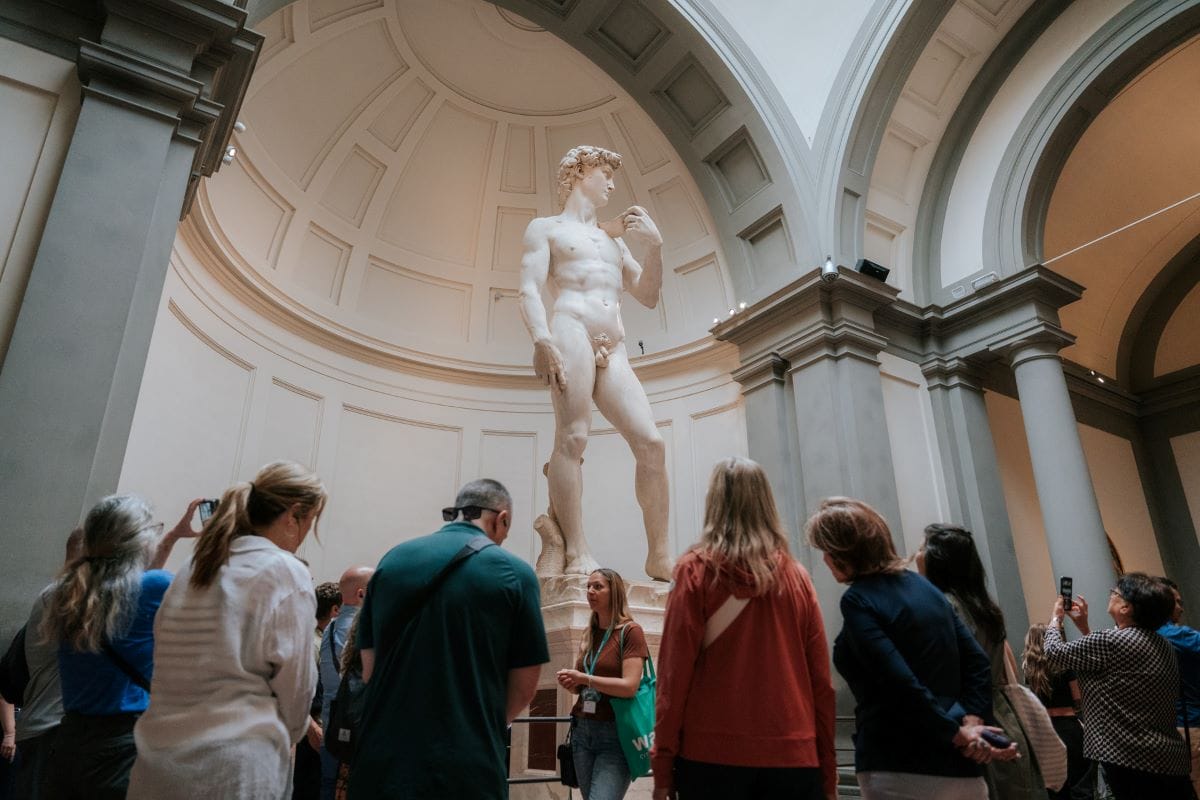
If you love combining culture with a little retail therapy, the Best of Florence Walking Tour with David & the Duomo is an ideal choice.
This expertly guided experience blends Florence’s most iconic sights with its rich shopping heritage, taking you from world-famous landmarks like the Duomo and Ponte Vecchio to a local leather market where you’ll learn what makes Florentine craftsmanship so special. It’s a perfect way to see the city’s highlights while discovering how history, art, and artisan traditions still shape Florence today.

Book a Tour

Pristine Sistine - The Chapel at its Best
€89

1794 reviews

Premium Colosseum Tour with Roman Forum Palatine Hill
€56
850 reviews
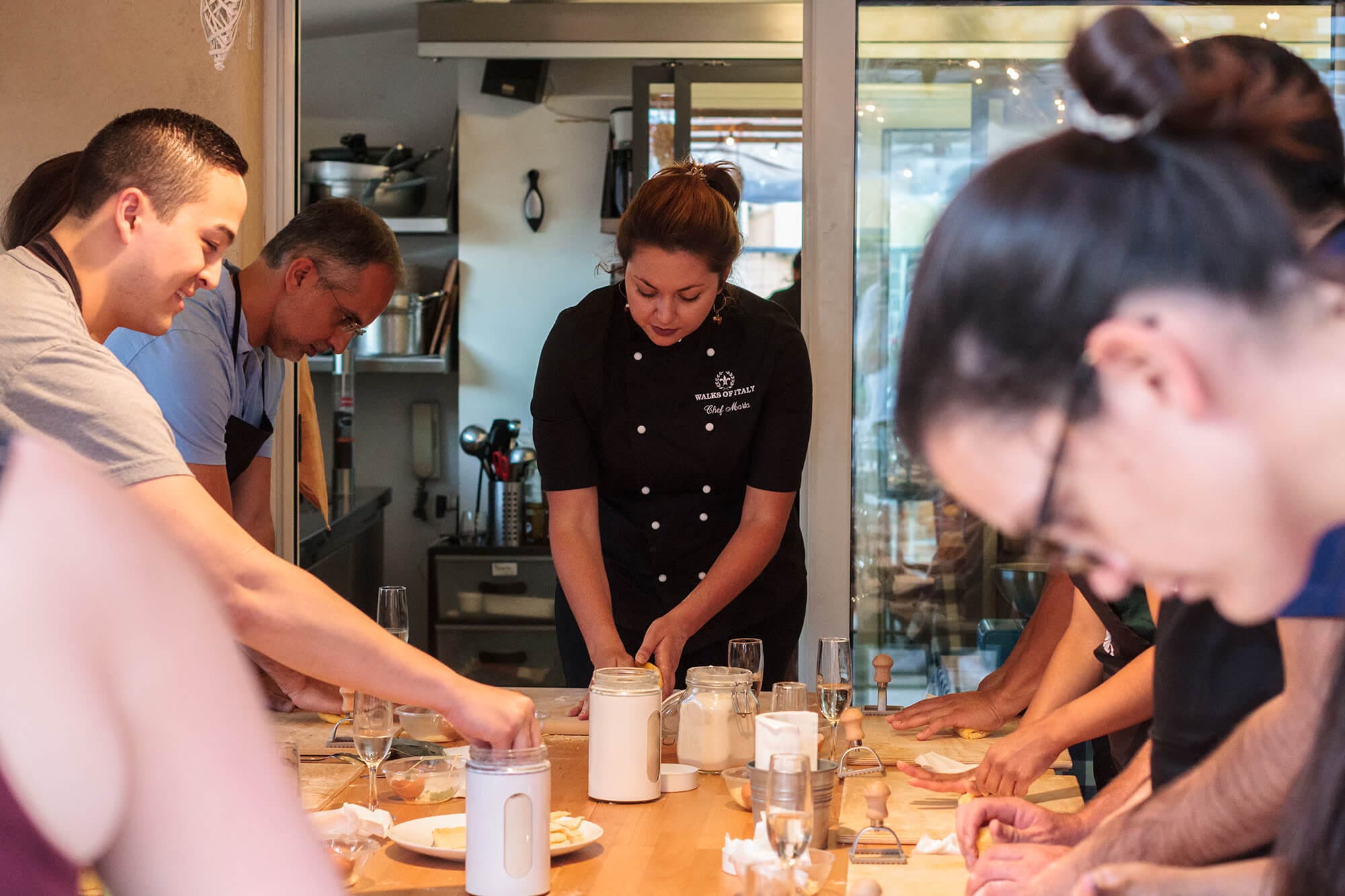
Pasta-Making Class: Cook, Dine Drink Wine with a Local Chef
€64
121 reviews

Crypts, Bones Catacombs: Underground Tour of Rome
€69
401 reviews

VIP Doge's Palace Secret Passages Tour
€79
18 reviews

Legendary Venice: St. Mark's Basilica, Terrace Doge's Palace
€69
286 reviews
Follow us
Stay up to date with travel tips, local insights and all things Italy on our social channels!


Subscribe to our Newsletter
Get curated Italy travel tips delivered to your inbox!
