

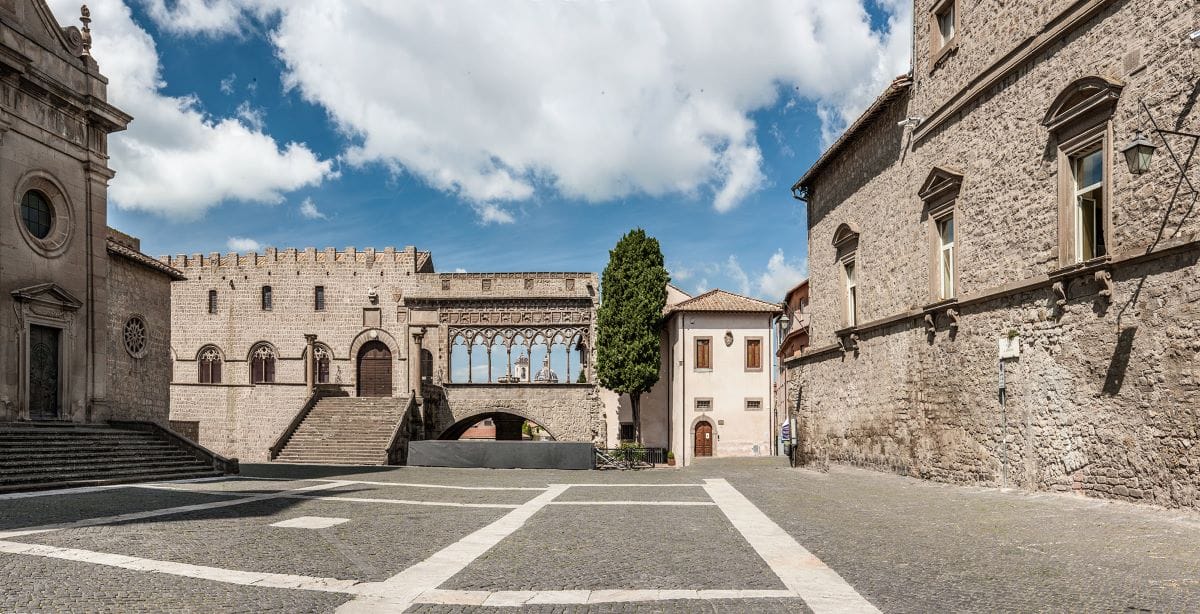
Just 90 minutes away from Rome lies a hidden gem steeped in religious history: Viterbo. Known as the “City of Popes,” this charming town in northern Lazio served as a papal refuge during turbulent times and played a pivotal role in shaping church traditions, including the papal conclave. With the magnificent Viterbo Papal Palace, medieval architecture, and soothing hot springs, Viterbo offers pilgrims and tourists both spiritual and cultural experiences. Discover why this off-the-radar destination deserves a spot on your itinerary.
Viterbo, the City of Popes
One of the first things you might notice upon arriving in Viterbo, Italy are the thick medieval walls surrounding the Old Town. There are several intact gates from which to enter the city. The walls were erected in the 11th and 12th centuries, particularly when a series of popes in the 12th-century began retreating here. In fact, they used the Viterbo Papal Palace as a de facto Vatican when they couldn’t maintain their power in Rome.
Strolling the maze of winding streets, you might be one of the few non-locals around. The medieval street plan is anything but: they’re winding, curved, diagonal, and sometimes lead to nowhere or a dead end. The lack of order in the street plan reflects the fact that, at times, during the Middle Ages, there wasn’t a central authority to dictate or organize city planning, so locals were given the liberty to create a street in any direction or size that they pleased.
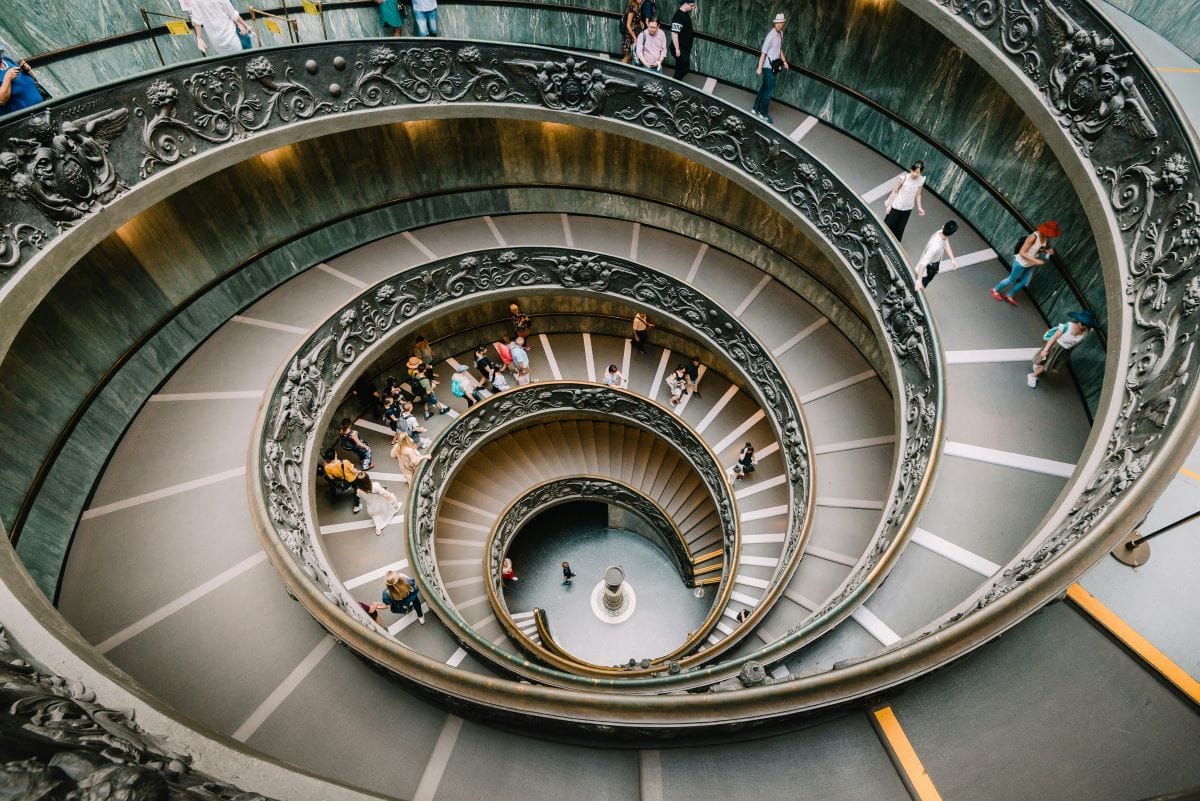
The twisting streets in Viterbo may start to remind you of other winding architectural features… Photo credit: Reuben Teo
The Origins of Viterbo Papal Palace
The town of Viterbo saw a slew of Papal activity between Pope Eugene III in the 1140s and Martin IV who died in 1285. Indeed, these popes spent months on end here. They excommunicated supposed heretics and individuals who threatened their power. So, since Viterbo became such a Papal mainstay, they eventually built a home that would befit such an emissary.
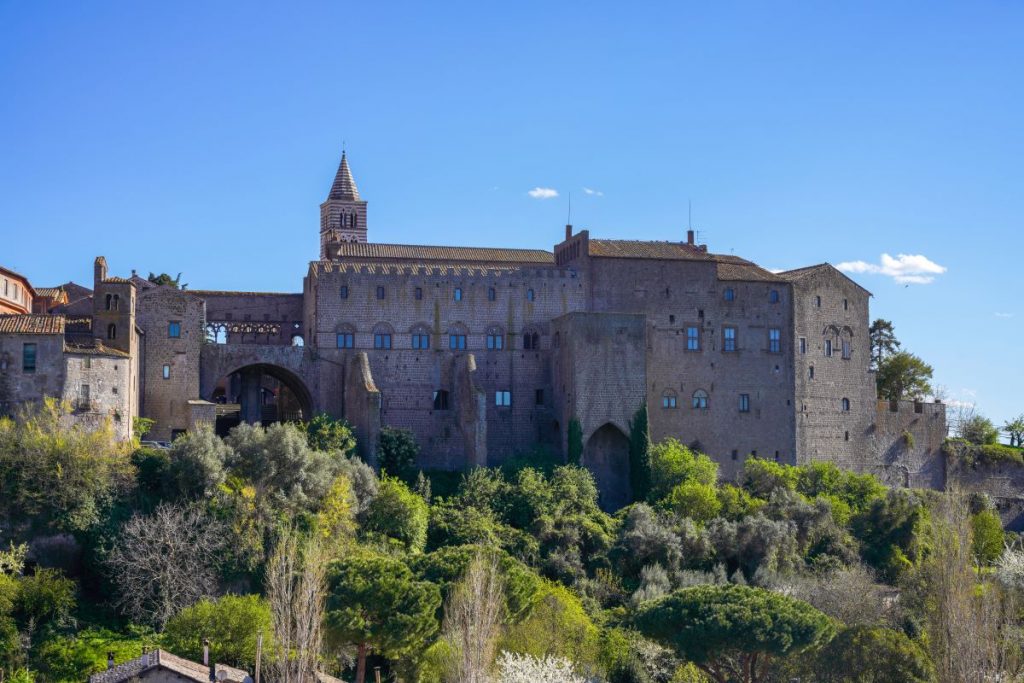
The Papal Palace, or Palazzo dei Papi, was created when the Papal Curia officially moved from Rome to Viterbo in 1257. They took the Bishop’s Palace and enlarged it. All in all, eight different popes took up official residency in the Viterbo Papal Palace.
Viterbo became the official residence of the pope from 1257 until 1281, making it one of the most powerful towns in Europe during that time. For this reason, when you stroll the streets of Viterbo, one is wowed by the immense Gothic architecture that is strewn around the city, from churches to palaces to towers or ordinary houses.
Site of the First Papal Conclave
It often took months and months to elect a new pope. While the election of a new pope was happening in Viterbo in 1268, it took the cardinals two years and three months to come to a decision.
But before the marathon election concluded, some Viterbo citizens had lost patience and took the keys to the gates of the city walls and locked the cardinals inside until they elected someone. A new word was invented after that: conclave, which comes from the lad cum clave, or “with key.”
They then took further action by removing the roof of the papal palace to expose the voting cardinals to the elements. It didn’t take them long after that to elect Gregory X as the new pope. One of Gregory’s first actions was to set new rules for the election of a pope: as they still are today, cardinals are confined to a room until they agree on a papal successor.
Things to do in Viterbo
Visit the Viterbo Papal Palace
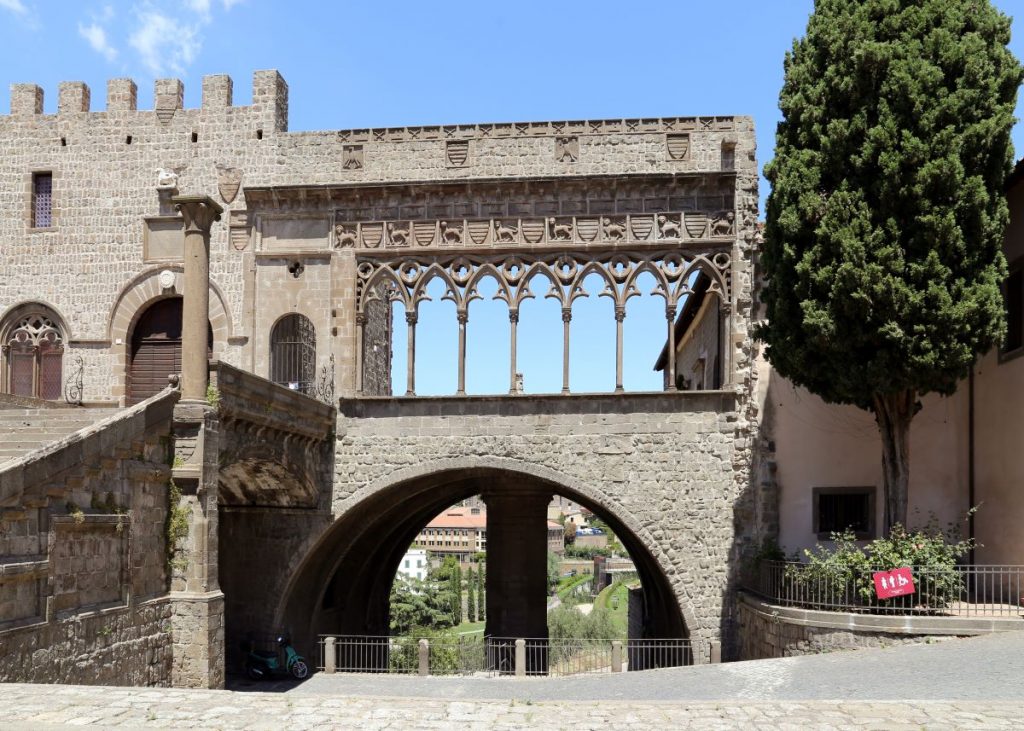
Today, visitors can tour the Viterbo Papal Palace and explore one of the city’s most important historic landmarks at their own pace. The visit includes access to the elegant Sala del Conclave, where the famous papal election once took place, as well as other restored ceremonial rooms and parts of the medieval complex.
From its arched loggias to its peaceful courtyards, the palace offers a well-preserved glimpse into medieval architecture and is easily visited as part of a walk through Viterbo’s historic centre.
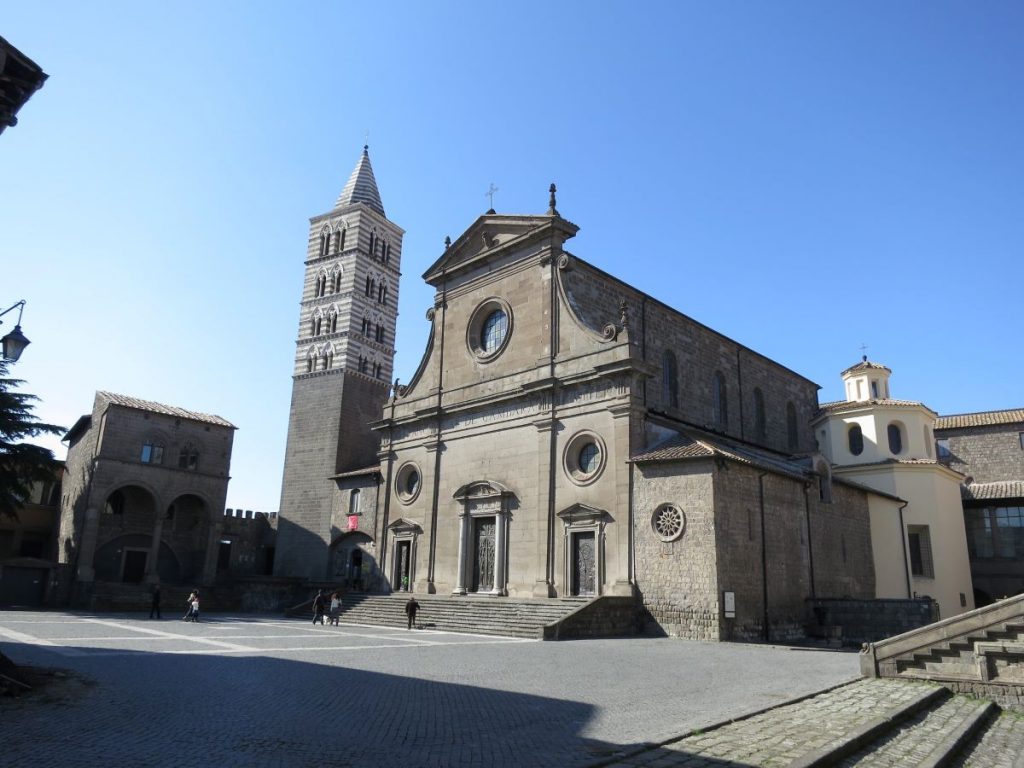 Legend has it that Viterbo cathedral was built on the site of the temple of Hercules. Photo credit: Superdealer 100
Viterbo Cathedral and City Walls
The Cathedral of San Lorenzo is one of Viterbo’s most important religious landmarks and is open to visitors throughout the year. Inside, you can explore its striking Romanesque interior, admire beautifully preserved frescoes, and step onto the cathedral square, which offers sweeping views across the historic centre.
Just a short walk away, large sections of the medieval city walls still surround the old town, with several accessible viewpoints and gates that give a clear sense of Viterbo’s defensive past. Together, the cathedral and city walls offer an easy and rewarding way to experience the city’s historic heart on foot.
Terme dei Papi: A Bath Fit for a Pope
The surrounding landscape of Viterbo is rich in natural hot sulfur springs, long valued since Roman times. Medieval popes are known to have made use of these therapeutic waters, helping establish the area’s enduring reputation as a place of healing and rest.
Apparently, the first was Nicolas V who was so impressed with how he felt after bathing in the sulfur springs outside of Viterbo, he had a palace built right on top of them in 1450.
Today, visitors can experience the Terme dei Papi (Baths of the Popes), a modern spa complex located just outside Viterbo, where natural thermal waters still flow into large outdoor pools and spa facilities
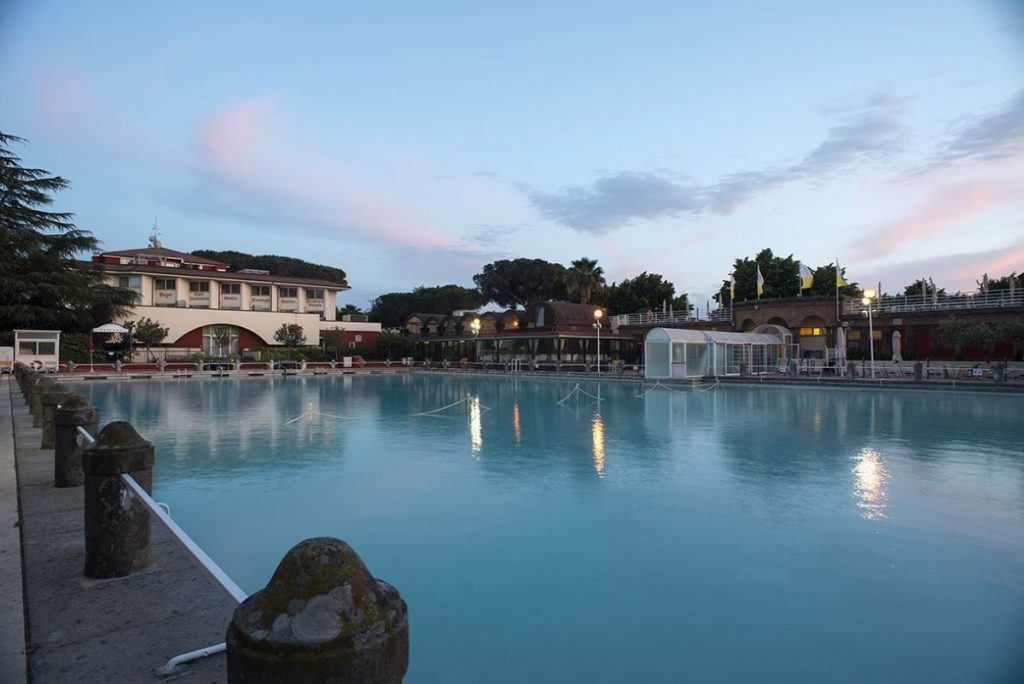
The famed pool of Bulicame
If you don’t want to bathe in such a formal setting, there are other baths around Viterbo that are worth a dip. The most famous one is Bulicame, located in a field some 1.5 miles, or a 20-minute walk, west of the walls of Viterbo. Even Dante mentioned Bulicame.
In Canto XIV of “Inferno,” the first book of his “Divine Comedy,” Dante (the character in the book) strolls past a pool of boiling water in hell and it reminds him of Bulicame, “whose waters are shared with prostitutes.”
Today you won’t find any prostitutes here. You also won’t find an entrance fee, or towel service, nor a concession stand. You just walk up with your own towel, and ease your way into the water which flows from the earth at 58 degrees Celsius (that’s 136 degrees Fahrenheit).
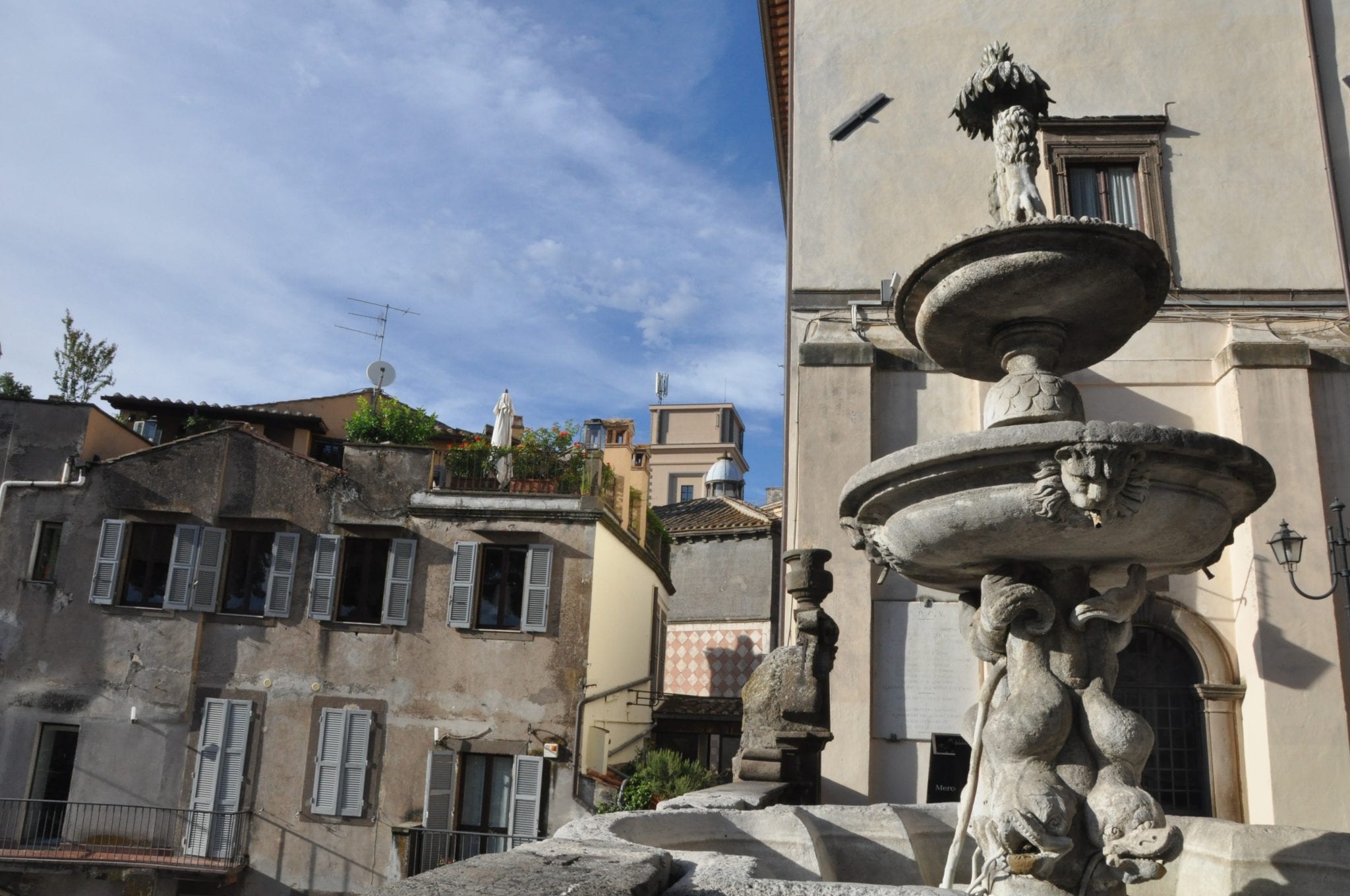
Take a day trip from Rome to see the town of Viterbo
Where to Eat in Viterbo, Italy
When all that sightseeing and spa-going induces an appetite, Viterbo is not short on great places to eat. The food of northern Lazio can be hearty, thanks to the fact that wild boar are a common sight in the hills and forests in the region and hazelnut groves are in abundance.
And because this is Lazio, with Rome being the capital, expect to find a lot of local staples on menus, too, such as the famous Roman pastas carbonara, gricia, cacio e pepe, and amatriciana.
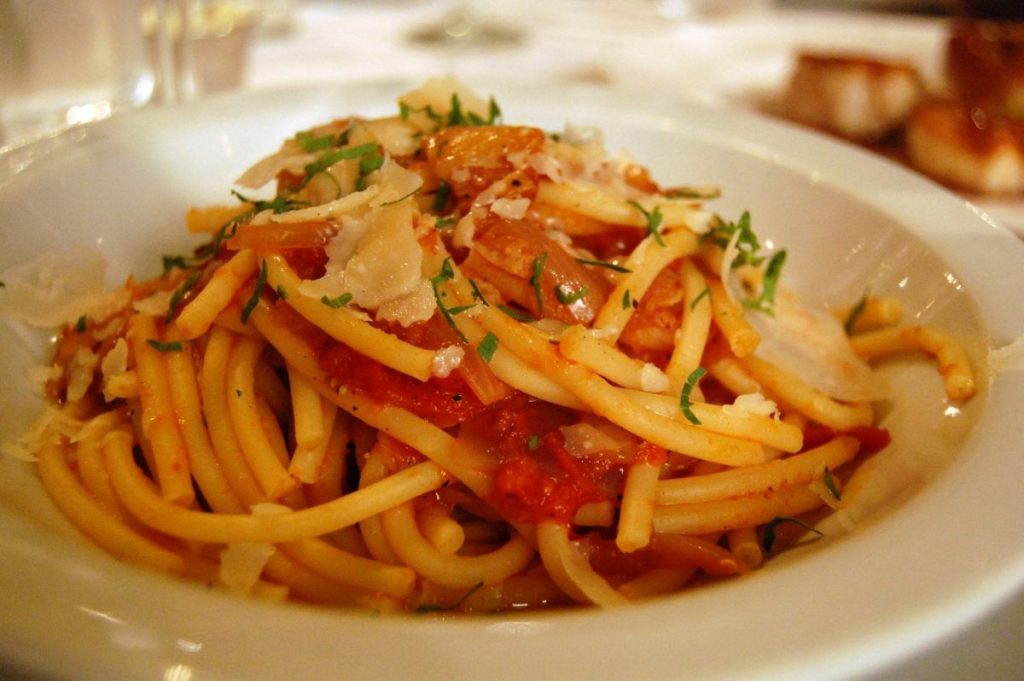
Taverna Etrusca: Specializing in the cuisine of Tuscia, the subregion in northern Lazio, Taverna Etrusca is an ambient and local eatery for excellent but no-fuss staples of pasta, pizza, and hearty dishes. Expect local pasta shapes topped by sauces laced with hazelnuts or wild boar ragù, and other typical local delights.
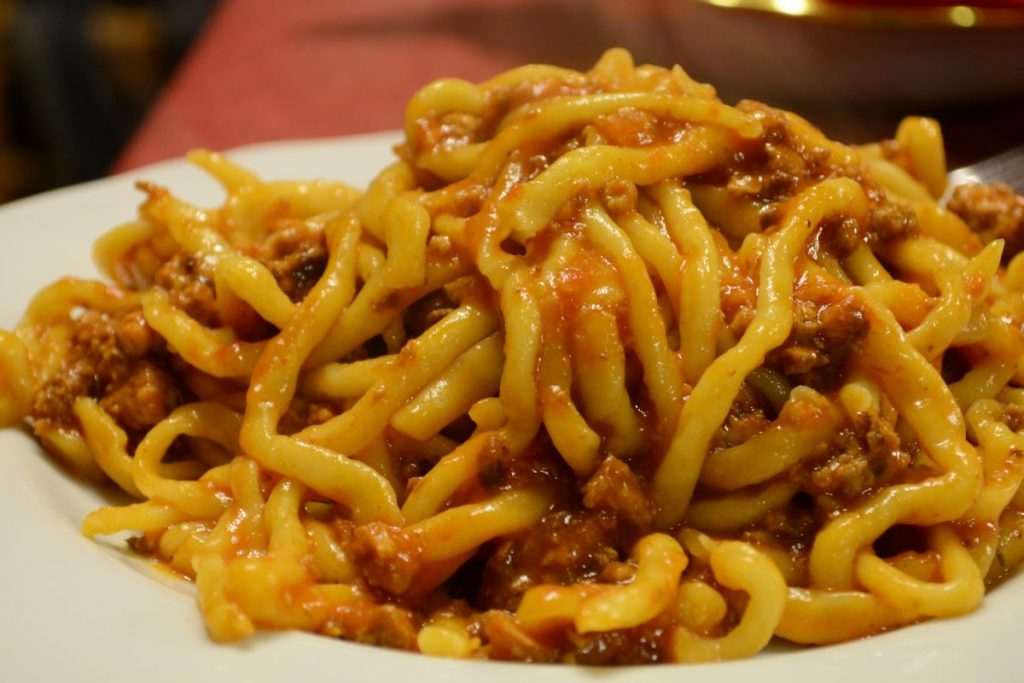
Antica Taverna: If you’re in the mood for some serious Italian meats, particularly beef, head to Antica Taverna in the center of Viterbo. Here you can feast on various thick cuts of meat all grilled over a fire and arriving at your table sizzling and juicy.
Osteria del Vecchio Orologio: This place has been whipping up high-quality fare inspired by the landscape of northern Lazio since 1966. Opt for dishes with susianella, a local cured salami from Viterbo. There is also a lot of lake fish, pulled from nearby Lake Bolsena, and homemade pastas paired with wild boar that roam the countryside of the area. The restaurant is located within the old walls of Viterbo, Italy.
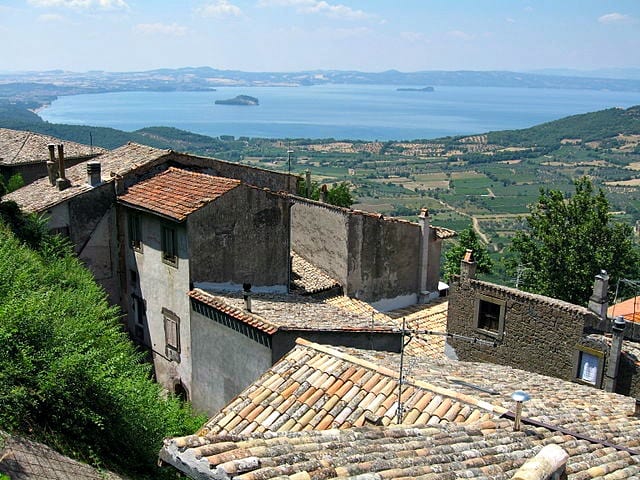
Spectacular view of Lake Bolsena. Photo by Cproesser
FAQs – Viterbo Papal Palace
How do I get to Viterbo from Rome?
Viterbo, a 90-minute drive or train ride north of Rome, is the capital of the off-the-radar Tuscia region in northern Lazio. Trains depart regularly from Rome’s Termini or Ostiense stations, taking about 90 minutes. Driving is also an option, with scenic routes leading to the town.
Is Viterbo family-friendly?
Absolutely! Families will enjoy the medieval streets, the historical sites, and even a dip in the natural hot springs. There’s plenty to explore for all ages.
How much time should I spend in Viterbo?
A day trip is sufficient to explore the highlights, including the Papal Palace, medieval streets, and a meal at one of Viterbo’s excellent restaurants. However, staying overnight allows time for a relaxing visit to the hot springs.
Can I tour the Papal Palace?
Yes, the Palazzo dei Papi (Papal Palace) is open to visitors. We recommend taking a guided tour if you want insights into the Viterbo Papal Palace’s history, architecture, and significance.
Are the hot springs near Viterbo open to the public?
Yes! The famous Terme dei Papi (Baths of the Pope) and other natural hot springs like Bulicame are open to visitors. They offer both spa-like facilities and free, natural pools.
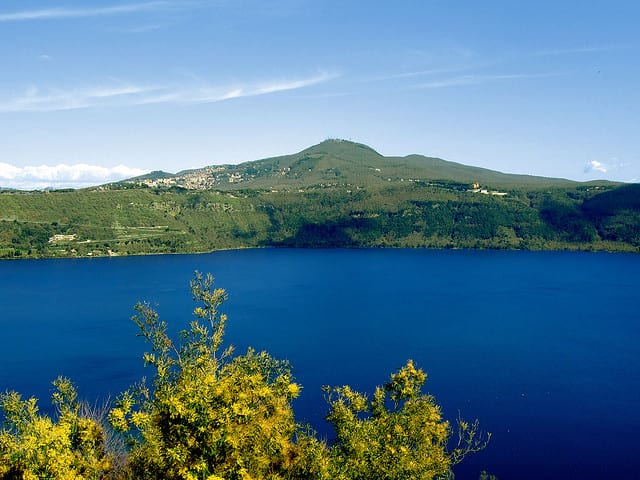
Albano lake and the pope’s castle outside of Rome
If your visit to Viterbo has sparked a desire to explore more of the region, there’s plenty more waiting just a short journey away.
From the spiritual grandeur of the Vatican to the rolling landscapes and historic towns of Lazio, this part of Italy is filled with unforgettable experiences beyond the city walls. For expertly guided experiences in Rome, explore our Vatican City tours, or discover inspiration for wider exploration with our guide to things to do in Lazio.
Whether you’re interested in history, culture, or simply seeing more of Italy at an easy pace, these journeys are the perfect way to continue your adventure.

Book a Tour

Pristine Sistine - The Chapel at its Best
€89

1794 reviews

Premium Colosseum Tour with Roman Forum Palatine Hill
€56
850 reviews

Pasta-Making Class: Cook, Dine Drink Wine with a Local Chef
€64
121 reviews

Crypts, Bones Catacombs: Underground Tour of Rome
€69
401 reviews

VIP Doge's Palace Secret Passages Tour
€79
18 reviews

Legendary Venice: St. Mark's Basilica, Terrace Doge's Palace
€69
286 reviews
Follow us
Stay up to date with travel tips, local insights and all things Italy on our social channels!


Subscribe to our Newsletter
Get curated Italy travel tips delivered to your inbox!

