

Top 7 Italian Opera Houses: Milan’s La Scala to the Arena di Verona
November 1, 2026
From Pavarotti to Verdi and Puccini, opera is one of Italy’s most celebrated arts…and some of the country’s gorgeous opera houses can event be considered masterpieces themselves! Check out the pictures of our top 7 Italian opera houses that will surely have you dreaming of dressing up and heading to a performance.
Top Italian Opera Houses

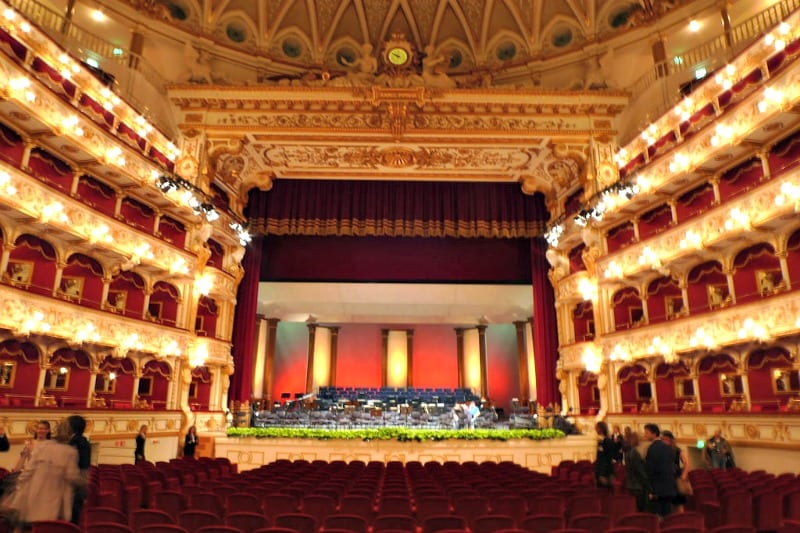
La Scala Opera House. Photo credit: John Picken on Flickr
1. Teatro alla Scala – Milan
Milan’s opera house, Teatro alla Scala, is one of the world’s most celebrated theatres, renowned for its neoclassical architecture, elegant interior, and long history of outstanding performances. Designed by architect Giuseppe Piermarini, it opened in 1778 and was heavily damaged by Allied bombing during World War II. After reconstruction, it reopened in 1946 and underwent a major restoration and modernisation between 2002 and 2004.
Since 1951, La Scala’s opera season has traditionally opened on December 7, the feast day of Milan’s patron saint, Sant’Ambrogio. Tickets for popular performances can sell out well in advance, so book early if you hope to attend a show. Alternatively, visit the La Scala Museum, which offers a fascinating introduction to the theatre’s history and, when conditions allow, a view into its magnificent auditorium.
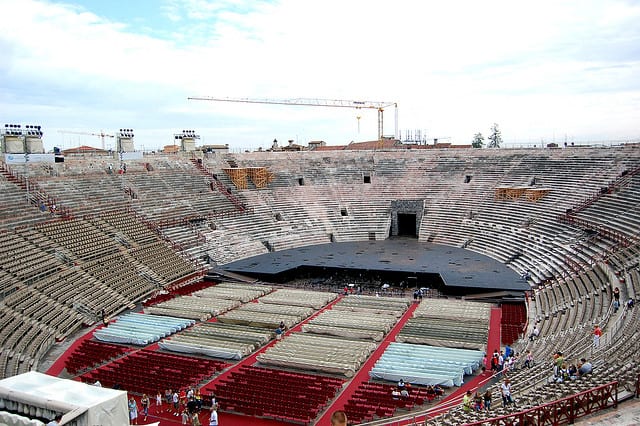
Arena di Verona. Photo credit: McPig on Flickr
2. Arena di Verona – Verona
Feel the history of the 2,000 year-old Roman arena as you experience an unforgettable outdoor opera performance when the Arena di Verona comes alive in the summer.
Considered the be the largest stage in Europe, the arena is not technically an opera house, but it is a fabulous place to enjoy international opera performances.

La Fenice. Photo credit: Steve Collis on Flickr
3. Teatro La Fenice – Venice
Literally translated as “The Phoenix”, the opera house is known for its resilience after surviving 2 fires.
In 1996, Woody Allen and many other influential celebrities and politicians came together in order to restore the theater that was home to musicians including Beethoven and Wagner and preserve its rich culture after its second devastating fire.
More gorgeous than ever before, La Fenice attracts music lovers from all over the world for its acclaimed New Year’s Eve concert.

Teatro Carlo Felice. Photo credit: Jensens on Wiki commons
4. Teatro Carlo Felice – Genoa
Carlo Felice’s modern and neoclassical architecture makes it stand out from other Italian opera houses and it’s acoustics are some of the best in the world.
The theater was designed to reflect its home city, giving visitors the feeling of watching the performance from a large piazza and its narrow balconies similar to the Genoa’s winding streets.

Teatro San Carlo. Photo credit: Pietro Motta on Flickr
5. Teatro di San Carlo – Naples
Inaugurated in 1737, the majestic theater is the oldest surviving opera house in Italy and is known for its huge size. It’s location adjacent to Naples’ Palazzo Reale is not coincidental – the San Carlo theater was designed to be connected to the palace so that the royal family would have direct access to the performances.

Teatro Massimo. Photo credit: queulat00 on Flickr
6. Teatro Massimo – Palermo
Even if you’ve never been to Palermo, you may have already recognized this belle époque theater built for King Vittorio Emanuele from its appearance in the Godfather III. The enormous opera house is one of the largest in Europe and is known for its excellent acoustics.

Teatro Petruzzelli. Photo credit: vob85 on Wikicommons
7. Teatro Petruzzelli – Bari
A common theme between these theaters is that they have been destroyed and rebuilt, but what makes this stunning theater special is that it is one of the few privately owned opera houses in Italy. The Petruzzeli Family takes great pride in supporting the arts and internationally acclaimed artists including Frank Sinatra and Ray Charles have graced the stage.
FAQs – Italian Opera Houses
Do you need to understand Italian to enjoy an opera in Italy?
No. Many opera performances use subtitles, often in Italian and English, displayed above or beside the stage. Check the venue’s website to see which languages are available for your chosen performance.
What should you wear to an Italian opera house?
Smart casual clothing is generally a safe choice for most performances, although dress expectations can vary by venue and event. For an opening night or gala, such as La Scala’s famous December 7 season premiere, guests often dress more formally. Check the venue’s guidance when booking.
Can you visit Italian opera houses without attending a performance?
Yes. Several Italian opera houses offer daytime guided tours or museum visits, allowing you to admire their architecture and interiors without buying a performance ticket. Availability and access vary, so check the official website of the opera house you want to visit and book ahead where necessary.
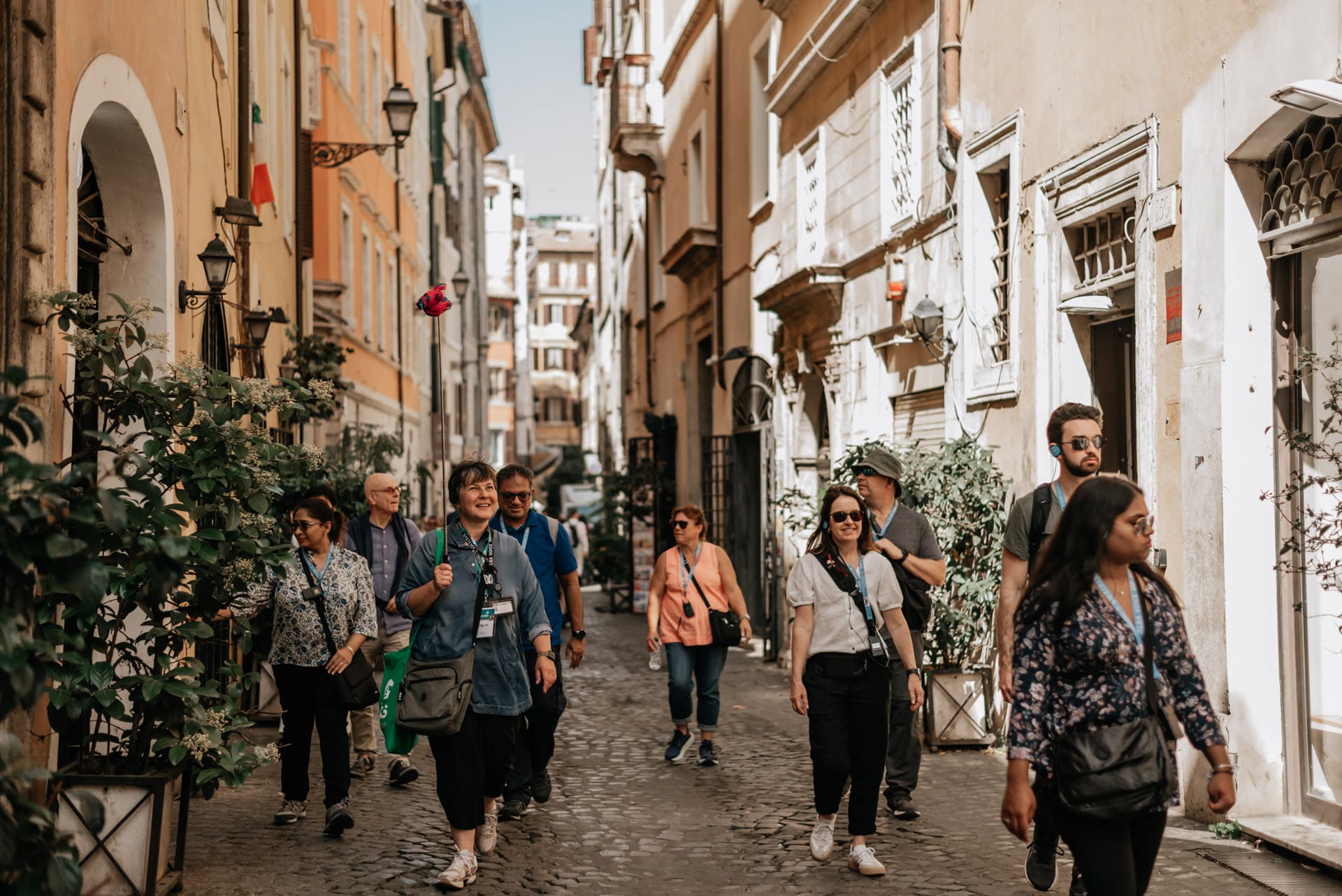
Discover Italy Beyond the Opera House
Italy’s opera houses are just one part of the country’s extraordinary cultural heritage. From ancient Roman ruins and Renaissance masterpieces to hidden neighbourhoods and local food traditions, there’s so much more to discover. Join a Walks of Italy guided tour to explore the country’s most fascinating cities with expert local guides who bring their history, art, and culture to life.
Book a Tour

Pristine Sistine - The Chapel at its Best
€89

1794 reviews

Premium Colosseum Tour with Roman Forum Palatine Hill
€56
850 reviews
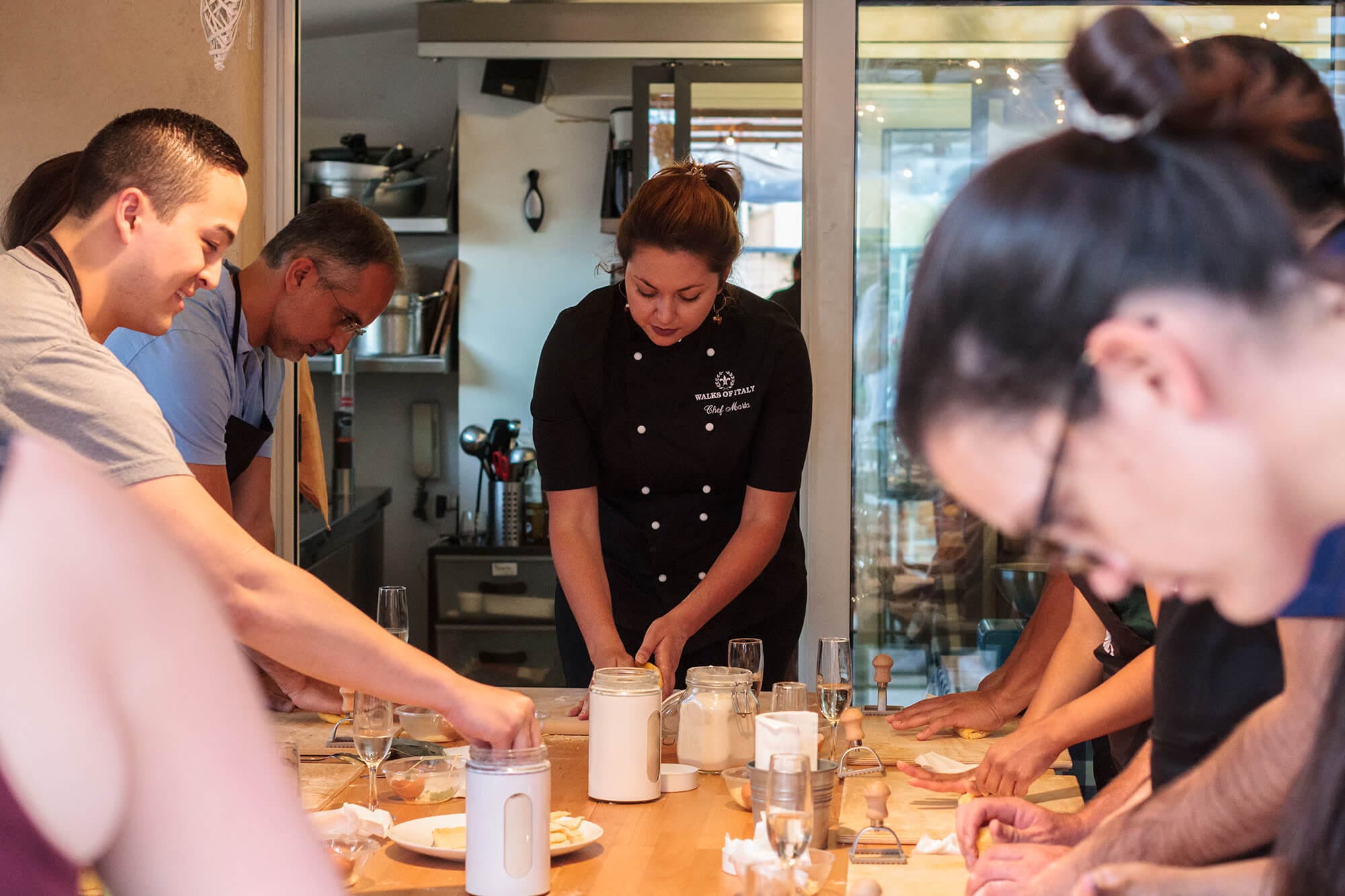
Pasta-Making Class: Cook, Dine Drink Wine with a Local Chef
€64
121 reviews

Crypts, Bones Catacombs: Underground Tour of Rome
€69
401 reviews

VIP Doge's Palace Secret Passages Tour
€79
18 reviews

Legendary Venice: St. Mark's Basilica, Terrace Doge's Palace
€69
286 reviews
Follow us
Stay up to date with travel tips, local insights and all things Italy on our social channels!


Subscribe to our Newsletter
Get curated Italy travel tips delivered to your inbox!

Show Comments