
The Papal Conclave: The Dramatic Process of Electing a New Pope
May 22, 2026
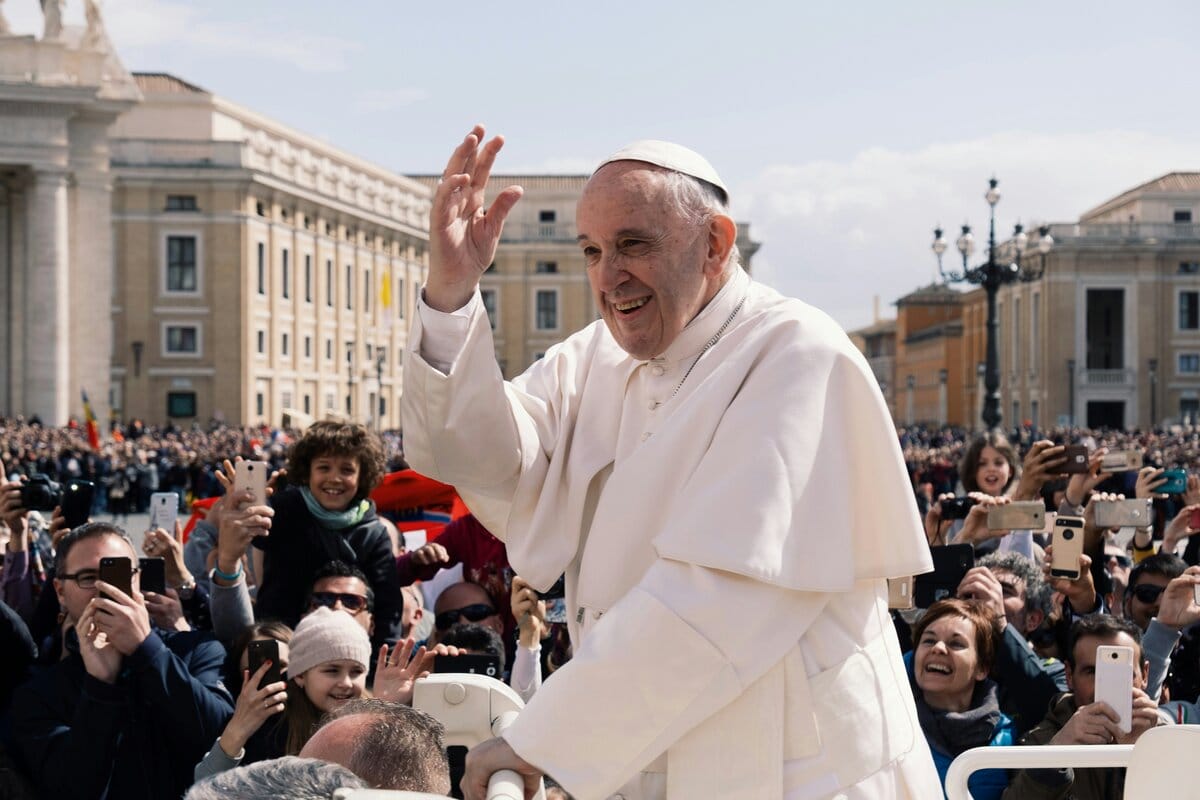
Pope Francis faithfully led the Catholic Church, but as he reached the age of 88 and his health declined, the time ultimately arrived for the Church to turn once more to its centuries-old tradition: the papal conclave to choose his successor.
With the election of Pope Leo XIV in 2025, the world’s attention once again turned to one of the Vatican’s oldest and most secretive traditions: the papal conclave. Held behind the locked doors of the Sistine Chapel, this centuries-old process is how the Catholic Church chooses a new pope, and despite modern technology, it remains deeply ritualistic, intensely private, and steeped in symbolism.
Now that the white smoke has cleared and a new pope has been chosen, there’s never been a better time to understand how this extraordinary event works. Whether you followed the election of Pope Leo XIV closely or are simply fascinated by Vatican history and tradition, learning about the conclave adds a whole new layer of appreciation to any visit.
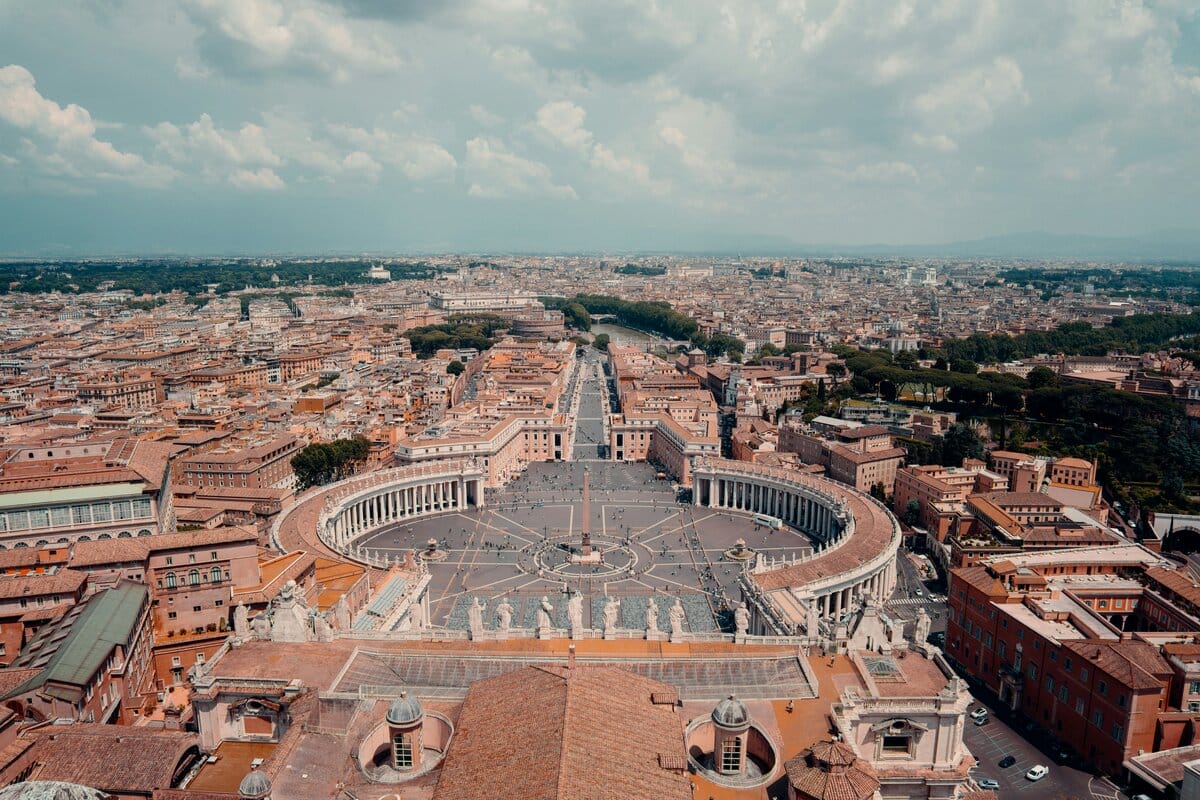
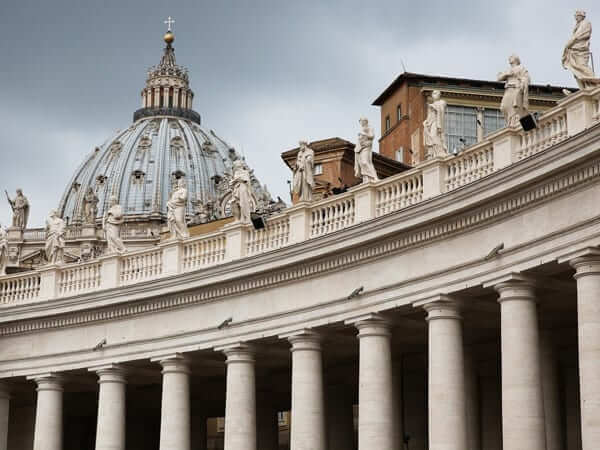
A bird´s eye view of Vatican City and St Peter´s Square, from the dome of St Peter’s Basilica. (Photo Credit: Unsplash)
What is a papal conclave?
A papal conclave is the process by which the College of Cardinals elects a new pope. The term comes from the Latin cum clave, meaning “with a key,” referencing the tradition of locking the cardinals away in seclusion until they reach a decision. The papal conclave ensures the selection is made free from external influence and is seen as a sacred act guided by the Holy Spirit.
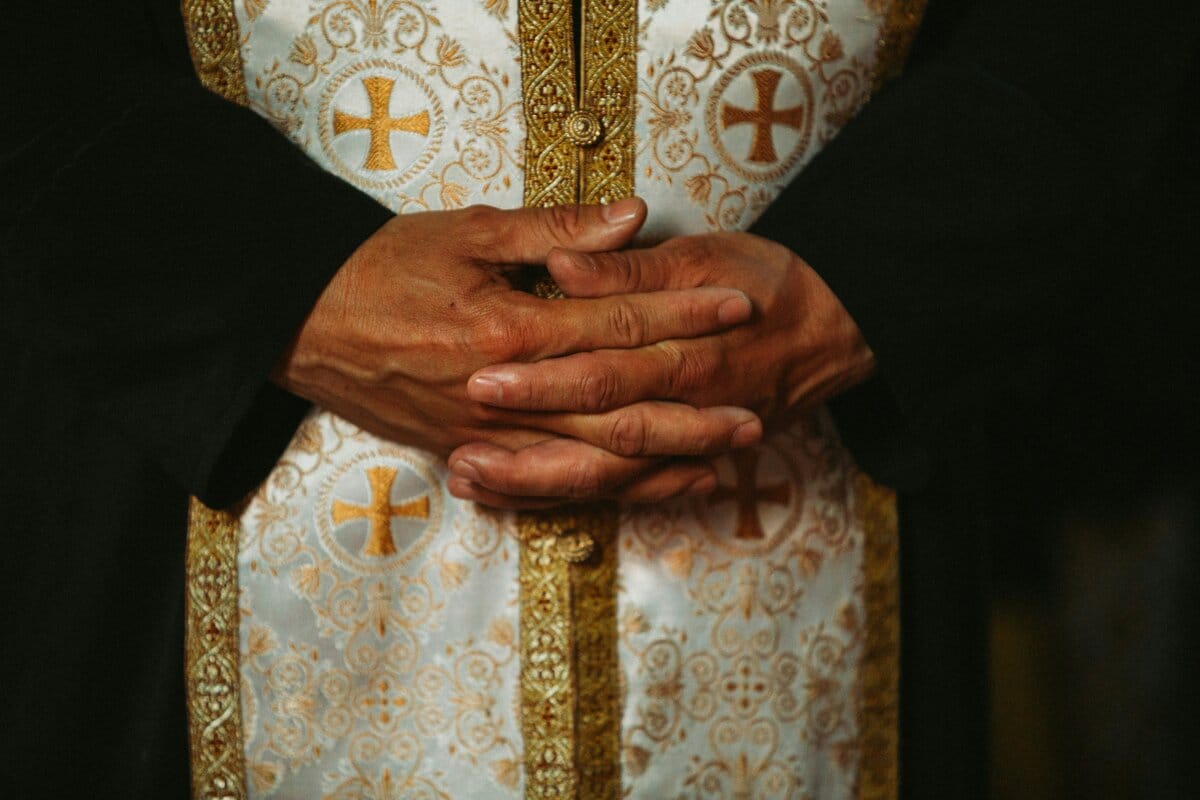
The College of Cardinals has the responsibility for electing a new pope. (Photo credit: Unsplash)
Have papal conclaves always been the way to elect a new pope?
No. In the early centuries of the Church, popes were chosen in various ways. The selection often involved clergy and laypeople in Rome, but this sometimes led to conflicts, political interference, and lengthy delays in naming a successor.
The longest delay occurred after the death of Pope Clement IV in 1268 when the election process dragged on for nearly three years. To resolve this issue, the Second Council of Lyons in 1274 formalized the papal conclave system. This new rule required cardinals to be secluded in a locked room to speed up the decision-making process.
Fun fact: If they didn’t reach a decision quickly, their food rations were reduced, a rule that proved effective, as conclaves became significantly shorter thereafter.
Are papal conclaves always held in the Sistine Chapel?
Not always, but they have been for the past several centuries. The Sistine Chapel was first used for a papal conclave in 1492, and since 1878, every conclave has been held there. The chapel’s breath-taking frescoes by Michelangelo, including the iconic The Last Judgment, provide a solemn and inspiring backdrop for the cardinals’ decision-making.
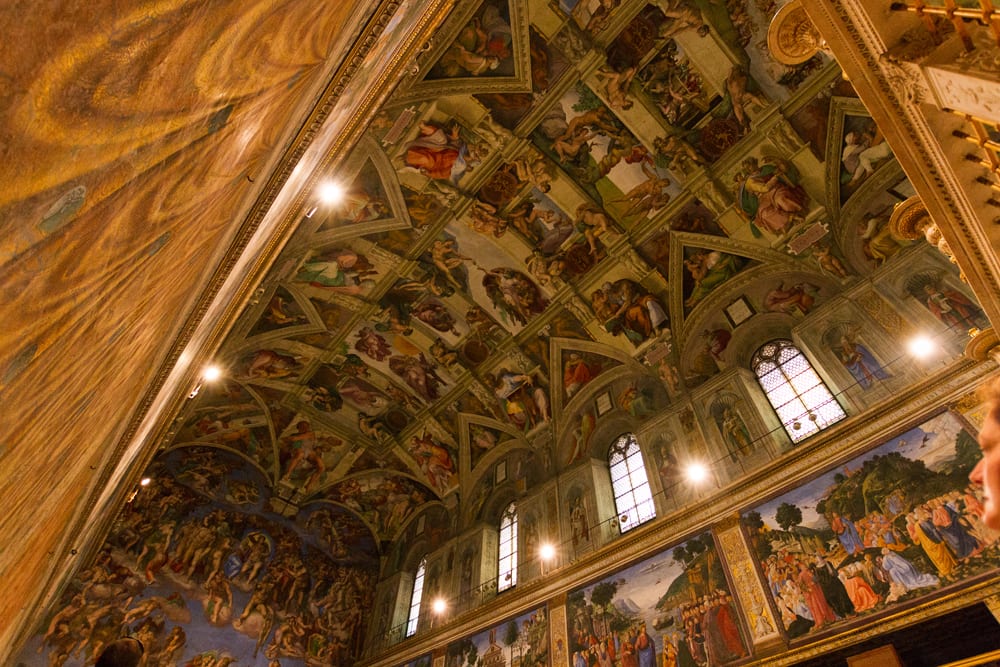
Since 1878, every papal conclave has been held in the Sistine Chapel
Before the 20th century, cardinals lived and slept in Vatican palaces during the papal conclave, often in uncomfortable conditions. That changed in 1996 when Pope John Paul II established the Domus Sanctae Marthae, a guesthouse within the Vatican where the electors now stay. However, they still conduct all voting and discussions in the Sistine Chapel.
Insider tip: If you ever visit Vatican City, a small group guided tour of the Sistine Chapel offers a chance to see the very room where history is made during each papal conclave.
Who’s eligible to be pope?
Contrary to popular belief, any baptized male Catholic can be elected pope. While it is almost always a cardinal, there is no formal requirement that the pope must come from within their ranks. The last time a non-cardinal was elected was in 1378, when Urban VI became pope.
Theoretically, even a layperson could be chosen, though this is highly unlikely given the Church’s longstanding tradition of selecting cardinals or high-ranking clergy.
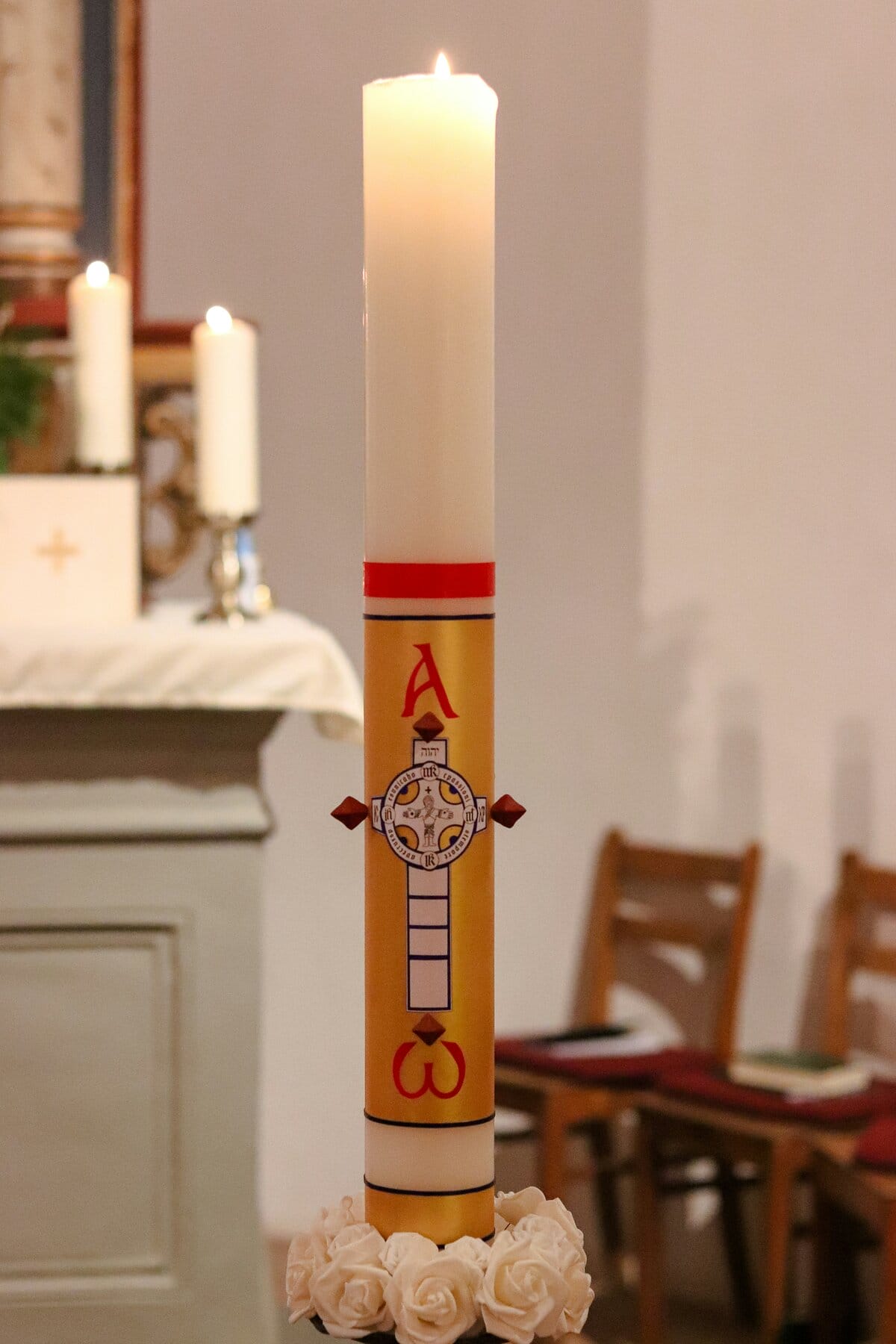
There is no formal requirement that the pope must come from the College of Cardinals – any baptized male can become pope! (Photo credit: Unsplash)
Who’s allowed to vote in the papal conclave?
Only cardinals under the age of 80 are eligible to vote in the papal conclave. As of today, there are 137 voting-eligible cardinals. The number of voting cardinals is typically capped at 120, but in exceptional cases, the Pope can exceed this number.
How does voting work in the papal conclave?
The election follows a structured process designed to maintain secrecy and fairness:
- Oath of Secrecy – Each cardinal takes an oath of absolute secrecy before voting begins. Any breach of secrecy results in automatic excommunication.
- Balloting – Each cardinal writes the name of their preferred candidate on a paper ballot, which is then folded and placed into a chalice.
- Vote Counting – The ballots are counted and verified. If no candidate receives a two-thirds majority, the votes are burned with a chemical additive to produce black smoke, signaling to the public that no decision has been reached.
- Repeating the Process – Two ballots are conducted each morning and afternoon. If no candidate secures a two-thirds majority after multiple rounds, the process may shift to a simple majority vote.
- Election of a New Pope – Once a cardinal receives the necessary votes, he is asked if he accepts the role. Upon acceptance, white smoke is released from the Sistine Chapel chimney, signifying to the world that a new pope has been chosen.
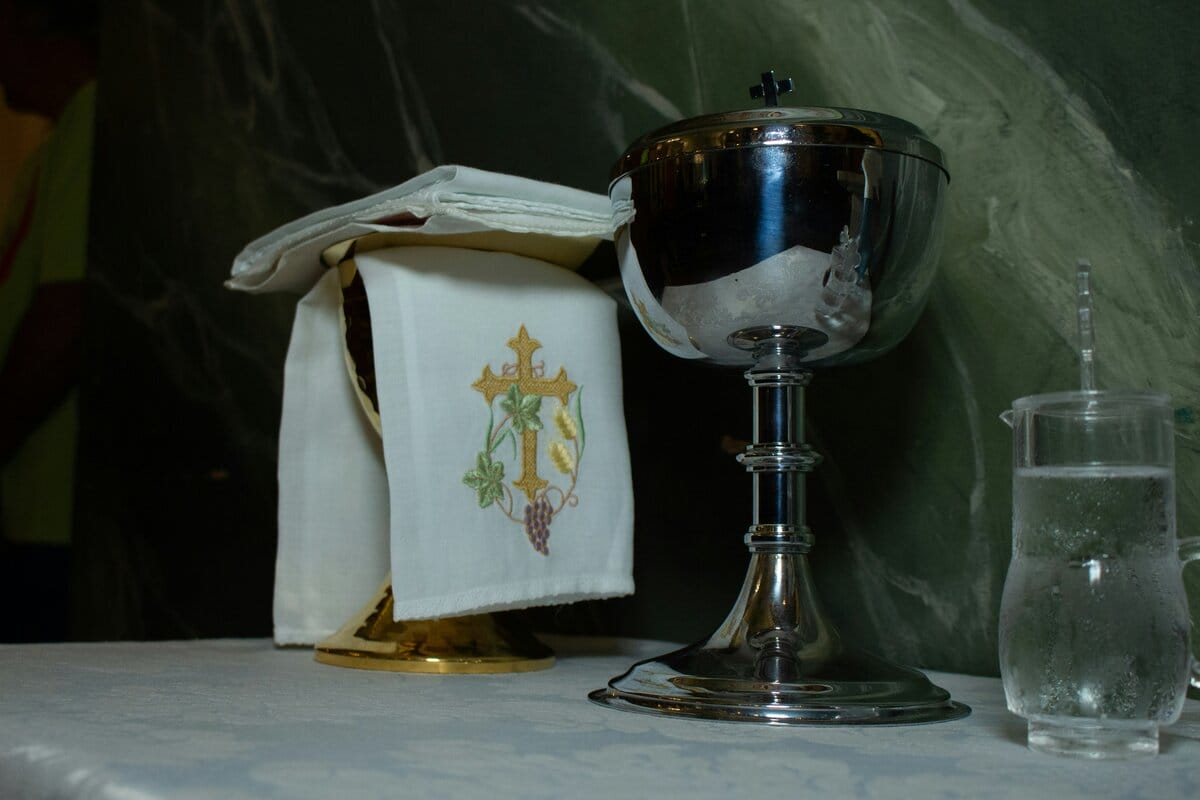
Cardinals under the age of 80 can vote in the papal conclave. (Photo credit: Unsplash)
How long does the papal conclave take?
The length of a papal conclave varies. Some elections conclude in a day, while others take longer. On average, modern conclaves last 2-5 days.
- Shortest conclave – Pope Julius II was elected in 1503 within a few hours.
- Longest conclave – The 1268-1271 conclave lasted nearly three years.
- Modern conclaves – Pope Benedict XVI was elected in 2005 after two days, and the papal conclave of Pope Francis in 2013 was completed after just over a day.
- Most recent conclave – Pope Leo XIV was elected in 2025 after just two days of voting, making it another relatively swift modern conclave, and marking the election of the first American pope in history.
What happens to the new pope when he’s elected?
Once elected, the new pope chooses a papal name, a tradition dating back to Pope John II in 533. He is then escorted to the Room of Tears in the Sistine Chapel, where he dons his white papal vestments. The Fisherman’s Ring, symbolizing the pope’s authority, is placed on his finger. The cardinals then pledge their obedience to the new pontiff.
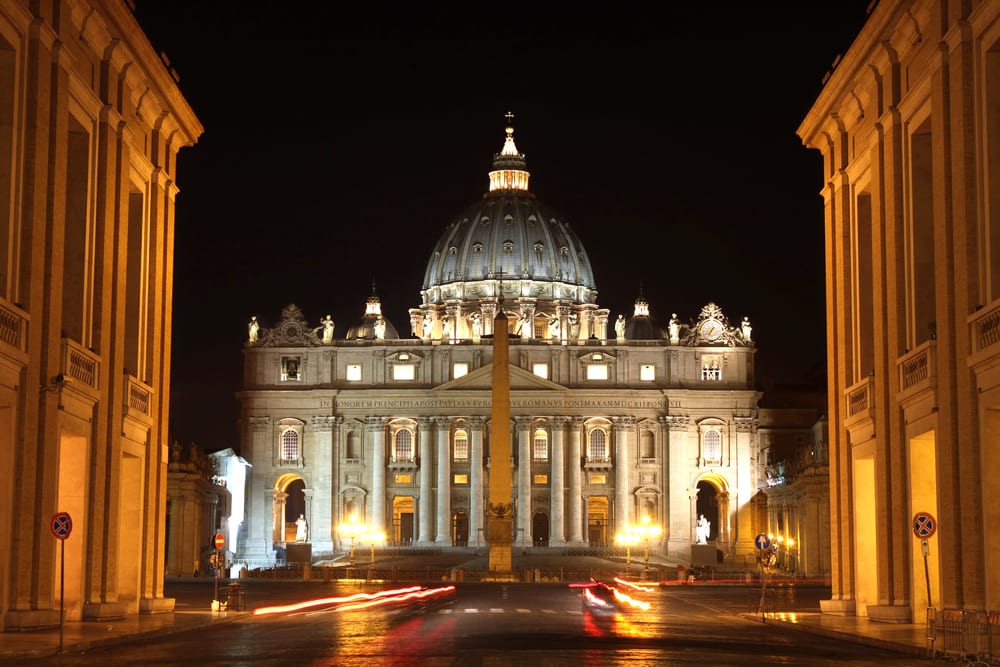
Shortly thereafter, the new pope is introduced to the world from the balcony of St. Peter’s Basilica, where he delivers his first address, known as the Urbi et Orbi (“To the city and the world”).
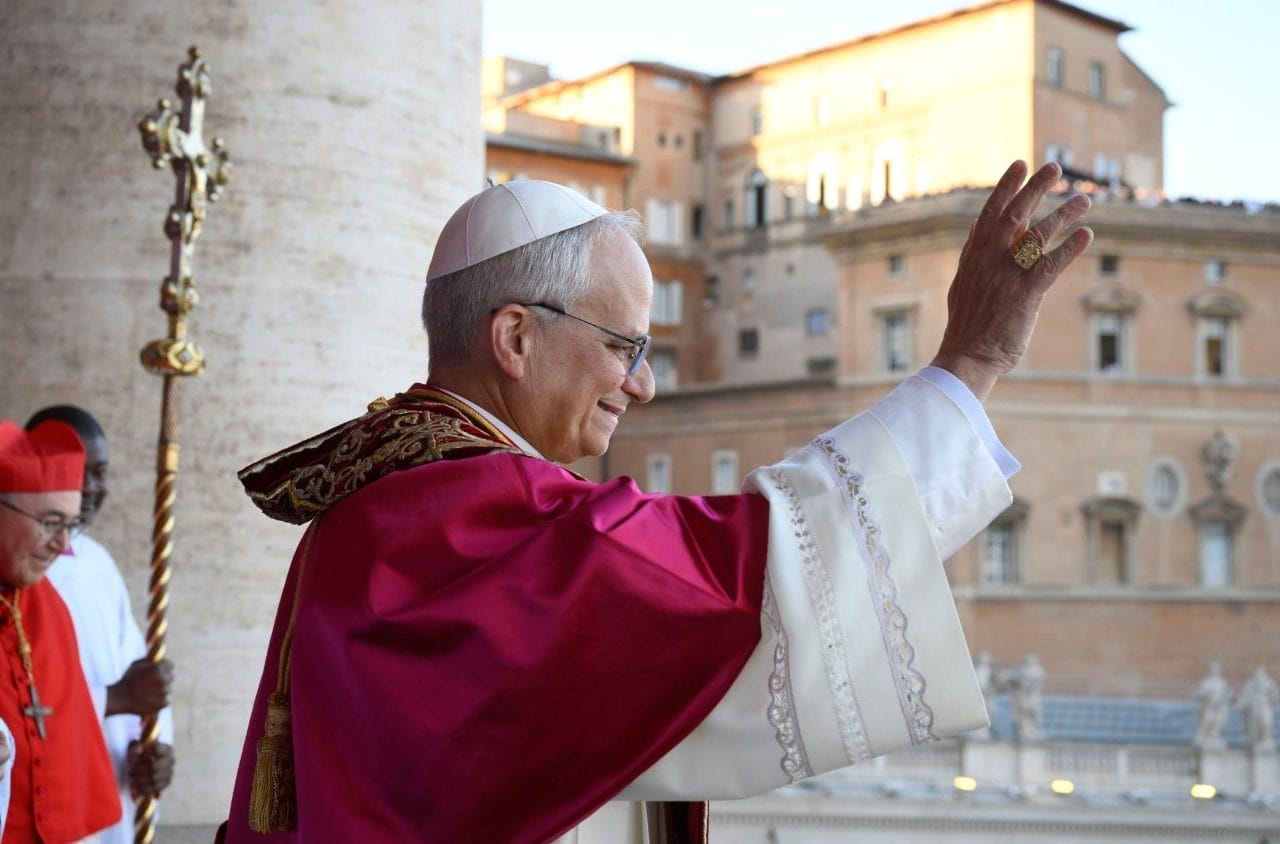
Pope Leo XIV appears on the balcony of St. Peter’s Basilica (@Vatican Media)
The papal conclave is not just an election; it’s a sacred tradition that has shaped the course of history for centuries. Understanding its process and significance adds a profound depth to any visit to Vatican City.
If you’re heading to Rome and the Vatican, don’t just pass through, experience it properly.
Stand beneath the soaring dome of St. Peter’s Basilica, step inside the breathtaking Sistine Chapel where popes are chosen, and explore the world-class treasures inside the Vatican Museums. Then step out into St. Peter’s Square, the same square where history is announced to the world in a cloud of white smoke. This is not just sightseeing, it’s standing at the centre of centuries of history, art, and power.
A guided Vatican city tour brings it all to life, turning what you see into the stories you’ll actually remember long after you leave Rome.

Book a Tour

Pristine Sistine - The Chapel at its Best
€89

1794 reviews

Premium Colosseum Tour with Roman Forum Palatine Hill
€56
850 reviews
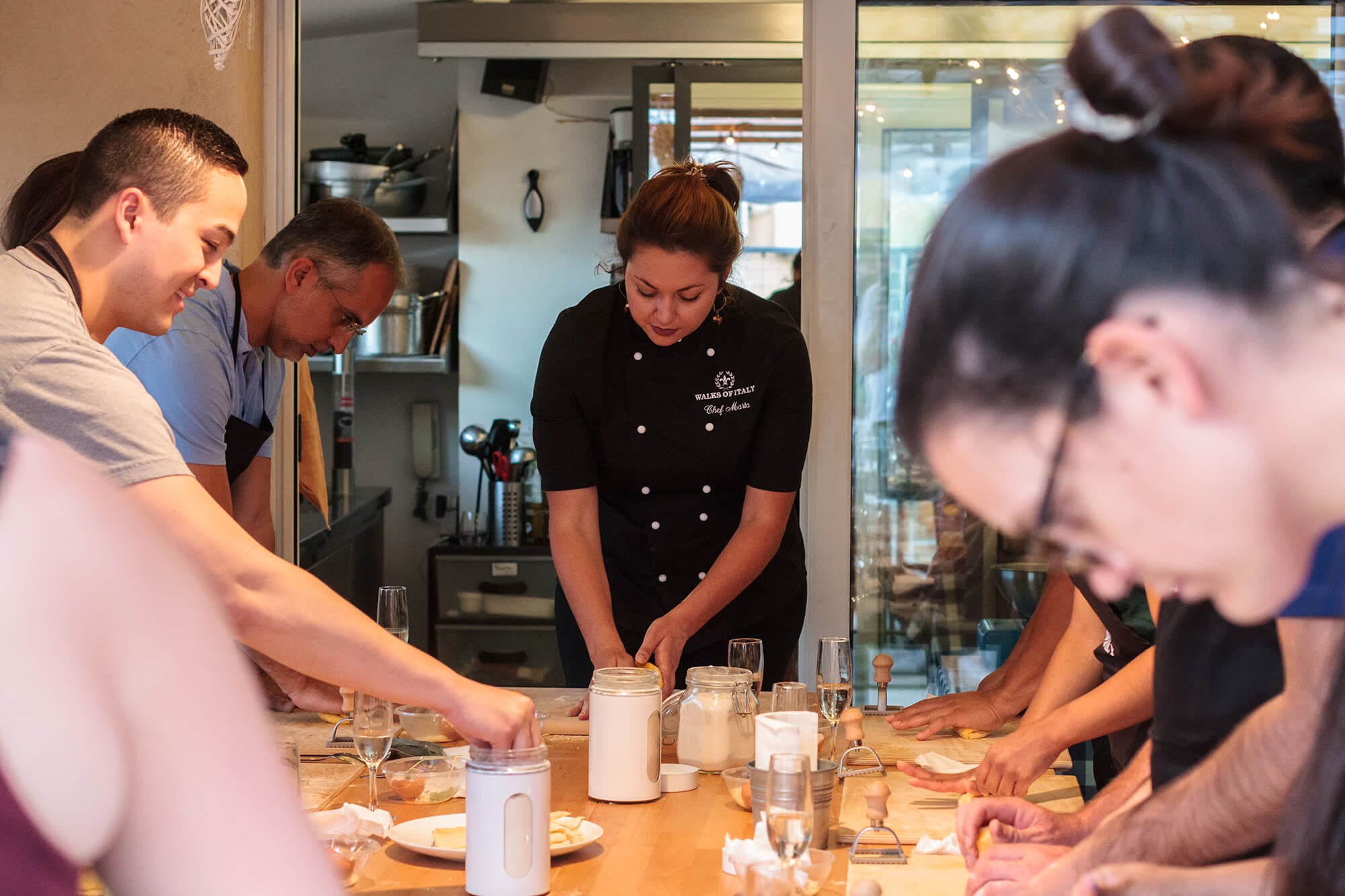
Pasta-Making Class: Cook, Dine Drink Wine with a Local Chef
€64
121 reviews

Crypts, Bones Catacombs: Underground Tour of Rome
€69
401 reviews

VIP Doge's Palace Secret Passages Tour
€79
18 reviews

Legendary Venice: St. Mark's Basilica, Terrace Doge's Palace
€69
286 reviews
Follow us
Stay up to date with travel tips, local insights and all things Italy on our social channels!


Subscribe to our Newsletter
Get curated Italy travel tips delivered to your inbox!

