

The Rome 2025 Jubilee began on 24 Dec 2024 and concluded on 6 Jan 2026 with the closing of the Holy Door at St Peter’s Basilica, but its impact can still be felt throughout the Eternal City.
During this Holy Year, an estimate 33 million pilgrims travelled to Rome for a period of spiritual renewal, celebration, and reflection, while major restoration projects and improvements transformed many of the city’s most important religious and cultural sites. For visitors today, this means there has never been a better time to explore Rome’s spiritual heritage.
From St. Peter’s Basilica and the Vatican to the city’s historic churches and pilgrimage routes, many of the landmarks that took centre stage during the Jubilee remain as impressive and welcoming as ever. Whether you’re interested in faith, history, art, or simply experiencing one of the world’s most fascinating cities, this guide will help you make the most of your visit.

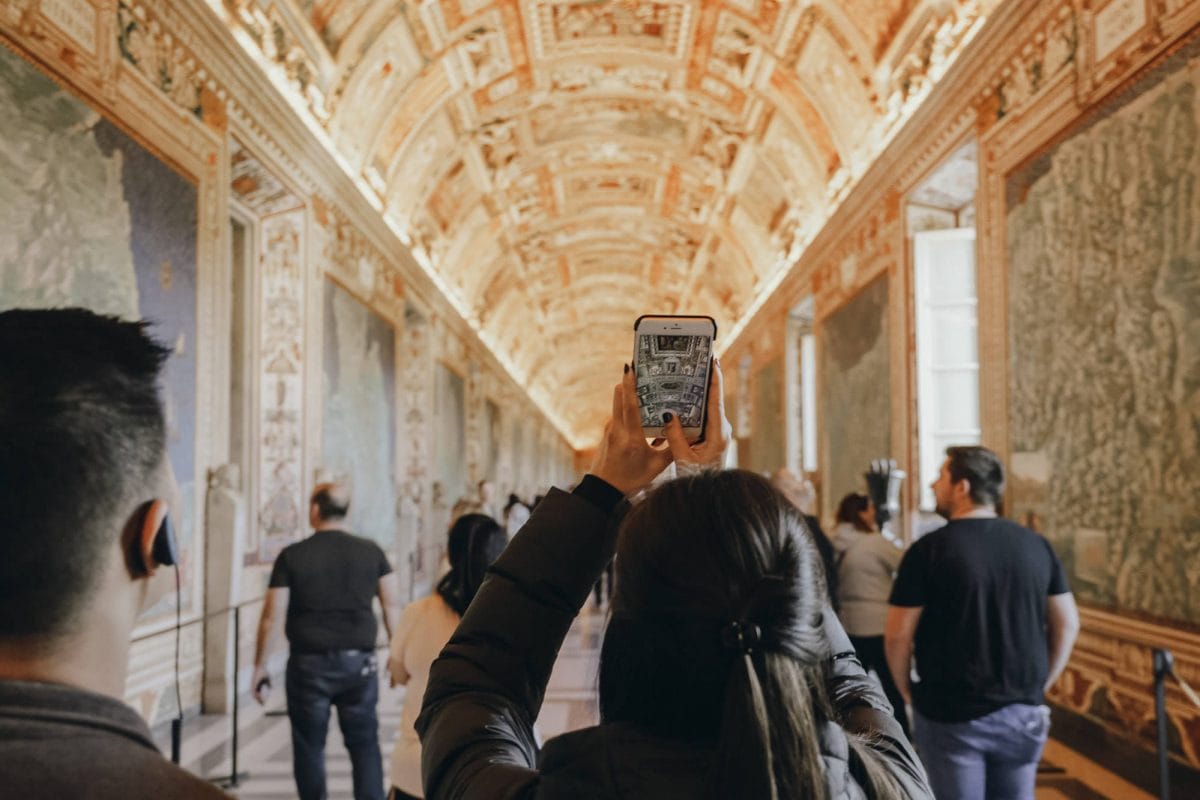
During the Rome 2025 Jubilee, an estimated 33 million pilgrims from 185 countries visited the city. Photo by Alfredo Borba
What is the Jubilee?
The Jubilee, or Holy Year, is a special event in the Catholic Church that is typically celebrated every 25 years.
It has traditionally been a time of reflection, forgiveness, and pilgrimage, offering spiritual indulgences to those who participated in its rites and traditions. For the 2025 Jubilee, Pope Francis chose the theme “Pilgrims of Hope,” emphasizing unity, compassion, and renewal.
A brief history of the Jubilee tradition
The origins of the Jubilee date back to ancient Jewish customs, where every 50th year was a time of rest, debt forgiveness, and renewal. The Catholic Church adopted this concept in 1300 when Pope Boniface VIII declared the first Christian Jubilee. Pilgrims were encouraged to travel to Rome to seek forgiveness and partake in religious ceremonies.
Over the centuries, Jubilees have been moments of transformation for both the Church and the city of Rome.
Extraordinary Jubilees, such as the 2016 Jubilee of Mercy, are held for specific purposes, but ordinary Jubilees, like the 2025 event, are scheduled every quarter-century.
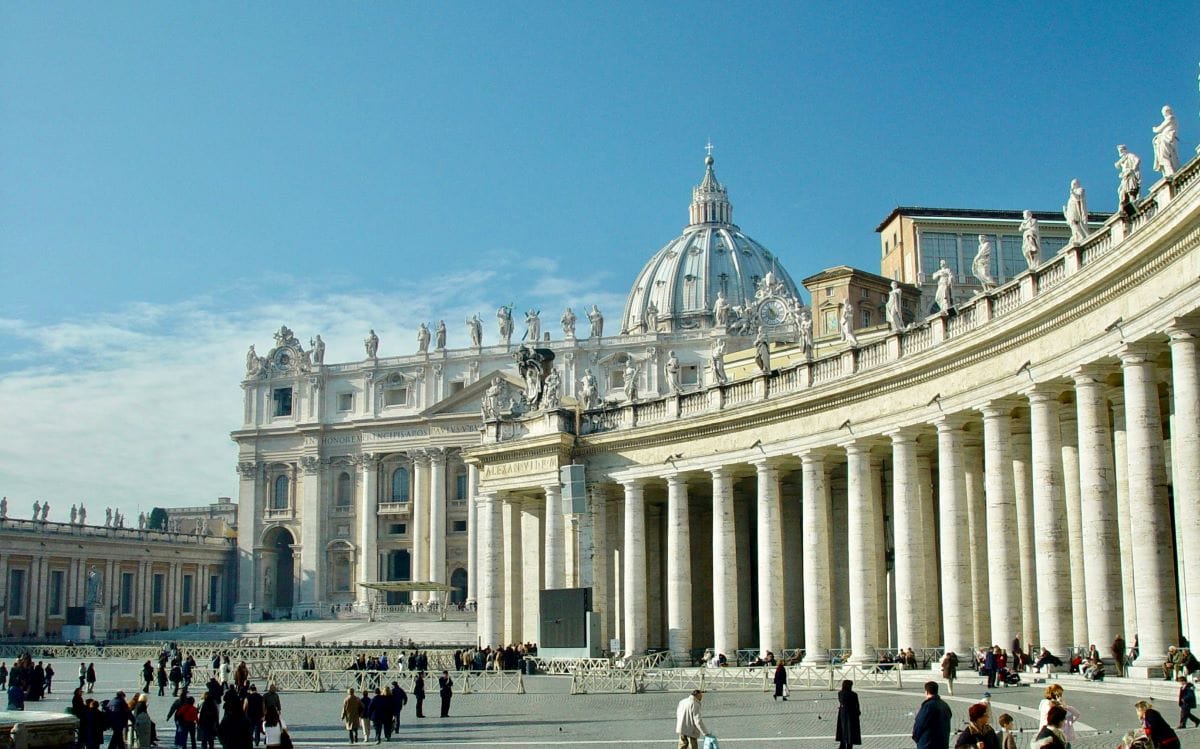
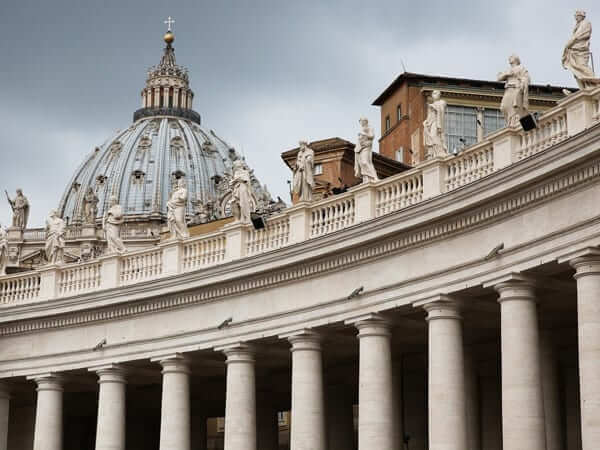
St Peter’s Square and Basilica are always an integral location for the Jubilee celebration. Photo credit: Arnold Straub
How the Rome 2025 Jubilee Transformed Rome’s Churches
The Rome 2025 Jubilee activities were not confined to St. Peter’s Basilica alone. Throughout 2025, churches across Rome hosted special Masses, prayer services, cultural events, and pilgrim activities connected to the Holy Year. Thousands of visitors followed traditional pilgrimage routes linking the city’s four major papal basilicas, while many lesser-known churches welcomed worshippers seeking quieter moments of reflection away from the largest crowds.
The Jubilee also provided an opportunity to discover some of the city´s most remarkable religious treasures, from ancient mosaics and Renaissance masterpieces to centuries-old relics and chapels. If you’re planning a visit after the Holy Year, many of these extraordinary sites remain highlights of the city, and our guide to the best churches in Rome is the perfect place to start.
Insider’s tip: Check out our complete guide to San Giovanni in Laterano (St. John Lateran), one of Rome’s most underlooked churches and an important site in the Rome 2025 Jubilee.
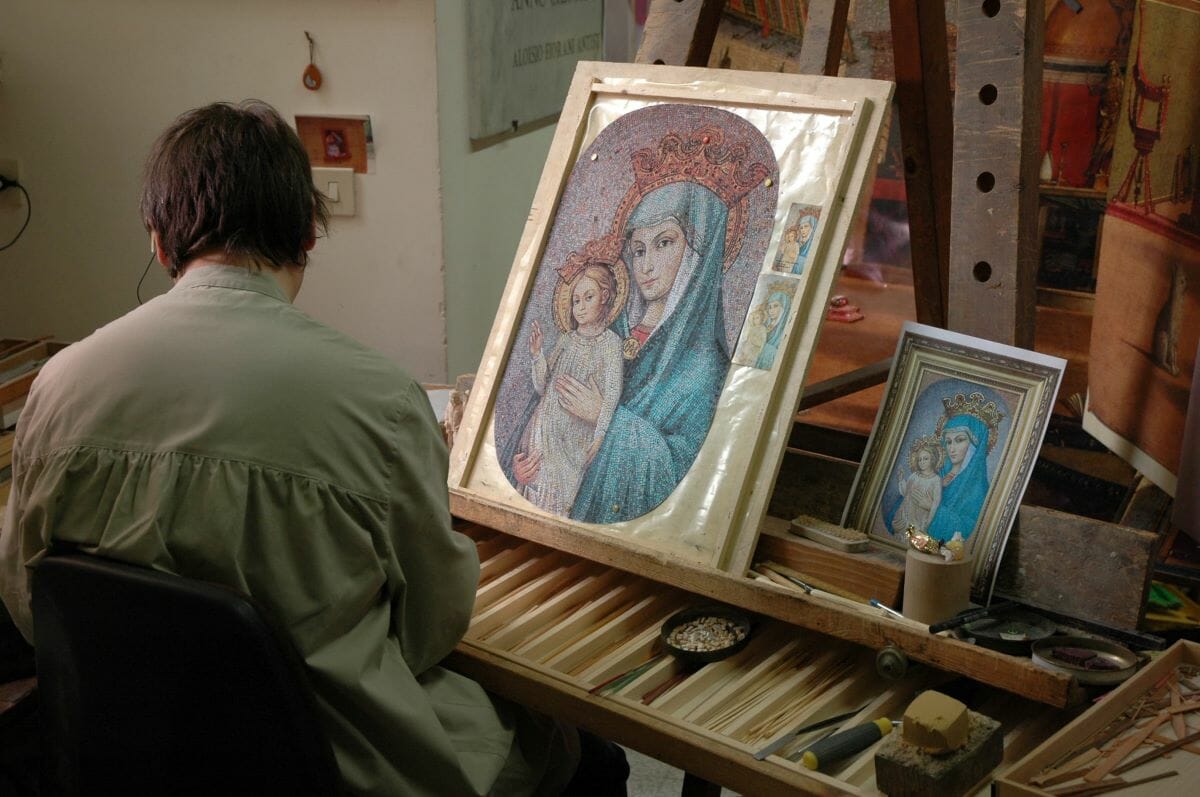
Curious about restoration work at St. Peter’s Basilica? The Vatican Mosaic Studio offers a fascinating insight! Photo credit: Picture_To_Paint
Special Events During the Jubilee
The Rome 2025 Jubilee year was packed with events, ceremonies, and special traditions that make it an unparalleled experience. Here’s a brief insight into some of the key activities:
The Opening of the Holy Door
The Jubilee officially began on December 24, 2024, with the opening of the Holy Door at St. Peter’s Basilica. This door, usually sealed shut, symbolizes the pathway to grace and forgiveness. Each of the four papal basilicas in Rome, St. Peter’s, St. John Lateran, St. Paul Outside the Walls, and St. Mary Major, has its own Holy Door, which remains open throughout the Jubilee year.
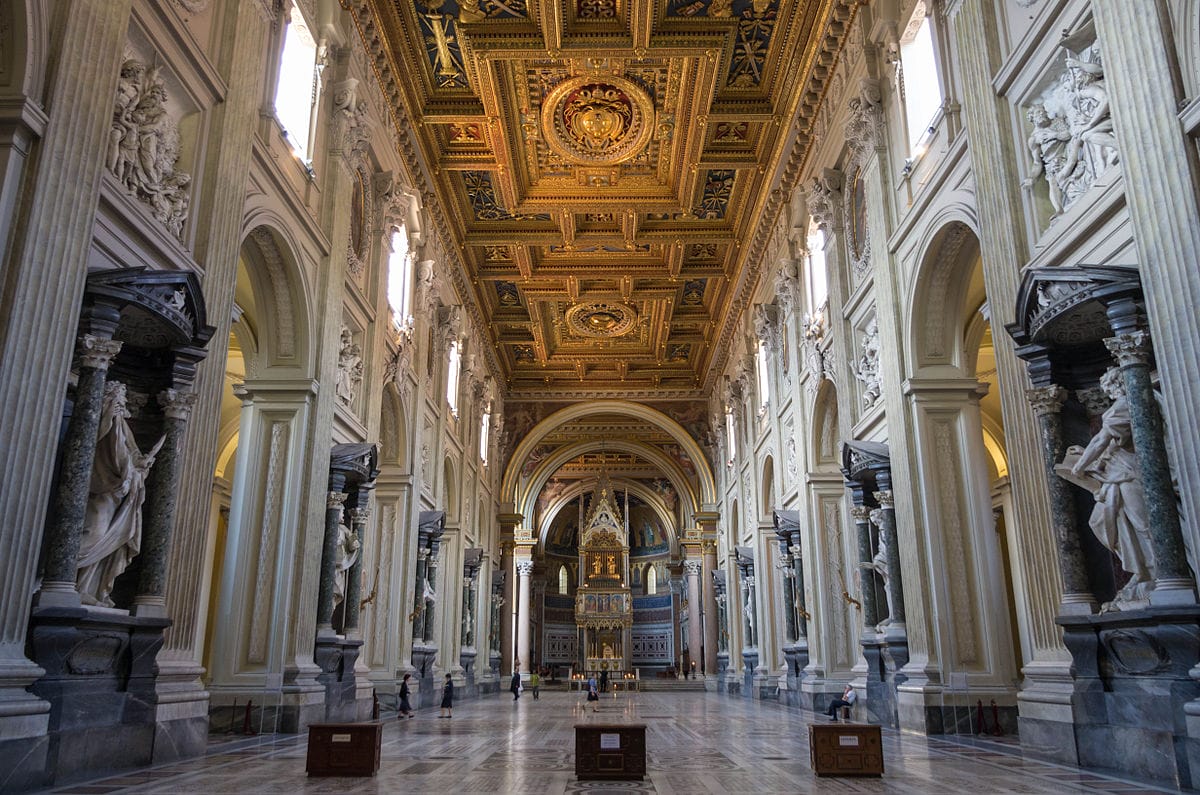
San Giovanni in Laterano is also known as the Basilica of St. John Lateran. Photo credit: Antoine Taveneaux
Pilgrimages to the Four Major Basilicas
One of the most cherished Jubilee traditions is the pilgrimage to Rome’s four papal basilicas. Each basilica is a masterpiece of architecture and spirituality:
- St. Peter’s Basilica: The spiritual heart of the Catholic Church, home to Michelangelo’s Pietà and Bernini’s magnificent Baldachin.
- St. John Lateran: The Pope’s official ecclesiastical seat and a stunning example of Roman Baroque design.
- St. Paul Outside the Walls: Famous for its serene cloisters and mosaics depicting every Pope in history.
- St. Mary Major: A treasure trove of Christian art, with breathtaking mosaics and relics of the Nativity.
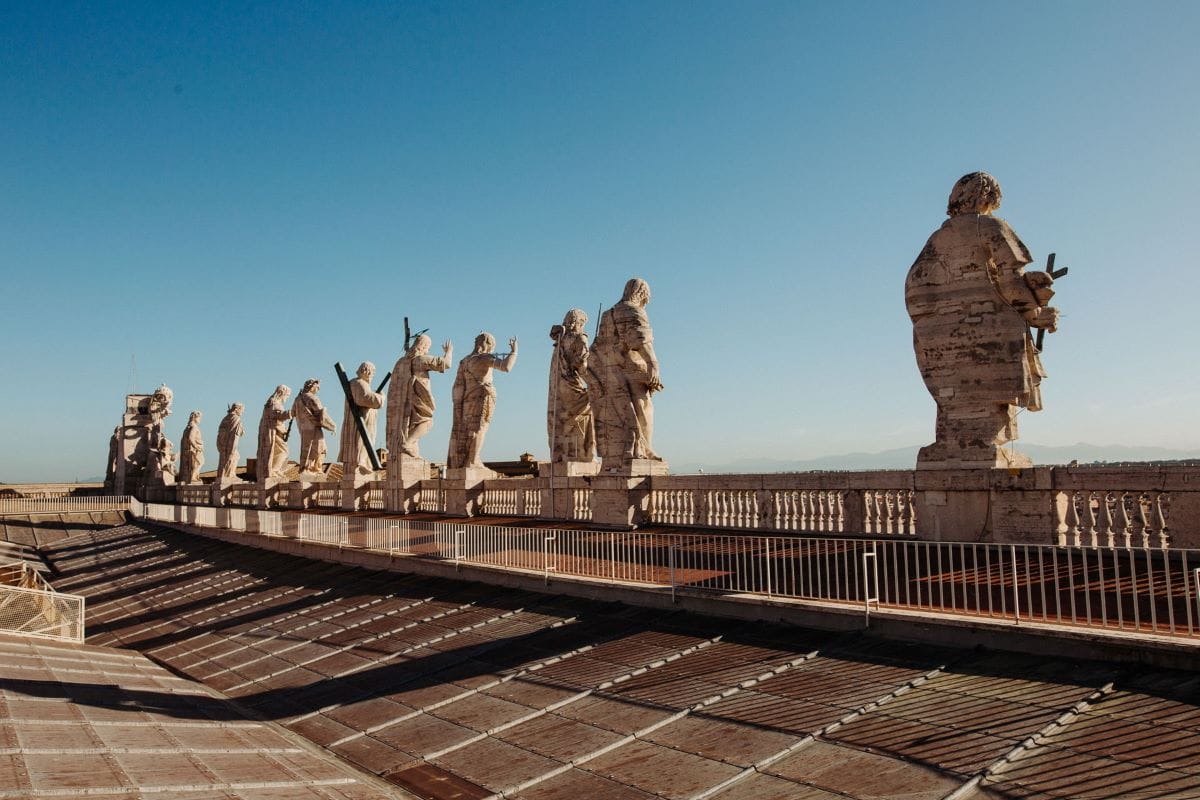
St. Peter’s Basilica is incredible – both from afar and up close.
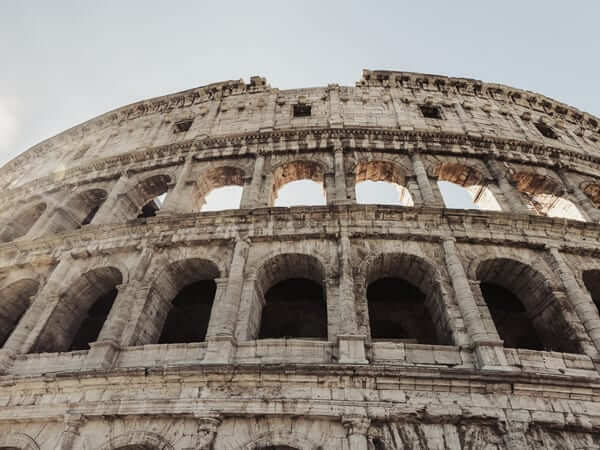
From Papal Masses at St. Peter’s Square to intimate services in lesser-known chapels, the Jubilee offered countless opportunities for worship, such as Stations of the Cross which was held at the Colosseum on Good Friday or the World Meeting of Families, a vibrant gathering that celebrated unity.
One of the largest gatherings took place during the Jubilee of Youth, when hundreds of thousands of young pilgrims filled Rome’s streets, squares, and basilicas for days of worship, music, and celebration. The city also welcomed major liturgical ceremonies during Easter, Pentecost, and other important dates in the Catholic calendar, many of which were presided over by the Pope.
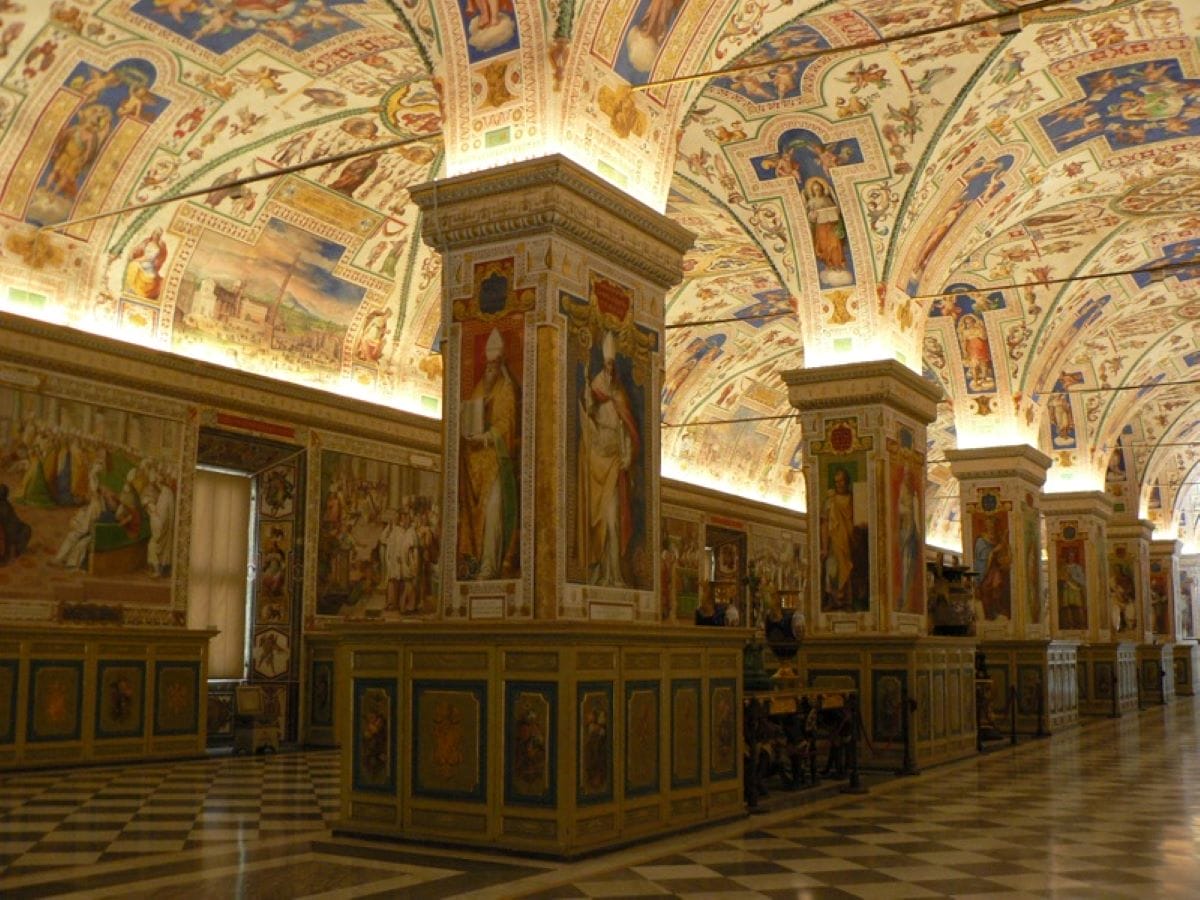
Not many people visit the Vatican’s library, but it’s definitely worth a stop. Photo credit: candiche
The Closing of the Holy Doors
Just as the Rome 2025 Jubilee began with the opening of the Holy Doors, it concluded with their ceremonial closing at the end of the Holy Year on the 6th January 2026. The Holy Door at St. Peter’s Basilica was sealed once again, symbolizing the end of the special Jubilee period of pilgrimage, forgiveness, and spiritual renewal. The Holy Doors at the other papal basilicas, St. John Lateran, St. Paul Outside the Walls, and St. Mary Major, were also closed as part of the concluding celebrations.
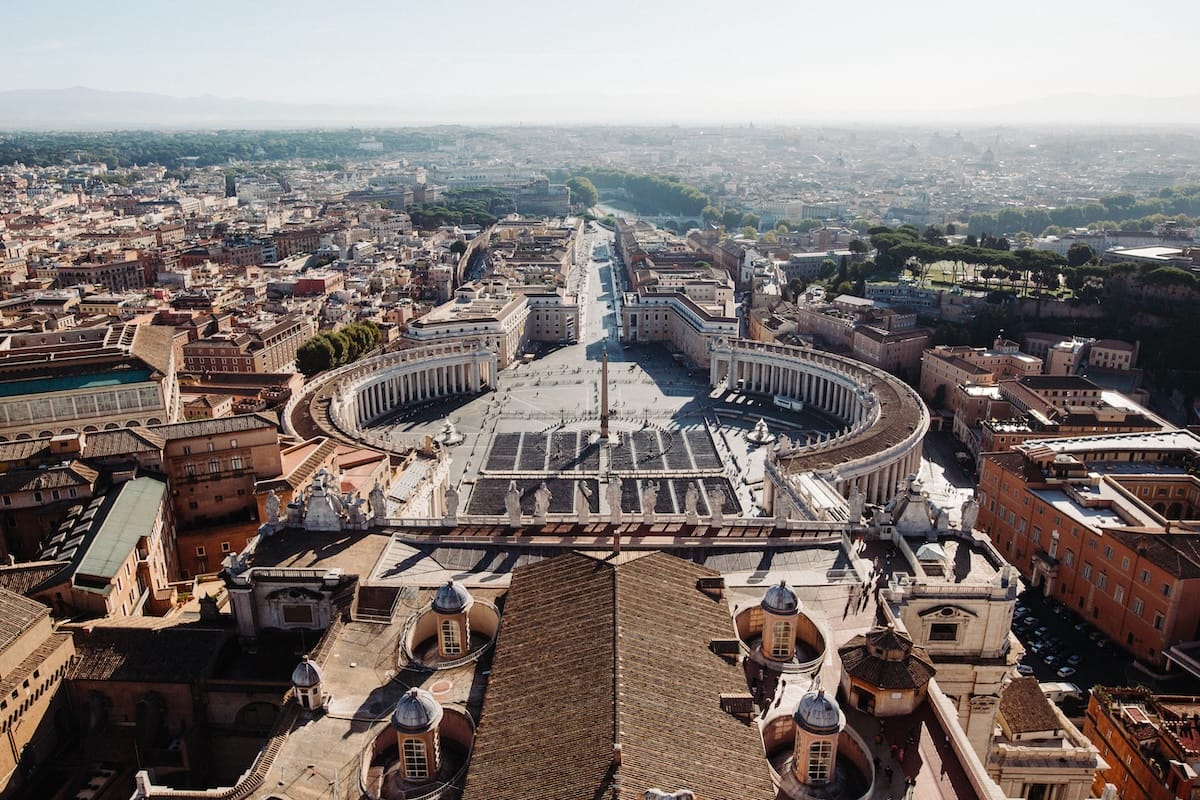
View of The Vatican City from St. Peters Basilica
Planning a Trip to Rome After the Jubilee
For visitors today, the legacy of the Jubilee can still be seen throughout Rome. Restored monuments, upgraded public spaces, and renewed attention on the city’s religious and cultural heritage ensure that many of the improvements made for the Holy Year will continue to enhance the visitor experience for years to come.
The Rome 2025 Jubilee brought an estimated 33 million pilgrims and visitors to Rome, making it one of the busiest years in the city’s history. In a typical year, Rome welcomes around 15–20 million visitors, so while the extraordinary crowds of the Holy Year have now passed, the Eternal City remains one of Europe’s most popular destinations.
Whether you’re visiting for its ancient ruins, world-famous museums, incredible food, or religious landmarks, a little planning can help you make the most of your time in Rome.
When to Visit
Rome is a year-round destination, but some periods are noticeably busier than others.
Christmas and New Year attract large numbers of visitors and Easter is also one of the busiest times to visit, with special religious celebrations taking place throughout the city and the Vatican. If you’re considering a trip during this period, our guide to easter events planning can help you prepare.
For a more relaxed experience, consider visiting in March, April, October, or November, when temperatures are comfortable and the city’s major attractions are often less crowded than during the peak summer season.
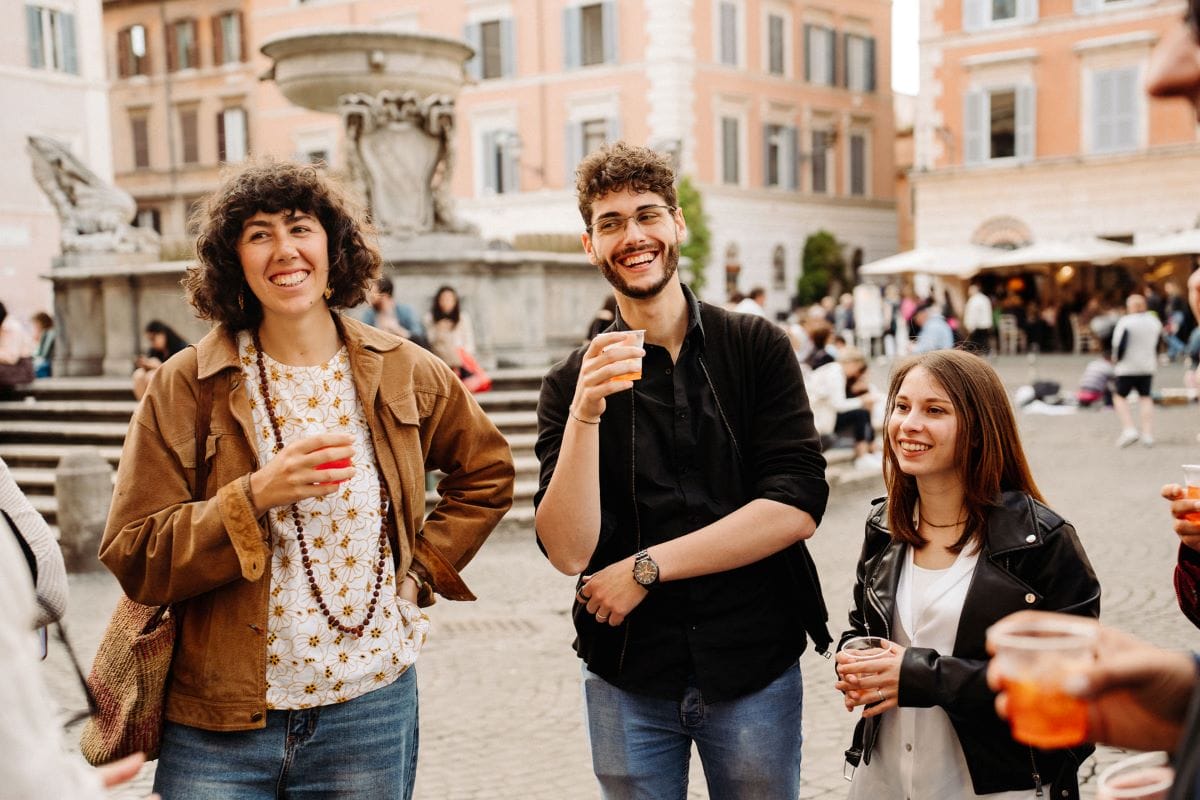
The Trastevere neighborhood is known for its trattorias, craft beer pubs, and artisan shops.
Where to Stay and Explore
Rome’s neighborhoods each offer a unique atmosphere. Here are a few top picks:
- Prati: Close to Vatican City, with wide boulevards and elegant accommodations.
- Trastevere: A bohemian neighborhood with narrow streets, lively piazzas, and cozy trattorias.
- Monti: Trendy and central, with boutique hotels, cafes, and vintage shops.
- Aventine Hill: A peaceful area with the stunning Orange Garden and the famous Keyhole View.
- Testaccio: A foodie haven with authentic Roman eateries and the bustling Testaccio Market.
- Jewish Ghetto: Rich in history and home to some of Rome’s best kosher cuisine.

The mouth-watering carciofi alla giudìa will definitely make a great dinner.
Indulge in Roman Cuisine
Food is central to Roman culture. Be sure to try:
- Carbonara: A creamy pasta dish made with eggs, pecorino cheese, and guanciale.
- Cacio e Pepe: A deceptively simple but delicious pasta made with pecorino cheese and black pepper.
- Supplì: Fried rice balls filled with melted mozzarella, perfect as a quick snack or appetizer.
- Carciofi alla Romana or Carciofi alla Giudia: Artichokes are a Roman specialty, especially in spring. Whether slow-cooked with herbs (alla Romana) or deep-fried until crisp (alla Giudia), they’re a must-try local dish.
- Gelato: No trip to Rome is complete without authentic Italian gelato. From classic flavours like pistachio and stracciatella to seasonal fruit varieties, it’s the perfect treat after a day of sightseeing.
Insider tip: Join a for a deeper dive into Rome’s culinary scene. The Trastevere Food Tour combines history, culture, and delicious bites.

Another perk to getting around on foot? Stumbling across the tastiest gelato shops.
Visit iconic Landmarks
Don’t miss Rome’s most famous sites:
- The Colosseum and Roman Forum: Step back into ancient Rome’s glory days.
- The Pantheon: A marvel of engineering and one of the best-preserved Roman buildings.
- Trevi Fountain: Toss a coin to ensure your return to the Eternal City.
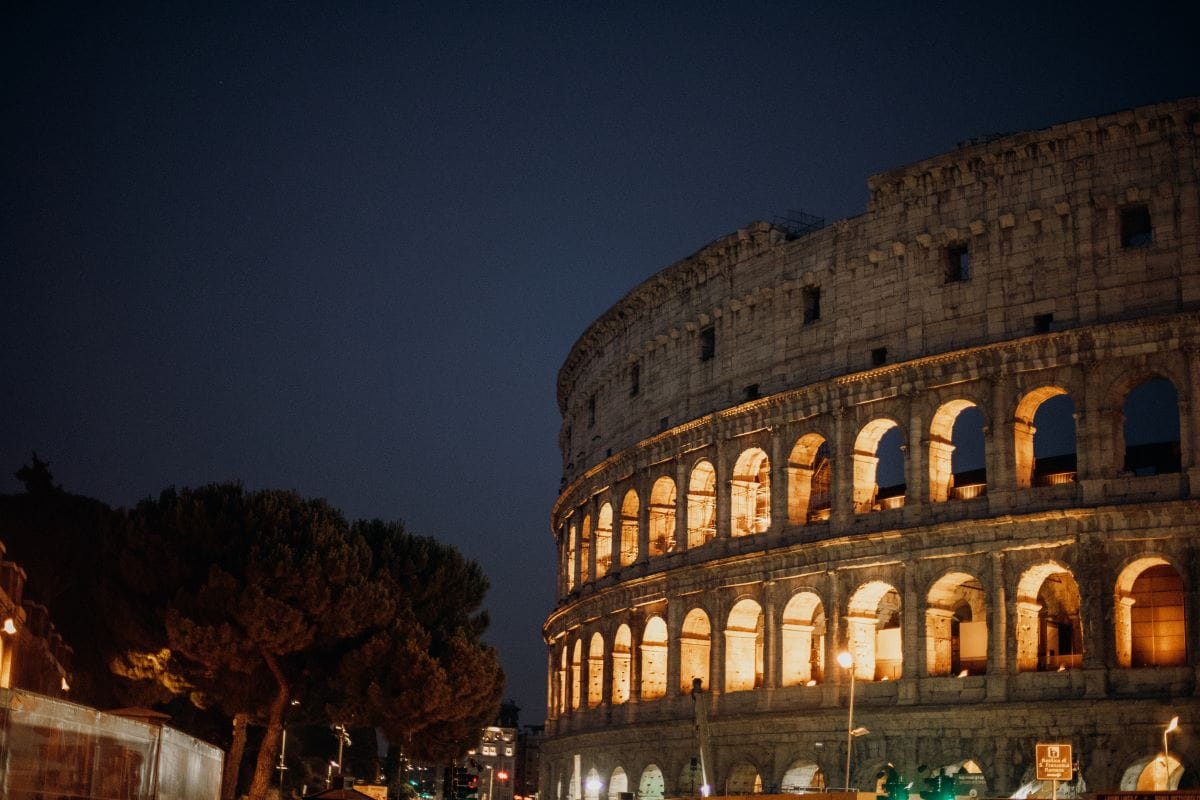
No trip to Rome would be complete with a visit to the Colosseum.
Day Trips and Extended Adventures
If you’re using Rome as your base, you don’t have to limit yourself to day trips. An overnight escape allows you to experience destinations after the daytime crowds have left. From the rolling hills of Tuscany to the canals of Venice and the dramatic coastline of southern Italy, these short trips from Rome are a great way to see more of the country without constantly changing hotels.
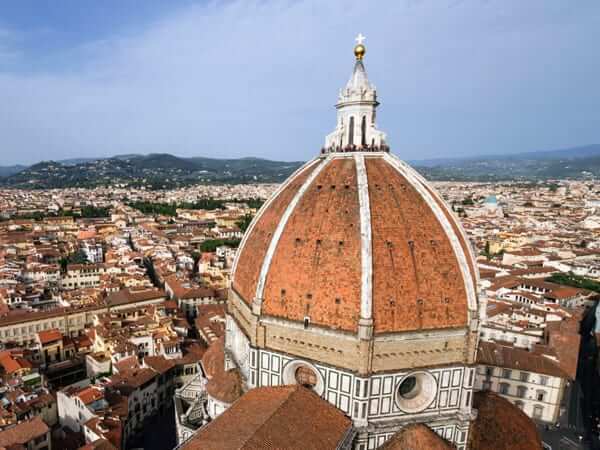
- Florence: Walk in the footsteps of Renaissance masters and visit the Uffizi Gallery.
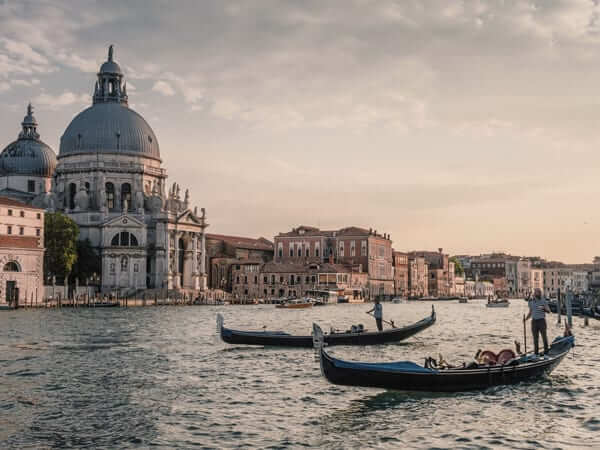
- Venice: Glide through canals and discover the magic of St. Mark’s Square.
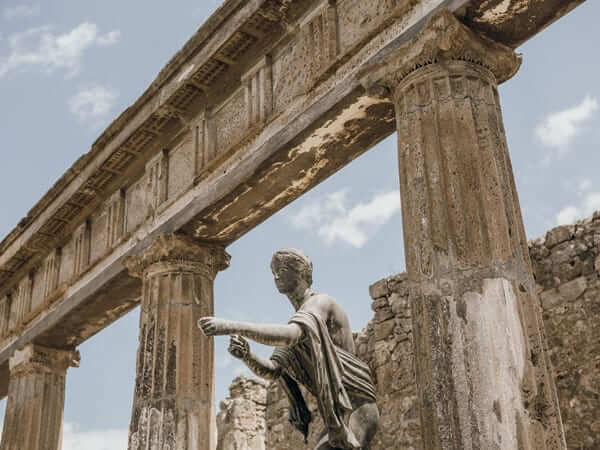
- Pompeii & Amalfi Coast: Explore ancient ruins and breathtaking coastal views.
Insider Tip: If you´re keen to see beyond Rome but do not know where to start, we can take the hassle out of venturing further afield with our choice of overnight trips from Rome!
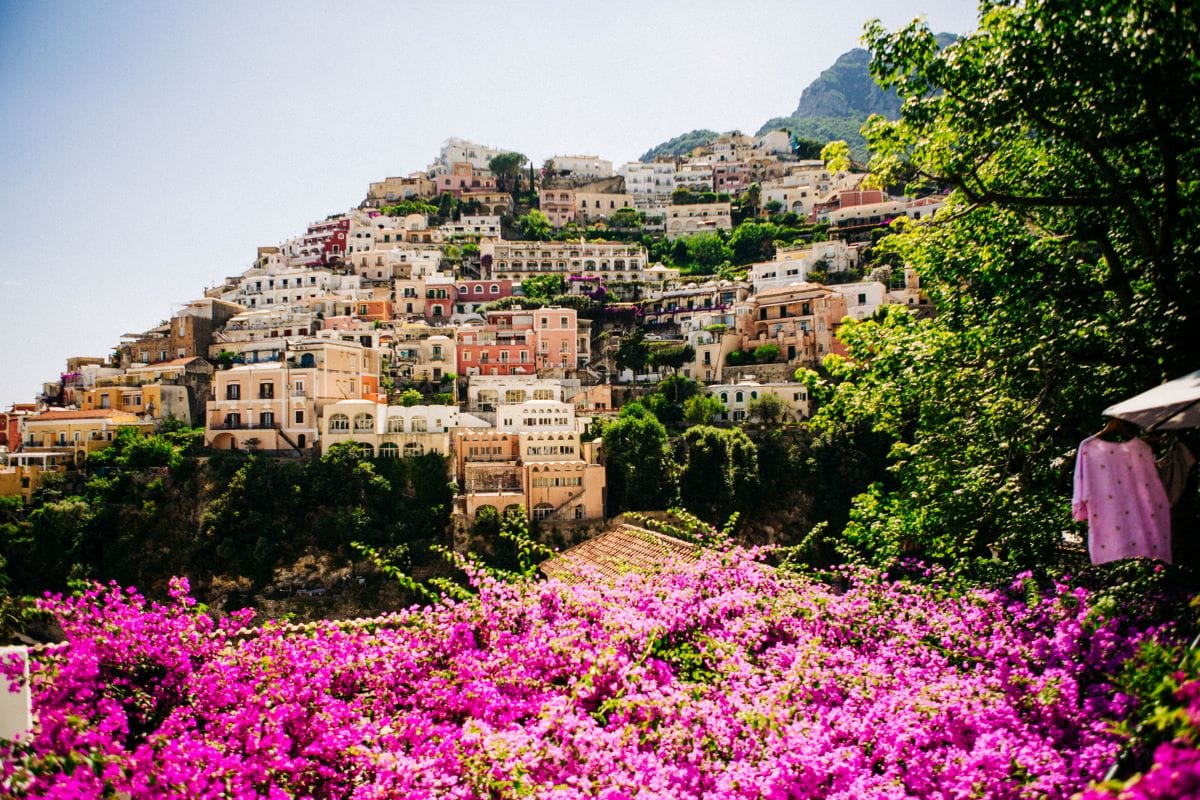
Need an escape from the capital? We make it easy to reach the Amalfi Coast from Rome!
With Walks of Italy and Devour Tours, you can experience Rome like never before. From exclusive access to the Vatican to culinary adventures in Trastevere, our tours offer something for everyone.
Ready to start your journey? Visit Walks of Italy and Devour Tours to book your Rome adventure today.
We can’t wait to see you in Rome!

Book a Tour

Pristine Sistine - The Chapel at its Best
€89

1794 reviews

Premium Colosseum Tour with Roman Forum Palatine Hill
€56
850 reviews
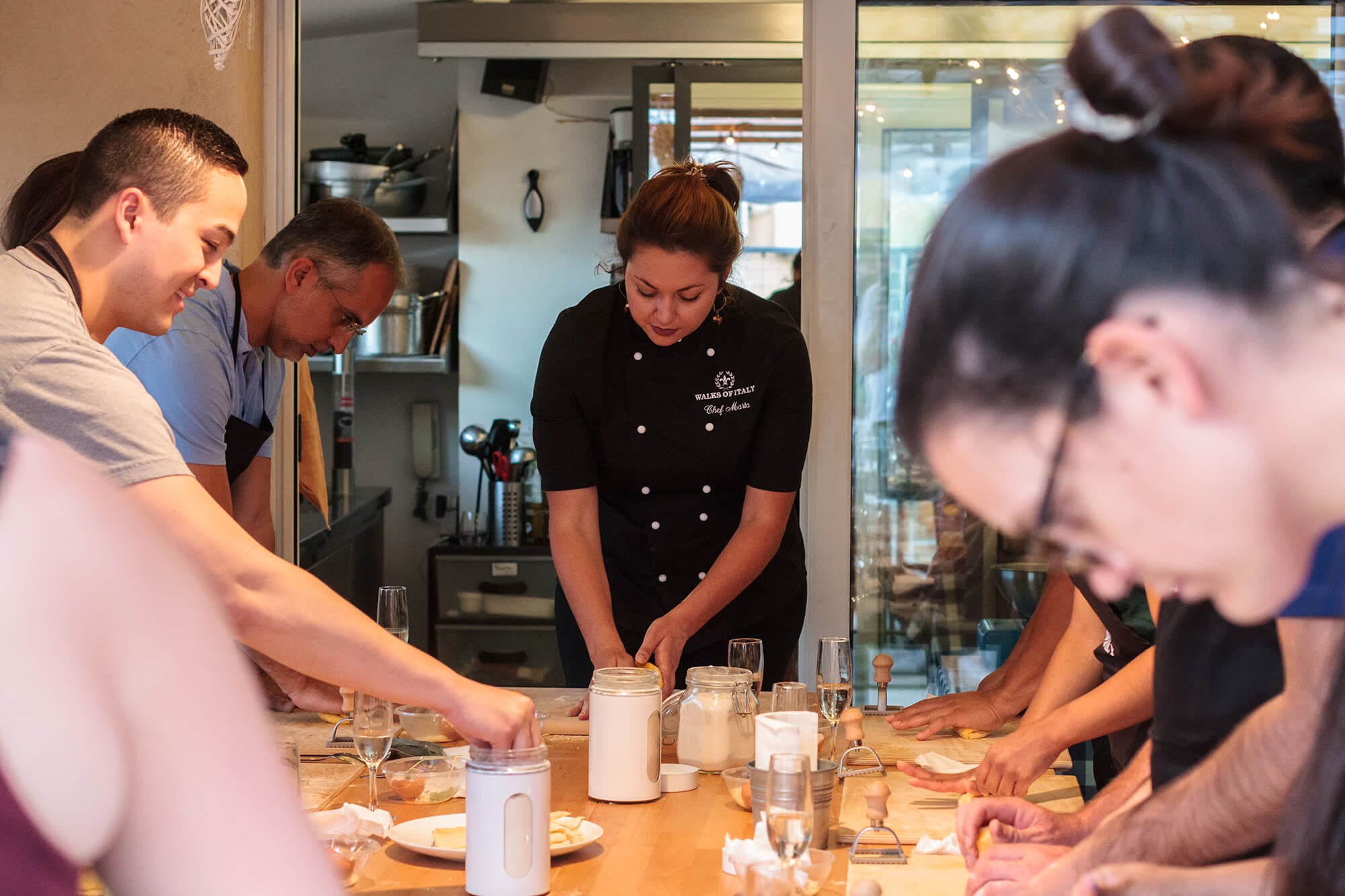
Pasta-Making Class: Cook, Dine Drink Wine with a Local Chef
€64
121 reviews

Crypts, Bones Catacombs: Underground Tour of Rome
€69
401 reviews

VIP Doge's Palace Secret Passages Tour
€79
18 reviews

Legendary Venice: St. Mark's Basilica, Terrace Doge's Palace
€69
286 reviews
Follow us
Stay up to date with travel tips, local insights and all things Italy on our social channels!


Subscribe to our Newsletter
Get curated Italy travel tips delivered to your inbox!

