
It would not be an understatement to say that Rome is a city of churches. The Italian capital is home to more than 900 Catholic places of worship, from tiny neighborhood chapels to some of the most important basilicas in the Christian world. But among the many must-see churches in Italy, Basilica di Santa Maria Maggiore stands right at the top of the list.
One of Rome’s four major papal basilicas, Santa Maria Maggiore is not only one of the city’s most beautiful churches, it’s also one of its oldest and most historically significant. Founded in the 5th century, it has welcomed pilgrims, popes, and travelers for more than 1,500 years. Step inside, and you’ll find glittering mosaics, soaring ceilings, hidden chapels, and layers of history that tell the story of Rome itself.
Whether you’re visiting for its religious importance, its extraordinary art and architecture, or simply to experience one of the Eternal City’s most iconic landmarks, Santa Maria Maggiore deserves a place on your Rome itinerary.
Read on as we explore the history, highlights, and practical tips for visiting this unforgettable Roman basilica.
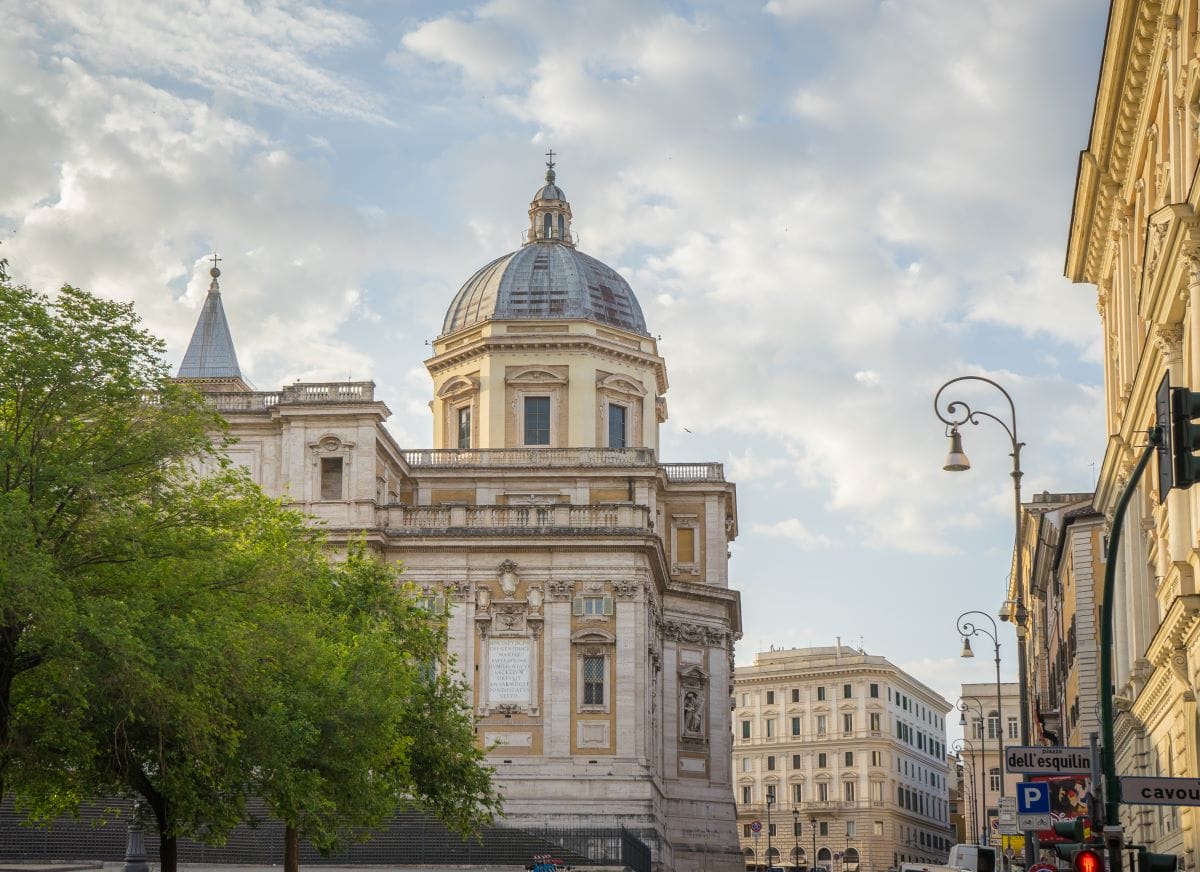
The Church of Santa Maria Maggiore or “Basilica di Santa Maria Maggiore”. Photo credit: Francesco Alberti
Brief History of the Basilica of Santa Maria Maggiore
The papal basilica of Santa Maria Maggiore owes its existence to a meeting that took place in Ephesus, near modern day Selçuk, on the Agean coast of what is now Turkey about one thousand miles southeast of Rome.
It was at the Council of Ephesus in the year 431 when Church authorities decided that Mary was, in fact, officially the Mother of God. That further accelerated the cult of Mary and soon churches would rise, their spires pointing heavenward, in honor of the Virgin Mary, Mother of God.
One of those churches is Santa Maria Maggiore, built in 432, just a year after the Council of Ephesus. Situated on Esquiline Hill, the tallest of Rome’s legendary seven hills. Nowadays, this location is more or less sandwiched between the Roman Forum and Termini Train Station near the bustling Via Cavour.
Now with a bit of history out of the way, let’s explore the top reasons why you should make a visit to this church.
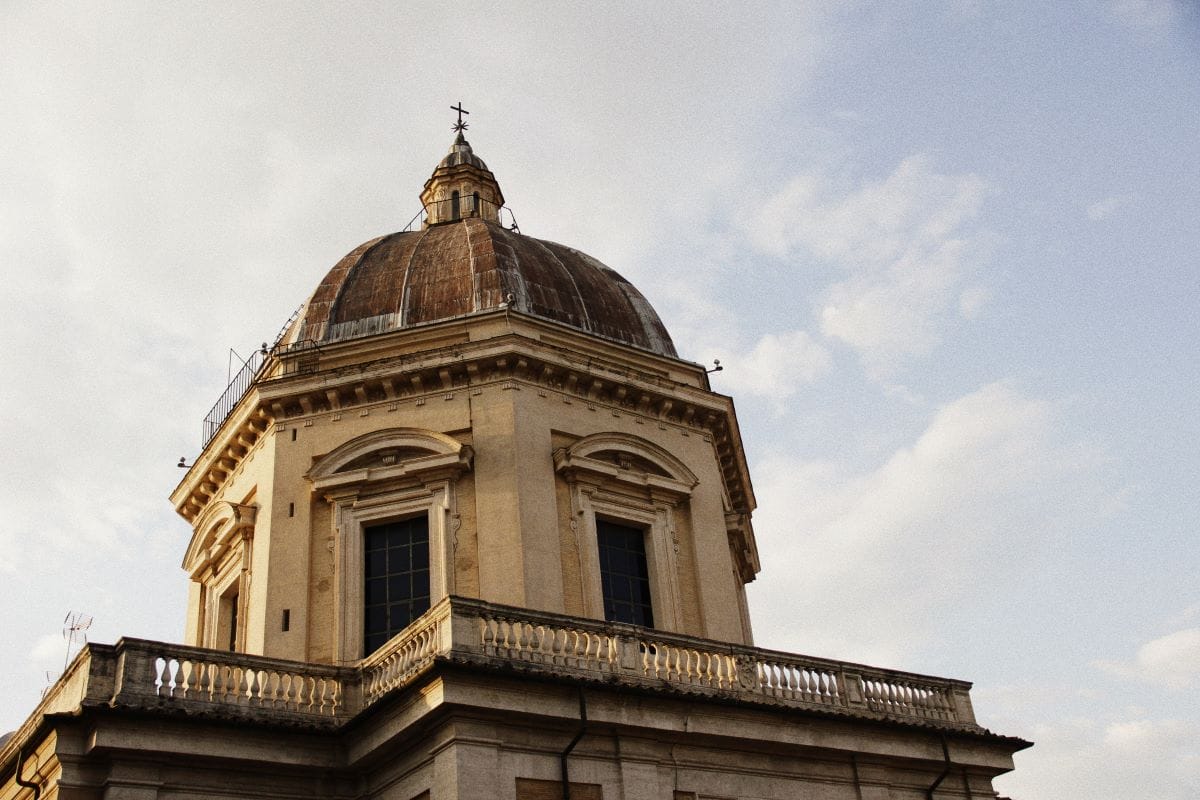
The basilica exhibits a blend of architectural styles; Early Christian, Baroque, and Renaissance. Photo credit: Leonhard Niederwimmer
8 Reasons to Visit Rome’s Santa Maria Maggiore Church
1. It’s one of the pilgrimage churches of Rome
If you’re more than just a casual tourist and are on a pilgrimage, Santa Maria Maggiore, or Saint Mary Major, as it is referred to in English, is one of the seven pilgrimage churches of Rome. Out of interest, the others are: San Giovanni in Laterano, Santa Croce in Gerusalemme, Santuario della Madonna del Divino Amore, San Lorenzo Fuori le Mura, San Paolo Fuori le Mura, and last nut not least, St Peter’s Basilica.
And if you’re on a pilgrimage, some of the precious relics that have a home in Santa Maria Maggiore include a piece of Jesus’ manger, also known as the Holy Crib, and a piece of the True Cross, among a legion of others.
2. It’s part of a UNESCO-listed site
Basilica di Santa Maria Maggiore is part of the “Historic Centre of Rome, the Properties of the Holy See in that City Enjoying Extraterritorial Rights and San Paolo Fuori le Mura” – which is a UNESCO World Heritage Site recognized for its outstanding cultural and historical importance. In simple terms, that means it’s considered one of the world’s most significant landmarks, protected not just by Italy, but valued as part of humanity’s shared heritage.
And it’s easy to see why. As you approach the basilica, one of the first things you’ll notice is its striking 14th-century campanile, which at 250 feet (75 metres) is the tallest bell tower in Rome. Step inside, and you’re surrounded by nearly 1,500 years of architectural history, from shimmering 5th-century mosaics to Renaissance ceilings and later Baroque additions.
Like many Roman churches, Santa Maria Maggiore was updated over the centuries, including a major Baroque facelift in the 18th century, but its ancient heart remains remarkably intact. That layered history is exactly what makes UNESCO sites so meaningful.
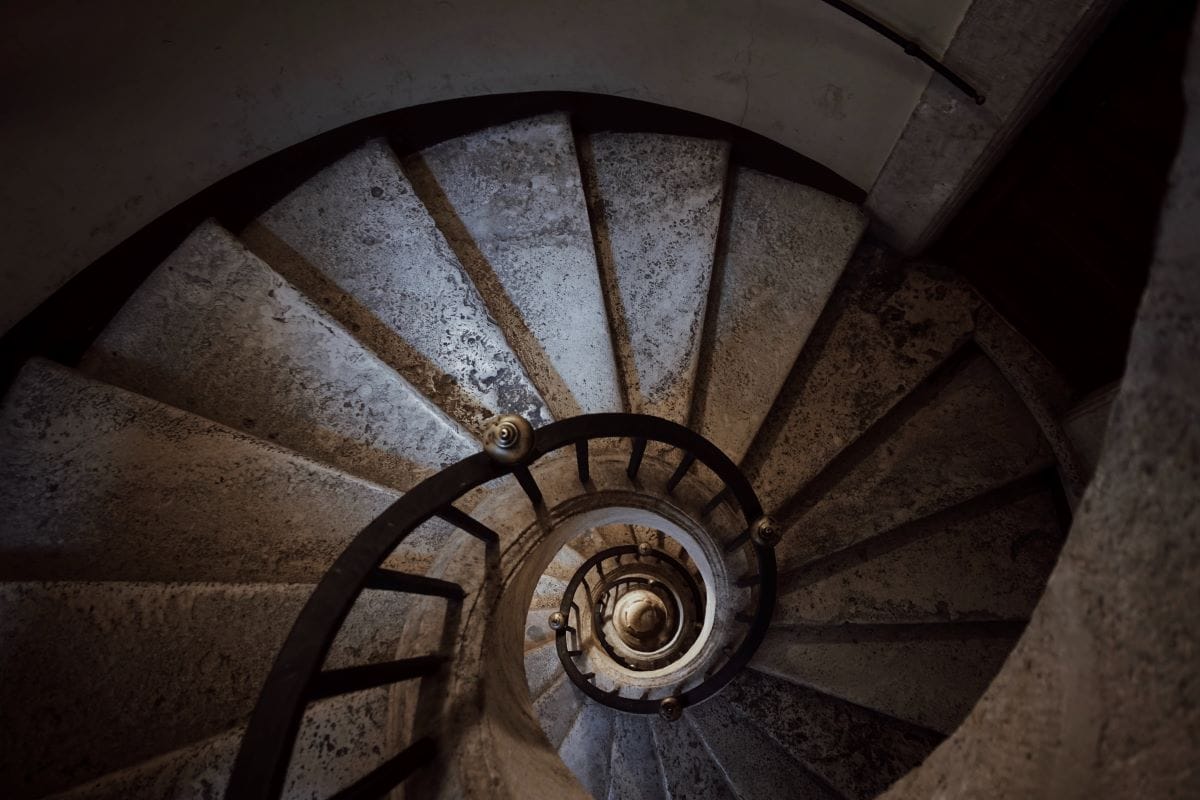
The Santa Maria Maggiore was built in the 5th century, during the papacy of Pope Sixtus III (432-440). Photo credit: Yan Ots
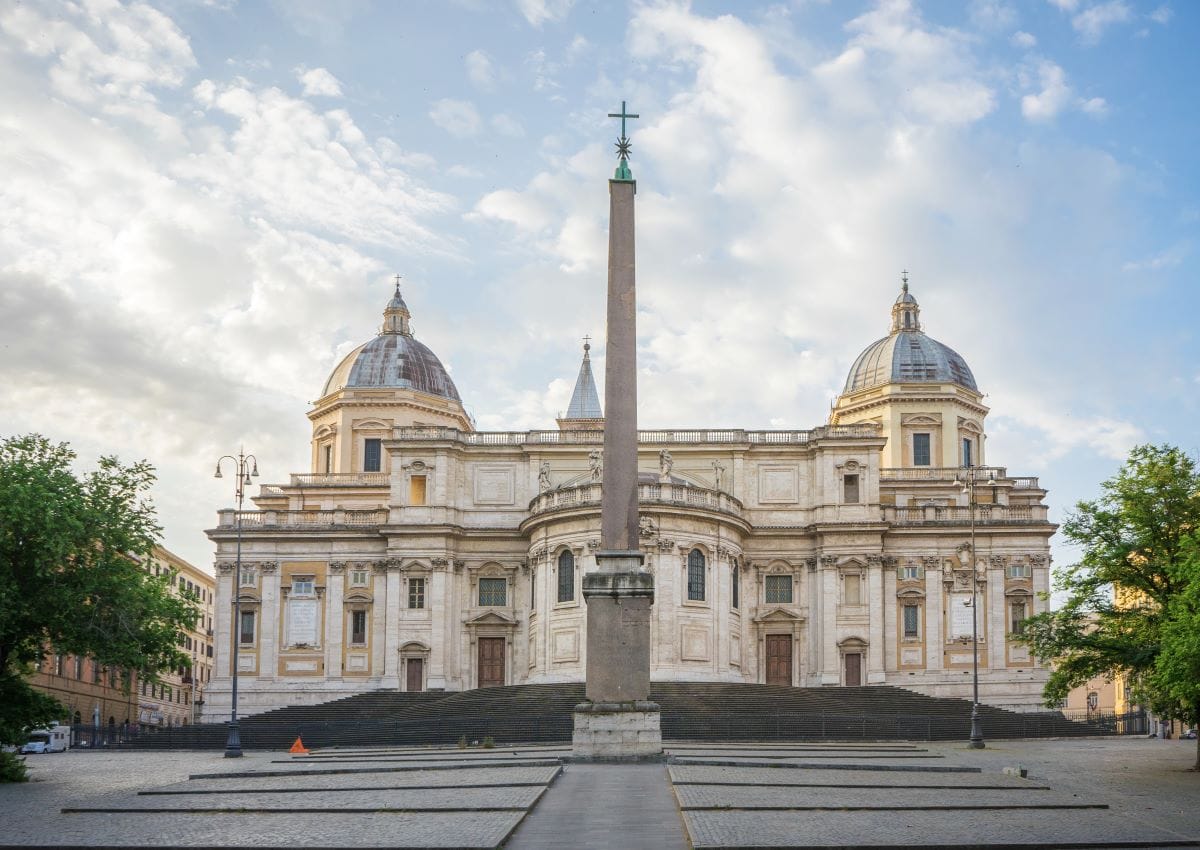
3. It’s home to an ancient Egyptian obelisk
In the rear of the church, facing Via Cavour, is one of the many obelisks in Rome. There are 13 in all. Some of them were poached (aka stolen) from Egypt during the Roman Empire and others were made in Egypt at the request of the rich and powerful during the Roman Empire.
The one at Santa Maria Maggiore falls into the latter category. It was originally at the Mausoleum of Augustus and was eventually relocated and erected here in 1786 by Pope Pius VI.
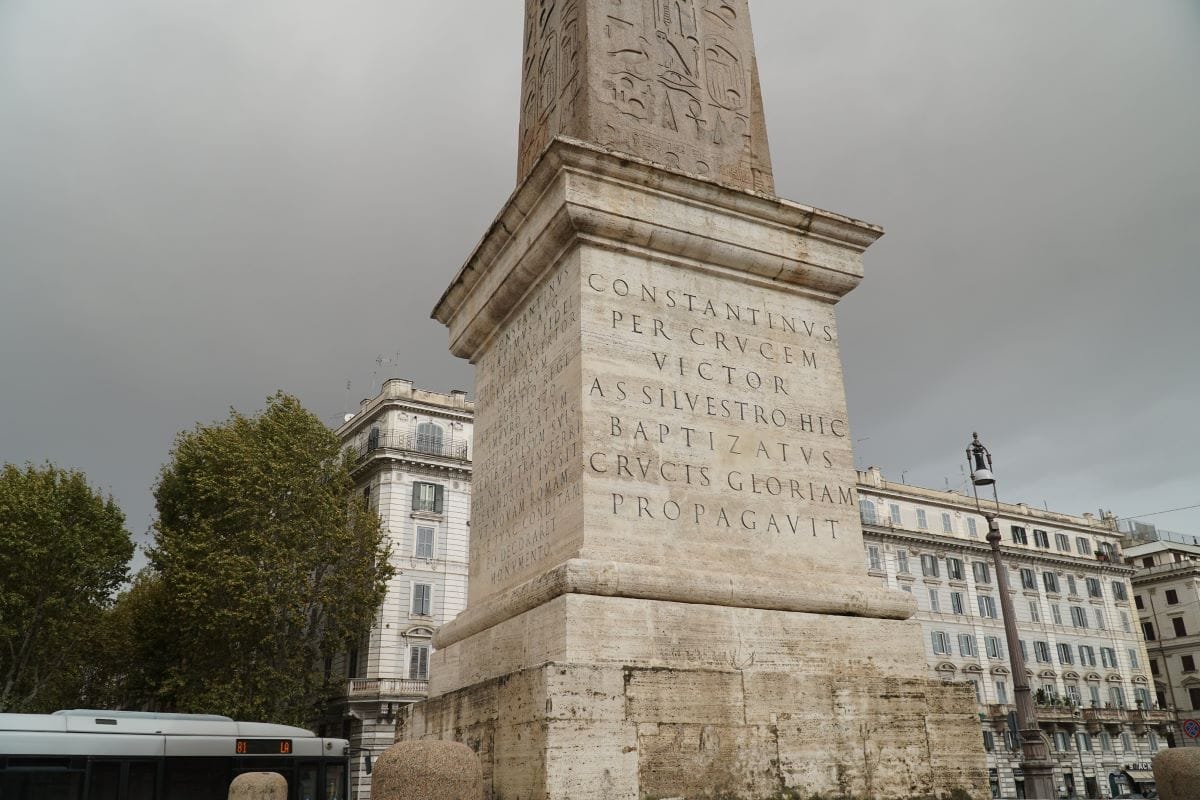
Rome is home to numerous obelisks, many of which were brought to the city during the Roman Empire. Photo credit: Deb Nystrom
4. It has a stunning golden Renaissance-era ceiling
Once inside, the first thing a visitor notices is the golden Renaissance-era ceiling of the nave.
This is historically significant as it is said to have been brought back by Columbus, the first gold brought to Europe from the New World and donated to Pope Alexander VI by Isabella and Ferdinand of Spain.
The 250-foot-long nave, set off by 36 thick Ionic columns, is architecturally interesting as it is exactly in the height-width proportion of 1:1.
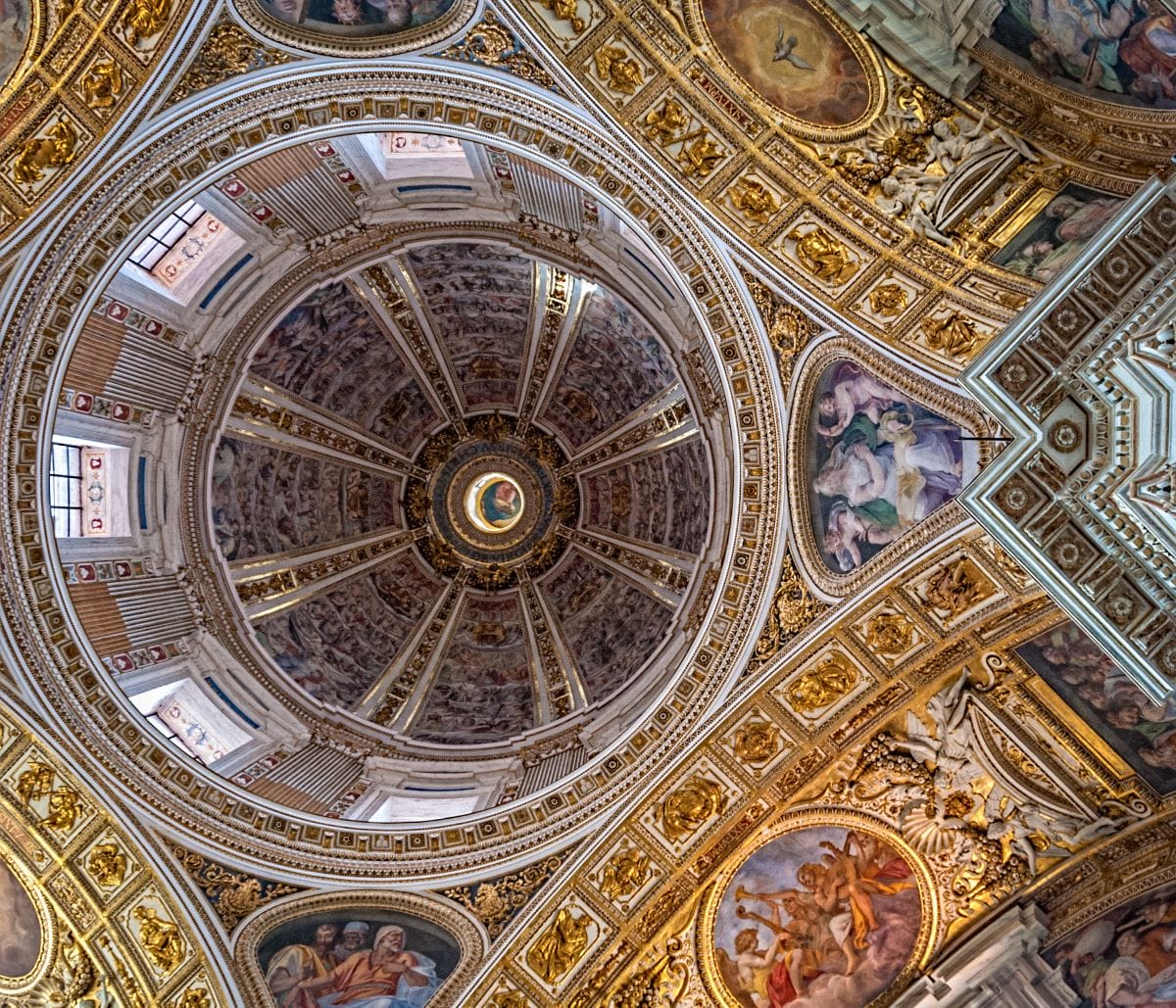
The ceiling of Santa Maria Maggiore is a true masterpiece of art and architecture. Photo credit: Gary Campbell-Hall
5… And beautiful mosaics
The mosaics above the nave date back to the church’s founding in the fifth century.
They are in the Byzantine style and tell Abrahamic stories from the Old Testament. The murals above the mosaics are some of the earliest remaining depictions of the Virgin Mary in the world.
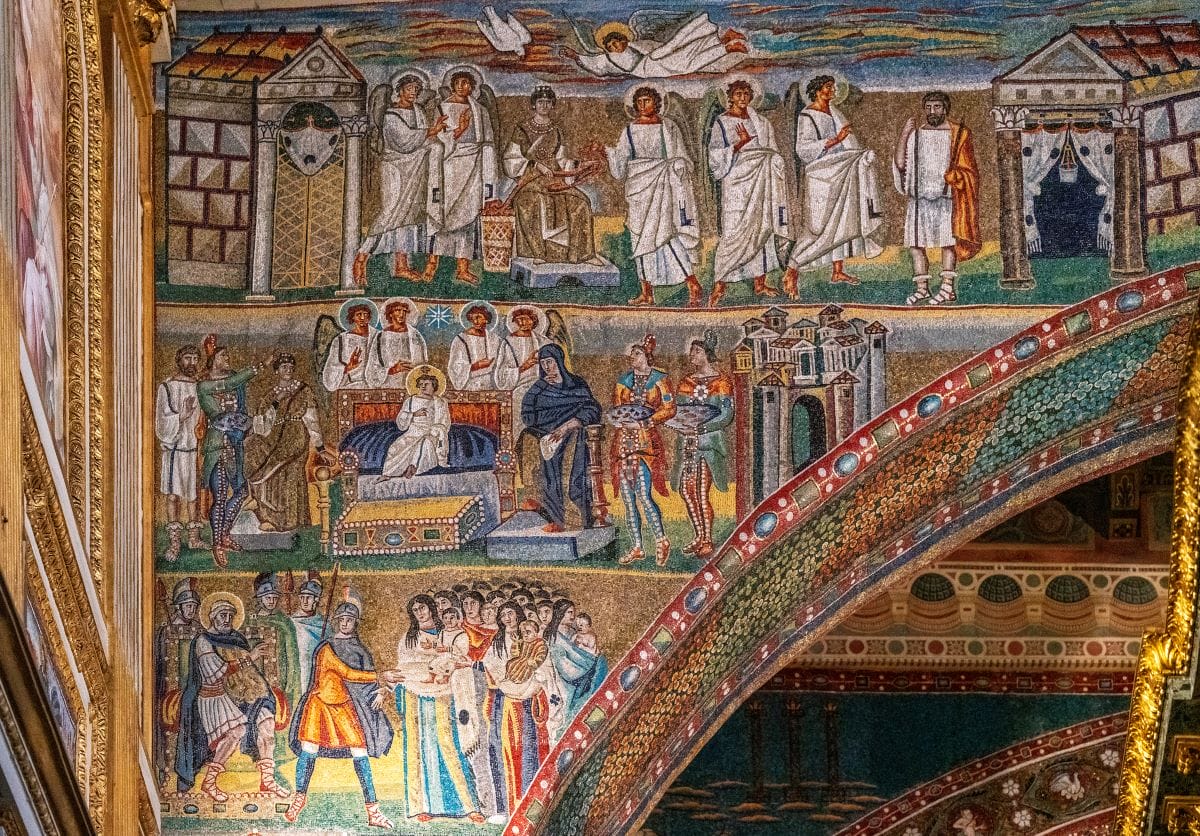
The mosaics inside Santa Maria Maggiore are exquisite examples of artistic craftsmanship. Photo credit: Steven Zucker
6… And legendary paintings
In the Borghese Chapel, also known as the Pauline Chapel, dating from 1611, there is a legendary painting, which is historically attributed to Saint Luke, supposedly the first Christian painter.
Art historians, though, have dated it to the ninth century as it’s decidedly medieval in style.
The painting of Mary and the infant Jesus is nicknamed “Savior of the People of Rome” because supposedly Pope Gregory lugged it around Rome in the year 593 to spare the city of the plague.
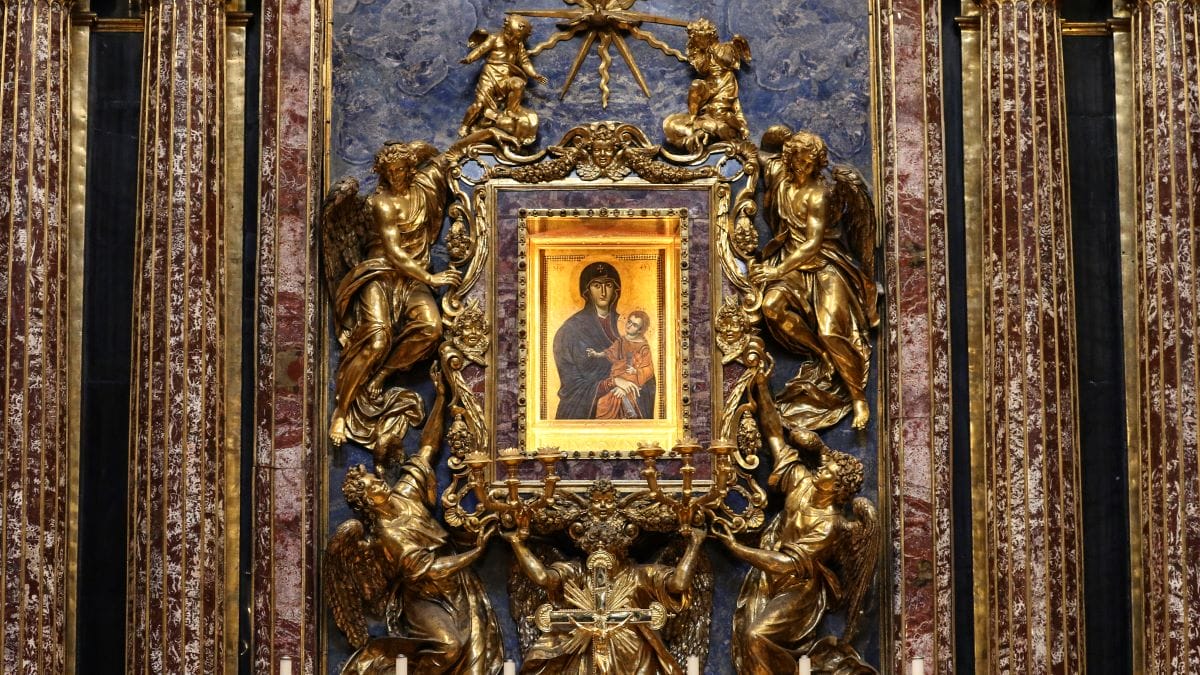
The painting of Mary and the infant Jesus is known by many as the“Savior of the People of Rome.” Photo credit: Lawrence OP
7. It’s home to Rome’s other Sistine Chapel
Another side chapel within the Basilica worth stopping by is the Sistine Chapel. The other Sistine Chapel in Rome. T
he chapel is the home of the tomb of Pope Sixtus V and, while not as stunning as the Sistine Chapel in the Vatican, it is adorned with lovely frescos in the theme of the Virgin Mary (surprise, surprise).
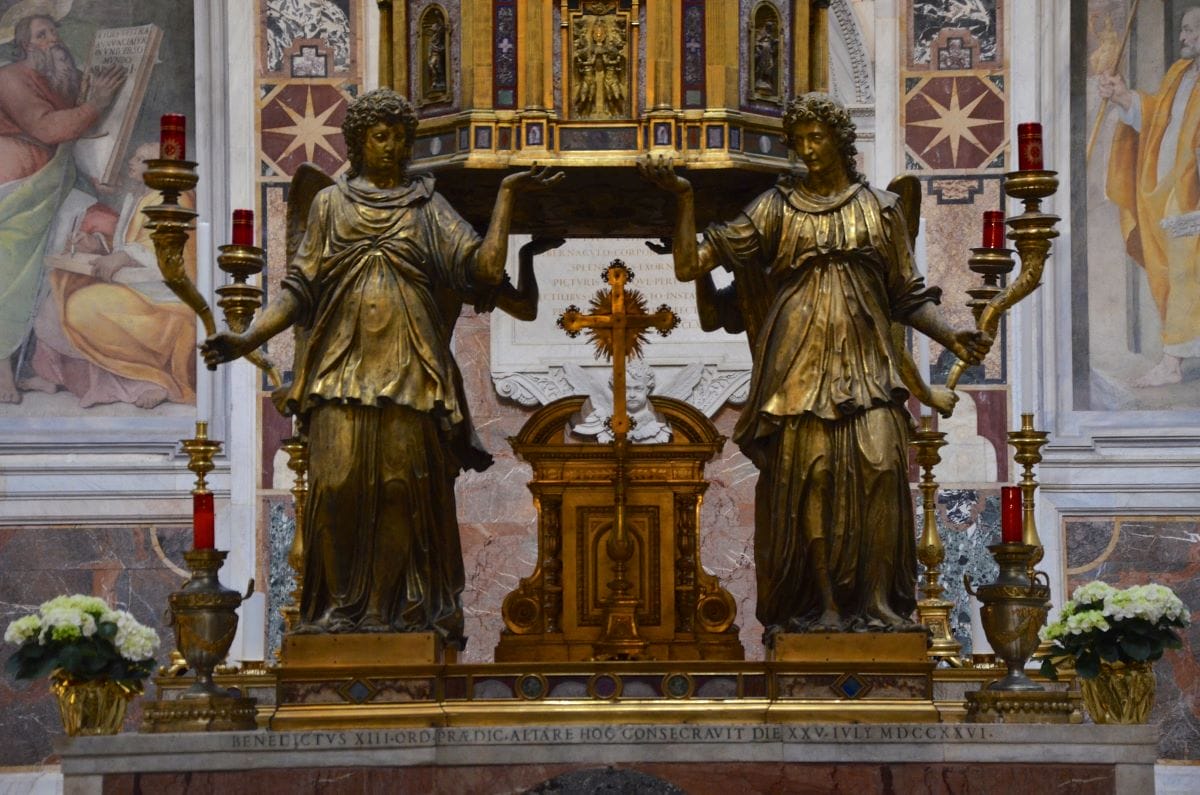
The “Cappella Sistina di Santa Maria Maggiore,” located in the Basilica of Santa Maria Maggiore. Photo credit: Joe Shlabotnik
8. There are iconic tombs inside
There are several tombs inside the church, including a few popes, but the most famous one belongs to Gian Lorenzo Bernini, perhaps the great Baroque-era sculptor of the era.
The inscription on the artist’s tomb reads, “Gian Lorenzo Bernini, the glory of the arts and the city, here rests humbly.”
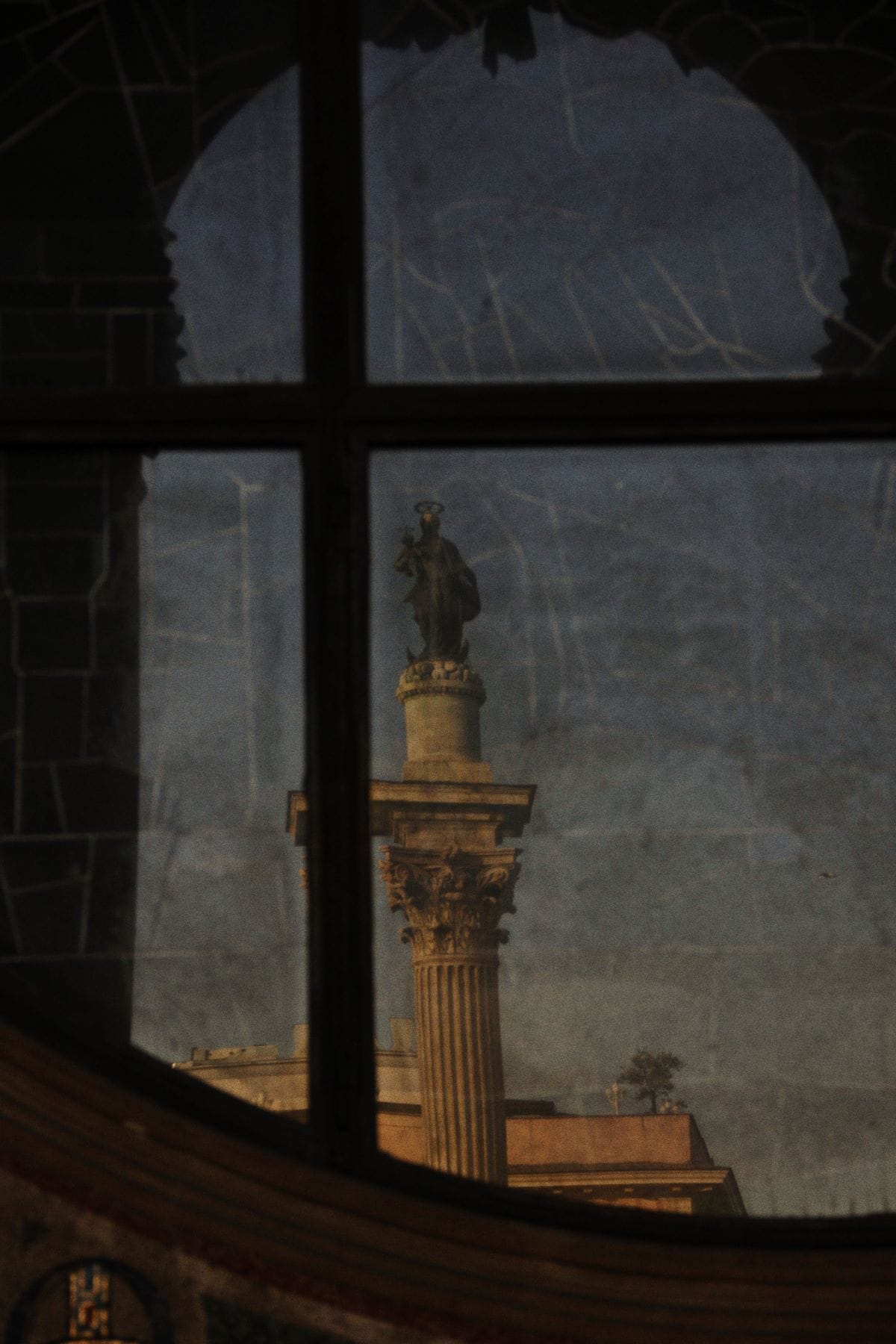 Santa Maria Maggiore is beautiful by day or by night. Photo credit: Francesco Alberti
FAQ´s – Basilica di Santa Maria Maggiore
Is there an entrance fee to visit?
Entry to the Basilica of Santa Maria Maggiore is free, as it is an active place of worship. However, there may be a small fee if you wish to access certain areas, such as the museum or guided visits to specific chapels. Donations are welcome and help with the upkeep of this historic basilica.
What should I wear when visiting?
As with all churches in Rome, modest dress is required. Visitors should ensure shoulders and knees are covered. Light layers, such as a scarf or shawl, are especially useful during warmer months. Comfortable shoes are recommended, as the basilica is large and often visited as part of a longer walking route through the city.
How long should I plan to spend there?
Most visitors spend 30 to 60 minutes exploring the basilica at a comfortable pace. Art lovers or those interested in religious history may wish to stay longer to admire the mosaics, chapels, and tombs in detail. Santa Maria Maggiore is also well located, making it easy to combine with other nearby sights or a guided walking tour of Rome.
Want to explore Rome’s churches and hidden stories with expert insight?
Discover the city through guided tours of Rome, where knowledgeable local guides bring history, art, and culture to life. From iconic basilicas to lesser-known gems, these immersive experiences help you see Italy beyond the surface.
Visit Walks of Italy Tours and choose a tour that turns sightseeing into true discovery.

Book a Tour

Pristine Sistine - The Chapel at its Best
€89

1794 reviews

Premium Colosseum Tour with Roman Forum Palatine Hill
€56
850 reviews

Pasta-Making Class: Cook, Dine Drink Wine with a Local Chef
€64
121 reviews

Crypts, Bones Catacombs: Underground Tour of Rome
€69
401 reviews

VIP Doge's Palace Secret Passages Tour
€79
18 reviews

Legendary Venice: St. Mark's Basilica, Terrace Doge's Palace
€69
286 reviews
Follow us
Stay up to date with travel tips, local insights and all things Italy on our social channels!


Subscribe to our Newsletter
Get curated Italy travel tips delivered to your inbox!

