




How to Save Money in Italy: Receipts, Restaurant Bills, and Other Money-Saving Tips
November 1, 2026
A little while ago, we wrote a blog post on how not to get ripped off eating in Italy. We shared practical advice, from understanding the price difference between drinking coffee at the bar and sitting at a table, to ordering carefully rather than simply asking a waiter to bring an antipasto for the whole group.
But knowing how to order wisely is only one way to save money in Italy. Understanding your restaurant bill, asking for a receipt, avoiding tourist traps, and knowing which extra charges are legitimate can all help you keep your travel budget under control.
Here are our tips for spending less without missing out on the food, culture, and experiences that make Italy such a wonderful place to visit.
1. Save Money in Italy by Understanding Your Restaurant Bill
Guardia di Finanza: Italy’s financial police
Imagine that you’ve finished a delicious meal in Rome, Florence, or Venice, only to receive a bill that seems much higher than expected. Perhaps you’ve been charged for something you didn’t order, or the prices don’t match those on the menu.
Your first step should be to ask the waiter to explain the charges. If the problem remains unresolved and you suspect financial wrongdoing, you can contact the Guardia di Finanza, Italy’s financial police, which investigates financial and tax-related offences.
The Guardia di Finanza is not a tourist complaints service, so it’s not the first port of call for an ordinary billing disagreement. Nevertheless, knowing that the authorities investigate financial misconduct can be useful if you encounter something more serious than a simple mistake.
Non fiscale: What does it mean?
In our original article, we highlighted the phrase non fiscale, meaning non-fiscal. You might see it on a document that isn’t an official record of a transaction.
Italian businesses generally have to record their sales electronically and issue the appropriate commercial documentation. A handwritten note on a napkin or a piece of paper is not a substitute for the required documentation where a commercial document must be issued.
The rules have evolved since our original article was published. Today, the standard term to look for is documento commerciale, or commercial receipt. If you’re unsure whether the paperwork you’ve received is appropriate, ask the business for a proper receipt.
You can find more information in the Guardia di Finanza’s explanation of commercial receipts.

As it says on the top and the bottom, “NON FISCALE”—this is not a fiscal (i.e. legal) receipt!
Ricevuta and scontrino: Ask for your receipt
The Italian words ricevuta and scontrino both relate to receipts, although the precise document issued depends on the transaction.
Make a habit of asking for your receipt when you pay for meals, drinks, and purchases. Keep it until you’ve left the establishment, particularly if you think there might be a problem with the bill. An itemised receipt can help you check what you’ve paid for and provide evidence if you need to query a charge.
Asking for a receipt is not about treating every business with suspicion. It’s simply a sensible way to keep track of your spending and ensure that your purchase is properly documented.
2. Check the Menu Before Ordering
One of the easiest ways to save money in Italy is to check prices before you sit down or place your order.
In busy tourist areas, restaurants may offer different prices for standing at the bar and sitting at a table. This is particularly common with coffee. An espresso enjoyed standing at the counter can cost less than the same drink served at an outdoor table overlooking a famous piazza.
Look carefully at menus displayed outside restaurants, and check whether prices vary by seating area. If you’re ordering fish sold by weight, ask about the price and expected portion size before committing.
It’s also worth checking whether the menu lists a coperto, a cover charge that can contribute to the cost of setting the table and providing bread. Where such a charge is permitted, it should be disclosed in advance. Don’t confuse it with a tip: the two are different.
Insider tip: If you want to enjoy the atmosphere of a famous square without paying premium prices for every meal, have your coffee at the bar and seek out a neighbourhood restaurant for lunch or dinner.
3. Avoid Tourist Traps When Eating Out
You don’t need to avoid restaurants near major attractions altogether. However, it’s worth being selective, particularly in heavily visited areas of Rome, Florence, Venice, and Milan.
Be cautious if someone outside a restaurant aggressively tries to persuade you to come inside, or if the menu doesn’t clearly display prices. Check recent reviews, compare a few nearby options, and make sure you understand what’s included before ordering.
Be specific when ordering, too. If you ask for an antipasto to share, establish which dishes and how many portions you’ll receive. Don’t assume that a vague request will result in the cheapest option.
You can also save money by eating your main meal at lunchtime, looking for a menu del giorno (daily menu), or choosing a simple trattoria away from the busiest tourist streets. Local bakeries, markets, and takeaway counters are useful alternatives when you want a quick, inexpensive meal.
4. Save Money in Italy by Understanding Tipping
Tipping customs in Italy differ from those in countries where a percentage-based tip is routinely expected. Tipping isn’t compulsory, and there is no single percentage that visitors must leave.
If you’ve received good service, you can leave a small amount or round up the bill. Before doing so, check whether a service charge has already been included.
Remember that coperto is not the same as servizio. The former is a cover charge; the latter refers to a service charge. Neither should be confused with an additional voluntary tip.
The simplest way to avoid paying more than you intended is to read the bill carefully and ask about any unfamiliar charge before paying.
5. Use Cash and Cards Wisely
Cash and cards are both useful when travelling in Italy. Many businesses accept card payments, but carrying a modest amount of cash can be convenient for small purchases or places where card payment isn’t available.
If you withdraw cash, check your bank’s fees and the ATM’s displayed charges before confirming. When paying by card or withdrawing money, you may be offered the option to pay in your home currency instead of euros. If your card terminal or ATM offers this choice, paying in euros and allowing your own bank to handle the conversion is often the better-value option, although your bank’s fees still apply.
Keep an eye on small purchases, too. A coffee, bottled water, snack, and gelato might each seem inexpensive, but several purchases a day can add up over a longer trip.
6. Look for Savings Beyond Restaurants
Food isn’t the only part of an Italian holiday where a few smart choices can make a difference.
- Book popular attractions in advance. Check official websites for ticket prices and booking requirements. Advance booking can help you avoid unnecessary queues and the temptation to buy overpriced alternatives.
- Compare transport options. Trains and regional buses can be more economical than taxis or rental cars, depending on your route. Book suitable train tickets ahead when possible, and check the conditions attached to discounted fares.
- Choose accommodation carefully. Staying a little outside the busiest historic centre can sometimes reduce hotel costs, provided transport links are convenient and the savings outweigh the extra travel time.
- Take advantage of free experiences. Italy’s streets, piazzas, churches that admit visitors without charge, and scenic viewpoints can offer memorable experiences without an expensive ticket. Always check local access rules and opening times.
- Check eligibility for discounts. Museums and attractions may offer reduced admission for particular age groups or other eligible visitors. Read the official conditions before buying tickets.
If you’re shopping, visitors who live outside the European Union may also qualify for a VAT refund on eligible purchases. Current Italian rules generally require the value of goods on each qualifying invoice to exceed €70, along with other conditions concerning personal use, documentation, and taking the goods out of the EU within the required period. Restaurant meals, hotel stays, and other services do not qualify under this goods-refund scheme.
Check the official Italian Customs VAT refund guidance before relying on a refund to reduce your costs.
Why Saving Money in Italy Matters
Travelling on a budget doesn’t mean missing out on Italy’s best experiences. It means knowing where your money goes, checking prices before you commit, and making informed choices.
Asking for a proper receipt, understanding your restaurant bill, and being alert to unexpected charges are simple habits that can help you avoid unpleasant surprises. Combine them with sensible choices about food, transport, accommodation, and attractions, and you’ll have more of your budget left for the things you came to Italy to enjoy.

FAQs: How to Save Money in Italy
What is the best way to save money in Italy?
Plan ahead, compare prices, use public transport where practical, and eat at local restaurants away from the busiest tourist areas. Check menus and bills carefully, and look for free attractions and eligible admission discounts.
Should I always ask for a receipt in Italy?
Yes. Ask for the appropriate receipt or commercial document when you pay for a purchase or service. It helps you check the amount charged and provides evidence if you need to query a transaction.
What does coperto mean on an Italian restaurant bill?
Coperto is a cover charge associated with the table setting and related items. Where permitted, it should be disclosed before you order. It is separate from a voluntary tip, and local rules can differ.
Do you have to tip in Italy?
No. Tipping isn’t compulsory in Italy. You can leave a little extra for good service, but check whether a service charge is already included before deciding.
Can tourists get a VAT refund in Italy?
Some visitors who reside outside the EU can claim a VAT refund on qualifying goods purchased in Italy for personal or family use. Conditions apply, including a minimum value per invoice and the correct export documentation. The scheme does not cover restaurant meals or hotel services.
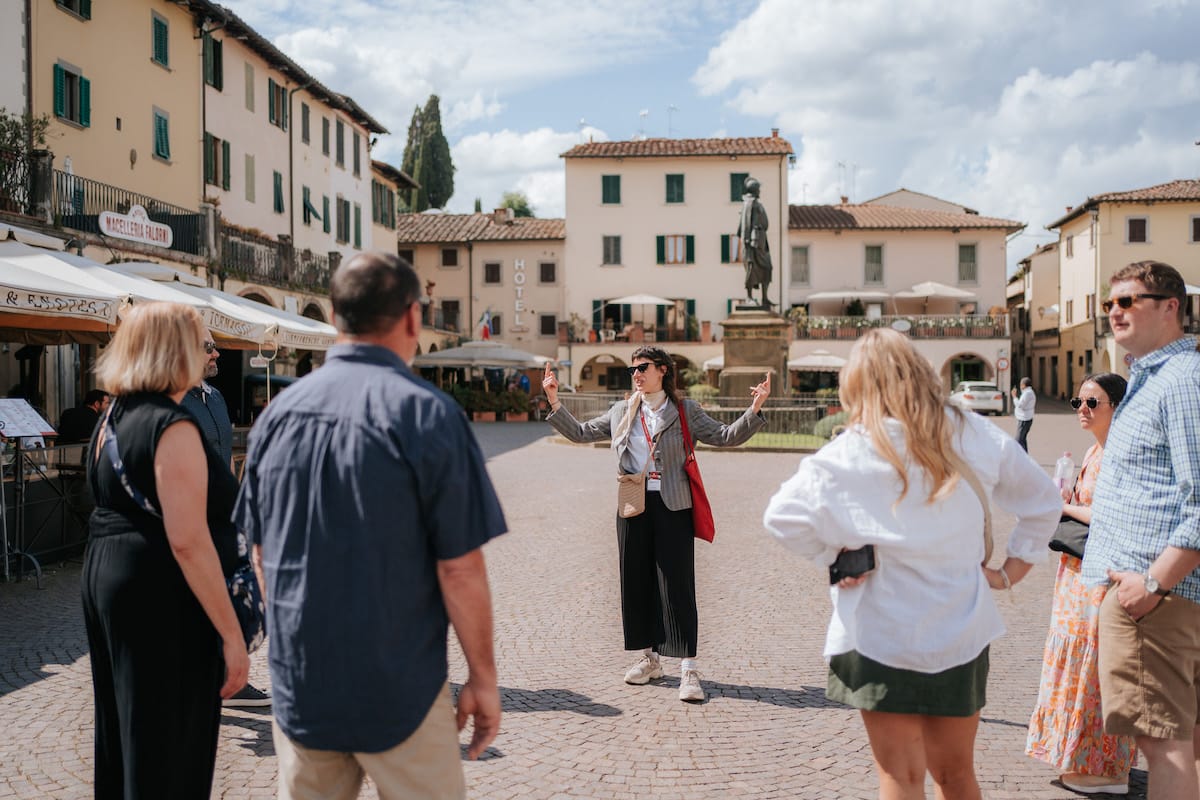
Want to save money and make the most of your visit?
Join one of our Italy guided walking tours. Our expert local guides share more than history and art: they can also offer practical advice on getting around, finding great places to eat, avoiding tourist traps, and experiencing the city like a local!
Show Comments
2 responses to “How to Save Money in Italy: Receipts, Restaurant Bills, and Other Money-Saving Tips”
Book a Tour

Pristine Sistine - The Chapel at its Best
€89

1794 reviews

Premium Colosseum Tour with Roman Forum Palatine Hill
€56
850 reviews
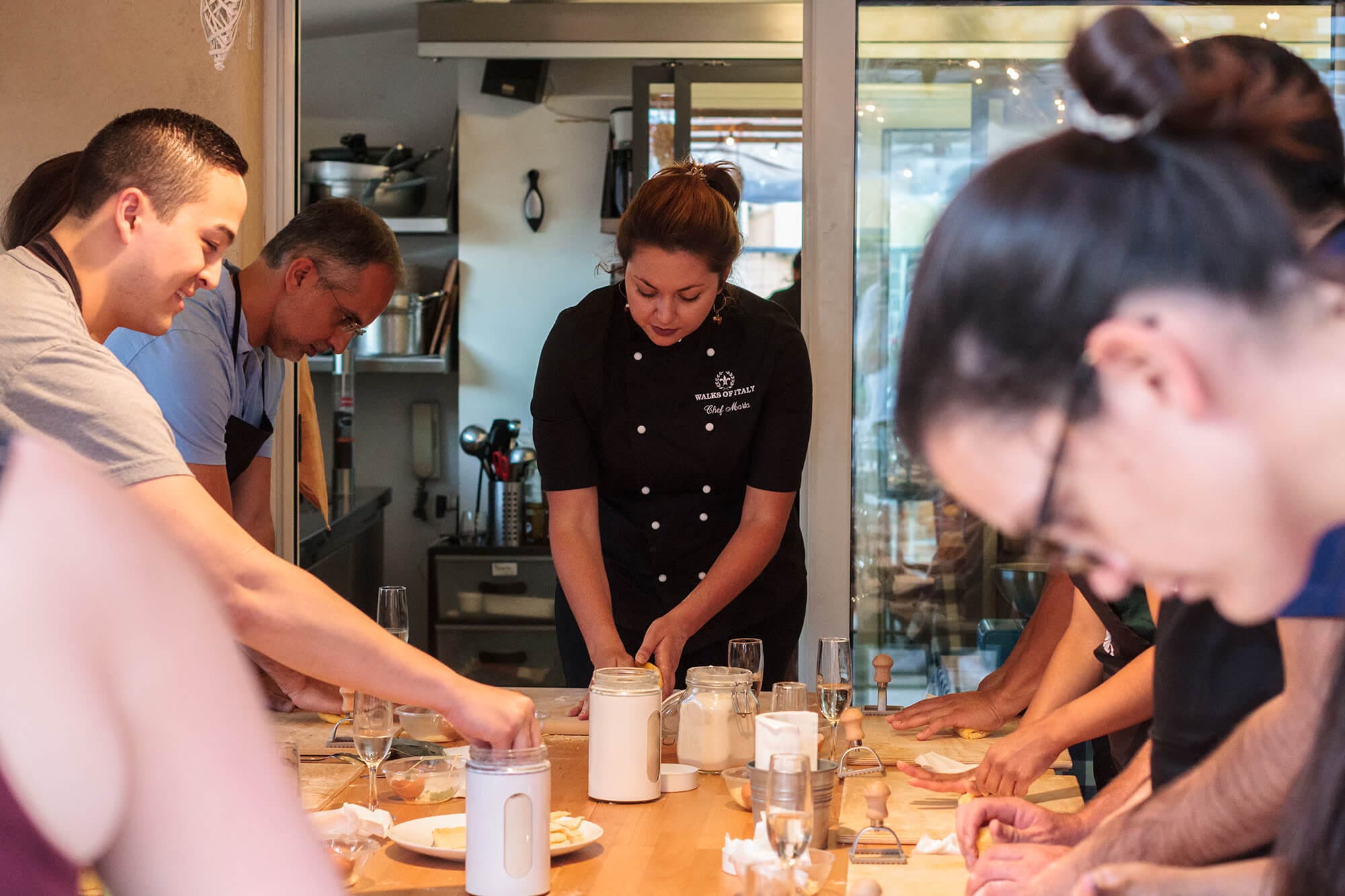
Pasta-Making Class: Cook, Dine Drink Wine with a Local Chef
€64
121 reviews

Crypts, Bones Catacombs: Underground Tour of Rome
€69
401 reviews

VIP Doge's Palace Secret Passages Tour
€79
18 reviews

Legendary Venice: St. Mark's Basilica, Terrace Doge's Palace
€69
286 reviews
Follow us
Stay up to date with travel tips, local insights and all things Italy on our social channels!


Subscribe to our Newsletter
Get curated Italy travel tips delivered to your inbox!

Another tip when choosing to dine out in Italy, in particular Rome & Venice, don’t get roped into the main bar and restaurants in the main piazza’s, instead venture into the side streets as you are more likely to get a better deal for your euro and better quality food!
Since la crisi, it does in fact seem to have gotten worse. A few days ago in Rome, I was charged Euro 13.50 for four cookies and a small pane — from a bakery. Today, in Cortona, Euro 18 for a tiny jar of truffle sauce. The visitor has to be vigilant and assertive. With a bakery, because everything is weighed, it is very difficult to get an itemized receipt. With the truffle sauce, the jar was not marked, but since I have bought it often in Perugia, it never occurred to me that someone would gouge me so outrageously. Yes, if I am sitting down at Florian in St. Marks or the rooftop cafe at La Rinascente in Milan, I expect to pay a lot. But a bakery?! And I speak Italian! Shame on me for not being wiling to say “Vuoi fregarmi?” and just refusing to pay.