








How to Make Authentic Cacio e Pepe Recipe Pasta – with only 4 ingredients
November 1, 2026
Humble yet classy, creamy yet flavourful, the Cacio e Pepe recipe is a favourite pasta dish amongst Italians who want homemade comfort – stat. Cacio e pepe translates as ‘cheese and pepper’ and for such an authentic dish it’s surprisingly easy to prepare. Follow a few simple steps and you’ll produce a delicious meal as good as any you’d get at a restaurant – in fact, we’d wager even better!
This classic dish makes the most out of four simple, cupboard ingredients. However, because the Cacio e Pepe recipe is notoriously creamy, a common misconception is that you need cream or butter to get it to the desired consistency – but you don’t.
You don’t even need olive oil! In fact, all that’s required for a beautiful Cacio e Pepe is pasta, cheese (ideally pecorino romano) a good helping of pepper, and of course, the right method. Easy to make once you know how, this comforting pasta dish has become a true staple of Italian cuisine.
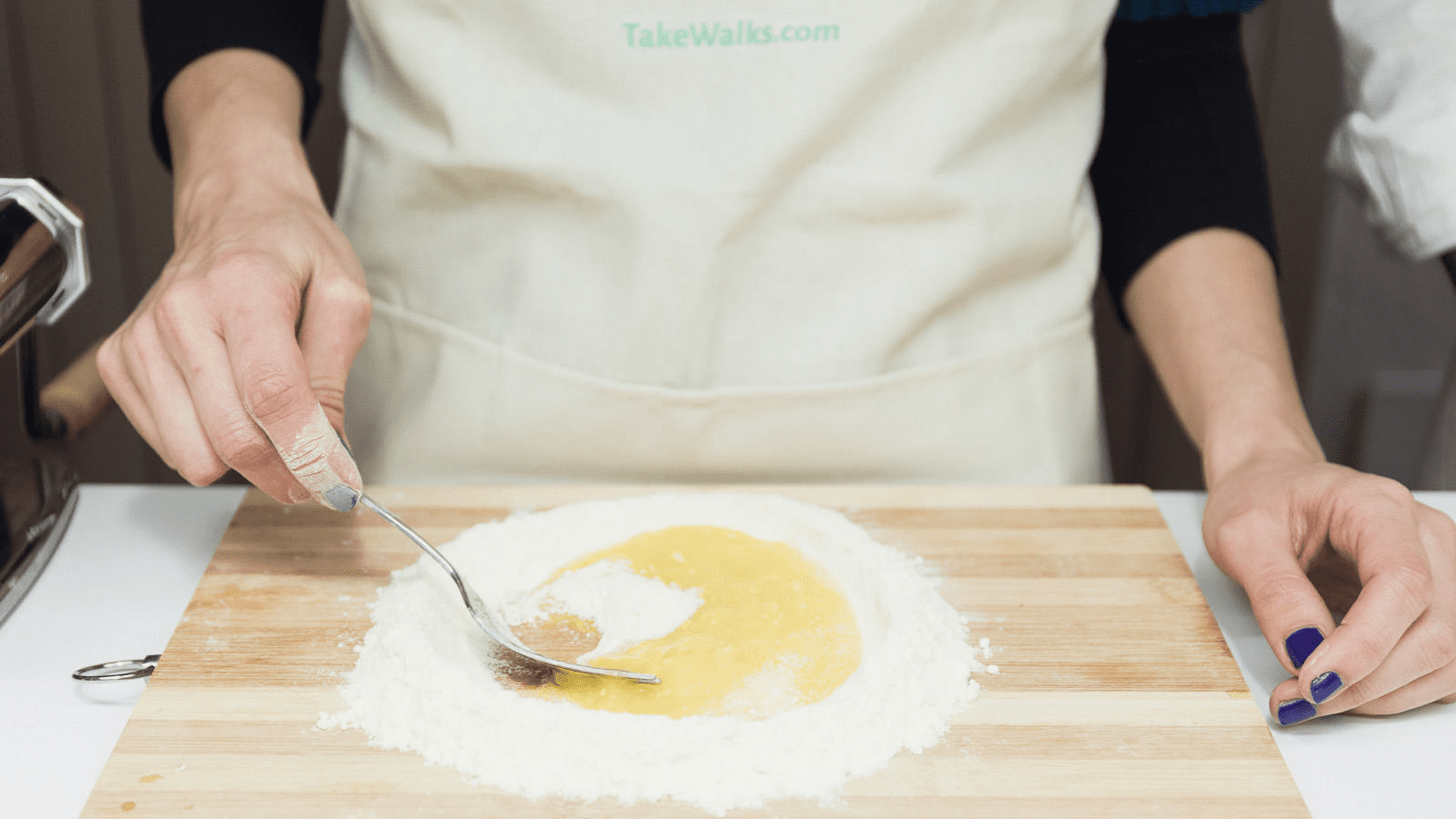
It´s fun to make Cacio e pepe recipe pasta
PSST! Want to try your hand cooking pasta with an Italian Chef? Then take a look at our Pasta making classes in Rome and Florence where you can get hands on with tips and tricks from an expert!
Humble beginnings
With origins dating all the way from Ancient Rome, the Cacio e Pepe recipe is one of Italy’s oldest pasta dishes. Because of its longevity, pecorino romano used to be carried by Roman Legionaries as part of their supplied rations for longer journeys. Shepherd’s took up the practice, carrying it on their long stints where they camped on the mountains to watch their flock. In need of a simple yet filling meal, they began taking dried pasta (specifically tonnarelli) with them and with the addition of water they were able to whip up a feast. And so, the classic cacio e pepe was born!
Making Tonnarelli Cacio e Pepe with Simona
Pasta Perfect! Our Classic Cacio e Pepe Recipe
Ingredients:
- 1 cup (or 100g) Pecorino Romano
- 1 ½ cups (or 200g) flour
- 2 medium size eggs
- Fresh black pepper
Step-by-step Instructions:
- Pour the flour onto a stable surface, such as a chopping board or marble worktop. (You could also do this in a bowl if you prefer a more controlled environment)
- Add two eggs and combine them with the flour, forming a firm but malleable dough. Knead for approximately two minutes making sure the eggs and flour are fully mixed, then place the dough in the fridge
- After giving the dough 20 minutes to rest, sprinkle a generous amount of flour onto your surface, then begin rolling the dough out evenly with a rolling pin. Roll until you have a sheet large enough to fold over itself evenly
- After you’ve folded it once, roll it out again into a large rectangle and begin folding the dough over itself until the layers form a loose ‘S’ shape. This will be about 3-4 times depending on how thick the dough is after rolling
- Cut the dough vertically (starting at the furthest edge) to make long spaghetti shaped strands
- Next, cook the pasta in a pot with a sprinkle of salt for three minutes or until nicely al dente
- Grate the pecorino and add it to a (separate) frying pan with some grated pepper. Add half a ladle of water from the cooked pasta to the pan and simmer on a low heat. It’s important you use the water used to cook the pasta as this is what helps form the sauce in the next step
- Mix the cheese and water until you get a creamy consistency. If it’s too lumpy you can add more of the pasta water, but be careful not to add too much – you don’t want it to become too runny. We’re aiming for a silky smooth consistency, so be prepared to add a little elbow grease!
- Drain the pasta and add it to the pan, stirring until the pasta is coated in the cheesy sauce
- Once mixed, the pasta is ready to serve. Add some tossed greens on the side for a fresh and filling meal!
FAQ´s – Cacio e Pepe Recipe
Do I really not need cream, butter, or olive oil?
That’s right, authentic Cacio e Pepe contains no cream, butter, or olive oil. The dish gets its creamy texture from a combination of finely grated Pecorino Romano and starchy pasta water, which emulsify when mixed correctly over low heat. Using the right method is far more important than adding extra ingredients, and once mastered, the result is rich, silky, and deeply flavourful.
What type of pasta works best for Cacio e Pepe?
Traditionally, tonnarelli is the pasta of choice for Cacio e Pepe, as its slightly thicker shape and rough texture hold the sauce beautifully. If tonnarelli isn’t available, spaghetti or bucatini are excellent substitutes. Fresh pasta works wonderfully too, especially if you’re making it by hand, as shown in the recipe.
Why does my Cacio e Pepe sauce turn clumpy or stringy?
Clumping usually happens when the cheese is added over too much heat or without enough pasta water. Pecorino Romano melts best gently, so it’s important to lower the heat and stir continuously. Adding pasta water gradually helps create a smooth emulsion. If the sauce tightens, a splash more warm pasta water and steady mixing will usually bring it back to a creamy consistency.

Inspired to taste Italy the authentic way?
Take your love of Italian food beyond the kitchen and experience it at the source. Visit the Walks of Italy website to explore expertly guided tours across Italy, along with hands-on pasta and pizza making experiences led by local chefs. From learning time-honoured techniques to discovering Italy’s rich food culture, these immersive experiences are designed to turn your trip into something truly unforgettable.
Check out Walks of Italy today and start planning experiences you’ll be talking about long after the last bite.
You might also enjoy more articles about Food & Wine – Walks of Italy

Book a Tour

Pristine Sistine - The Chapel at its Best
€89

1794 reviews

Premium Colosseum Tour with Roman Forum Palatine Hill
€56
850 reviews
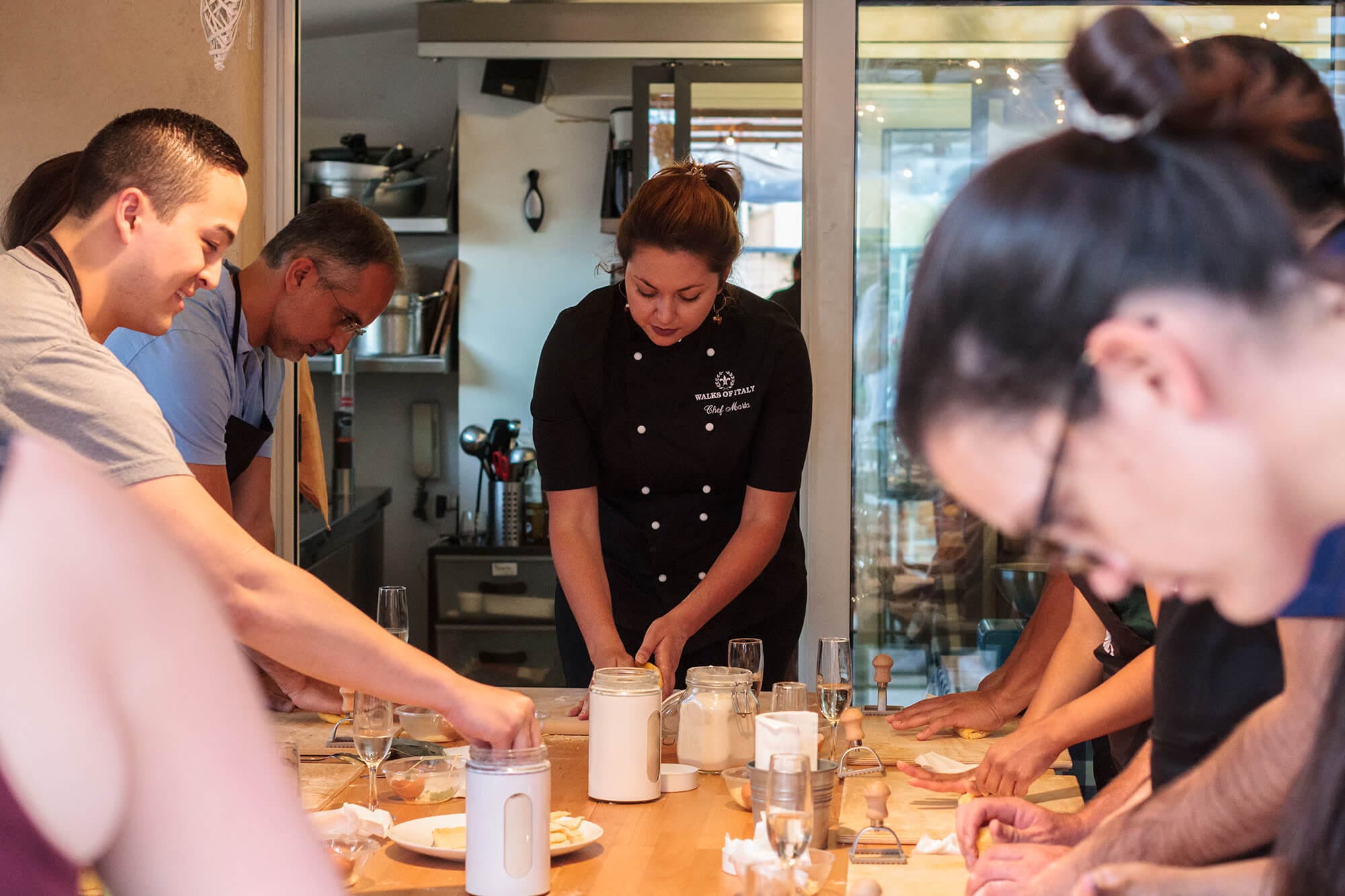
Pasta-Making Class: Cook, Dine Drink Wine with a Local Chef
€64
121 reviews

Crypts, Bones Catacombs: Underground Tour of Rome
€69
401 reviews

VIP Doge's Palace Secret Passages Tour
€79
18 reviews

Legendary Venice: St. Mark's Basilica, Terrace Doge's Palace
€69
286 reviews
You May Also Like


Follow us
Stay up to date with travel tips, local insights and all things Italy on our social channels!


Subscribe to our Newsletter
Get curated Italy travel tips delivered to your inbox!
